Free Guilt Music Generator Powered by AI
Turn text into high-quality Guilt music effortlessly – no login required!

music.toolTips
Receipts and Confessions
'Receipts and Confessions' is a brooding dark alternative pop anthem exploring regret, radical honesty, and accountability. Driven by minor-key piano, heavy bass, and vulnerable vocals, the song weighs the unbearable cost of betrayal against the fragile hope of rebuilding shattered trust.
03:46
2026-09-17

Things I Couldn't Give You
A mother mourns the childhood, safety, and family she could not provide while surviving hardship with her daughters. Through guilt and tenderness, she recognizes that love kept them alive, then promises to give them choices, joy, family, and the freedom to become fully themselves.
05:54
2026-09-15
Secrets of my crimson skin
A grieving narrator mourns a lost counterpart whose death exposes buried resentment, shared identity, and unresolved questions. Through crimson imagery, theatrical strings, frantic rhythms, and anguished vocals, the song transforms mourning into a volatile confession of love, anger, guilt, and haunting emotional dependence.
04:20
2026-09-15

የእግዚአብሔር ተማሪ
ዘፈኑበኃጢአትሸክምየተጨነቀሰውከውድቀትወደንስሐእናመዳንየሚያደርገውንጉዞይተርካል።ተደጋጋሚውመዝሙርየኃጢአተኛመሪቢሆንምየእግዚአብሔርተማሪመሆንንያጎላል።
03:34
2026-09-14

Firs
Firs follows a broken narrator from remorse and fear into complete surrender to darkness. Haunted by guilt, demons, and shattered faith, the protagonist ultimately discovers freedom in damnation, rejecting the light and inviting others to dance through the flames.
05:19
2026-09-14
Firs
Carmen narrat hominem paenitentem, qui veniam petit ob promissa fracta, amores simulatos et animas laesas. Caelo cadente et daemonibus clamantibus, intellegit se in maledictione inclusum esse, sine ulla spe reditus, paratum ad primum gradum ad infernum.
04:04
2026-09-14

Lemme Die
A wounded narrator confronts addiction to destructive choices, guilt, lost love, and deep self-hatred. Heavy guitars and raw vocals intensify the song’s suicidal imagery, while the final chorus shifts from isolated despair toward shared emotional ruin and unresolved heartbreak.
03:44
2026-09-12
Falling Through the Sacred Sky
A tormented soul collapses beneath religious guilt, battling temptation, identity loss, and the absence of redemption. Sacred imagery collides with industrial trap and apocalyptic orchestration, creating a theatrical descent that ends in a desperate plea for forgiveness and sudden silence.
03:34
2026-09-12
ウルサイ
説明を求めながらも理解されず、試験や締め切り、罪悪感に追い詰められていく心情を描いた曲。怒り、悲しみ、焦燥、絶望が高速ビートとボーカルエフェクトの中で爆発し、最後には威圧的な叫びへと変わる。
03:39
2026-09-11
The House Keeps Score
A guilt-ridden narrator navigates a sentient house that records every crime, fear, and bad decision. Through grim boom-bap imagery, the basement becomes a judge, the walls become witnesses, and each repeated knock signals a deeper supernatural reckoning.
02:54
2026-09-11

Bbbhhhhh
A manipulative recluse is forced into a midnight therapy session by an enigmatic family. Through calm questions and psychological pressure, his defenses collapse, revealing that no forest, mask, or invented story can silence the guilt inside him.
03:19
2026-09-09

O kako sam grozan lik
Pesma prikazuje čoveka koji se suočava sa sopstvenim greškama, krivicom i nemogućnošću da pronađe opravdanje. Zaborav voljene osobe u presudnom trenutku postaje izvor dubokog stida, dok akustični rok i ranjivi vokali stvaraju atmosferu iskrenog unutrašnjeg sloma.
03:23
2026-09-09
Взял вину на себя
Лирический герой вспоминает день, когда взял чужую вину на себя и оказался в заключении. Пока друзья живут на свободе, он переживает тоску, бессонницу и внутреннее давление, сохраняя самоотверженность: пусть другие гуляют и радуются, а боль он вынесет один.
01:55
2026-09-07
Взял вину на себя
Герой вспоминает день, когда взял вину за друзей и оказался в заключении. Пока близкие живут на воле, он переживает тоску, бессонницу и внутреннюю тяжесть, но желает им радости, принимая свою судьбу.
02:47
2026-09-07
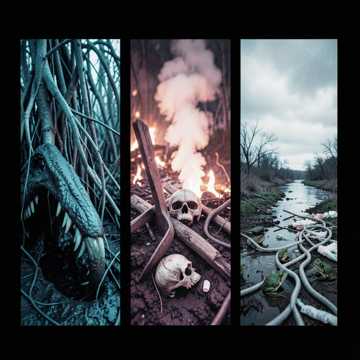
Rot In The Swamp
A haunted blues narrative moves from dinosaurs and polluted wetlands to a betrayed man waiting by the river. Swamp imagery becomes a metaphor for decay, jealousy, guilt, and emotional paralysis, while the repeated chorus reinforces his desperate hope that she will return, though she remains almost home but not yet.
04:38
2026-09-07
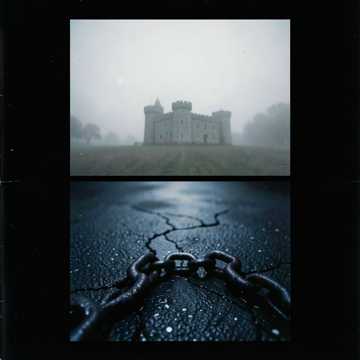
Взял вину на себя
Герой вспоминает день, когда взял вину на себя и оказался заключённым, пока друзья живут на свободе. Тюремные образы, бессонница и весенний воздух усиливают чувство одиночества, а финальное пожелание друзьям гулять раскрывает его горькую жертвенность и внутреннюю стойкость.
03:27
2026-09-07

Sans espoir de rédemption
Cette ballade jazz explore la culpabilité, l’épuisement spirituel et l’impossibilité du pardon. Une femme, enfermée dans ses regrets, renonce à l’amour, aux héros et à l’avenir, tandis qu’un piano solitaire accompagne sa disparition symbolique dans la nuit.
05:04
2026-09-06

Diable nasz 1
Mroczny, rytualny rap o człowieku konfrontującym własne destrukcyjne pragnienia. Początkowo narrator oddaje się wewnętrznemu diabłu, lecz finał odsłania, że źródłem zła nie jest nadnaturalna siła, tylko jego własne decyzje.
04:20
2026-09-06
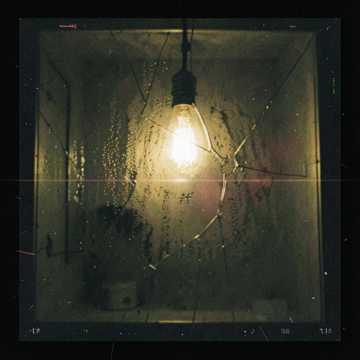
Diable nasz
Utwór przedstawia wewnętrznego diabła jako odbicie ludzkich pragnień i decyzji. Bohater odrzuca zbawienie, lecz w finale odkrywa, że nie był prowadzony przez zło, tylko sam świadomie kierował własnym upadkiem.
04:27
2026-09-06
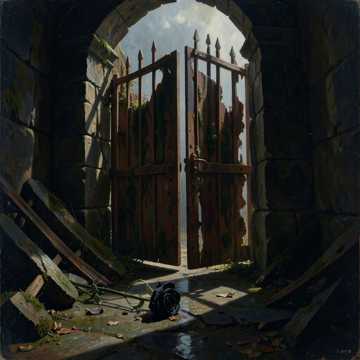
A present past
A Present Past is a raw confession about trauma, guilt, anger, and accountability. Its narrator remains trapped between survival-driven choices and their consequences, using aggressive rap and dark metal textures to express paranoia, exhaustion, and the desperate desire to break a repeating cycle.
03:32
2026-09-05
Introduction to the Guilt Music Tag
Guilt is a music genre or tag that embodies themes of remorse, self-blame, and emotional conflict. The roots of Guilt music can be traced back to the early 20th century when artists began to explore the darker aspects of the human psyche through sound. This genre often merges elements from classical, ambient, and experimental music, creating an atmosphere that evokes deep emotional responses. Over time, Guilt has evolved, influencing various music scenes and becoming a staple in emotionally charged compositions, particularly in cinematic and ambient music.
Sub-tags and Classifications of the Guilt Music Tag
Melancholic Guilt
Melancholic Guilt focuses on the sorrowful and reflective aspects of guilt. This sub-tag often features slow tempos, minor keys, and haunting melodies, creating a sense of deep regret and sadness. It is commonly used in film scores and ambient music to evoke a feeling of mourning or loss.
Dark Ambient Guilt
Dark Ambient Guilt leans into the eerie and unsettling side of guilt, using dissonant sounds, low-frequency drones, and minimalistic compositions. This sub-tag is often utilized in horror films, video games, and experimental music to convey an atmosphere of fear, anxiety, and unresolved tension.
Cathartic Guilt
Cathartic Guilt explores the purging or release of guilt through intense emotional expression. This sub-tag might include climactic orchestral swells, powerful vocal performances, and dynamic shifts in the music. It is frequently employed in dramatic scenes in movies, where characters confront their inner demons and seek redemption.
Famous Artists and Works Associated with the Guilt Music Tag
Max Richter
Max Richter is a prominent composer known for his deeply emotional and reflective compositions. His work on the album 'The Blue Notebooks' explores themes of trauma and guilt, making it a quintessential example of Melancholic Guilt in modern classical music.
The Blue Notebooks by Max Richter
This album is a masterpiece of Melancholic Guilt, blending piano, string quartet, and subtle electronic elements to create a reflective and haunting sound. The track 'On the Nature of Daylight' is particularly renowned for its ability to evoke deep feelings of regret and sorrow.
Trent Reznor and Atticus Ross
As a duo, Trent Reznor and Atticus Ross have composed numerous soundtracks that delve into the darker aspects of human emotion. Their score for the film 'Gone Girl' exemplifies Dark Ambient Guilt, using minimalistic and tension-filled soundscapes to highlight the psychological turmoil of the characters.
Gone Girl Soundtrack by Trent Reznor and Atticus Ross
The soundtrack for 'Gone Girl' is a prime example of Dark Ambient Guilt. The duo's use of dissonant tones, minimalistic beats, and eerie soundscapes perfectly complements the film's themes of deception, guilt, and psychological unraveling.
Jóhann Jóhannsson
Jóhann Jóhannsson was a composer whose works often blended classical and electronic elements to create powerful emotional narratives. His score for the film 'Sicario' is a striking example of Cathartic Guilt, particularly in the track 'The Beast,' which builds tension to a cathartic release.
Sicario Soundtrack by Jóhann Jóhannsson
Jóhannsson's score for 'Sicario' is a powerful expression of Cathartic Guilt. The music builds in intensity, mirroring the moral ambiguities and inner conflicts of the characters, culminating in moments of emotional release that are both unsettling and cathartic.
Application Scenarios for Guilt Music
Guilt music is frequently used in movie soundtracks to underscore scenes of emotional conflict, regret, and introspection. It helps to deepen the audience's connection to the characters and their internal struggles, making it an essential tool for filmmakers aiming to evoke empathy and understanding.
Movie Soundtracks
In video games, Guilt music is often employed during pivotal narrative moments, particularly in games with strong storylines and character development. It can heighten the emotional impact of a character's decisions, particularly in moral dilemmas, adding depth to the gaming experience.
Video Games
While less common, Guilt music can be used in advertising to create a somber or reflective tone, particularly in public service announcements or campaigns focused on sensitive topics. The music's ability to evoke empathy can make it a powerful tool in conveying important messages.
Advertising
Guilt music, especially the Cathartic Guilt sub-tag, can be used in therapeutic settings to help individuals process and release feelings of guilt. Music therapists may incorporate these compositions into sessions aimed at emotional healing and self-forgiveness.
Therapeutic Settings