Free Guzheng Music Generator Powered by AI
Turn text into high-quality Guzheng music effortlessly – no login required!

music.toolTips

Bamboo Mist Path
A graceful Zen instrumental that evokes a mist-covered bamboo trail. Airy dizi, shimmering guzheng, and warm erhu unfold slowly within a spacious acoustic mix, creating a peaceful atmosphere suited to meditation, tea ceremonies, nature films, and seamless ambient listening.
02:00
2026-09-28

Jade River Loop
作品以70 BPM的悠缓节奏展开,笛子先奏下行流水句,古筝与二胡随后轻柔加入,营造清雅、温暖而澄明的禅意空间,并以自然循环的结尾回到开端。
02:58
2026-09-28

竹影初晴
作品以笛子清亮的第一声展开,在65至75 BPM的漂浮脉动中,古筝与二胡依次加入。疏朗旋律、温暖音色和极轻动态营造雨后竹影初晴的宁静、明澈与淡淡喜悦。
03:28
2026-09-28

歌曲以夜色、冷月與流年為意象,描寫一段愛情從承諾走向離別的過程。女聲在五聲音階與中國民族樂器交織中,反覆追問彼此的身份,最終在傷痛與放下之間尋找答案。
03:09
2026-09-28

До меня (darkstep) v23
Психологическая история о человеке, который обнаруживает, что его воспоминания, страхи и любовь к морю могли принадлежать не ему. Безударные куплеты постепенно превращаются в тяжелый darkstep, а финальный вопрос к матери оставляет личность героя неразрешенной.
04:59
2026-09-26

До меня (darkstep) v17
Песня исследует страх обнаружить, что воспоминания, привычки и желания могут принадлежать не тебе. Через дневник, старый дом и образ матери герой постепенно принимает чужое прошлое как часть собственной личности. Мрачный darkstep превращает кризис идентичности в болезненный, красивый и жизнеутверждающий финал.
05:22
2026-09-26

烟雨锁孤舟
歌曲讲述一名背负血债与失约承诺的浪子,在烟雨风雪中踏上不归路。男声说唱展现冷峻决绝,女声演歌以戏剧性颤音倾诉孤独,共同塑造苍凉、宿命而悲壮的江湖画卷。
03:03
2026-09-26

救赎的光
歌曲描写一段因迟来的觉醒而重新靠近的爱情。主人公在悔恨与亏欠中学会担当,以余生弥补伤痕,祈求一道救赎之光,让破碎的关系重新拥有温柔的归处。
04:32
2026-09-25
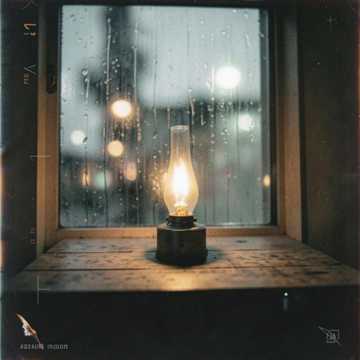
孤灯落雨
作品以缓慢克制的节奏展开:二胡如独白般倾诉,古筝勾勒雨丝,埙笛营造空旷夜色,弦乐铺陈深沉情绪,呈现孤灯、落雨与未尽离愁交织的电影化画面。
03:30
2026-09-24
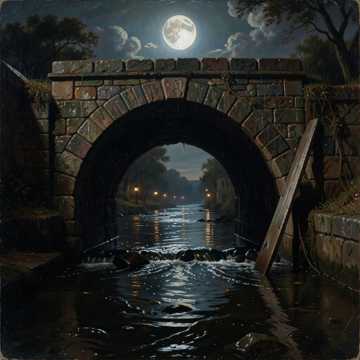
古桥夜审
《古桥夜审》是一首融合古筝、二胡与史诗太鼓的暗黑国风悬疑纯音乐,烘托出夜幕下古桥审判的冷冽与紧张。
03:24
2026-09-24
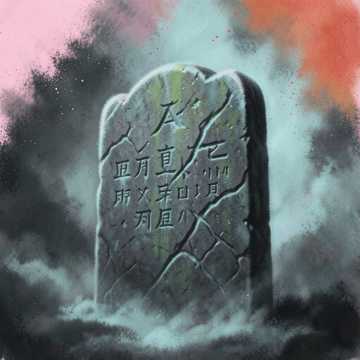
国宝长歌
作品以悲壮而庄严的东方旋律,描绘国宝穿越岁月、见证文明兴衰的漫长旅程,在二胡哀鸣、埙声幽远与管弦高潮中呈现历史的厚重与民族记忆。
03:29
2026-09-24

琉璃月湾
以箫与古筝的留白开启,竹笛引出月湾幻境;手鼓和异域拨弦逐步增强律动,最终由温暖弦乐扩展为辽阔而静谧的电影式尾奏。
03:40
2026-09-23

云起山行
作品以轻盈的四四拍律动展开,古筝与竹笛如山风引路,琵琶、手鼓和水滴音效勾勒幽静空间;主题段加入弦乐与太鼓式击打,呈现云起山行的开阔、明亮与诗意。
03:28
2026-09-23
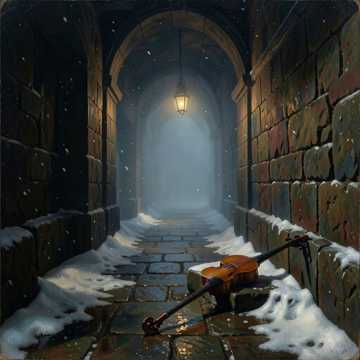
残雪回廊
作品以缓慢的六八拍展开,二胡如泣如诉,古筝勾勒冷寂回廊;中段弦乐与远方人声推高悲恸,尾声回归二胡与柔和锣声,留下未尽的怀念。
03:35
2026-09-23

福满开场
作品以欢腾五声音阶为核心,唢呐高亢领奏,古筝快速分解和弦与 ceremonial 鼓阵层层推进,融合铜管辉煌齐奏,营造福气盈门、盛典启幕的热烈氛围。
02:48
2026-09-23

古城长风
作品以古琴、古筝、琵琶、笛子和二胡铺陈古城风貌,在恢弘与清雅之间展现历史回响、山河气韵与岁月长风,营造开阔、庄重而富有东方诗意的 cinematic 声景。
03:18
2026-09-23
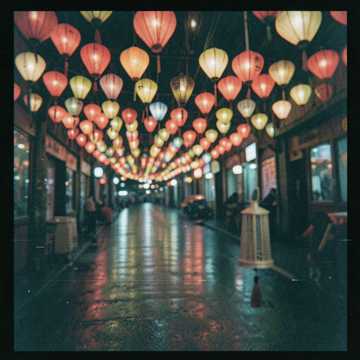
灯会开场
以竹笛俏皮旋律为核心,融合古筝、扬琴、笙、琵琶与鼓乐,层层推进灯会欢庆气氛,结尾利落并为宣传片标题落版预留空间。
03:19
2026-09-23

竹影开场
作品以稀疏箫声与古琴泛音展开远景,逐步叠加鼓点、拨弦、弦乐与民族低音合奏,形成洒脱苍劲、恢弘厚重的电影感主题,并以笛子长音和重鼓大气收束。
03:10
2026-09-23

月下笛影
笛声如月下清风,穿行于古筝的细密弦音与二胡的温柔回响之间。舒缓节奏勾勒出寂静夜色,呈现一幅清远、含蓄而充满诗意的东方月夜画卷。
03:25
2026-09-23
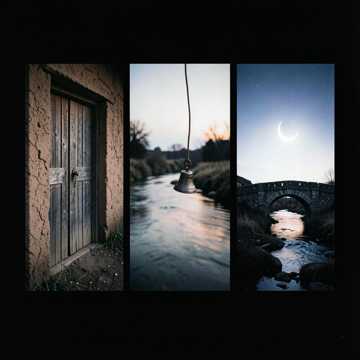
故鄉啊,落日黃昏
歌曲以落日、老村、炊煙、母親與泥土意象,描寫遊子多年漂泊後對故鄉的深切思念。旋律由克制低吟逐步推向磅礴合唱,在蒼涼與溫暖之間,呈現血脈牽引、親情守候與終將歸來的情感。
04:38
2026-09-22
Introduction to Guzheng: Definition and History
The Guzheng, also known simply as 'Zheng,' is a traditional Chinese plucked string instrument with a history spanning over 2,500 years. It is characterized by its large, curved wooden body and between 21 to 26 strings, which are traditionally made of silk but now are often crafted from metal or nylon. The Guzheng is a member of the zither family and has been a vital part of Chinese culture, especially in classical and folk music. Originating during the Warring States period, the Guzheng gained popularity in the Han dynasty and has since evolved, both in design and technique, becoming an essential instrument in Chinese music. The instrument's sound is often described as expressive and resonant, capable of producing a wide range of emotions, from the tranquil and melodic to the powerful and percussive.
Sub-tags and Classifications of Guzheng
Traditional Guzheng
The Traditional Guzheng refers to the classical form of the instrument, which follows ancient construction techniques and musical styles. This sub-tag encompasses traditional Chinese compositions, often linked to regional styles and folk music. The Traditional Guzheng is known for its deep cultural significance and is usually played in solo performances or small ensembles.
Modern Guzheng
Modern Guzheng represents the contemporary evolution of the instrument, incorporating new materials, playing techniques, and fusion genres. This category includes both new compositions written for the Guzheng and innovative playing methods that integrate Western music influences. Modern Guzheng performances might involve electric versions of the instrument and are often featured in global music festivals.
Regional Styles
Regional Styles of Guzheng music refer to the distinctive musical traditions that have developed in various parts of China. These include the Shandong, Hakka, and Zhejiang styles, each with unique tuning methods, playing techniques, and repertoire. Understanding these regional styles is essential for appreciating the diversity within Guzheng music.
Guzheng Ensembles
Guzheng Ensembles involve multiple Guzheng players or a mix of Guzheng with other traditional Chinese instruments. These ensembles perform arranged compositions or original works that highlight the instrument's versatility in group settings. This classification is popular in both educational settings and professional performances.
Famous Artists and Classic Works in Guzheng Music
Liu Wei Ping
Liu Wei Ping is a renowned Guzheng master known for his exceptional technique and contributions to the popularization of the instrument worldwide. His representative works include 'High Mountain and Flowing Water,' which showcases the expressive range of the Guzheng and its ability to convey complex emotions.
High Mountain and Flowing Water
This traditional piece is one of the most revered in the Guzheng repertoire. It is known for its complex finger techniques and dynamic contrasts that mimic the natural landscapes of mountains and rivers. The piece is often performed in solo settings and is a testament to the expressive power of the Guzheng.
Wang Changyuan
Wang Changyuan is famous for her piece 'Fighting the Typhoon,' which is a vivid portrayal of nature's power through Guzheng music. She has also contributed significantly to the modern Guzheng repertoire by composing and performing new works that blend traditional Chinese music with contemporary elements.
Fighting the Typhoon
Composed by Wang Changyuan, 'Fighting the Typhoon' is a modern Guzheng piece that vividly depicts the ferocity of a storm through rapid plucking techniques and intense rhythmic patterns. The composition showcases the instrument's ability to create powerful, dramatic soundscapes.
Zhao Yuzhai
Zhao Yuzhai is a celebrated figure in the Guzheng community, known for his mastery of traditional techniques and his innovative teaching methods. His work 'Autumn Moon Over the Han Palace' remains a classic, reflecting his deep understanding of the instrument’s expressive capabilities.
Autumn Moon Over the Han Palace
This classic work is a staple in the traditional Guzheng repertoire. It is characterized by its gentle, flowing melody and subtle ornamentations, evoking a sense of nostalgia and historical reflection. The piece is often used to demonstrate the lyrical qualities of the Guzheng.
Application Scenarios of Guzheng Music
Guzheng music is frequently used in movie soundtracks, particularly in films that require an authentic Chinese cultural atmosphere. Its sound can evoke a range of emotions, from tranquility to tension, making it ideal for setting scenes in period dramas, martial arts films, or any movie depicting Chinese history and culture.
Movie Soundtracks
The distinctive sound of the Guzheng is increasingly being used in advertising to create an elegant and refined auditory experience. Brands aiming to connect with Chinese cultural elements or convey a sense of timeless beauty often incorporate Guzheng music into their advertisements.
Advertising Music
In the gaming industry, Guzheng music is employed to enhance the immersive experience of games set in ancient China or those with themes of mysticism and fantasy. Its ability to evoke the past and create a mystical ambiance makes it a popular choice for background music in role-playing games (RPGs) and strategy games.
Game Background Music