Free Hammond organ Music Generator Powered by AI
Turn text into high-quality Hammond organ music effortlessly – no login required!

music.toolTips
Sound against Tinnitus
An instrumental reflection on confronting tinnitus through music. Slow Hammond organ, saxophone, acoustic guitar, elastic bass, restrained drums, and evolving analog synths create a wise, contemplative atmosphere that gradually expands into progressive rock-soul, suggesting tension, endurance, and emotional release.
04:09
2026-09-14

Mantifestés73
A dal két kimerült munkás humoros, mégis melankolikus történetén keresztül mutatja be a betonfestés monoton nyári nehézségeit. A lassú blues, a Hammond orgona és a zokogó harmonika a hőség, a fáradtság, az összetartás és a munka abszurd szépségének hangulatát teremti meg.
07:10
2026-09-14

Paper Moon
Paper Moon unfolds as a contemplative progressive rock-soul piece, moving from sparse acoustic guitar and Hammond organ into swelling synthesizers, elastic bass, shifting drums, and exploratory electric guitar. Its warm vintage production suggests reflection, fragile hope, and emotional transformation beneath a moonlit atmosphere.
03:38
2026-09-13
The Morning
A slow-burning instrumental journey from quiet reflection to radiant momentum. Plucked acoustic guitar and sparse Hammond create a contemplative dawn, while Moog swells, vintage organ grit, expressive electric guitar, and progressive drum accents gradually open into a warm, emotionally resonant morning anthem.
03:49
2026-09-13
The star I cannot reach
A solitary narrator pursues a distant star that symbolizes unreachable dreams, lost possibilities, and the passage of time. Through cosmic imagery and a slow-burning progressive rock arrangement, the song moves from yearning toward acceptance, finding quiet hope in releasing what was never meant to be possessed.
06:40
2026-09-13
Not here
Not here reflects on a relationship lost through silence and emotional distance. From memories on an old porch to unanswered calls and a final wish for reconnection, the narrator confronts regret while accepting that time may have permanently changed them both.
04:46
2026-09-13
Make It Home
A passionate Apostolic gospel journey about enduring hardship, resisting doubt, and trusting Jesus until reaching Heaven. Prayerful verses build into joyful congregational choruses, while the bridge inspires collective commitment through call-and-response declarations of faith, watchfulness, and perseverance.
05:24
2026-09-13
The Blood That Jesus Shed
A reverent gospel worship anthem celebrating the saving, cleansing, and liberating power of Jesus' blood. Through personal testimony, generational faith, and congregational call-and-response, the song moves from weariness and guilt toward forgiveness, gratitude, healing, and spiritual freedom.
04:14
2026-09-13
Liebe Andrea, komm
Ein entspannter deutscher Slow Blues, der die intime Ruhe eines gemeinsamen Morgens beschreibt. Mit warmem Gesang, Hammond-Orgel und sanften Gitarren-Akkorden feiert das Lied die einfachen, glücklichen Momente des Lebens an der Seite von Andrea und Hund Maru.
03:56
2026-09-12
Frame4
An instrumental concerto grosso unfolds across six connected movements: a fragile music-box prelude grows into Vivaldian urgency, dissonant orchestral tension, echoing guitar improvisation, and a melancholic organ-led march before fading back into unease.
05:07
2026-09-12
Frame3
Frame3 is a six-movement instrumental concerto grosso for two violins and string orchestra. It transforms Baroque forms through dissonance, chromatic tension, prepared piano, synthesizers, organ, and psychedelic guitar, moving from a fragile music-box Prelude toward an agitated climax and an uneasy, fading Postludio.
04:52
2026-09-12
Frame2
An eight-minute instrumental Concerto Grosso that moves from a fragile music-box Prelude through Vivaldi-like velocity, chromatic conflict, and solo-violin improvisation to a fading psychedelic Baroque coda.
05:08
2026-09-12
Lays the Thunder Down
A Southern bass player rises from Atlanta club stages to stadiums without losing his humble grin or powerful groove. The song honors persistence, musicianship, and the quiet force of the player behind the spotlight, carried by blues-rock grit and an expansive arena-rock chorus.
03:44
2026-09-12
Leave a Little Dust
A restless pair abandons hesitation and embraces the open road. Through vivid roadside details, roaring guitars, and a rising chorus, the song transforms regret into freedom, celebrating imperfect choices, shared courage, and the determination to keep moving without looking back.
04:11
2026-09-12
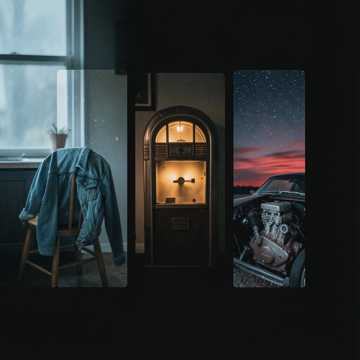
Roll On, Red River
A restless narrator escapes financial hardship and emotional stagnation by taking the wheel, carrying a loved one's memory toward a new beginning. The red river becomes a symbol of movement, freedom, and belonging, while classic rock instrumentation turns personal uncertainty into an anthemic journey home.
04:04
2026-09-12
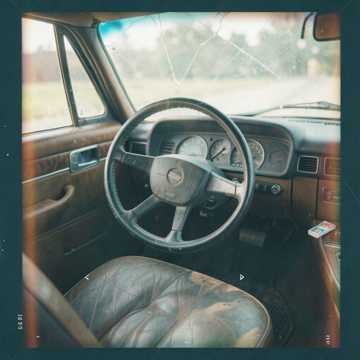
Turn the Wheel
A restless couple leaves certainty behind for an open-road escape, finding courage in each other rather than maps or promises. Classic-rock momentum, weathered small-town imagery, and a soaring guitar-led chorus turn their uncertain journey into a hopeful declaration of shared freedom.
04:12
2026-09-12
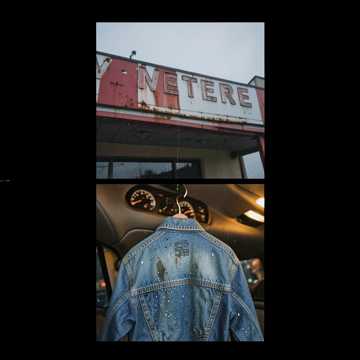
Turn the Key
A restless couple escapes a dead-end past in an aging car, following the open highway toward reinvention. With gritty confidence and romantic solidarity, the song transforms departure into liberation, while its driving classic-rock arrangement reinforces momentum, risk, and the promise of starting again.
04:08
2026-09-12
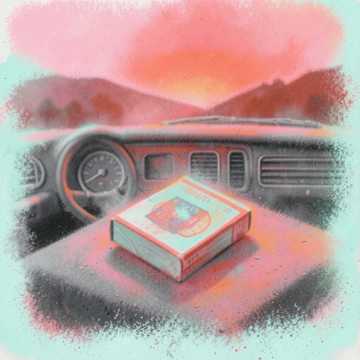
County Line
A restless couple escapes yesterday on an impulsive drive along the county line. Fueled by classic rock energy, roadside memories, and unwavering affection, the song transforms an uncertain journey into a hopeful declaration of renewal, freedom, and shared resilience.
04:31
2026-09-12
Ride the Red Line
A restless couple abandons doubt and convention for an uncertain journey together. Driven by a redemptive classic rock groove, the song transforms escape into courage, portraying freedom as a choice made through love, motion, and facing fear side by side.
04:23
2026-09-12
Let the Dust Decide
A restless pair abandons failed plans and locked doors, trusting the open road to shape their future. Driven by grit, companionship, and rebellious optimism, the song turns uncertainty into freedom through a memorable classic rock chorus and vivid Americana imagery.
04:35
2026-09-12
Introduction to the Hammond organ: A Revolutionary Instrument
The Hammond organ is an electric organ invented by Laurens Hammond and first manufactured in 1935. It was initially intended to be a cheaper alternative to the pipe organ used in churches, but it quickly gained popularity across various music genres due to its unique sound. The Hammond organ became an iconic instrument in jazz, blues, rock, and gospel music, known for its rich, warm tones and the distinctive 'drawbar' system that allows musicians to shape the sound. Over the decades, it has evolved with advancements in technology but remains a beloved instrument among musicians.
Sub-tags and Classifications of the Hammond organ
Tonewheel Organs
These are the original Hammond organs, such as the famous B3 model, which use a system of tonewheels and electromagnetic pickups to produce sound. They are known for their authentic, rich tones and are highly prized in jazz and blues music.
Transistor Organs
In the 1960s, Hammond introduced transistor-based organs as a more portable and affordable alternative to the tonewheel models. These organs, like the L-100 series, are lighter and require less maintenance but offer a different sound character.
Digital Organs
Modern digital Hammond organs, such as the Hammond XK-5, use advanced digital technology to emulate the classic tonewheel sound while offering additional features like MIDI compatibility and preset memory. These organs are popular in live performances and studio settings.
Spinet Models
Smaller versions of the Hammond organ designed for home use, such as the M-series, which retain many of the features of the full-size models but in a more compact and affordable form.
Famous Artists and Works Associated with the Hammond organ
Jimmy Smith
Jimmy Smith was a pioneering jazz musician who popularized the Hammond B3 organ in the 1950s and 1960s. His dynamic playing style and innovative use of the organ's features helped establish the instrument as a central element in jazz music. Smith's albums like 'The Sermon!' and 'Back at the Chicken Shack' are considered classics.
The Sermon! by Jimmy Smith
Released in 1959, 'The Sermon!' is a landmark jazz album that highlights Jimmy Smith's mastery of the Hammond B3. The title track, a 20-minute jam, showcases the organ's ability to produce deep, soulful grooves and intricate solos.
Jon Lord
Jon Lord was the keyboardist for the rock band Deep Purple and is credited with bringing the Hammond organ into the world of hard rock. His powerful playing on tracks like 'Smoke on the Water' and 'Child in Time' showcased the organ's versatility and raw power.
Whiter Shade of Pale by Procol Harum
This 1967 hit features one of the most famous Hammond organ riffs in rock history. The haunting, classical-inspired organ melody played by Matthew Fisher became a defining sound of the psychedelic rock era.
Booker T. Jones
As the leader of Booker T. & the M.G.'s, Booker T. Jones used the Hammond organ to create some of the most memorable soul music of the 1960s. The instrumental 'Green Onions' remains a classic example of the organ's distinctive sound.
Green Onions by Booker T. & the M.G.'s
Released in 1962, 'Green Onions' is an iconic soul instrumental that remains instantly recognizable. Booker T. Jones's use of the Hammond organ in this track defined the sound of Memphis soul and influenced countless musicians.
Application Scenarios for Hammond organ Music
The Hammond organ's rich, atmospheric tones make it a popular choice for movie soundtracks, particularly in genres like drama, horror, and retro-themed films. Its ability to evoke emotion and create a vintage feel has been utilized in films such as 'The Big Lebowski' and 'Ocean's Eleven.'
Movie Soundtracks
The distinctive sound of the Hammond organ is often used in commercials to create a sense of nostalgia or to add a groovy, upbeat vibe. Its versatility allows it to be featured in advertisements ranging from cars to food products.
Advertising Music
In video game music, the Hammond organ can be used to add depth and atmosphere, particularly in genres like adventure and horror. Its ability to produce both eerie and uplifting sounds makes it a valuable tool for game composers.
Game Background Music