Free Japanese Music Generator Powered by AI
Turn text into high-quality Japanese music effortlessly – no login required!

music.toolTips

花火
花火大会を楽しみに坂道を登った主人公が、予定時刻を過ぎても花火が上がらず、汗だくのトレーニング状態に陥る。期待外れの夜を、ユーモアと前向きな心の花火で描くコミカルなフォークソング。
02:36
2026-09-12

静かな朝の儀
静かな朝の祈りを思わせる序奏から、琵琶と琴、尺八、弦、太鼓が徐々に重なり、儀礼的な緊張と武の気配を描く。終盤は尺八を中心に内省的な余韻へ戻り、歴史的情景と映画的広がりを両立させている。
03:34
2026-09-12
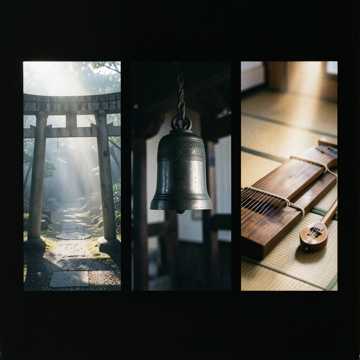
神社の静けさ
歌声を用いず、篳篥風の旋律、龍笛、琴、琵琶、控えめな打楽器と神社の鈴が、古代日本の祭礼を思わせる空間を構築する。ゆるやかな旋律と自然な残響が、静謐な内省と穏やかな祈りを誘う。
03:35
2026-09-12

静かな庭
作品以克制的五声音阶和渐进式呼吸编排,营造温暖、内省的神社庭院氛围。稀疏尺八、琴与琵琶拨弦交织寺铃和木质空间回响,仿佛晨雾中的静庭,适合沉思、冥想与文化场景使用。
03:38
2026-09-12
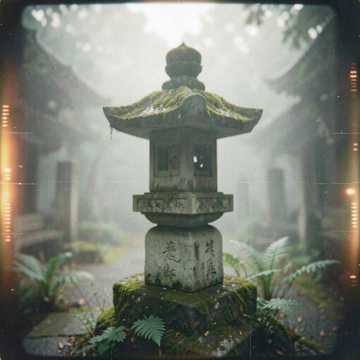
朝の静けさ
尺八の息遣い、箏の五音音階、琵琶と笙の淡い重なりが、夜明けの神社に満ちる静けさを描く。疎な始まりから穏やかな ceremonial moodへ移ろい、余韻を残して静かに解決するインストゥルメンタル作品。
03:27
2026-09-12

花畑の賢き狐
穏やかな五音音階を軸に、木琴の温かな余韻、竹笛の対話的な旋律、ハープの細やかなアルペジオが花畑の情景を描く。優雅な間と遊び心を交え、慈愛に満ちた大狐の古い助言を思わせながら、静かに解決へ向かう。
03:27
2026-09-12

ウルサイ
説明を求めながらも理解されず、試験や締め切り、罪悪感に追い詰められていく心情を描いた曲。怒り、悲しみ、焦燥、絶望が高速ビートとボーカルエフェクトの中で爆発し、最後には威圧的な叫びへと変わる。
03:39
2026-09-11

ハイブリッド・キャッツ
個性も強さも異なる猫たちが、互いを支えながら未知の世界へ進む冒険と友情の歌。明るいアニメソング調の旋律に、好奇心、勇気、共感、明日への希望が詰まっている。
02:16
2026-09-10

(35) 人はいさ
変わってしまった人の心をもう知ることはできなくても、故郷に咲く梅の花とその香りは、かつての記憶を忘れずに残している。古典和歌の余韻を、温かな四声のアカペラで表現した郷愁と別れの歌。
03:29
2026-09-09

(35) 人はいさ
変わってしまった人の心と、昔のまま残る梅の香りを対比し、故郷でよみがえる淡い記憶と未練を描く。親密な四声アカペラが、懐かしさと bittersweet な余韻を静かに深める。
04:35
2026-09-09

(34) 誰をかも
かつての友人を失った主人公が、高砂の松を昔の友に重ね、深い孤独と記憶を静かに歌う。古典和歌の世界を、現代的なR&Bの哀愁として描いた作品。
04:35
2026-09-09

(34) 誰をかも
かつての友を失った孤独な男が、高砂の松を見つめながら、過ぎ去った友情と語り合える相手を求める。古典和歌の寂寥を、穏やかな50年代R&Bの旋律で現代的に表現した追憶の歌。
05:10
2026-09-09

(34) 誰をかも
かつての友人たちを失い、心を分かち合える相手を探す孤独な語り手が、高砂の松に永遠の時間と失われた友情を重ねる。哀しみの中に、静かな受容と記憶の温もりが漂う。
04:16
2026-09-09
(34) 誰をかも
失われた旧友への記憶と、語り合える相手を失った孤独を描く。高砂の松を長年の友の象徴として見つめながら、50年代R&Bの穏やかな中速グルーヴと男性ボーカルで、静かな哀惜と受容を表現している。
04:31
2026-09-09

自由の扉へ
『自由の扉へ』は、姉妹が互いの手を取り、迷いや試練を越えて未来へ進む希望の冒険譚。王冠より大切な絆を軸に、自由、勇気、再生を高らかに歌い上げるアニメ主題歌風の楽曲。
05:30
2026-09-06

希望の彼方へ
姉妹と仲間たちが、涙や恐怖を乗り越え、絆と勇気を力に未知の世界へ進む冒険譚。疾走感あふれる旋律と壮大なサウンドが、希望に満ちた新たな物語の始まりを描いている。
04:42
2026-09-06

希望の光へ
未知の世界へ旅立つ二人が、友情と愛、姉妹のような絆を胸に、困難や運命を乗り越えて希望の光へ進む物語。壮大で躍動感のあるアニメ主題歌として、勇気と未来への期待を描く。
04:09
2026-09-06

奇跡の光
姉妹と仲間の絆を力に、恐れや嵐を越えて自由と未来へ進む冒険の歌。白い城、銀の森、虹の橋が彩る世界で、希望と笑顔が明日を照らす奇跡の光として描かれる。
04:11
2026-09-06

僕らがいる場所が故郷
長い旅の中で支え合ってきた二人が、離れていても互いを心の故郷として歩み続ける物語。傷や迷いを受け入れ、再会と新たな始まりを信じる、温かく希望に満ちた絆の歌。
06:42
2026-09-06

君とならまた歩ける
長い旅の中で支え合う二人が、孤独や困難を越え、弱さを抱えたまま共に歩き続ける希望の物語。姉妹のような親密な絆と、別れの先にある新しい朝を温かく描く。
05:02
2026-09-06
Introduction to Japanese Music: Definition and History
Japanese music, often referred to as 'Nihon ongaku' (日本音楽), encompasses a rich and diverse tradition that spans centuries. It includes traditional music, such as gagaku (ancient court music) and min'yō (folk music), as well as modern genres like J-pop, J-rock, and more experimental styles. The history of Japanese music is deeply intertwined with the nation's cultural evolution, with influences from China, Korea, and Western countries. From the ethereal sounds of the koto and shamisen to the electrifying beats of contemporary J-pop, Japanese music has evolved while maintaining its unique identity.
Exploring the Sub-tags and Classifications of Japanese Music
Traditional Japanese Music
This sub-tag includes classical genres such as gagaku, the oldest form of orchestral music in Japan, and nō, a type of classical dance-drama music. Traditional Japanese music is characterized by its use of pentatonic scales and instruments like the koto, shamisen, and shakuhachi.
J-Pop (Japanese Pop Music)
J-Pop is one of the most popular and globally recognized genres of Japanese music. It emerged in the 1990s and is characterized by catchy melodies, polished production, and influences from Western pop. Artists like Hikaru Utada and Arashi have brought J-Pop to international prominence.
J-Rock (Japanese Rock Music)
J-Rock blends traditional Japanese sounds with rock elements, creating a unique genre that has gained significant popularity. Bands like X Japan and L'Arc-en-Ciel have been pioneers in this genre, influencing both Japanese and global rock music scenes.
Enka
Enka is a genre of sentimental ballad music that emerged in the post-war era. It is characterized by its melodramatic themes, often reflecting on love, loss, and nostalgia, and its use of traditional Japanese instruments alongside Western ones.
Anime Music
Anime music, or anison, is a genre associated with Japanese animation. This sub-tag includes opening and ending themes of anime shows, which often gain popularity beyond the anime community. Artists like Yoko Kanno and bands like Linked Horizon have become famous for their work in this genre.
Famous Artists and Iconic Works in Japanese Music
Hikaru Utada
Hikaru Utada is a renowned J-Pop artist known for her groundbreaking debut album 'First Love,' which remains the best-selling album in Japan's history. Her music combines elements of pop, R&B, and electronic, making her a pivotal figure in modern Japanese music.
First Love by Hikaru Utada
Released in 1999, 'First Love' is an album that revolutionized the J-Pop genre. The title track, with its heartfelt lyrics and memorable melody, became an anthem for a generation. The album's blend of Western and Japanese musical elements set a new standard for pop music in Japan.
X Japan
X Japan is a legendary J-Rock band that helped define the Visual Kei movement, blending heavy metal with classical music elements. Their epic ballads and powerful performances have made them icons in the Japanese music industry.
Art of Life by X Japan
'Art of Life,' a nearly 30-minute epic by X Japan, is a masterpiece that showcases the band's versatility and emotional depth. The song features complex arrangements, blending symphonic elements with heavy metal, and has become a cult classic among J-Rock fans.
Kyu Sakamoto
Kyu Sakamoto was a Japanese singer and actor best known for his international hit 'Sukiyaki' (上を向いて歩こう), which topped the Billboard Hot 100 in 1963. His success brought Japanese music to a global audience.
Sukiyaki by Kyu Sakamoto
'Sukiyaki,' released in 1961, is a song that transcended cultural barriers, reaching audiences worldwide. Its simple yet poignant melody, combined with Sakamoto's expressive voice, made it one of the most successful Japanese songs internationally.
Application Scenarios for Japanese Music
Japanese music is widely used in anime soundtracks, enhancing the emotional impact of scenes and helping to set the tone for the story. Songs like 'Tank!' by The Seatbelts from 'Cowboy Bebop' and 'Gurenge' by LiSA from 'Demon Slayer' are iconic examples.
Anime Soundtracks
Japanese music is integral to video games, providing immersive soundscapes that enhance gameplay. Composers like Nobuo Uematsu, known for his work on the 'Final Fantasy' series, have created some of the most memorable video game scores in history.
Video Game Music
The catchy and diverse nature of Japanese music makes it a popular choice for advertising. J-Pop tracks, in particular, are often used in commercials to create a lively and engaging atmosphere.
Advertising and Commercials
Japanese music, especially traditional genres, is frequently used in film soundtracks to evoke cultural contexts and emotional depth. The hauntingly beautiful score of 'Spirited Away,' composed by Joe Hisaishi, is a prime example of Japanese music's impact on cinema.
Film Soundtracks