Free Klezmer Music Generator Powered by AI
Turn text into high-quality Klezmer music effortlessly – no login required!

music.toolTips

Une étoile cousue
Cette élégie évoque le souvenir d’un être disparu à travers l’image d’une étoile cousue sur un manteau. Dans une atmosphère nocturne et recueillie, la mémoire devient une flamme fragile mais persistante, portée par une voix aimante qui veille encore.
03:09
6 days ago

Мій готичний цар
Драматична ода темному королю, розказана від імені відданої прихильниці. Героїня проходить крізь попіл, залізо й жар, перетворюючи захоплення владою та готичною величчю на обітницю вірності, що переживе час.
04:27
9 days ago

Ти є, мій коханий
Темна й ніжна історія про жінку, яка крізь сни, тишу та відстань відчуває присутність коханого. Мелодія поєднує готичну металеву вагу з болісною скрипкою й східноєвропейськими кларнетними інтонаціями, перетворюючи чекання на обіцянку зустрічі.
04:17
9 days ago
Загублені черевики
Пісня розповідає про жінку, яка після нічних мандрів повертається додому без черевиків, приховуючи правду від чоловіка. Образ заметеної дороги, туману й місячного світла підсилює відчуття провини, самотності та внутрішнього холоду.
02:30
9 days ago
Господь веде нас
Пісня оспівує духовну стійкість людей, яких Господь веде через темряву, сумніви та випробування. Вона закликає берегти правду, підтримувати слабших і обирати любов та мужність, навіть коли навколо лунає грім.
04:48
22 days ago
Військо Запорозьке
Пісня змальовує похід Війська Запорозького крізь ліси й степи, де поряд із військовою звитягою звучить усвідомлення неминучих втрат. Образи Січі, Дніпра, ран і поневолення перетворюють твір на суворий гімн національної гідності.
02:32
23 days ago
Трансільванія брам
Пісня переносить слухача до нічної Трансільванії, де старі брами, руїни й народні перекази оживають у передчутті надприродної небезпеки. Театральний вокал і поєднання металу з фольклорними мотивами перетворюють легенду на похмурий кінематографічний ритуал.
05:01
23 days ago
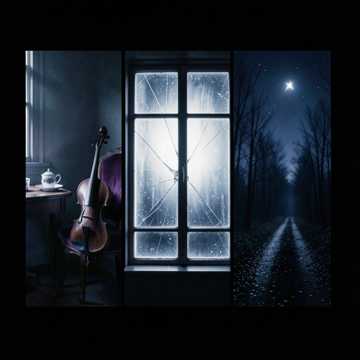
Ой
Темна, кінематографічна пісня про жінку, покинуту коханим. Крізь біль, самотню ніч і голос скрипки вона поступово знаходить внутрішню опору: любов не зникає, але вона більше не втрачає себе.
04:04
24 days ago
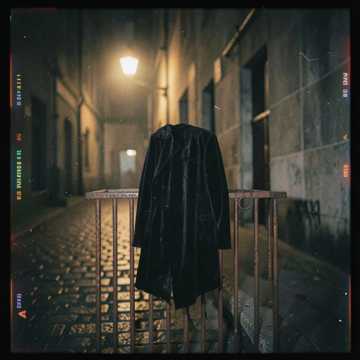
Вампирыы
Театральный вампир-аристократ гуляет ночной Одессой, ищет кровь, шутит с горожанами и признаётся городу своим. Мрачная романтика катакомб, моря и лунных улиц превращается в живое, ироничное кабаре с одесским характером.
04:00
24 days ago

Чашка кави
Інтимний міський романс про колишніх закоханих, які за чашкою кави повертаються до молодості, танців, бузку й тихої площі. Ностальгія тут не болить, а зігріває: минуле ненадовго сідає поруч із ними.
02:51
25 days ago

Імена у попілі
Темна й театральна пісня про спадок тих, кого сучасники не знали особисто, але несуть у пам'яті. Через образи попелу, снігу, пожовклої мапи та дороги вона перетворює історичний відгомін на особисте повернення.
03:21
25 days ago

Полька розколу
Пісня змальовує болісний розрив, у якому розчарування перетворюється на силу. Героїня залишає брехливого коханого під шалений танцювальний ритм, повертає собі голос і проголошує власну цінність. Готична атмосфера, театральна експресія та польковий рух створюють драматичний бал звільнення.
03:20
2026-09-24

Терпкий терен
'Терпкий терен' — це монументальна готична симфо-метал композиція з елементами клезмеру. Вона символізує непокірність, внутрішній жар та стійкість перед життєвими випробуваннями, де гіркий терпкий сік перетворюється на силу духу через потужне мецо-сопрано, скрипку та важкі рифи.
03:30
2026-09-22
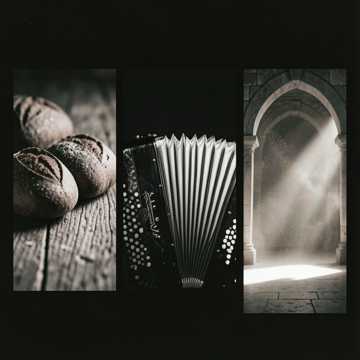
На своїй землі
Гімн незламності й самовизначення, у якому народ захищає свою землю, культуру та право обирати власний шлях. Танго-пульс, готичний метал, клезмерські барви, акордеон і струнні створюють драматичну, кінематографічну атмосферу спротиву, гордості та історичної пам’яті.
03:50
2026-09-18

Solo quedó un esqueleto todo lo demás se ha ido
Una melancólica composición con matices klezmer e indie pop que explora el dolor del arrepentimiento, la culpa y el duelo amoroso. A través de desgarradoras metáforas y arreglos orgánicos, contrasta la antigua luz del amor apasionado con la fría desolación de la soledad.
06:11
2026-09-17
Аромат за рогом
Пісня змальовує миттєвий, майже магічний потяг між двома людьми, який існує у поглядах, відстані та ароматі парфумів. Готичне танго переходить у масштабний симфонічний метал, підсилюючи контраст між інтимною стриманістю куплетів і вибуховою емоційністю приспіву.
03:42
2026-09-14

ashikut
Kanga rrëfen nji dashni të lëndueme prej lajmit të fejesës, por pa mëni. Narratori e ruen besnikërinë dhe shpresën, tue e kthye vuajtjen në ëmbëlsi poetike, nën tingujt e gjallë e të trishtuem të fizarmonikës shkodrane.
03:42
2026-09-12

ashikut
Një rrëfim dashnie i lënduem, por pa mëri: narratori mëson se e dashtuna është feju, megjithatë i mbetet besnik kujtimit të saj. Fizarmonika shkodrane dhe gjallnia klezmer i japin mallit një dritë festive e të trishtueshme.
03:25
2026-09-12

ashikut
Kënga rrëfen dashurinë e pashuar të një ashiku për vajzën e fejuar me tjetër. Përmes luleve, erës, pranverës dhe dhimbjes së ëmbël, ajo bashkon mallin, besnikërinë dhe shpresën se një ditë dashuria e tyre do të gjejë rrugën drejt bashkimit.
03:42
2026-09-12

rudina
Kanga përshkruen nji natë të heshtun ku Rudina shfaqet si simbol i bukurisë, dëshirës e fatit të rrallë. Mes dritës së hanës, brymës e vetmisë, melodia bashkon mallin shkodran me nji kor të fuqishëm e ritëm popullor.
02:33
2026-08-18
Introduction to Klezmer: The Heartbeat of Jewish Music
Klezmer is a musical tradition that originated among the Ashkenazi Jews of Eastern Europe, particularly in the regions that are now Poland, Ukraine, Lithuania, and Romania. The word 'Klezmer' itself is derived from the Hebrew words 'kley' (instrument) and 'zemer' (song), literally meaning 'musical instrument.' Historically, Klezmer was the music played at Jewish celebrations such as weddings and other community events. It was characterized by its expressive melodies, which often mimic the human voice, complete with laughter and weeping, and its unique blend of rhythms and scales. Klezmer music evolved over centuries, absorbing influences from the various cultures it encountered, including Romanian, Ukrainian, Greek, and Ottoman music. With the mass migration of Jews to the United States in the late 19th and early 20th centuries, Klezmer was introduced to a wider audience, leading to its resurgence in the late 20th century as musicians sought to revive and reinterpret traditional Jewish music.
Exploring Klezmer: Sub-tags and Classifications
Traditional Klezmer
Traditional Klezmer refers to the original style of Klezmer music as it was played in the shtetls (small Jewish towns) of Eastern Europe. This sub-tag focuses on the use of instruments such as the violin, clarinet, and tsimbl (a type of hammered dulcimer), with melodies that often follow modal scales like the Freygish and Misheberakh modes. Traditional Klezmer is deeply connected to Jewish religious and cultural practices and is often performed at weddings and other celebratory events.
Contemporary Klezmer
Contemporary Klezmer is a modern adaptation of the traditional form, incorporating elements from various musical genres such as jazz, rock, and classical music. Artists in this sub-tag often experiment with instrumentation, adding electric guitars, synthesizers, and drums to create a fusion sound. This sub-tag reflects the ongoing evolution of Klezmer as it interacts with other musical traditions in a globalized world.
Klezmer Fusion
Klezmer Fusion represents the most experimental and eclectic branch of the genre, blending Klezmer with diverse influences such as electronic music, hip-hop, and world music. This sub-tag is characterized by its innovative arrangements and cross-genre collaborations, creating a sound that is both rooted in tradition and forward-looking.
Icons of Klezmer: Famous Artists and Classic Works
Naftule Brandwein
Naftule Brandwein, often hailed as the 'King of Klezmer Clarinet,' was a pioneering figure in the early 20th century Klezmer scene. His virtuosic playing and flamboyant stage presence made him a legend in his time. Brandwein's recordings, such as 'Der Heyser Bulgar,' are considered classic examples of Klezmer music, showcasing his technical skill and deep emotional expression.
Der Heyser Bulgar
'Der Heyser Bulgar' is one of the most famous Klezmer tunes, often attributed to Naftule Brandwein. This lively dance piece exemplifies the traditional Klezmer style, with its infectious rhythm and intricate clarinet melodies. The work is a staple in the Klezmer repertoire, reflecting the joyous spirit of Eastern European Jewish celebrations.
David Krakauer
David Krakauer is a contemporary Klezmer clarinetist known for his innovative approach to the genre. He has pushed the boundaries of traditional Klezmer by incorporating elements of jazz, funk, and classical music into his performances. Krakauer's albums, such as 'The Twelve Tribes' and 'Klezmer Madness!,' have been critically acclaimed for their fusion of old and new, and he is regarded as one of the foremost ambassadors of Klezmer music today.
The Twelve Tribes
'The Twelve Tribes' by David Krakauer is a landmark album in contemporary Klezmer music. The album blends traditional Klezmer melodies with elements of jazz and classical music, creating a rich and diverse soundscape. Krakauer's clarinet playing on this album is both technically brilliant and deeply expressive, making it a significant contribution to the Klezmer genre.
The Klezmatics
The Klezmatics are a Grammy Award-winning band that has been at the forefront of the Klezmer revival movement since the 1980s. Known for their politically conscious lyrics and genre-blending sound, the Klezmatics have played a significant role in bringing Klezmer to a wider audience. Their albums, such as 'Wonder Wheel,' which features lyrics by Woody Guthrie, and 'Rise Up! Shteyt Oyf!,' are celebrated for their creativity and cultural relevance.
Wonder Wheel
'Wonder Wheel' is an album by The Klezmatics that features previously unpublished lyrics by American folk legend Woody Guthrie set to new music. The album is a fusion of Klezmer, folk, and Americana, showcasing the versatility of the genre and its ability to connect with broader cultural themes. The Klezmatics' innovative approach to these songs has earned them critical acclaim and a Grammy Award for Best Contemporary World Music Album.
Where Klezmer Shines: Application Scenarios
Klezmer music is often used in film soundtracks to evoke the atmosphere of Eastern European Jewish communities or to underscore emotional scenes. Notable examples include the use of Klezmer in films like 'Schindler's List' and 'Fiddler on the Roof,' where the music enhances the cultural and historical context of the story.
Film Soundtracks
Klezmer's lively and distinctive sound makes it an effective choice for advertising music, especially in campaigns that aim to convey a sense of tradition, celebration, or cultural richness. Its upbeat tempos and catchy melodies can capture the audience's attention and create a memorable brand association.
Advertising Music
Klezmer music is a popular choice for live performances at cultural festivals, weddings, and other celebrations. Its energetic and participatory nature makes it ideal for creating a festive atmosphere and engaging audiences. Bands like The Klezmatics and Golem often perform Klezmer music at events around the world, bringing this vibrant tradition to new audiences.
Live Performances