Free Maloya Music Generator Powered by AI
Turn text into high-quality Maloya music effortlessly – no login required!

music.toolTips
Mon ti péi
Enn mizik Lasanble Lasanble Lasanble Lasanble Lasanble Lasanble Lasanble Lasanble Lasanble Lasanble Lasanble Lasanble Lasanble Lasanble Lasanble Lasanble Lasanble Lasanble Lasanble Lasanble Lasanble Lasanble Lasanble Lasanble.
03:46
2026-08-09
Oh Kafrine !!!!
Une déclaration d'amour sensuelle et lumineuse adressée à Kafrine. Portée par une basse lourde, le maloya en6/8 et l'énergie d'un concert en stade, la chanson invite à danser, s'abandonner au désir et construire l'avenir à deux.
04:48
2026-08-09

Black Magic Heart
A haunted lover struggles against an intoxicating, controlling romance. Repetitive pleas and dark imagery meet heavy bass grooves, skanking guitar, maloya percussion, and warm live vocals, turning emotional captivity into a powerful roots-reggae stage anthem.
03:31
2026-08-09
loin de moi
Une ballade de voyage où un homme, seul sur la route, tente de combler la distance qui le sépare de l’être aimé. Entre reggae insulaire, maloya et accents orchestraux, la chanson transforme la solitude, le désir et l’espoir de retrouvailles en une épopée sentimentale.
03:20
2026-08-09

Hey baby
Une narratrice aime sans être certaine d'être aimée en retour. Entre souvenirs, espoir et désillusion, elle suit ce lien fragile sur une pulsation seggae-maloya, jusqu'à accepter que ce voyage sentimental reste beau, même sans lui.
04:46
2026-08-09
ZAMALIA
ZAMALIA transforme la musique et une feuille symbolique en refuges face à la violence urbaine. Porté par un flow conscient, des rythmes maloya et seggae, le narrateur choisit le calme, la vérité et la paix plutôt que la haine, dans une atmosphère live, planante et militante.
03:35
2026-08-09
ZAMALIA
ZAMALIA oppose le tumulte de la rue à une quête de paix intérieure. Entre créole réunionnais, reggae conscient et maloya, le narrateur transforme la douleur, les rêves brisés et la révolte en souffle, en musique et en refus de la haine.
05:20
2026-08-09

Caroline
Sur une piste encore brûlante à trois heures du matin, le narrateur observe Caroline et son pouvoir de séduction. Entre désir retenu, regards, parfum et tension croissante, le morceau mêle sensualité nocturne et groove reggae-maloya incandescent.
03:44
2026-08-09

ZAMALIA
ZAMALIA est une méditation roots sur la paix, la survie et la liberté intérieure. Entre béton, rêves brisés et violence urbaine, le narrateur trouve dans la musique, la nature et Zamalia un refuge lucide, apaisé et profondément réunionnais.
04:37
2026-08-09
Ensemble
Ensemble célèbre l’amitié, la confiance et la résilience à travers une musique collective et lumineuse. Malgré les doutes, les fausses notes et les détours, deux complices avancent en chantant, soutenus par un groove seggae-maloya chaleureux, festif et profondément humain.
04:15
2026-08-09
Ma Mélodie Sacrée
Portée par un reggae maloya vibrant, la chanson raconte l'attachement intime à une mélodie salvatrice. Dans le doute, la nuit et les tempêtes, elle devient un refuge spirituel, une force dansante et un phare qui ramène le narrateur vers la paix et l'espoir.
04:05
2026-08-09

Ma Mélodie Sacrée
Portée par un groove reggae-maloya, la chanson décrit la musique comme une force intime et sacrée. Face au doute, aux tempêtes et à la solitude, le narrateur trouve dans sa mélodie un refuge, une lumière et le courage de continuer à avancer.
03:55
2026-08-09
Bleu,Blanc, Rouge
Sur un groove roots reggae teinté de seggae et de maloya, la chanson dénonce la précarité, l'aliénation et les divisions. Elle rend hommage aux travailleurs et appelle la France à retrouver solidarité, lucidité, dignité et fraternité.
05:37
2026-08-09
Bleu,Blanc, Rouge
Cet hymne reggae fusion dénonce les injustices sociales, la précarité et les divisions, tout en rendant hommage aux travailleurs, aux soignants et aux citoyens. Porté par le maloya et le seggae, il appelle la France à se réveiller, se relever et s’unir.
07:53
2026-08-09
Bleu,Blanc, Rouge
Hymne citoyen aux couleurs de la France, le morceau dénonce les fractures sociales et l'aliénation tout en célébrant les travailleurs du quotidien. Porté par une énergie reggae-maloya, il appelle au réveil, à la dignité, au refus de la haine et à l'unité.
06:12
2026-08-09

Bleu,Blanc, Rouge
Un hymne populaire et engagé qui dénonce la précarité, la manipulation et les divisions, tout en rendant hommage aux travailleurs, aux soignants, aux agriculteurs et aux familles. Porté par le seggae et le maloya, le morceau appelle la France à se réveiller, se relever et s’unir.
05:35
2026-08-09
Bleu,Blanc, Rouge
Sur une fusion roots reggae et maloya, la chanson dénonce précarité, divisions et désillusion politique. Elle rend hommage aux travailleurs du quotidien et transforme la colère en appel rassembleur à la dignité, à l'unité et à l'espoir.
05:17
2026-08-09

Bleu,Blanc, Rouge
Sur un reggae roots aux couleurs de l'océan Indien, la chanson dénonce précarité, désillusion politique et divisions, puis rend hommage aux travailleurs. Son refrain fédérateur transforme la colère en appel pacifique à l'unité, à la justice et au réveil collectif.
05:22
2026-08-09
Bleu,Blanc, Rouge
Sur un reggae roots infusé de maloya, Bleu, Blanc, Rouge dénonce la précarité, l'aliénation et les divisions tout en honorant les travailleurs. Le refrain appelle à réveiller une France solidaire, lucide et unie, où les différences deviennent une force.
05:06
2026-08-09
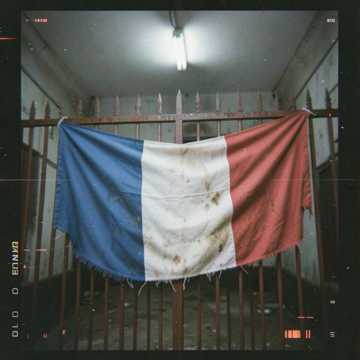
Bleu,Blanc, Rouge
Sur un reggae roots aux pulsations maloya, la chanson interroge les blessures sociales françaises, rend hommage aux travailleurs et appelle à une révolte lucide, solidaire et non haineuse. Le refrain transforme les couleurs du drapeau en cri d'espoir collectif.
04:40
2026-08-09
Introduction to Maloya: Definition and History of the Tag
Maloya is a traditional music genre originating from the island of Réunion in the Indian Ocean. Rooted in the history of enslaved Africans and Malagasy people brought to the island, Maloya serves as a powerful expression of resistance, spirituality, and identity. Initially banned due to its association with anti-colonial sentiments, Maloya evolved from a clandestine form of protest into a celebrated cultural heritage. It combines rhythms and chants with instruments like the kayamb, roulèr, and pikèr, embodying the multicultural influences that shape Réunion's unique musical landscape.
Sub-tags and Classifications within the Maloya Genre
Traditional Maloya
Traditional Maloya is the original form of this genre, deeply connected to the spiritual and ritualistic practices of the African and Malagasy descendants. This sub-tag is characterized by its minimalistic use of instruments, primarily percussions like the roulèr and kayamb, and vocal chanting that often involves call-and-response patterns.
Modern Maloya
Modern Maloya represents the evolution of the genre as it incorporates elements from other music styles such as jazz, reggae, and rock. This sub-tag is distinguished by the fusion of traditional rhythms with contemporary instruments like the electric guitar, bass, and synthesizers, making it more accessible to younger audiences while retaining its cultural roots.
Maloya Kabosé
Maloya Kabosé is a sub-tag that blends Maloya with the acoustic sounds of the kabosy, a type of box guitar. This style emphasizes melodic lines over the traditional rhythm-centric approach, creating a more harmonious and lyrical version of Maloya that appeals to a wider audience.
Maloya Electro
Maloya Electro is an innovative sub-tag that merges the traditional Maloya rhythms with electronic music. Pioneered by artists seeking to push the boundaries of the genre, this style incorporates digital beats, loops, and synths while maintaining the distinct percussion and vocal elements of Maloya, creating a futuristic yet rooted sound.
Famous Artists and Iconic Works in the Maloya Genre
Danyèl Waro
Danyèl Waro is a prominent figure in the Maloya scene, known for his efforts in reviving and popularizing the genre. His works like 'Batarsité' and 'Monmon Kolon' are celebrated for their authentic representation of traditional Maloya, combined with politically charged lyrics that address social and cultural issues in Réunion.
Batarsité by Danyèl Waro
This work is a quintessential example of traditional Maloya, featuring the raw and powerful sounds of the roulèr and kayamb. The album's lyrics delve into themes of identity, resistance, and cultural pride, making it a cornerstone in the preservation and propagation of Maloya as a voice for the marginalized.
Ticoca
Ticoca is a legendary Maloya artist whose contributions have been crucial in preserving the spiritual and ritualistic aspects of the genre. His music, deeply rooted in the traditional practices of Réunion, has been instrumental in passing down the cultural significance of Maloya to younger generations.
Mayé by Ziskakan
'Mayé' is a groundbreaking album that exemplifies the fusion of Maloya with other musical traditions. The album features intricate instrumental arrangements that blend traditional Maloya rhythms with Indian and Western elements, showcasing the versatility and adaptability of the genre.
Ziskakan
Ziskakan is a band that has significantly contributed to the fusion of Maloya with other music styles. Founded by Gilbert Pounia, the band is known for blending Maloya with Indian and Western musical influences, creating a unique sound that resonates both locally and internationally. Their album 'Mayé' is a notable example of this innovative approach.
Monmon Kolon by Danyèl Waro
'Monmon Kolon' is a politically charged work that highlights the colonial history of Réunion through powerful lyrics and traditional Maloya rhythms. The album is celebrated for its authenticity and its role in the cultural renaissance of Maloya, making it a vital piece in the genre's history.
Christine Salem
Christine Salem is one of the few female voices in Maloya, known for her deep, powerful voice and her modern interpretation of the genre. Her work 'Larg Pa Lo Kor' is particularly praised for its emotional depth and the way it blends traditional Maloya with contemporary issues and sounds.
Larg Pa Lo Kor by Christine Salem
'Larg Pa Lo Kor' is an emotionally resonant album that blends the deep-rooted traditions of Maloya with modern themes and sounds. Christine Salem's commanding voice, combined with the innovative use of traditional instruments, creates a hauntingly beautiful soundscape that pushes the boundaries of Maloya.
Application Scenarios for Maloya Music
Maloya's rich cultural and emotional depth makes it an excellent choice for movie soundtracks, particularly in films that explore themes of identity, resistance, and cultural heritage. Its rhythmic and vocal intensity can evoke strong emotions and enhance the narrative, as seen in documentaries about Réunion or stories centered on post-colonial themes.
Movie Soundtracks
The unique sound of Maloya can be effectively used in advertising to evoke a sense of authenticity and cultural richness. Its traditional beats and melodies can add a distinctive flavor to advertisements, particularly those promoting products related to cultural heritage, travel, or natural beauty.
Advertising Music
Maloya can be utilized in video games to create an immersive atmosphere, especially in games set in tropical or historical settings. The genre's rhythmic complexity and organic sounds can enhance the gaming experience by providing an authentic and culturally rich auditory backdrop.
Game Background Music
Maloya is often performed at cultural festivals both in Réunion and abroad, where it serves as a celebration of the island's unique heritage. Its use in these settings helps to educate and engage audiences with the cultural history of Réunion, making it an essential component of such events.
Cultural Festivals