Free Maloya Music Generator Powered by AI
Turn text into high-quality Maloya music effortlessly – no login required!

music.toolTips

Je t'aime, Je t'aime
Une déclaration d'amour obsessionnelle décrit une passion qui sauve et détruit à la fois. Entre douceur, douleur et abandon, le narrateur se laisse captiver par une relation devenue refuge, prison et vertige.
03:44
2026-08-20

Je t'aime, Je t'aime
Cette chanson explore un amour dévorant, à la fois refuge, blessure et prison. Sur un groove folk-reggae-maloya discret mais tendu, la voix masculine oscille entre murmure et explosion, tandis que les guitares, la contrebasse et les glissements de pedal steel amplifient la passion, la dépendance et la douleur.
03:36
2026-08-20

Je t'aime, Je t'aime
Cette chanson dépeint un amour total, contradictoire et destructeur. Entre désir, dépendance et dévotion, le narrateur transforme la personne aimée en lumière, torture et refuge. La répétition de Je t'aime renforce une confession fiévreuse qui mène à l'abandon émotionnel et à l'autodestruction.
03:44
2026-08-20

Je t'aime, Je t'aime
Cette chanson dépeint un amour absolu, à la fois refuge et prison. Le narrateur oscille entre grâce, désir, dépendance et douleur, porté par une interprétation murmurée puis explosive. L'atmosphère indie-folk-reggae-maloya renforce son urgence douce et sa sensualité tourmentée.
04:05
2026-08-20
Zamalia
Zamalia mêle rap mélodique, maloya, bachata et afrobeat pour raconter une quête de calme au cœur du chaos urbain. La plante devient symbole de liberté, de mémoire et de paix, tandis que les chœurs et les percussions amplifient une méditation spirituelle et résistante.
04:30
2026-08-20

Zamalia
Zamalia raconte la recherche d’un calme intérieur au milieu de la violence urbaine. Portée par une fusion bachata-maloya-afrobeat, la chanson associe rap mélodique, imagerie spirituelle et chœurs rassembleurs pour transformer les blessures, la liberté et la résistance en une célébration de la paix.
03:55
2026-08-20

Zamalia
Zamalia célèbre la recherche de paix au cœur du chaos urbain. Portée par un mélange de maloya, bachata, afrobeat et rap mélodique, la chanson transforme la douleur, la pression sociale et les flammes de la rue en liberté intérieure, spiritualité et espoir collectif.
04:05
2026-08-20

I love you
Dans un monde urbain marqué par la violence et la douleur, le narrateur trouve refuge dans Zamalia, symbole de paix, de liberté et de vérité. Entre maloya, bachata, afrobeat et rap mélodique, la chanson transforme les larmes en force et la tension en sérénité.
04:04
2026-08-20

Nnattaoko
Nnattaoko dia hira miresaka namana sandoka sy havana miseho ho akaiky, nefa feno fialonana. Na dia maratra aza ilay mpihira, tsy mamaly ratsy izy; avelany amin'ny fiainana sy ny fotoana ny fitsarana, sady mandroso amim-pahatoniana sy fahatokisana.
03:25
2026-08-16
Rise Up
Rise Up is a defiant protest anthem portraying oppressed communities confronting inequality, political deception, and environmental destruction. Driven by reggae, seggae, maloya, and Indian Ocean rhythms, the song transforms anger and suffering into collective resistance, dignity, awakening, and hope.
04:35
2026-08-16
Rise Up
Rise Up channels oppression, social inequality, environmental collapse, and political deception into a restrained yet explosive call for collective resistance. Through reggae-Maloya rhythms, dub atmosphere, and repeated revolutionary chants, the song transforms pain and silence into courage, solidarity, and action.
05:13
2026-08-16

vfdthrdbf
Gouff’ i rakont in landrwa sauvag kot la lav, la mèr ek lo van i gard bann zistoir doulèr. Dann in lambians maloya house techno, lo chant i koz lo vid, bann secrets, la souffrans ek bann traces ki rest dan l’air kan in moun i disparèt.
03:54
2026-08-16

Paname
'Paname' est une symphonie urbaine et chaleureuse célébrant Paris. À travers des rythmes envoûtants de Seggae et de Maloya, la chanson dépeint l'éveil poétique de la capitale, de la Tour Eiffel à la Seine, mariant la romance parisienne à la ferveur groove des percussions de l'océan Indien.
05:13
2026-08-09

Paname
Une ode sensuelle à Paris, où la Seine devient une amante et les quartiers défilent entre désir, tendresse et nuits dansantes. Le reggae maloya en6/8 mêle groove insulaire, jazz urbain et nostalgie lumineuse.
04:11
2026-08-09

Paname
Paname transforme Paris en amante vivante : la Seine, les quartiers, les quais et les nuits deviennent les contours d'une romance urbaine. Sur un groove reggae-maloya lent et chaleureux, le narrateur célèbre une ville sensuelle, imparfaite, lumineuse et profondément viscérale.
05:01
2026-08-09

SYSTEM DOG
A militant three-MC protest anthem that confronts institutional violence, social exclusion, and empty conformity. Over heavy bass and Indian Ocean reggae-maloya rhythms, SYSTEM DOG channels rage into collective resistance, survival, and uncompromising self-respect.
05:25
2026-08-09

Oh Kafrine !!!!
Une déclaration d'amour créole lumineuse et sensuelle. Porté par la basse, les percussions maloya et une invitation à danser, le narrateur célèbre sa Kafrine, l'intimité de la nuit et la force d'un amour qui défie le doute.
04:52
2026-08-09
Oh Kafrine !!!!
Une déclaration d'amour sensuelle et festive à Kafrine. Portée par la nuit, la danse et un désir de rester unis, la chanson mêle tendresse créole, énergie de scène et rythmes roots de l'océan Indien.
05:14
2026-08-09

Oh Kafrine !!!!
'Oh Kafrine !!!!' est une célébration d'amour passionnée bercée par le Seggae et le Maloya. Entre mélodies sensuelles, percussions réunionnaises et groove enivrant, le morceau captive par son énergie festive et romantique au cœur de l'océan Indien.
05:12
2026-08-09
Mon ti péi
In im Lasanble Lasanble Lasanble Lasanble pou Lasanble Lasanble: in groove seggae-maloya6/8, portè par in bass lour, lo kayamb é Lasanble kor, Lasanble in latmosfèr Lasanble Lasanble Lasanble Lasanble.
03:59
2026-08-09
Introduction to Maloya: Definition and History of the Tag
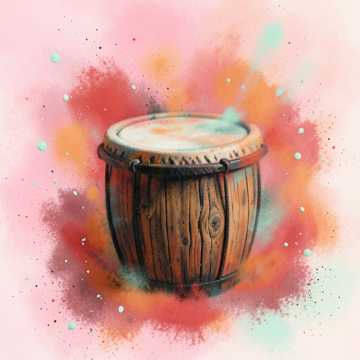
Maloya is a traditional music genre originating from the island of Réunion in the Indian Ocean. Rooted in the history of enslaved Africans and Malagasy people brought to the island, Maloya serves as a powerful expression of resistance, spirituality, and identity. Initially banned due to its association with anti-colonial sentiments, Maloya evolved from a clandestine form of protest into a celebrated cultural heritage. It combines rhythms and chants with instruments like the kayamb, roulèr, and pikèr, embodying the multicultural influences that shape Réunion's unique musical landscape.
Sub-tags and Classifications within the Maloya Genre
Traditional Maloya
Traditional Maloya is the original form of this genre, deeply connected to the spiritual and ritualistic practices of the African and Malagasy descendants. This sub-tag is characterized by its minimalistic use of instruments, primarily percussions like the roulèr and kayamb, and vocal chanting that often involves call-and-response patterns.
Modern Maloya
Modern Maloya represents the evolution of the genre as it incorporates elements from other music styles such as jazz, reggae, and rock. This sub-tag is distinguished by the fusion of traditional rhythms with contemporary instruments like the electric guitar, bass, and synthesizers, making it more accessible to younger audiences while retaining its cultural roots.
Maloya Kabosé
Maloya Kabosé is a sub-tag that blends Maloya with the acoustic sounds of the kabosy, a type of box guitar. This style emphasizes melodic lines over the traditional rhythm-centric approach, creating a more harmonious and lyrical version of Maloya that appeals to a wider audience.
Maloya Electro
Maloya Electro is an innovative sub-tag that merges the traditional Maloya rhythms with electronic music. Pioneered by artists seeking to push the boundaries of the genre, this style incorporates digital beats, loops, and synths while maintaining the distinct percussion and vocal elements of Maloya, creating a futuristic yet rooted sound.
Famous Artists and Iconic Works in the Maloya Genre
Danyèl Waro
Danyèl Waro is a prominent figure in the Maloya scene, known for his efforts in reviving and popularizing the genre. His works like 'Batarsité' and 'Monmon Kolon' are celebrated for their authentic representation of traditional Maloya, combined with politically charged lyrics that address social and cultural issues in Réunion.
Batarsité by Danyèl Waro
This work is a quintessential example of traditional Maloya, featuring the raw and powerful sounds of the roulèr and kayamb. The album's lyrics delve into themes of identity, resistance, and cultural pride, making it a cornerstone in the preservation and propagation of Maloya as a voice for the marginalized.
Ticoca
Ticoca is a legendary Maloya artist whose contributions have been crucial in preserving the spiritual and ritualistic aspects of the genre. His music, deeply rooted in the traditional practices of Réunion, has been instrumental in passing down the cultural significance of Maloya to younger generations.
Mayé by Ziskakan
'Mayé' is a groundbreaking album that exemplifies the fusion of Maloya with other musical traditions. The album features intricate instrumental arrangements that blend traditional Maloya rhythms with Indian and Western elements, showcasing the versatility and adaptability of the genre.
Ziskakan
Ziskakan is a band that has significantly contributed to the fusion of Maloya with other music styles. Founded by Gilbert Pounia, the band is known for blending Maloya with Indian and Western musical influences, creating a unique sound that resonates both locally and internationally. Their album 'Mayé' is a notable example of this innovative approach.
Monmon Kolon by Danyèl Waro
'Monmon Kolon' is a politically charged work that highlights the colonial history of Réunion through powerful lyrics and traditional Maloya rhythms. The album is celebrated for its authenticity and its role in the cultural renaissance of Maloya, making it a vital piece in the genre's history.
Christine Salem
Christine Salem is one of the few female voices in Maloya, known for her deep, powerful voice and her modern interpretation of the genre. Her work 'Larg Pa Lo Kor' is particularly praised for its emotional depth and the way it blends traditional Maloya with contemporary issues and sounds.
Larg Pa Lo Kor by Christine Salem
'Larg Pa Lo Kor' is an emotionally resonant album that blends the deep-rooted traditions of Maloya with modern themes and sounds. Christine Salem's commanding voice, combined with the innovative use of traditional instruments, creates a hauntingly beautiful soundscape that pushes the boundaries of Maloya.
Application Scenarios for Maloya Music
Maloya's rich cultural and emotional depth makes it an excellent choice for movie soundtracks, particularly in films that explore themes of identity, resistance, and cultural heritage. Its rhythmic and vocal intensity can evoke strong emotions and enhance the narrative, as seen in documentaries about Réunion or stories centered on post-colonial themes.
Movie Soundtracks
The unique sound of Maloya can be effectively used in advertising to evoke a sense of authenticity and cultural richness. Its traditional beats and melodies can add a distinctive flavor to advertisements, particularly those promoting products related to cultural heritage, travel, or natural beauty.
Advertising Music
Maloya can be utilized in video games to create an immersive atmosphere, especially in games set in tropical or historical settings. The genre's rhythmic complexity and organic sounds can enhance the gaming experience by providing an authentic and culturally rich auditory backdrop.
Game Background Music
Maloya is often performed at cultural festivals both in Réunion and abroad, where it serves as a celebration of the island's unique heritage. Its use in these settings helps to educate and engage audiences with the cultural history of Réunion, making it an essential component of such events.
Cultural Festivals