Free Maloya Music Generator Powered by AI
Turn text into high-quality Maloya music effortlessly – no login required!

music.toolTips
Ô mon île !
Cette chanson célèbre La Réunion comme une île-femme, terre de mémoire, de métissage et de partage. Entre volcan, marchés, cuisine créole, maloya et paysages flamboyants, elle transforme l’attachement au pays en hymne chaleureux à l’unité culturelle.
07:04
2026-09-11

Ô mon île !
Cette chanson célèbre La Réunion comme une femme, un jardin de mémoire et une terre métissée. Entre volcan, marchés, cuisine créole, maloya et souvenirs familiaux, elle unit les peuples dans un hymne lumineux, profondément affectueux et porté par l’identité insulaire.
06:50
2026-09-11

Ô mon île !
Un hymne chaleureux à La Réunion, où la mer, le volcan, les saveurs créoles et les traditions racontent une île métissée. Entre maloya, séga et gospel, la chanson célèbre la mémoire, l’unité et la richesse culturelle d’un peuple tourné vers la lumière.
06:52
2026-09-11

Ô mon île !
Cette ode à La Réunion célèbre ses paysages volcaniques, sa mémoire, ses traditions, sa cuisine et son peuple métissé. Entre maloya, séga, gospel et sonorités créoles, la chanson devient un hymne chaleureux à l’unité, à la transmission et à la beauté insulaire.
07:11
2026-09-11

Ô mon île !
Cette chanson célèbre La Réunion comme une île-monde, riche de paysages volcaniques, de traditions, de saveurs et de mémoires. Portée par le maloya, le séga, les percussions et les chœurs, elle transforme le métissage culturel en hymne collectif, chaleureux et profondément identitaire.
06:56
2026-09-11

Ô mon île !
Cet hymne célèbre La Réunion comme une île-femme, terre de volcans, de saveurs et de mémoire. Les voix, tambours et guitares racontent son métissage, ses traditions, ses paysages et l’unité d’un peuple, dans une fusion chaleureuse de maloya, séga et gospel.
06:51
2026-09-11
Ô mon île !
Un hymne chaleureux à La Réunion, où mer, volcan, cuisine, mémoire et métissage s’unissent dans une célébration collective portée par le maloya, le kayamb, les cordes symphoniques et une voix masculine profondément incarnée.
07:00
2026-09-11
Ô mon île !
Cette chanson célèbre La Réunion, son volcan, ses paysages, sa cuisine et son patrimoine métissé. Entre maloya, séga, gospel et orchestration symphonique, elle fait résonner la mémoire d’un peuple uni par les traditions, les saveurs, la fête et l’amour de son île.
06:52
2026-09-11
Ô mon île !
Cet hymne célèbre La Réunion comme une terre de métissage, de mémoire et de partage. Entre maloya, gospel et chants collectifs, l’île devient une femme majestueuse, portée par ses paysages, ses traditions, ses saveurs, son histoire et l’unité de son peuple.
07:02
2026-09-11

Ô mon île !
Un hommage festif et profondément enraciné à La Réunion, où la mer, le volcan, les traditions, les migrations et la cuisine deviennent les voix d’un peuple métissé. Le dialogue entre meneur et chœur transforme la mémoire insulaire en célébration collective.
06:40
2026-09-11

Hey Baby girl
A cheeky, high-energy dancehall anthem where a confident man rejects financial demands while offering time, passion, and genuine connection. Built on wine-up chants, Jamaican patois, maloya percussion, and playful call-and-response, the song turns romance, nightlife, and financial boundaries into an infectious party statement.
06:28
2026-09-08

Hey Baby girl
A humorous, sensual dancehall celebration of emotional connection over material wealth. Driven by wine-up commands, call-and-response chants, patois flavor, and a relaxed maloya pulse, the song turns the refusal to fund luxury shopping into a confident, flirtatious party anthem about love, rhythm, and shared desire.
06:45
2026-09-08

Hey Baby girl
'Hey Baby Girl' is a vibrant Dancehall-Maloya fusion track about seeking genuine romantic connection over material wealth. Blending rhythmic 88 BPM grooves, witty commentary on social media dynamics, and playful call-and-response vocals, the song proves that true passion and love transcend money, cards, and luxury brands.
06:33
2026-09-08

Hey Baby girl
Sur un dancehall inspiré des années2000, un homme séduit une baby girl en refusant de devenir son portefeuille. Entre humour, sensualité, appels de foule, guitare et touches de maloya, le morceau célèbre une connexion fondée sur le rythme, le désir et l’affection plutôt que sur l’argent.
05:08
2026-09-08

Hey Baby girl
A playful, sensual dancehall anthem where a confident narrator rejects material demands and celebrates connection, dancing, and desire. Jamaican Patois, crowd chants, guitar, and maloya-inspired rhythms create a festive early-2000s atmosphere built for parties, nightlife, and energetic sing-alongs.
07:05
2026-09-08
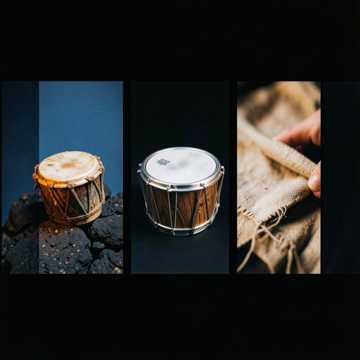
Pli for k’in rèv,
Une déclaration d’amour à distance où chaque minute rapproche deux cœurs séparés. Entre manque, espoir et désir de vivre enfin les jours ordinaires ensemble, le narrateur transforme l’attente en force, porté par un maloya réunionnais profondément humain.
04:15
2026-08-30
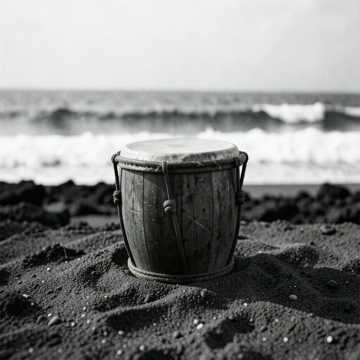
La Réunion
Un hymne insulaire et rassembleur où le maloya, le séga et les voix en chœur célèbrent La Réunion, ses ancêtres, sa famille, son métissage et une culture vivante qui avance entre mémoire, transmission et avenir.
04:16
2026-08-26

La Réunion
Porté par une voix masculine, le morceau célèbre La Réunion, sa mémoire, ses familles, son créole et son métissage. Le maloya et le seggae unissent roulèr, chœurs et appels dansants pour faire dialoguer traditions, fierté insulaire et avenir partagé.
03:15
2026-08-26

La Réunion
In chant d’amour pou La Réunion, son patrimoine ek son peuple. Entre maloya, séga ek seggae, la chanson i célèbre la famille, la mémoire, la foi, le métissage ek l’unité dann in énergie festive.
04:08
2026-08-26

La Réunion
Un hymne insulaire et rassembleur qui célèbre La Réunion, ses racines, sa mémoire, sa famille et son métissage. Porté par le maloya, le séga et le seggae, le morceau transforme le roulèr, les chœurs et la danse en déclaration d’identité, de transmission et d’espoir.
04:09
2026-08-26
Introduction to Maloya: Definition and History of the Tag
Maloya is a traditional music genre originating from the island of Réunion in the Indian Ocean. Rooted in the history of enslaved Africans and Malagasy people brought to the island, Maloya serves as a powerful expression of resistance, spirituality, and identity. Initially banned due to its association with anti-colonial sentiments, Maloya evolved from a clandestine form of protest into a celebrated cultural heritage. It combines rhythms and chants with instruments like the kayamb, roulèr, and pikèr, embodying the multicultural influences that shape Réunion's unique musical landscape.
Sub-tags and Classifications within the Maloya Genre
Traditional Maloya
Traditional Maloya is the original form of this genre, deeply connected to the spiritual and ritualistic practices of the African and Malagasy descendants. This sub-tag is characterized by its minimalistic use of instruments, primarily percussions like the roulèr and kayamb, and vocal chanting that often involves call-and-response patterns.
Modern Maloya
Modern Maloya represents the evolution of the genre as it incorporates elements from other music styles such as jazz, reggae, and rock. This sub-tag is distinguished by the fusion of traditional rhythms with contemporary instruments like the electric guitar, bass, and synthesizers, making it more accessible to younger audiences while retaining its cultural roots.
Maloya Kabosé
Maloya Kabosé is a sub-tag that blends Maloya with the acoustic sounds of the kabosy, a type of box guitar. This style emphasizes melodic lines over the traditional rhythm-centric approach, creating a more harmonious and lyrical version of Maloya that appeals to a wider audience.
Maloya Electro
Maloya Electro is an innovative sub-tag that merges the traditional Maloya rhythms with electronic music. Pioneered by artists seeking to push the boundaries of the genre, this style incorporates digital beats, loops, and synths while maintaining the distinct percussion and vocal elements of Maloya, creating a futuristic yet rooted sound.
Famous Artists and Iconic Works in the Maloya Genre
Danyèl Waro
Danyèl Waro is a prominent figure in the Maloya scene, known for his efforts in reviving and popularizing the genre. His works like 'Batarsité' and 'Monmon Kolon' are celebrated for their authentic representation of traditional Maloya, combined with politically charged lyrics that address social and cultural issues in Réunion.
Batarsité by Danyèl Waro
This work is a quintessential example of traditional Maloya, featuring the raw and powerful sounds of the roulèr and kayamb. The album's lyrics delve into themes of identity, resistance, and cultural pride, making it a cornerstone in the preservation and propagation of Maloya as a voice for the marginalized.
Ticoca
Ticoca is a legendary Maloya artist whose contributions have been crucial in preserving the spiritual and ritualistic aspects of the genre. His music, deeply rooted in the traditional practices of Réunion, has been instrumental in passing down the cultural significance of Maloya to younger generations.
Mayé by Ziskakan
'Mayé' is a groundbreaking album that exemplifies the fusion of Maloya with other musical traditions. The album features intricate instrumental arrangements that blend traditional Maloya rhythms with Indian and Western elements, showcasing the versatility and adaptability of the genre.
Ziskakan
Ziskakan is a band that has significantly contributed to the fusion of Maloya with other music styles. Founded by Gilbert Pounia, the band is known for blending Maloya with Indian and Western musical influences, creating a unique sound that resonates both locally and internationally. Their album 'Mayé' is a notable example of this innovative approach.
Monmon Kolon by Danyèl Waro
'Monmon Kolon' is a politically charged work that highlights the colonial history of Réunion through powerful lyrics and traditional Maloya rhythms. The album is celebrated for its authenticity and its role in the cultural renaissance of Maloya, making it a vital piece in the genre's history.
Christine Salem
Christine Salem is one of the few female voices in Maloya, known for her deep, powerful voice and her modern interpretation of the genre. Her work 'Larg Pa Lo Kor' is particularly praised for its emotional depth and the way it blends traditional Maloya with contemporary issues and sounds.
Larg Pa Lo Kor by Christine Salem
'Larg Pa Lo Kor' is an emotionally resonant album that blends the deep-rooted traditions of Maloya with modern themes and sounds. Christine Salem's commanding voice, combined with the innovative use of traditional instruments, creates a hauntingly beautiful soundscape that pushes the boundaries of Maloya.
Application Scenarios for Maloya Music
Maloya's rich cultural and emotional depth makes it an excellent choice for movie soundtracks, particularly in films that explore themes of identity, resistance, and cultural heritage. Its rhythmic and vocal intensity can evoke strong emotions and enhance the narrative, as seen in documentaries about Réunion or stories centered on post-colonial themes.
Movie Soundtracks
The unique sound of Maloya can be effectively used in advertising to evoke a sense of authenticity and cultural richness. Its traditional beats and melodies can add a distinctive flavor to advertisements, particularly those promoting products related to cultural heritage, travel, or natural beauty.
Advertising Music
Maloya can be utilized in video games to create an immersive atmosphere, especially in games set in tropical or historical settings. The genre's rhythmic complexity and organic sounds can enhance the gaming experience by providing an authentic and culturally rich auditory backdrop.
Game Background Music
Maloya is often performed at cultural festivals both in Réunion and abroad, where it serves as a celebration of the island's unique heritage. Its use in these settings helps to educate and engage audiences with the cultural history of Réunion, making it an essential component of such events.
Cultural Festivals