Free Mandarin Music Generator Powered by AI
Turn text into high-quality Mandarin music effortlessly – no login required!

music.toolTips
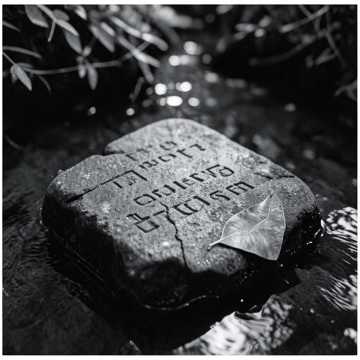
未寫完的那一頁
《未寫完的那一頁》融合華語國風流行與古文明氛圍,以揚琴、古箏與現代鋼琴交織,娓娓道出穿越千年的宿命之愛,在時空交錯中許下餘生的誓言。
03:02
3 days ago

刻在神庙
歌曲借荒漠神庙寄托失去后的思念,从固守誓言与回忆,走向允许名字留在心里、自己继续前行的告别。
03:04
3 days ago

回到那座城
《回到那座城》是一首融合流行说唱与管弦乐的史诗情歌。借由两河流域与楔形文字的意象,在真假音交织中,倾诉跨越千年的宿命之爱。
03:22
3 days ago

掌心裡餘溫
《掌心裡餘溫》是一首極具親密感與治癒力的原聲流行抒情曲,以溫暖吉他與鋼琴描繪與遺憾和解、平靜告別過去的心靈之旅。
03:38
3 days ago

交握過的餘溫
歌曲描寫兩個人在車站告別後,將交握留下的溫度化為前行勇氣。即使各自踏上未知旅程,曾經並肩的情誼仍會照亮彼此,期盼重逢時都已成為更好的自己。
03:20
3 days ago

這樣就很好
本曲以輕快獨立流行搖滾風格,描繪與貓咪、冰咖啡共度悠閒午後的平凡幸福,傳遞知足常樂的生活態度。
02:50
3 days ago

青春輕輕交給我們的信
歌曲以畢業離別為核心,透過空課桌、粉筆灰、舊照片與午後陽光,描繪青春告別時的不捨與平靜,傳達即使走向不同遠方,彼此記憶仍會被歲月溫柔保存。
03:01
3 days ago

末班車停在清晨以前
歌曲以末班車為人生轉場的隱喻,在清晨前的城市裡告別執念。主角不再將離開視為失去,而是在溫柔的自我和解中,帶著平靜走向未知卻明亮的下一程。
03:02
3 days ago

雨停了
歌曲描寫一段始於校園雨季的青春愛情,兩人在最好的年歲相遇,最終因歲月走向不同遠方。雨停之後,留下的不是遺憾,而是安靜收藏的回憶與真誠祝福。
03:35
3 days ago

各自奔向遠方
歌曲描寫兩位年輕人在天橋道別,各自走向未知未來。它不渲染失落,而以克制而溫暖的口吻,珍藏並肩同行的記憶,祝福彼此勇敢奔赴遠方。
03:12
3 days ago

分岔路口相視一笑
歌曲描寫畢業時與摯友告別的溫柔瞬間,將不捨化為祝福。即使人生走向不同方向,並肩走過的青春仍會留在心中,成為多年後重逢時最熟悉的笑容。
02:52
3 days ago

天亮了
歌曲以破曉象徵療癒與重生,描寫主角穿越孤單、眼淚與寒冬後,終於帶著更堅定的自己迎向光明。
04:33
3 days ago

那片水色
歌曲以雨後校園的水色為記憶意象,描寫朋友並肩走過學生時代的單純陪伴。溫柔女聲、木吉他與鋼琴營造清澈氛圍,在淡淡惆悵中留下對青春友情的珍惜與祝福。
02:34
3 days ago

那封信
歌曲以重拾童年鐵盒與未寄出的信為核心,描寫兩個人回望青春夢想,在歲月改變外表與步伐後,仍珍惜彼此心中沒有搬走的相信。
03:10
3 days ago

教室后门的风
歌曲以教室后门吹来的风为线索,记录两位同学在最后一节课间分享节目、饼干与玩笑的平常瞬间。多年后回望,那些没有仪式感的相处,成为最清晰温柔的青春回答。
03:03
3 days ago

只愿你幸福
歌曲以雨伞、微光与远方为意象,讲述一段克制而无私的爱:即使最终无法同行,也愿默默守护对方一程,在成全与祝福中获得圆满。
03:27
3 days ago

天橋的另一端
歌曲以天橋、單車與校服風聲串起青春回憶,描寫摯友在分岔路口告別時的不捨與勇敢。旋律由親密的木吉他與鋼琴展開,逐步推向帶有合唱感的副歌,留下溫暖而微酸的餘韻。
03:18
3 days ago

等清晨落在肩上
歌曲描寫一個人在告別之後,收好舊照片與未完的話,慢慢整理心中的結。它不催促人立刻堅強,而是相信時間與晨光終會帶來安靜、理解,以及繼續走下去的力量。
03:02
3 days ago

操場的最後一圈
歌曲以畢業前的操場最後一圈為主線,回望朋友相伴訓練、跌倒扶持與共享汗水的日常。它不強求永遠同行,而是把青春裡的勇氣與祝福,留給即將各自遠行的人。
03:42
3 days ago

那一下碰到你的手
歌曲以雨後午後的單車同行為背景,捕捉戀愛初始那次不經意的手部碰觸。主角在風、草香與夕陽中悄悄心動,最終鼓起勇氣牽住對方,讓未完情書成為夏日戀曲。
03:21
3 days ago
Introduction to Mandarin Music
Mandarin music, often referred to as Chinese pop music (C-pop), is a genre that originated in the Mandarin-speaking regions of China, Taiwan, and Singapore. It encompasses a wide range of musical styles, including pop, rock, folk, and hip-hop, all sung in Mandarin Chinese. The genre began to take shape in the early 20th century, influenced by Western music trends and evolving into a distinct category in the 1980s and 1990s. With the rise of global interest in East Asian culture, Mandarin music has grown in popularity, spreading its influence across the world.
Sub-tags and Classifications of Mandarin Music
Mandopop
Mandopop is the most popular sub-genre of Mandarin music, characterized by its catchy melodies and lyrics that often focus on love and personal experiences. It emerged in Taiwan in the 1970s and became mainstream in the 1980s. Artists like Teresa Teng and Jay Chou have significantly contributed to its development.
Mandarin Rock
Mandarin Rock combines traditional rock elements with Mandarin lyrics. It gained popularity in the 1990s, with bands like Beyond and artists such as Cui Jian, who is often referred to as the 'father of Chinese rock,' leading the movement.
Mandarin Folk
Mandarin Folk music is rooted in Chinese folk traditions, often incorporating acoustic instruments and storytelling lyrics. This genre has seen a resurgence in recent years, with artists like Li Jian and Zhao Lei bringing folk sounds to a modern audience.
Mandarin Hip-hop
Mandarin Hip-hop blends traditional Chinese cultural elements with modern rap and hip-hop beats. This sub-genre emerged in the 2000s and has grown rapidly, with artists like MC HotDog and VAVA becoming influential figures in the scene.
Famous Artists and Works in Mandarin Music
Teresa Teng
Teresa Teng was a legendary Mandopop singer whose soft and melodic voice captivated audiences across Asia. Her songs like 'The Moon Represents My Heart' and 'Sweet Honey' remain classics in Mandarin music, blending traditional Chinese elements with Western pop influences.
The Moon Represents My Heart
This classic Mandopop song by Teresa Teng is a beautiful blend of traditional Chinese melodies with modern pop sensibilities. Its simple yet profound lyrics have made it a timeless love ballad, widely covered by artists across different languages.
Jay Chou
Jay Chou is a pioneering figure in modern Mandopop, known for his ability to fuse classical Chinese music with hip-hop, R&B, and pop. His albums such as 'Fantasy' and 'Common Jasmine Orange' are considered milestones in the genre, influencing a generation of artists.
Nothing to My Name
Cui Jian's 'Nothing to My Name' is a cornerstone of Mandarin Rock music. The song's rebellious spirit and raw emotion captured the frustrations of a generation, making it a significant cultural and political statement in Chinese history.
Cui Jian
Cui Jian is a trailblazer in Mandarin Rock music, often referred to as the 'father of Chinese rock.' His iconic song 'Nothing to My Name' became an anthem during the 1989 Tiananmen Square protests and marked a turning point for rock music in China.
Common Jasmine Orange
Jay Chou's 'Common Jasmine Orange' is an innovative Mandopop track that combines traditional Chinese instruments with contemporary pop and R&B elements. The song's poetic lyrics and intricate composition have solidified its place as a modern classic.
VAVA
VAVA is a leading figure in Mandarin Hip-hop, known for her powerful lyrics and strong stage presence. She gained fame through the show 'The Rap of China' and has since released hits like 'My New Swag,' which showcases her ability to blend hip-hop with traditional Chinese sounds.
My New Swag
VAVA's 'My New Swag' is a groundbreaking Mandarin Hip-hop track that blends rap with traditional Chinese musical motifs. The song's energetic beats and confident lyrics have made it a defining work in the rise of Mandarin Hip-hop.
Application Scenarios of Mandarin Music
Mandarin music is widely used in movie soundtracks, particularly in Chinese cinema. The emotional depth and cultural resonance of Mandopop ballads, for example, make them ideal for conveying the mood in romantic or dramatic scenes.
Movie Soundtracks
With its broad appeal, Mandarin music is often chosen for advertising campaigns targeting Chinese-speaking audiences. Upbeat Mandopop tracks or traditional-inspired tunes are frequently used to enhance brand messaging and create cultural connections.
Advertising Music
Mandarin music, especially instrumental tracks or songs with epic themes, is increasingly being used as background music in video games. These tracks help set the atmosphere and immerse players in the game's narrative, particularly in games centered around Chinese culture.
Game Background Music
Mandarin music is a staple at cultural events and festivals, both within Chinese-speaking communities and globally. Traditional and contemporary Mandarin songs are performed at events such as the Lunar New Year, creating a vibrant and culturally rich atmosphere.
Cultural Events and Festivals