Free Medieval Music Generator Powered by AI
Turn text into high-quality Medieval music effortlessly – no login required!

music.toolTips
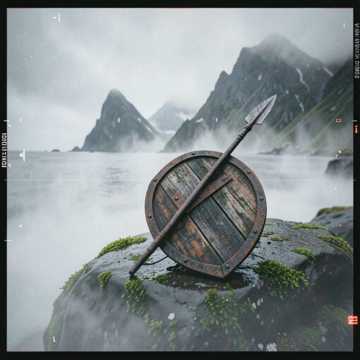
The way of the viking
A fierce Viking war anthem that follows warriors answering Odin's call. Through freezing mist, clashing steel, thunderous drums, and Valkyries overhead, they defend their sacred homeland with unbroken resolve, embracing death and glory in Valhalla.
03:13
1 days ago
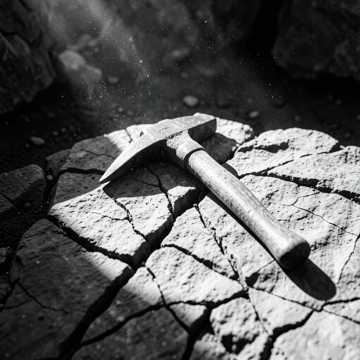
Vic
Chant épique consacré à Vic, mineuse inflexible d’Orvictia. Portant ses morts, ses frères et les fondations du fort, elle affronte l’effondrement avec sa pioche Larme-du-Gouffre, transformant la souffrance en force et la pierre en mémoire.
03:29
1 days ago
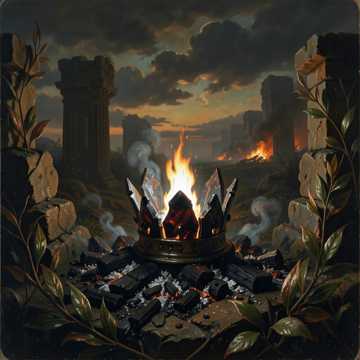
THE LAST EMBER CROWN
A fallen world rises through fire and ruin as defiant survivors reclaim courage, honor, and hope. Guided by ancient memories and an ember that refuses to die, they transform suffering into legend and darkness into the promise of a first dawn.
05:51
1 days ago
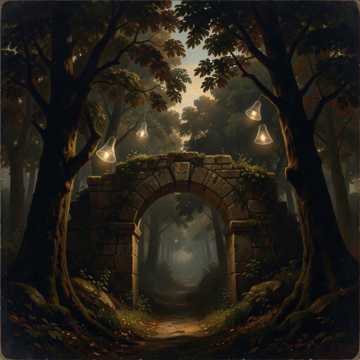
Mossgate March
A restrained fantasy march unfolds through hollow bell echoes, low oboe, bassoon, muted horn, and plucked strings. Its descending four-note motif creates a curious, slightly eerie sense of travel through an ancient, mist-covered gate.
02:50
1 days ago
Moonwell Market
A buoyant instrumental fantasy piece that captures the cheerful rhythm of a magical village market. Curious harpsichord motifs, bell accents, pizzicato strings, bassoon, and mellow brass create a warm, nostalgic early-2000s MMORPG atmosphere.
01:53
1 days ago
Harvest Gateways
A light, nostalgic instrumental that captures the welcoming atmosphere of a medieval fantasy town. Celesta, electric piano, harpsichord details, and bell-like counterlines drift through a gentle6/8 rhythm, balancing MIDI sparkle with soft vinyl warmth.
01:22
Invalid date
Green Meadow Login
A sweet, peaceful MMORPG town theme that evokes logging into a familiar fantasy world. Bright celesta and harpsichord figures unfold over soft guitar, acoustic bass, bells, and hand percussion, building into a gently uplifting meadow loop.
02:01
Invalid date
Rivergate Run
A breathless medieval-fantasy chase unfolds from a lone lute and low rushing strings into galloping percussion, fife melodies, and swelling choral atmosphere. A rain-textured pause heightens the tension before a final, urgent escape through Rivergate.
02:40
Invalid date
Corona Noctis
Hymnus martialis narrat gentem Noxvar, quae sub Valeria et Lyra per sanguinem, ruinas atque noctem pugnat. Chorus coronae tenebrarum voluntatem invictam et gloriam doloris celebrat.
04:33
1 days ago
Regina Noctis
Carmen de gente Noxvar, quae sub Regina Noctis post annos clamoris contra Nightbringers pugnat. Valeria et Lyra milites ducunt, dum chorus gravis unitatem, iram et victoriam per noctem celebrat.
04:43
1 days ago
Corona Noctis
Carmen de Noxvar, Valeria et Lyra narrat decem annos belli sub corona nocturna. Chorus militaris, organum et cellum dolorem, iusiurandum, ruinam et inexorabilem ascensum ad thronum in tenebris exprimunt.
04:40
1 days ago

Yule Tankard Waltz
A lively medieval holiday instrumental that turns a traditional beerhall dance into a sparkling6/8 tavern waltz. Zither, hand drum, flute, brass, bells, stomping claps, and oompah tuba create a communal, cheerful winter revel.
03:34
1 days ago
Imperial Glory 30
A majestic medieval orchestral theme built around prominent choir, harmonized male vocals, imperial brass, and soaring French horns. Its ceremonial power evokes a sovereign empire at its height, balancing noble grandeur with the scale of a decisive historical victory.
04:50
1 days ago
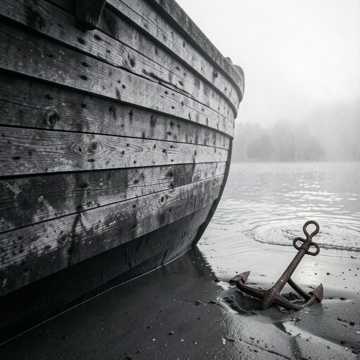
After War Dawn
An instrumental Nordic cinematic folk piece that begins in solitary aftermath and gradually opens into renewal. Modal drones, grounded drums, Viking flute, bowed strings, choir textures, and orchestral horns create an ancient, uplifting dawn after conflict.
03:49
1 days ago
Guldkongens Svar
En fortæller søger svar fra den utilnærmelige guldkonge og beder om blot ét møde. Mellem kroens støj, natlig tvivl og trofast håb vokser sangen fra intim fortælling til en dramatisk, fællessyngende bøn om et tegn.
03:38
2 days ago

Guldkongens Svar
En ensom fortæller søger desperat kontakt med den gådefulde Guldkonge. Mens salen er varm og fællesskabet lever, vokser mørket udenfor. Erotiske? Nej, sangen kredser om venten, afvisning og håbet om, at én åben port kan skabe forsoning.
03:05
2 days ago
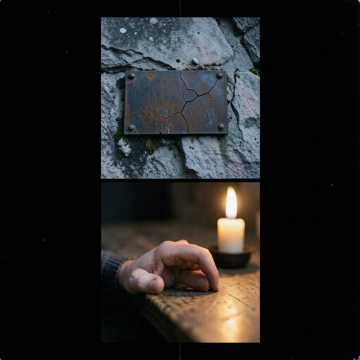
The Forsaken
A celebrated warrior abandons his kingdom and reputation to reach his dying beloved. Condemned as a traitor, he discovers that love, not conquest or history, is his only lasting victory.
06:07
Invalid date
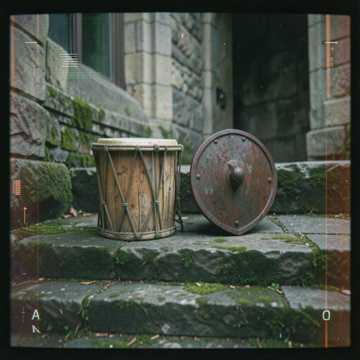
Faruna
Cantus epicus bellatores medii aevi ad pugnam finalem convocat. Faruna, quasi comes et vox spei, inter tympana, tibias et choros pacem atque iustitiam promittit, dum sacrificium, amor et victoria in unum coniunguntur.
03:54
2 days ago
Instu
A cinematic instrumental voyage across Roman, Middle Eastern, medieval, and jazz eras. Brass, folk instruments, percussion, and big-band colors build distinct historical scenes before converging in a triumphant orchestral fusion.
03:46
2 days ago
Instu
A bold instrumental suite that travels through Ancient Rome, Middle Eastern traditions, the Medieval Age, and the Jazz Age. Brass, folk instruments, percussion, and big-band colors converge in a triumphant cinematic finale.
04:57
2 days ago
Introduction to Medieval Music
Medieval music refers to the music of the Middle Ages, a period that spans from roughly the 5th to the 15th century. This genre of music emerged from the remnants of the Roman Empire and developed into a distinctive form that reflected the social, religious, and cultural transformations of Europe during that time. Medieval music can be broadly divided into two categories: sacred and secular. Sacred music was primarily connected to the church, including Gregorian chant and liturgical pieces, while secular music encompassed folk songs, ballads, and troubadour melodies. The development of notation systems, such as neumes, allowed for the preservation and dissemination of Medieval compositions, setting the foundation for Western music traditions.
Sub-tags and Classifications of Medieval Music
Gregorian Chant
Named after Pope Gregory I, Gregorian Chant is a form of plainchant used in the liturgical services of the Catholic Church. It is characterized by monophonic, unaccompanied vocal music with free-flowing, modal melodies. The chant's rhythm is non-metrical, designed to follow the natural inflections of the Latin text, enhancing the spiritual and meditative aspects of worship.
Troubadour Music
Troubadour music refers to the secular songs composed and performed by poet-musicians in the courts of Southern France, Northern Spain, and Italy during the 12th and 13th centuries. These songs often focused on themes of chivalry and courtly love, characterized by lyrical poetry and melodies. Troubadours played a significant role in shaping the tradition of lyrical composition and storytelling in Western music.
Organum
Organum represents one of the earliest forms of polyphony, where a plainchant melody is accompanied by one or more additional voice parts. Emerging in the 9th century, organum evolved from parallel movement to more complex forms, such as free and melismatic organum. This development marked a significant step towards the intricate polyphonic compositions of the later Medieval period.
Ars Nova
The Ars Nova ('New Art') movement of the 14th century introduced innovations in rhythmic notation, allowing for greater complexity and variation in musical compositions. This era saw the rise of isorhythmic motets and the use of syncopation, which laid the groundwork for the transition from Medieval to Renaissance music. Composers like Philippe de Vitry and Guillaume de Machaut were pioneers of this style, pushing the boundaries of musical form and expression.
Famous Artists and Classic Works in Medieval Music
Hildegard von Bingen
Hildegard von Bingen was a German Benedictine abbess, writer, and composer of the 12th century. She is renowned for her contributions to sacred music, particularly her collection of compositions known as 'Symphonia armoniae celestium revelationum.' Hildegard's works are characterized by soaring melodies and vivid texts, which often drew upon her mystical visions, blending religious devotion with musical innovation.
Messe de Nostre Dame by Guillaume de Machaut
This iconic work is one of the first known polyphonic settings of the complete Mass Ordinary. Composed in the mid-14th century, 'Messe de Nostre Dame' showcases Machaut's mastery of polyphony and rhythmic sophistication. The composition includes movements like the Kyrie and Gloria, characterized by their complex interweaving of vocal lines and innovative use of isorhythmic techniques, which were revolutionary for their time.
Guillaume de Machaut
A leading figure of the Ars Nova movement, Guillaume de Machaut was a French poet and composer of the 14th century. His most famous work, 'Messe de Nostre Dame,' is the earliest known complete setting of the Ordinary of the Mass by a single composer. Machaut's use of intricate polyphony and rhythmic complexity in both sacred and secular music significantly influenced the transition to Renaissance music.
Carmina Burana
Although not strictly a single work but a collection of 13th-century poems set to music, 'Carmina Burana' provides insight into the secular music of the Medieval period. These pieces, written by Goliards—students and clerics—cover topics ranging from satire to love. The vibrant melodies and rhythmic patterns in 'Carmina Burana' highlight the lively and sometimes irreverent spirit of Medieval secular music.
Perotin
Perotin was a prominent composer of the Notre Dame School of polyphony in the late 12th and early 13th centuries. He is known for his development of organum, particularly the composition of multi-voice pieces such as 'Viderunt omnes.' Perotin's works exemplify the early stages of polyphonic music, characterized by their harmonic complexity and structural clarity.
Viderunt omnes by Perotin
A seminal example of early polyphonic music, 'Viderunt omnes' by Perotin is a four-voice organum composed for the Feast of the Circumcision. This work demonstrates the complexity of Notre Dame polyphony, with its layered vocal lines and dynamic interplay of melodic motifs. Perotin's composition illustrates the evolution of Medieval music from monophonic chant to richly textured polyphonic structures.
Application Scenarios for Medieval Music
Medieval music is frequently used in historical and fantasy films to create an authentic atmosphere that transports audiences to the Middle Ages. Films like 'The Name of the Rose' and 'Kingdom of Heaven' utilize Gregorian chants and medieval instrumentals to enhance the storytelling, providing a sense of time and place that aligns with the narrative.
Movie Soundtracks
Many video games set in medieval or fantasy worlds, such as 'The Elder Scrolls' series or 'Assassin's Creed,' incorporate Medieval music into their soundtracks. This genre helps to immerse players in the game environment, evoking the sounds of ancient castles, bustling medieval markets, and epic battles, thus enriching the overall gaming experience.
Video Game Background Music
Medieval music plays a crucial role in themed events such as Renaissance fairs, historical reenactments, and medieval banquets. Performers use traditional instruments like the lute, harp, and hurdy-gurdy to recreate the soundscapes of the Middle Ages, providing an authentic auditory backdrop that enhances the atmosphere and educational value of these events.
Themed Events and Reenactments
The calming and spiritual nature of Gregorian chant and other forms of sacred Medieval music makes it suitable for use in therapeutic and meditation settings. These compositions, with their repetitive structures and soothing harmonies, are often employed to promote relaxation, reduce stress, and aid in mindfulness practices.
Therapeutic and Meditation Settings