Free Modern Era Music Generator Powered by AI
Turn text into high-quality Modern Era music effortlessly – no login required!

music.toolTips

rivers
Rivers moves from misty introspection to triumphant release. Its intimate verses and hypnotic groove gradually intensify through rising synths, driving percussion, and monumental bells, culminating in a stadium-sized chorus about awakening, freedom, resilience, and shared victory.
02:03
6 hours ago

Rave Girl
A nervous admirer watches an elegant woman across a rave, transforming her into royalty from a distance. As the song unfolds, he recognizes that the real barrier is inside him and finally gathers the courage to approach her with a simple hello.
04:54
6 hours ago
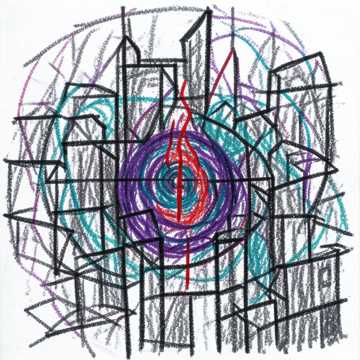
The World Is Not Enough
A melancholic gothic metal song about escaping routine and rejecting a confined life. Against shadowy city imagery, the narrator confronts anxiety, social expectations, and an inner fire that demands freedom, risk, and discovery beyond the limits of ordinary happiness.
03:10
6 hours ago

final breath is all that counts
This emotionally intense Christian song moves from medical crisis and suicidal despair toward faith, resilience, healing, and hope. A male vocal carries its dark, chilled atmosphere into a hopeful declaration that God remains sovereign, compassionate, and able to restore what seems lost.
02:44
6 hours ago
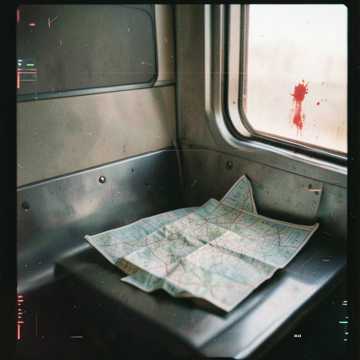
Let the Spirit Drift
A traveler and companion leave behind fear, identity, and old pain as they cross a vast, borderless expanse. The song transforms departure into spiritual renewal, pairing intimate human imagery with cosmic symbolism and a rising chorus that celebrates resilience, freedom, and the rebirth of the heart.
05:29
6 hours ago

Rei do Pique
Um retrato vibrante da malandragem e do orgulho periférico, conduzido por groove de baile, vocal confiante e refrão explosivo. A música celebra o pique como identidade herdada, presença, esperteza e força para atravessar mudanças sem perder a essência.
03:09
6 hours ago
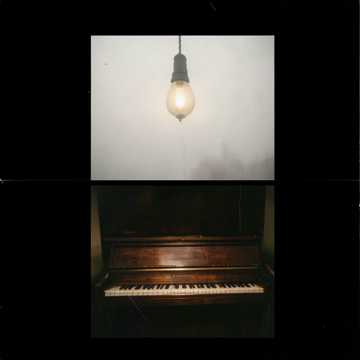
La lumière va manquer
Dans une atmosphère intime et mélancolique, le narrateur observe une société gagnée par la censure, la violence et l’obscurantisme. La lumière qui baisse symbolise la vérité menacée, tandis que la musique, le piano et la parole s’éteignent face à la peur et au retour de l’ordre.
03:13
6 hours ago

Jasir
Jasir presents a somber, inward-looking mood through dark and gloomy melodic writing. Without lyrics, its emotional meaning remains open-ended, inviting listeners to interpret it as a portrait of solitude, unresolved pain, memory, or quiet psychological struggle.
02:53
6 hours ago
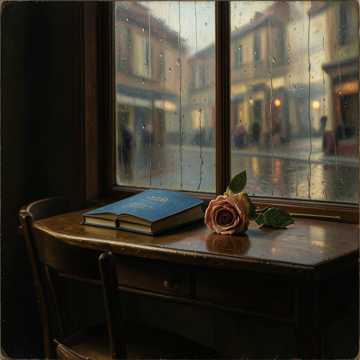
Gulaab Ki Khushboo
यह गीत बिछड़ चुके प्रेमी की स्मृतियों और अधूरे संवादों का भावुक चित्रण है। धीमी छह-आठ ताल, कोमल पियानो, एकॉस्टिक गिटार और धीरे उभरते स्ट्रिंग्स अकेलेपन, स्वीकार और लौटकर न आने की विनम्र विनती को गहराई देते हैं।
03:43
6 hours ago

Своим ходом
Песня рассказывает о человеке, который не позволяет чужим суждениям определять его путь. Через пережитые падения, одиночество и преодоление герой сохраняет верность себе, принимает ошибки и продолжает двигаться вперёд, опираясь на собственную силу, опыт и внутренний ориентир.
03:05
6 hours ago

ევიტა — მამას პატარა მზე
სიმღერა ევიტას დაბადებით გამოწვეულ მამობრივ სიხარულს, მადლიერებასა და უპირობო სიყვარულს გამოხატავს. ნაზი6/8 რიტმი, თბილი ვოკალი და ამაღლებული რეფრენი ქმნის პირად, გულწრფელ მიძღვნას, რომელიც განსაკუთრებით შეეფერება დაბადების დღეს, ოჯახურ ვიდეოს ან მამა-შვილის განსაკუთრებულ მომენტს.
01:59
6 hours ago
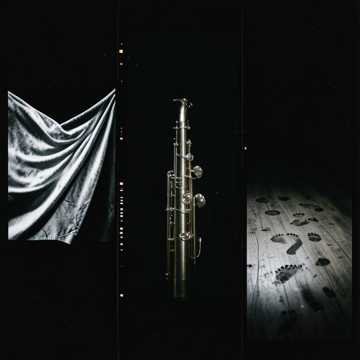
Black Velvet Crown
A grand, shadowy instrumental that blends Broadway spectacle with doom-laden pop drama. Sparse strings and oboe build toward stomping percussion, brass eruptions, choral textures, and cinematic drops, creating the atmosphere of a regal confrontation, final march, or villainous stage entrance.
03:05
6 hours ago

dil ki baat
यह वाद्य रचना प्रेम और विरह की अनकही भावनाओं को उभारती है। plaintive पियानो और वायलिन, कोमल गिटार, संयमित तबला तथा विस्तृत स्ट्रिंग्स मिलकर एक सिनेमाई, गुनगुनाने योग्य धुन रचते हैं, जो रोमांटिक दृश्यों और आत्ममंथन के लिए उपयुक्त है।
03:22
6 hours ago

d
Der Song erzählt von Trauer, familiärer Liebe und dem Überleben nach einem schweren Verlust. Zwischen winterlichen Bildern, Schuldgefühlen und Dankbarkeit entsteht ein emotionales Plädoyer für das Leben, getragen von melodischem Rap, Soul-Elementen und einem eindringlichen, nostalgischen Refrain.
01:29
6 hours ago

d
Der Song verarbeitet den Verlust geliebter Menschen und die Erkenntnis, durch ihre Liebe eine zweite Chance erhalten zu haben. Melodischer Rap, sentimentale R&B-Färbung und ein eindringlicher Refrain verbinden Trauer, Dankbarkeit, Überlebenswillen und die Hoffnung auf ein Wiedersehen.
01:23
6 hours ago

Dios Todopoderoso
Una declaración de adoración al Dios eterno, presentada desde la gratitud, la confianza y la rendición espiritual. Sus versos evocan protección y misericordia, mientras el coro y el puente elevan la canción hacia una celebración congregacional de la grandeza divina.
04:03
6 hours ago

Ruf mal wieder an
Die Ballade erzählt von einem Kind, das die Nachrichten seiner Mutter immer wieder aufschiebt und erst spät erkennt, wie kostbar gemeinsame Zeit ist. Jahre später erlebt es dieselbe Distanz aus der Perspektive eines Elternteils. Der Song mahnt eindringlich, Liebe nicht auf irgendwann zu verschieben.
03:26
6 hours ago

Wir sind Hardtekk
Eine energiegeladene Hardtekk-Hymne über Zusammenhalt, Freiheit und die verbindende Kraft des Basses. Zwischen Plattenbau, dunklen Clubs und einem Meer aus Licht feiert die Szene sechs Jahre Leidenschaft, Erinnerungen und gemeinsame Nächte im gleichen Takt.
03:08
6 hours ago

Velvet Afterglow
An instrumental-leaning lo-fi R&B house track shaped by a steady four-on-the-floor pulse, warm tape texture, glossy synth harmony, and nocturnal club energy. Its intimate verses, rising pads, and expansive chorus suggest a sensual after-hours atmosphere suited to nightlife, fashion visuals, and reflective midnight drives.
03:34
6 hours ago

Sin Condition v2.6
A volatile, catchy confrontation about temptation, secrecy, and blurred morality. Aggressive lead vocals clash with calm backing responses while distorted guitars, dense bass, double-kick drums, muted brass, electric piano, and violins create a gritty, theatrical wall of sound.
03:25
6 hours ago
Introduction to the Modern Era in Music
The Modern Era in music refers to the period that began in the late 19th century and extends to the present day. It is characterized by a departure from traditional tonal systems, embracing new forms of expression, experimentation, and technological advancements. The origins of the Modern Era are often traced back to the late Romantic period, where composers like Claude Debussy and Richard Strauss began to push the boundaries of musical form and harmony. This era saw the rise of various movements such as Impressionism, Expressionism, and eventually led to more avant-garde approaches in the 20th century, including Serialism, Minimalism, and Electronic music. The development of recording technology and digital platforms has further shaped the Modern Era, making music more accessible and diverse.
Sub-tags and Classifications within the Modern Era
Impressionism
Impressionism in music emerged in the late 19th and early 20th centuries, characterized by its use of non-traditional scales, such as the whole tone scale, and a focus on atmosphere and mood rather than traditional structure. Claude Debussy is a key figure in this movement, with works like 'Clair de Lune' and 'Prélude à l'après-midi d'un faune' exemplifying the style.
Expressionism
Expressionism in music is marked by its intense emotional expression and often dissonant harmonies. Originating in the early 20th century, it was a reaction against the perceived softness of Impressionism. Composers like Arnold Schoenberg, with his development of the twelve-tone technique, and Alban Berg are central to this movement.
Serialism
Serialism is a method of composition that uses a series of values to manipulate different musical elements. It was first developed by Arnold Schoenberg in the 1920s as a way to structure music after the breakdown of traditional tonality. This method was further expanded by composers such as Anton Webern and Pierre Boulez.
Minimalism
Minimalism in music is characterized by repetitive structures, steady pulse, and a focus on simple harmonic progressions. Emerging in the 1960s, it contrasts sharply with the complexity of Serialism. Key figures include Steve Reich, Philip Glass, and Terry Riley, whose works often explore phase shifting and additive processes.
Electronic Music
Electronic music encompasses a wide range of styles that utilize electronic technology in its production. Originating in the early 20th century with instruments like the theremin, it has grown to include everything from the experimental works of Karlheinz Stockhausen to the mainstream popularity of genres like techno and EDM.
Famous Artists and Iconic Works in the Modern Era
Igor Stravinsky
Stravinsky is a towering figure in Modern Era music, known for his revolutionary compositions such as 'The Rite of Spring,' which caused a riot at its premiere in 1913. His work is known for its rhythmic complexity, innovative orchestration, and use of dissonance, making him a key figure in the development of modern music.
The Rite of Spring by Igor Stravinsky
This work is known for its complex rhythms, dissonant harmonies, and primal energy, which broke away from the norms of classical ballet music. 'The Rite of Spring' is often cited as one of the most influential works of the 20th century, marking a turning point in musical history.
John Cage
John Cage was an American composer whose innovative ideas about sound, silence, and chance reshaped music in the 20th century. His piece '4'33' challenges the very definition of music by incorporating ambient sound as part of the performance, reflecting his interest in Zen Buddhism and the unpredictability of life.
Music for 18 Musicians by Steve Reich
This seminal work in Minimalist music is characterized by its intricate rhythmic patterns and gradual shifts in texture. 'Music for 18 Musicians' is praised for its meditative quality and its ability to transform simple motifs into a rich, evolving soundscape.
Philip Glass
Philip Glass is a pioneer of Minimalist music, known for his repetitive structures and evolving patterns. His works, such as 'Einstein on the Beach' and 'Glassworks,' have made significant contributions to both contemporary classical music and popular culture, influencing a wide range of musical genres.
4'33 by John Cage
A groundbreaking piece that consists of four minutes and thirty-three seconds of silence, '4'33 challenges traditional notions of music and composition. The piece invites listeners to focus on the ambient sounds in the environment, making it a profound statement on the nature of sound and silence.
Karlheinz Stockhausen
A leading figure in electronic music, Stockhausen’s works such as 'Gesang der Jünglinge' and 'Kontakte' explore the integration of electronic and acoustic sounds. His experimentation with spatialization and aleatory techniques has left a lasting impact on contemporary music.
Different Trains by Steve Reich
This work combines recorded speech, train sounds, and live string quartet to create a unique narrative about Reich's experiences during World War II. 'Different Trains' is noted for its emotional depth and innovative use of sampling and live performance.
Application Scenarios for Modern Era Music
Modern Era music is frequently used in film scores to create emotional depth, tension, or atmosphere. For instance, Minimalist compositions by Philip Glass have been used in films like 'The Hours,' while the experimental sounds of John Cage have influenced many avant-garde film soundtracks.
Movie Soundtracks
The repetitive and hypnotic qualities of Minimalist music make it popular in advertising, where it can subtly influence consumer behavior. Composers like Steve Reich have had their work adapted for commercials, where the music's rhythmic consistency helps to reinforce brand messaging.
Advertising Music
The ambient and atmospheric qualities of Modern Era music, particularly in the realm of electronic and Minimalist genres, make it well-suited for video game soundtracks. Games like 'Journey' and 'The Legend of Zelda' have incorporated these elements to enhance the player's immersive experience.
Game Background Music
Modern Era music is often used in contemporary dance performances due to its innovative structures and emotional expressiveness. Composers like Igor Stravinsky and Philip Glass are frequently featured in works by leading choreographers, pushing the boundaries of traditional dance music.
Contemporary Dance