Free Modern classical Music Generator Powered by AI
Turn text into high-quality Modern classical music effortlessly – no login required!

music.toolTips
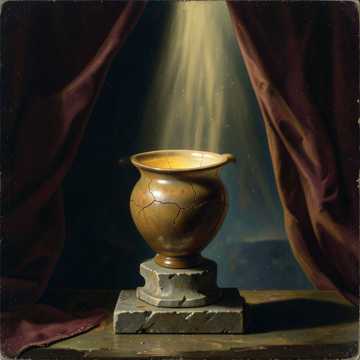
Cure of Guilt
An instrumental journey from remorse toward renewal. A solitary piano and distant strings introduce quiet inner conflict, while harp, brass, choir, percussion, and full orchestra gradually expand the theme into a powerful climax of forgiveness, healing, and emotional liberation.
03:55
Invalid date
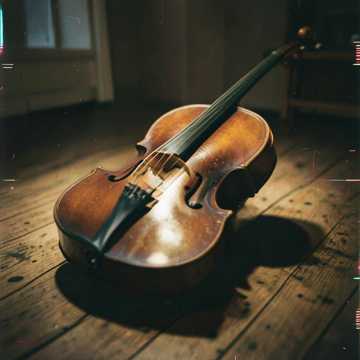
Grain of the Cello
'Grain of the Cello' is an intimate contemporary classical piece featuring a solo cello accompanied by a lean chamber ensemble. Blending delicate bow noises, rubato pacing, and cinematic swells, the work explores raw emotional depth through dynamic shifts, stark cadenzas, and profound, tactile acoustic resonance.
03:26
6 days ago
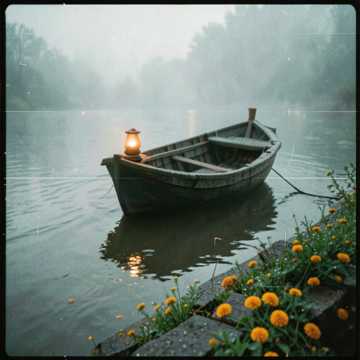
যাওয়ার পালা হয়ে গেল
বিসর্জনের শেষ প্রহরে মায়ের বিদায়কে ঘিরে গানটি ভক্তি, শূন্যতা ও পুনরাগমনের আশাকে একসূত্রে বেঁধেছে। শিউলি, ঢাক, নদী, আলতা ও খালি ঘরের প্রতীকে উৎসবশেষের গভীর বিষণ্নতা এবং মায়ের প্রতি চিরন্তন টান ফুটে উঠেছে।
03:59
6 days ago
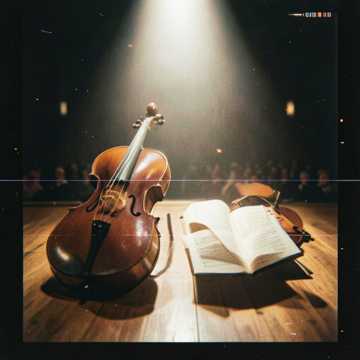
Arco and Ash
An expressive violin-and-cello conversation unfolds through lyrical cello themes, soaring violin responses, restless spiccato, shimmering harmonics, and a powerful shared climax. The performance balances intimacy and grandeur, creating a vivid arc from fragile reflection to triumphant resolution.
03:18
6 days ago
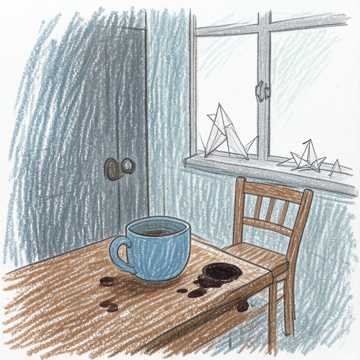
If I Could Hold One Hour
'If I Could Hold One Hour' is a deeply moving orchestral ballad portraying the visceral ache of grief. Through intimate everyday imagery—cold tea, paper cranes—and a swell of piano, cello, and choir, the song captures the desperate yearning to pause time and reconnect with a lost loved one.
04:57
6 days ago
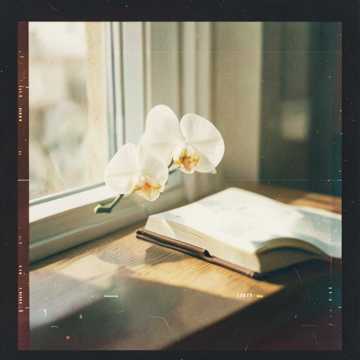
First Glance
An intimate instrumental portrait of two people noticing each other for the first time. Restrained piano opens the scene, warm strings and harp gradually reveal emotional possibility, and a refined orchestral rise captures wonder before resolving with gentle tenderness.
03:10
Invalid date
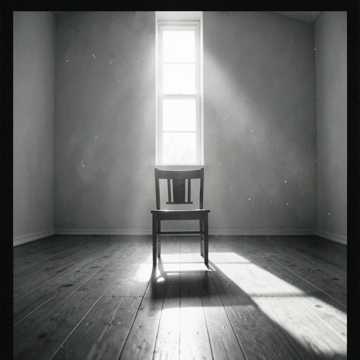
Sala Vacía
Una composición cinematográfica que transforma el vacío y la pena contenida en determinación sobria. El piano cercano abre un espacio íntimo; cello, pulso grave y cuerdas ascendentes construyen tensión sin perder la elegancia hasta un cierre solitario.
03:14
7 days ago
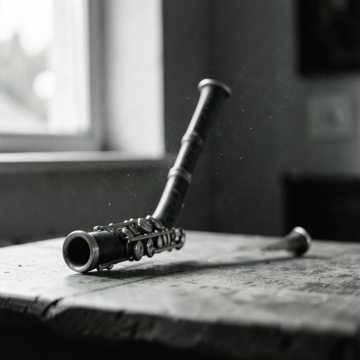
003.Saudade Radiante
A slow, emotionally cinematic orchestral piece that transforms longing into luminous remembrance. Falling melodies, warm strings, harp, English horn, and cello move from private sorrow toward a sweeping yet fragile final embrace.
03:27
8 days ago
Au bord du silence
Ce duo met en scène deux amoureux confrontés à la peur de l'abandon. Entre gestes du quotidien, silences et aveux fragiles, ils apprennent à s'aimer sans enfermer l'autre, jusqu'à choisir encore leur lien, côte à côte, malgré l'incertitude.
03:23
11 days ago
Reste encore
Deux amants s'avouent leur attachement sans parvenir à dissocier l'amour de la peur de perdre. Portée par un dialogue entre baryton et soprano, la chanson transforme leur hésitation en promesse fragile : se parler, se lâcher sans s'abandonner, et rester malgré l'abîme.
04:37
11 days ago
Ashen Bow
A bleak, spacious instrumental centered on solo violin and crushing ceremonial percussion. Its lingering legato passages, trembling tension, and wrenching double-stops evoke grief, endurance, and the quiet aftermath of loss.
04:00
13 days ago
Deux Cordes Deux Touches
Une conversation sans paroles entre guitare acoustique et piano feutré. Le morceau évolue d'une ouverture dépouillée vers un centre plus ample, puis revient à l'intimité initiale, porté par une chaleur analogique et un espace respirant.
03:10
16 days ago
Pulse d'eau
Une pièce instrumentale d'horreur jazz atonale qui transforme le silence en menace. Les souffles des cuivres, le drone du violoncelle, les battements sourds et les textures d'eau métallique bâtissent une angoisse progressive avant une fin suspendue.
02:49
17 days ago
Glass on the Keys
A close, cinematic piano piece that moves from sparse intimacy into gentle string-lit expansion, then fades back to a vulnerable solo ending. Its steady tempo and warm resonance turn heartbreak into a quiet, reflective emotional landscape.
03:10
17 days ago
🍀🎻 WHERE THE LIGHT STILL FALLS 🌿✨
An elegant Irish folk orchestral instrumental that moves from a striking cinematic opening into spacious, emotionally charged passages. Earthy fiddle, distant whistle, mandolin, acoustic guitar, organic rhythm, and soaring strings express resilience, remembrance, and the quiet return of hope.
02:54
18 days ago
F227
F227 unfolds as a deeply melancholic cinematic ballad without vocals. A memorable glass harmonica theme moves through descending phrases, answered by spinet and celesta, while nylon guitar, harp, sustained strings, bassoon, and barely audible handpan create a warm, spacious atmosphere of grief, reflection, and fragile hope.
03:10
19 days ago
F212
F212 unfolds as a deeply melancholic instrumental ballad with a memorable descending melody, delicate piano shimmer, fragile glass harmonica replies, and warm orchestral resonance. Its slow lyrical flow creates an intimate atmosphere suited to reflection, remembrance, emotional storytelling, and cinematic scenes of solitude.
03:08
20 days ago
The Dark Interlude in D-Flat a2.x
A tranquil D-flat major theme evolves through a grounded chaconne, then fractures into a violent C-sharp minor interlude of syncopation and noise. Embellished strings briefly restore radiance before the music dissolves into a hushed, emotionally unresolved farewell.
03:40
20 days ago
F209
A 92 BPM instrumental ballad shaped by profound sadness and gentle motion. A memorable descending melody moves between balalaika and piano, surrounded by shimmering celesta, glass harmonica, harp, bassoon, and warm reverberant space.
03:00
20 days ago

Ascension Zwp2 Tragic
A wordless cinematic orchestral piece built from encoded rhythmic figures and an ascending harmonic motif. Violins, violas, cellos, piano and choir rise through unexpected melodic curves, balancing suspense, scale and emotional release.
03:17
22 days ago
Introduction to Modern classical Music
Modern classical music is a genre that bridges the gap between traditional classical music and contemporary sounds, often incorporating elements from a wide range of styles, including minimalism, electronic music, and avant-garde. The genre began to take shape in the early 20th century as composers sought to explore new harmonic and structural possibilities, moving away from the Romantic era's expressive intensity. Influential figures such as Igor Stravinsky, Arnold Schoenberg, and later, Philip Glass and Steve Reich, played key roles in defining the genre, which continues to evolve today.
Sub-tags and Classifications in Modern classical Music
Minimalism
Minimalism is a sub-genre of Modern classical music characterized by repetitive patterns, steady pulse, and a focus on gradual change. Pioneers like Philip Glass, Steve Reich, and Terry Riley used minimalism to create hypnotic, evolving soundscapes that defied traditional Western musical forms.
Post-Minimalism
Post-Minimalism emerged as a response to the rigid structures of minimalism, incorporating more expressive elements and complex rhythms. Composers like John Adams and Julia Wolfe have expanded the minimalist approach to include richer textures and more dynamic shifts, creating works that are both accessible and emotionally impactful.
Neoclassicism
Neoclassicism in Modern classical music refers to a style that draws on classical forms and structures while infusing them with contemporary techniques and sensibilities. Stravinsky's 'Pulcinella' and Prokofiev's 'Classical Symphony' are quintessential examples of this movement, blending past and present in innovative ways.
Electroacoustic Music
Electroacoustic music combines classical compositional techniques with electronic sound production and manipulation. This sub-genre explores the possibilities of sound beyond traditional instruments, utilizing computers, synthesizers, and other electronic devices to create immersive auditory experiences. Key figures include Karlheinz Stockhausen and Pierre Boulez.
Famous Artists and Works in Modern classical Music
Philip Glass
Philip Glass is a seminal figure in Modern classical music, known for his contributions to the minimalist movement. His works, such as 'Einstein on the Beach' and 'Glassworks,' have been praised for their repetitive structures and meditative qualities, influencing a wide range of composers and musicians.
Einstein on the Beach by Philip Glass
This opera is one of the most iconic works in Modern classical music, showcasing Glass's minimalist style. The work features repetitive structures, an unorthodox narrative, and a hypnotic score, which together create a surreal, almost trance-like experience. It defies traditional operatic forms, emphasizing rhythm and texture over melody.
Steve Reich
Steve Reich, another pioneer of minimalism, is renowned for his use of phasing techniques and repetitive patterns. His works like 'Music for 18 Musicians' and 'Different Trains' have expanded the boundaries of Modern classical music, blending acoustic instruments with tape loops and other electronic elements.
Music for 18 Musicians by Steve Reich
This piece is a landmark in the minimalist genre, known for its complex interlocking rhythms and gradual changes in texture. 'Music for 18 Musicians' is structured around a series of shifting harmonic patterns, creating a mesmerizing soundscape that evolves subtly over time. The work is celebrated for its innovative use of pulse and timbre.
Arvo Pärt
Arvo Pärt is an Estonian composer whose unique style, often referred to as 'tintinnabuli,' has made a significant impact on Modern classical music. His works, such as 'Spiegel im Spiegel' and 'Tabula Rasa,' are known for their spiritual depth and simplicity, blending ancient and contemporary elements.
Tabula Rasa by Arvo Pärt
Arvo Pärt's 'Tabula Rasa' is a profound work that exemplifies his 'tintinnabuli' style. The piece is characterized by its stark simplicity and emotional intensity, using sparse textures and resonant harmonies to evoke a deep sense of contemplation. It has become a cornerstone of Modern classical repertoire, influencing a generation of composers.
Application Scenarios for Modern classical Music
Modern classical music is frequently used in film soundtracks to evoke deep emotional responses and underscore dramatic moments. For example, Philip Glass's music has been featured in films like 'The Hours' and 'Koyaanisqatsi,' where his minimalist compositions enhance the narrative with their repetitive, meditative qualities.
Film Soundtracks
The immersive and often atmospheric nature of Modern classical music makes it a popular choice for video game soundtracks. Composers like Austin Wintory have drawn on Modern classical elements to create scores for games like 'Journey,' where the music adapts to the player's actions, enhancing the overall gaming experience.
Video Game Background Music
Modern classical music's ability to convey sophistication and emotion has made it a valuable tool in advertising. Brands often use minimalist or neoclassical pieces to evoke a sense of elegance or modernity, creating a strong emotional connection with the audience. For instance, Max Richter's work has been featured in numerous high-profile ad campaigns.
Advertising Music