Free Modern classical Music Generator Powered by AI
Turn text into high-quality Modern classical music effortlessly – no login required!

music.toolTips
وعد إلى الأبد
عمل موسيقي رومانسي وشفاف يرافق لحظات الزواج والالتزام الأبدي. يبدأ بهمسة بيانو وتشيلو حميمة، ثم يتسع تدريجيا مع الكمان والتناغمات الدافئة، ليمنح المستمع إحساسا بالحنان والاحتفال والطمأنينة.
03:24
5 hours ago

دمعة على النيل
مقطوعة درامية بطيئة يغلب عليها الأسى والتأمل. يبدأ الكمان منفردًا، ثم تتسع الأوتار في تصاعد مؤلم، قبل أن تعود الموسيقى إلى ختام حميمي هادئ، حيث يلتقي الحنين بالفقد في مشهد سينمائي واسع.
03:26
Invalid date
ليالي النيل
مقطوعة آلية تستحضر سكون ليالي النيل عبر عود منفرد وكمان شجي وأوتار سينمائية متصاعدة. يبدأ العمل بحميمية وتأمل، ثم يتسع إلى ذروة عاطفية كثيفة، قبل أن يخفت تاركاً صدى العود معلقاً في فضاء الليل.
03:38
Invalid date
Blue Keys at Dawn
A slow, cinematic felt-piano piece that begins in fragile solitude, gathers emotional weight through fuller chords, and fades into an unresolved final figure. Its spacious rubato phrasing evokes dawn, reflection, longing, and the stillness between endings and beginnings.
03:18
9 hours ago
Celebratory Fanfare
A bright, energetic orchestral fanfare designed for a prestigious university birthday ceremony. Bold brass announces the celebration, agile strings propel the music forward, and emphatic percussion builds momentum before a crisp, triumphant final chord delivers a polished ceremonial finish.
00:25
9 hours ago
Llave de Marfil
Balada orquestal instrumental de pulso lento y expresivo. El piano solista, las cuerdas graves, el arpa y la trompa trazan un viaje íntimo que crece desde la contemplación hasta una apertura luminosa, con profundidad de sala, delicados detalles sonoros y un carácter cinematográfico.
03:20
11 hours ago
Quiet Resolved Ending
A delicate chamber instrumental that moves from a sparse felt-piano opening into a restrained swell of cello and violin, then settles into a calm, resolved conclusion. Its warm room sound, spacious phrasing, and unhurried pulse evoke reflection, completion, and quiet emotional clarity.
03:21
15 hours ago
月桥回声
作品以月桥为意象,描绘记忆在夜色中的回响。古筝的清脆点染、二胡的深情吟唱与笛声的空灵相互映照,情绪由克制怀旧逐步升温,在弦乐高潮后回归平和。
03:33
20 hours ago
Brume des cordes
Une fresque orchestrale vive et sensible qui naît de notes de piano espacées, déploie des motifs de cordes entrelacés, puis atteint un sommet ample et lumineux. Son intimité centrale prépare une conclusion portée par des crescendos majestueux.
03:25
Invalid date
Aube des constellations
Instrumental orchestral cinématographique à l'élan rapide et lumineux. Le piano ouvre une trajectoire intime, les cordes amplifient la tension et la flûte apporte une respiration céleste, jusqu'à une conclusion ample, claire et émouvante.
03:40
Invalid date
Candle in the Window
A spacious65 BPM piano lullaby shaped by soft sustained strings. Its minor-key opening holds quiet melancholy before resolving into gentle hope, while restrained swells and a fading finish leave room for memory, narration, meditation, or rest.
03:20
1 days ago
Ira Santa
Ira Santa unfolds as a reverent, cinematic procession in6/8, beginning with sparse bell strikes before gathering organ, choral textures, low brass, and heartbeat-like percussion. Its restrained climax evokes solemn ritual, spiritual gravity, stone architecture, and quiet transcendence.
03:23
1 days ago

اسم العيلة
نشيد عائلي فلسطيني ملحمي يحتفي بالترابط والوفاء للأجداد وحماية الأرض، ويتدرج من صوت هادئ إلى ذروة جماعية مدوية، حيث تتعاضد الأصوات والطبول والكورال لتأكيد بقاء العائلة والدار في الذاكرة والوجدان.
03:15
1 days ago
Sustained Swell
A slow, reflective orchestral piece built on a repeating string motif. Legato violins, violas, cello, bass, and restrained piano expand from an intimate opening into a sustained cinematic climax before resolving with gentle warmth.
03:30
1 days ago
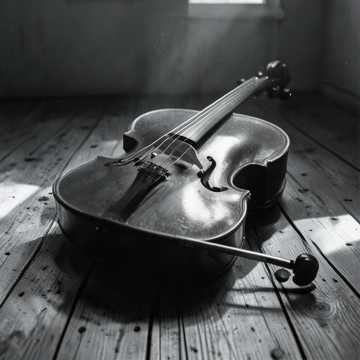
Último Arquejo
Una pieza instrumental íntima para violonchelo solo que transforma la fragilidad, la pérdida y la dignidad en frases lentas y respiradas. Su ascenso contenido conduce a un cierre suspendido, dejando una sensación de despedida inconclusa.
03:15
1 days ago
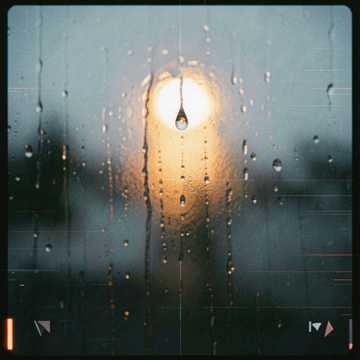
Glass Rain
Glass Rain unfolds as a sorrow-soaked cinematic journey, beginning with solitary piano before expanding into mournful strings, distant pads, and a deep sub drone. Its restrained pulse and delicate swells create an atmosphere of grief, reflection, vulnerability, and quiet renewal.
03:55
1 days ago
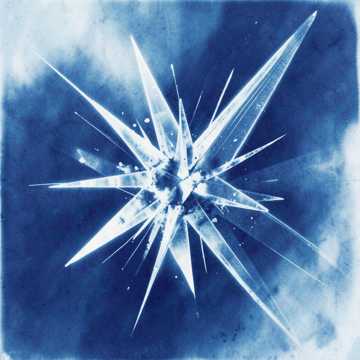
Fireball
Fireball is a fierce instrumental orchestral chase, driven by asymmetrical rhythms, rapid string exchanges, percussive piano, and sudden harmonic reversals. Its athletic energy evokes interception, attack, competition, and relentless pursuit, rising through accelerating layers toward a blazing full-string ascent and sharply decisive ending.
02:49
1 days ago
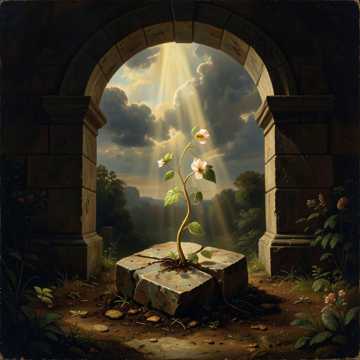
LA LUMIÈRE À RECONSTRUIRE IV
Cette chanson explore les blessures de l’Histoire, l’exil et la transmission intergénérationnelle. Dans une atmosphère cinématique, baroque et profondément humaine, elle transforme la douleur en appel à la justice, au pardon, à l’entraide et à la reconstruction collective.
04:45
1 days ago

LA LUMIÈRE À RECONSTRUIRE IV
Dans une atmosphère entre aventure baroque et chanson contemporaine, cette œuvre interroge l’héritage laissé aux générations futures. Sa mélodie intime puis expansive transforme les blessures historiques en appel à la paix, à la justice et aux gestes de fraternité capables de rapprocher les destins.
04:32
1 days ago
Gentle Hearts Rise
A tender instrumental ballad that grows from intimate piano and cello into luminous orchestral swells. Its slow, swaying motion and rising strings convey compassion, recovery, hope, and the gentle strength to move forward.
04:10
1 days ago
Introduction to Modern classical Music
Modern classical music is a genre that bridges the gap between traditional classical music and contemporary sounds, often incorporating elements from a wide range of styles, including minimalism, electronic music, and avant-garde. The genre began to take shape in the early 20th century as composers sought to explore new harmonic and structural possibilities, moving away from the Romantic era's expressive intensity. Influential figures such as Igor Stravinsky, Arnold Schoenberg, and later, Philip Glass and Steve Reich, played key roles in defining the genre, which continues to evolve today.
Sub-tags and Classifications in Modern classical Music
Minimalism
Minimalism is a sub-genre of Modern classical music characterized by repetitive patterns, steady pulse, and a focus on gradual change. Pioneers like Philip Glass, Steve Reich, and Terry Riley used minimalism to create hypnotic, evolving soundscapes that defied traditional Western musical forms.
Post-Minimalism
Post-Minimalism emerged as a response to the rigid structures of minimalism, incorporating more expressive elements and complex rhythms. Composers like John Adams and Julia Wolfe have expanded the minimalist approach to include richer textures and more dynamic shifts, creating works that are both accessible and emotionally impactful.
Neoclassicism
Neoclassicism in Modern classical music refers to a style that draws on classical forms and structures while infusing them with contemporary techniques and sensibilities. Stravinsky's 'Pulcinella' and Prokofiev's 'Classical Symphony' are quintessential examples of this movement, blending past and present in innovative ways.
Electroacoustic Music
Electroacoustic music combines classical compositional techniques with electronic sound production and manipulation. This sub-genre explores the possibilities of sound beyond traditional instruments, utilizing computers, synthesizers, and other electronic devices to create immersive auditory experiences. Key figures include Karlheinz Stockhausen and Pierre Boulez.
Famous Artists and Works in Modern classical Music
Philip Glass
Philip Glass is a seminal figure in Modern classical music, known for his contributions to the minimalist movement. His works, such as 'Einstein on the Beach' and 'Glassworks,' have been praised for their repetitive structures and meditative qualities, influencing a wide range of composers and musicians.
Einstein on the Beach by Philip Glass
This opera is one of the most iconic works in Modern classical music, showcasing Glass's minimalist style. The work features repetitive structures, an unorthodox narrative, and a hypnotic score, which together create a surreal, almost trance-like experience. It defies traditional operatic forms, emphasizing rhythm and texture over melody.
Steve Reich
Steve Reich, another pioneer of minimalism, is renowned for his use of phasing techniques and repetitive patterns. His works like 'Music for 18 Musicians' and 'Different Trains' have expanded the boundaries of Modern classical music, blending acoustic instruments with tape loops and other electronic elements.
Music for 18 Musicians by Steve Reich
This piece is a landmark in the minimalist genre, known for its complex interlocking rhythms and gradual changes in texture. 'Music for 18 Musicians' is structured around a series of shifting harmonic patterns, creating a mesmerizing soundscape that evolves subtly over time. The work is celebrated for its innovative use of pulse and timbre.
Arvo Pärt
Arvo Pärt is an Estonian composer whose unique style, often referred to as 'tintinnabuli,' has made a significant impact on Modern classical music. His works, such as 'Spiegel im Spiegel' and 'Tabula Rasa,' are known for their spiritual depth and simplicity, blending ancient and contemporary elements.
Tabula Rasa by Arvo Pärt
Arvo Pärt's 'Tabula Rasa' is a profound work that exemplifies his 'tintinnabuli' style. The piece is characterized by its stark simplicity and emotional intensity, using sparse textures and resonant harmonies to evoke a deep sense of contemplation. It has become a cornerstone of Modern classical repertoire, influencing a generation of composers.
Application Scenarios for Modern classical Music
Modern classical music is frequently used in film soundtracks to evoke deep emotional responses and underscore dramatic moments. For example, Philip Glass's music has been featured in films like 'The Hours' and 'Koyaanisqatsi,' where his minimalist compositions enhance the narrative with their repetitive, meditative qualities.
Film Soundtracks
The immersive and often atmospheric nature of Modern classical music makes it a popular choice for video game soundtracks. Composers like Austin Wintory have drawn on Modern classical elements to create scores for games like 'Journey,' where the music adapts to the player's actions, enhancing the overall gaming experience.
Video Game Background Music
Modern classical music's ability to convey sophistication and emotion has made it a valuable tool in advertising. Brands often use minimalist or neoclassical pieces to evoke a sense of elegance or modernity, creating a strong emotional connection with the audience. For instance, Max Richter's work has been featured in numerous high-profile ad campaigns.
Advertising Music