Free Mortality Music Generator Powered by AI
Turn text into high-quality Mortality music effortlessly – no login required!

music.toolTips

Por Que Eu Morreria?
A música questiona o sentido da morte para reafirmar a urgência de viver, criar, amar e sentir. Entre medo, falta de apoio e sonhos persistentes, a narradora transforma experiências dolorosas em canções e celebra uma vida vivida com coragem e propósito.
04:50
2026-08-24
PSA 49 SUOMI-2
Laulu muistuttaa, ettei varallisuus, maine tai yhteiskunnallinen asema voi voittaa kuolemaa. Surumielinen blues rakentaa vakavan mietiskelyn, jossa todellinen toivo löytyy Elohiymistä, joka lunastaa sielun She’olin vallasta.
05:25
2026-08-23
PSA 49 SUOMI
Laulu muistuttaa, ettei varallisuus, kunnia tai maallinen omaisuus voi pelastaa ihmistä kuolemalta. Surumielinen blues rakentaa vastakkainasettelun katoavan maallisen loiston ja Elohiymiin perustuvan toivon välille.
06:43
2026-08-23
Believe in Grim Reaper
A narrator confronts death as an intimate, inevitable presence. Through cold imagery, funeral symbols, and gothic spiritual tension, the song transforms fear into surrender, culminating in a defiant vision of singing through the graves beneath the Grim Reaper's watch.
05:00
2026-08-22
Sacred in Death
A bleak narrator confronts mortality as a sacred force capable of cleansing shame, preserving memory, and granting freedom. Through frozen landscapes, ruined sanctuaries, and ritualistic imagery, the song transforms pain and fear into defiant acceptance of death.
04:08
2026-08-22
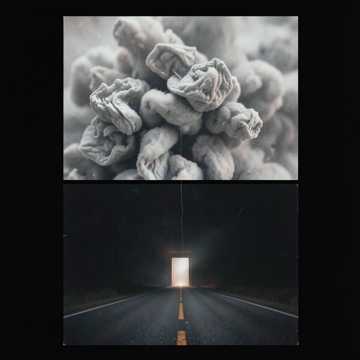
When This Life Is Over
A surreal narrator moves through fractured reality, grief, and identity loss toward acceptance and renewal. The song transforms deathlike imagery into a hopeful passage, presenting the end of one existence as a doorway into wholeness, freedom, and a newly discovered inner road.
05:50
2026-08-22
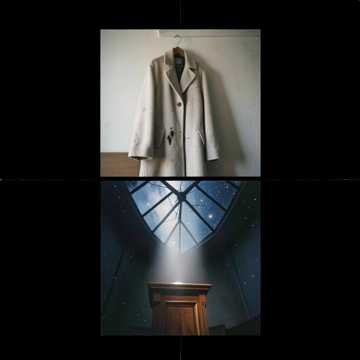
Bad Day to Leave Earth - hammond prog
A surreal narrator faces an ominous, possibly cosmic departure at the worst possible moment. Through dark humor, Hammond-driven tension, and images of collapsing rooms and starlit ceilings, the song turns existential fear into a defiant plea to remain alive long enough to finish unfinished songs.
04:16
2026-08-22
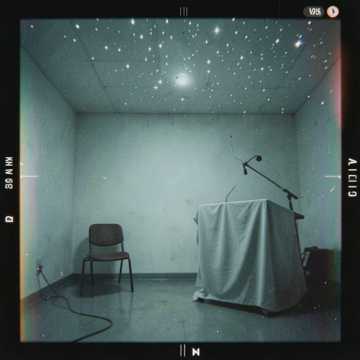
Bad Day to Leave Earth - hammond prog
A surreal narrator confronts an almost-apocalyptic departure from Earth at the worst possible moment. Darkly comic and emotionally vulnerable, the song blends existential anxiety, unfinished ambition, and cosmic imagery with a forceful Hammond-led progressive rock arrangement.
04:13
2026-08-22

Qui suis-je ?
À travers l’image du levant éternel, la chanson explore l’identité, le temps qui passe, la fragilité du corps et l’espoir. Entre désespoir et émerveillement, l’aube et le couchant deviennent des symboles de renaissance, de beauté fugace et de résilience intérieure.
07:37
2026-08-22
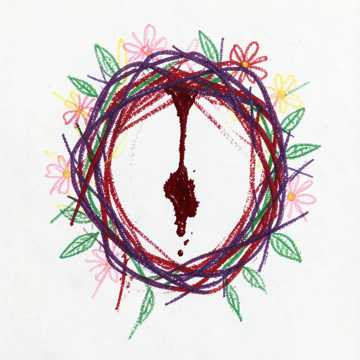
Karin...
Sången skildrar en älskad som får en krans av blommor och minnen, ämnad att följa henne genom livet. Men gåvan bär en dold tagg: kärleken rymmer sorg, skuld och ett sår som blöder när givaren själv närmar sig sin frånvaro och död.
01:55
2026-08-21

poesía
Una voz femenina sobre ritmo reggae recita una reflexión existencial acerca de la muerte, el anonimato y la aceptación del olvido. La canción convierte la conciencia de la fugacidad humana en un consuelo sobrio, luminoso y profundamente poético.
01:02
2026-08-21
Bells for the Living
A dark metal meditation on grief and inevitable death, Bells for the Living follows a narrator haunted by loss, family memory, and emotional ruin. Its repeated tolling refrain turns funeral bells into a warning for those still breathing, balancing despair with enduring human connection.
05:29
2026-08-21
The Bells Ring for the Living
A haunted narrator confronts inherited guilt, unpaid debts, and the certainty of death as chapel bells become a relentless symbol of mortality. Cold verses build toward crushing choruses, while gothic imagery, layered vocals, and a mournful guitar solo create an atmosphere of dread, resignation, and rebirth.
05:05
2026-08-21
Bells for the Living
A mournful dark-metal elegy in which a wounded narrator confronts loss, memory, war, and approaching death. Funeral bells become a cruel symbol of endurance: they ring not for the dead, but for those still forced to survive one more hour.
05:09
2026-08-21

Graveyard Bloom
A grieving narrator confronts death through ruined memories, family echoes, and a merciless night. Bleak verses build into a forceful chorus, while the bridge and emotional guitar solo transform despair into a final, scarred surrender to mortality.
05:20
2026-08-21
The Bell Beneath the Frozen
A grieving survivor confronts death through fading photographs, an empty chair, a stopped watch, and a bell beneath frozen earth. The song transforms personal loss into a communal gothic lament, ending with acceptance as every bell begins to gather the living within the memory of the dead.
05:45
2026-08-21
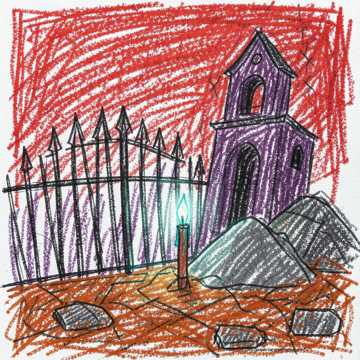
Grave of Dawn
A mournful survivor walks through frozen churchyards, confronting grief, mortality, and the persistence of love. Dark male vocals, haunting female harmonies, explosive choruses, and a lengthy guitar solo transform funeral imagery into a raw, nocturnal metal elegy.
04:59
2026-08-21
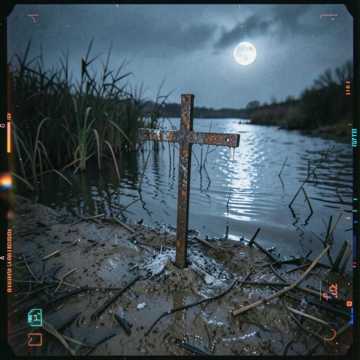
Graves Keep Counting
A bleak, apocalyptic metal anthem portraying death as an unstoppable force that erases names, power, memory, and hope. Through images of frozen churches, ash-covered mourners, ravens, and poisoned rivers, the song urges listeners to hold onto identity before the grave claims everyone.
04:45
2026-08-21
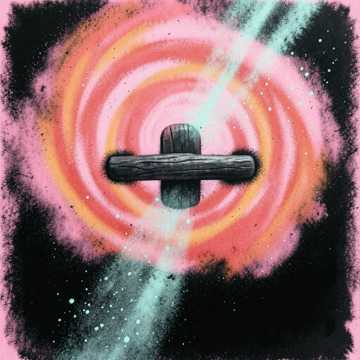
Before the Dark Takes All
A life-affirming rock anthem confronting mortality through images of absence, memory, and time wasted. Its explosive chorus and defiant bridge transform grief into action, urging listeners to speak, embrace, and stand together before darkness claims everything.
05:50
2026-08-21
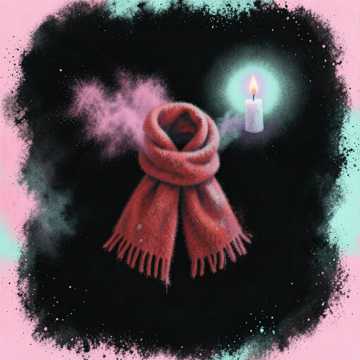
All the Breath
A grieving narrator confronts the certainty of death through vivid domestic memories and storm-dark imagery. Driven by piano, distorted guitars, massive drums, and soulful vocals, the song transforms personal loss into an arena-rock lament, ultimately affirming that love can remain standing even when life is taken.
04:31
2026-08-21
Introduction to the Core Tag: Mortality in Music
Mortality in music refers to a theme or genre that explores the concepts of life, death, and the human experience with mortality. This theme often delves into the emotional, philosophical, and existential questions surrounding death and the finite nature of life. The origins of mortality as a theme in music can be traced back to early religious chants and hymns, where death was a common topic reflecting human spirituality and the afterlife. Over time, the exploration of mortality expanded across various music genres, including classical, rock, folk, and contemporary music, often reflecting the societal and cultural attitudes toward death during different historical periods. Today, mortality remains a prevalent theme in music, offering listeners a space to reflect on life, death, and the passage of time.
Sub-tags and Classifications of Mortality in Music
Existential Reflection
This sub-tag focuses on music that explores existential questions related to mortality, such as the meaning of life, the inevitability of death, and the search for purpose. Songs in this category often feature introspective lyrics, melancholic melodies, and a contemplative tone, inviting listeners to ponder their existence and the transient nature of life.
Spiritual and Religious Themes
Music under this sub-tag deals with mortality from a spiritual or religious perspective. It includes hymns, spirituals, and contemporary songs that explore themes of the afterlife, divine judgment, and the soul's journey after death. These works often provide comfort and solace, reflecting the beliefs and hopes surrounding life after death.
Grief and Loss
This classification encompasses music that addresses the emotional responses to death, such as grief, mourning, and remembrance. Songs in this category are characterized by their emotional depth and lyrical focus on the pain of losing loved ones, often serving as a cathartic outlet for both the artist and the audience.
Celebration of Life
While mortality is often associated with somber themes, this sub-tag highlights music that celebrates life in the face of death. These songs often emphasize the importance of living fully and cherishing moments, conveying a message of hope, resilience, and appreciation for life despite its impermanence.
Famous Artists and Works Related to Mortality in Music
Johann Sebastian Bach
Bach is renowned for his compositions that frequently explore themes of mortality, particularly in his sacred music. Works like 'St. Matthew Passion' and 'Mass in B Minor' reflect deep religious devotion and contemplation of life, death, and the afterlife, contributing significantly to the classical music canon on mortality.
Mozart's Requiem
Mozart's 'Requiem' is one of the most celebrated classical works exploring mortality. Composed as a mass for the dead, it combines somber melodies with dramatic intensity, reflecting a profound engagement with themes of death, judgment, and redemption. The work is notable for its innovative use of orchestration and choral writing, creating a powerful emotional impact.
Nick Cave
Nick Cave is an Australian singer-songwriter known for his exploration of dark and profound themes, including death and mortality. His work with the Bad Seeds, particularly in albums like 'The Boatman's Call' and 'Skeleton Tree,' delves deeply into personal grief and existential musings, influencing the modern rock and alternative music scenes.
Johnny Cash's 'Hurt'
Johnny Cash's rendition of 'Hurt,' originally by Nine Inch Nails, stands as a stark, haunting meditation on mortality, regret, and the passage of time. The stripped-down arrangement and Cash's weathered voice imbue the song with a raw, vulnerable quality, turning it into a powerful reflection on life and impending death.
Leonard Cohen
Leonard Cohen, a Canadian singer-songwriter and poet, often explored themes of mortality, spirituality, and the human condition. His songs like 'Hallelujah' and 'You Want It Darker' are iconic for their lyrical depth, blending existential questioning with reflections on life and death, making a lasting impact on folk and contemporary music.
Mahler's Symphony No. 2 (Resurrection)
Mahler's Symphony No. 2, also known as the 'Resurrection Symphony,' is a monumental work that explores the themes of death and rebirth. The symphony's grand scale and innovative structure, incorporating choral elements and a narrative arc from despair to transcendence, make it a profound musical exploration of mortality and the hope of life after death.
Application Scenarios of Mortality Music
Mortality-themed music is frequently used in movie soundtracks to enhance emotional impact, particularly in scenes involving death, loss, or existential reflection. For example, Samuel Barber's 'Adagio for Strings' has been used in multiple films, such as 'Platoon' and 'The Elephant Man,' to underscore themes of tragedy and human vulnerability.
Movie Soundtracks
In advertising, mortality-themed music can be employed to evoke deep emotional responses, often in campaigns addressing social issues such as healthcare, road safety, or life insurance. The reflective and somber tones of such music can effectively communicate the seriousness of the message, making the ad more memorable.
Advertising Music
Video games exploring themes of mortality, such as 'Dark Souls' or 'The Last of Us,' often use mortality-themed music to create a somber and immersive atmosphere. This music helps to deepen the narrative experience, enhancing the emotional connection between the player and the game's storyline.
Game Background Music
In therapeutic environments, music exploring mortality can be used to help individuals process grief and reflect on life and death. This can be particularly effective in hospice care, bereavement counseling, or palliative care settings, where music serves as a tool for emotional expression and healing.
Therapeutic Settings