Free Orchestral Music Generator Powered by AI
Turn text into high-quality Orchestral music effortlessly – no login required!

music.toolTips

Choir on Parade
A commanding instrumental anthem that turns disciplined marching rhythm into cinematic spectacle. Low male choruses, rising unison chants, expansive mixed-choir harmonies, brass accents, and thunderous percussion build an atmosphere of resolve, unity, and triumphant forward motion.
03:00
2 days ago
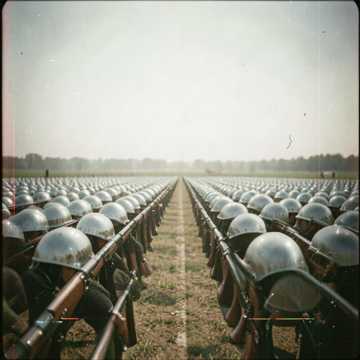
Steel Cadence
A grand instrumental anthem that channels parade-ground resolve through martial drums, brass strikes, swelling mixed choir, and expansive reverb. Its escalating arrangement moves from disciplined unisons to a massive final ceremonial release.
03:07
2 days ago
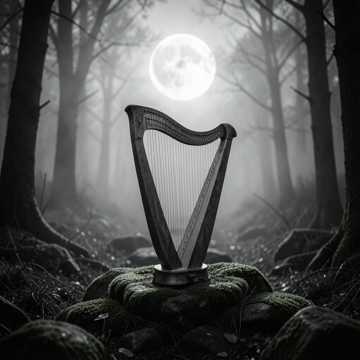
Sumpah di bawah bulan perak
Balada fantasi tentang makhluk penjaga malam yang meninggalkan keabadian demi cinta manusia. Di bawah bulan perak, keduanya mengikrarkan janji melampaui langit dan waktu, meski fajar memaksa sang penjaga kembali menjadi bintang yang menunggu.
06:14
2 days ago
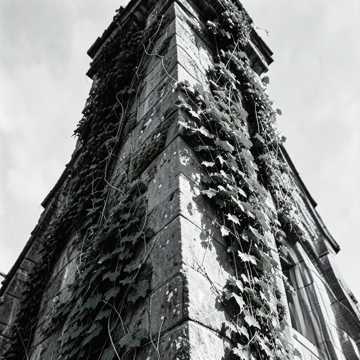
Where the Old Prayers Live
A ceremonial medieval anthem in which a community protects its ancestral church from approaching riders. A vulnerable young knight finds courage through shared fear, while female lead vocals and Latin chant turn memory, faith, and duty into a triumphant collective vow.
04:23
2 days ago
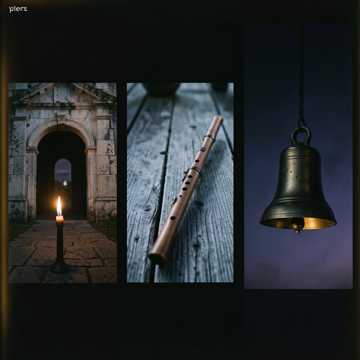
Guardians of the Soul
A solemn yet triumphant sacred procession follows devoted guardians defending a church, its people, and its inherited faith. Female-led verses, Latin chant, and an expanding choir transform vows of vigilance into a prayer for mercy, peace, and spiritual endurance.
03:30
2 days ago
Luminous Peace
A slow, luminous piano-led instrumental that unfolds from intimate stillness into a gentle orchestral swell. Soft strings and crystalline textures create spiritual warmth, inviting reflection, healing, quiet focus, and a confident sense of peaceful discovery.
03:30
2 days ago
Eternity
A sorrowful immortal mourns a lost love across endless lifetimes, trapped between death and eternity. Through operatic cries, sacred imagery, and apocalyptic refrains, the song transforms undying existence into a tragic curse, where memory survives forever but peace and reunion remain impossible.
07:00
2 days ago

Desert winds
A cinematic, lyric-free composition that conjures vast desert spaces through atmospheric orchestration, gradual movement, and evocative tension. Its open emotional canvas suggests solitude, endurance, discovery, and the quiet grandeur of an endless horizon.
03:14
Invalid date

desert winds
A cinematic instrumental shaped by the imagined movement of desert winds. Its expansive mood suggests endless horizons, ancient paths, quiet solitude, and a gradual rise toward emotional revelation.
03:30
Invalid date
Quiet Renewal
An instrumental cinematic journey that begins with sparse, fragile piano and emotional stillness. At18 seconds, a brighter motif and warm strings introduce a tender lift, gradually opening into a restrained, expressive atmosphere of healing, renewal, and quiet hope.
01:00
2 days ago
Mars of the Fifth Beat
An instrumental orchestral march that turns asymmetry into pressure and momentum. Low-string patterns drive a five-beat advance while brass and woodwinds trade martial gestures, building through dense counterpoint, swelling dynamics, and a dramatic concert-hall climax.
02:19
Invalid date

JEHOVA es mi pastor
Himno inspirado en el Salmo23 que expresa confianza absoluta en YAHWEH. Entre verdes pastos, aguas de reposo y valles oscuros, la voz creyente encuentra guía, consuelo, abundancia y la promesa de habitar siempre en Su presencia.
02:40
2 days ago
Noble Sorrow
A solemn Middle Eastern cinematic piece that begins with intimate oud and qanun, gains strength through measured percussion and expressive ney, then rises into a resolute orchestral climax before fading in a noble, lingering coda.
03:45
2 days ago
The Ancient Doorway
A distant expedition discovers an ancient portal at the edge of known space. As its symbols awaken, the explorers confront proof that others came before them and sing not of conquest, but of connection, courage, and a new age beginning.
04:24
2 days ago
Open, Ancient Gate
A solitary explorer discovers an ancient extraterrestrial gateway on a silent world. As the portal awakens, intimate wonder expands into a communal declaration of hope: humanity can cross the darkness, answer distant worlds, and continue beyond the stars.
04:53
2 days ago

Gateway beneath the stars
A slow-building science-fiction orchestral instrumental that follows a lone explorer toward an immense cosmic gateway. Delicate celestial tones and distant strings expand into soaring brass, powerful percussion, and sustained choir, ending in lingering wonder beneath a vast field of stars.
03:28
2 days ago
Grace Unrequited
A female-led orchestral lament follows the Tarnished through a ruined realm of demigods, war, sacrifice, and fractured faith. Sacred choir passages transform personal exile into a defiant journey toward renewal, destruction, or cosmic change.
05:48
2 days ago
Bugle on Black
A dramatic instrumental anthem that moves from sparse tension to a commanding orchestral-trap climax. Brass calls, rolling drums, sharp strings, piano lifts, and swaggering rhythm create a bold, battle-ready atmosphere.
03:07
2 days ago
Gateway Reveal
A slow-building cinematic score that transforms quiet planetary stillness into an overwhelming revelation. Sustained strings, deep brass, rising violins, celestial textures, and wordless choir frame the discovery of a vast, unresolved cosmic gateway.
03:53
2 days ago

Gateway Reveal
A cinematic science-fiction instrumental that begins in restrained wonder, gathers momentum through pulsing orchestration and rising tension, then unveils a colossal gateway in a suspended moment before surging into a powerful, spacious orchestral climax.
03:37
2 days ago
Introduction to Orchestral: Definition and History
Orchestral music refers to compositions specifically created for an orchestra, a large ensemble of musicians divided into sections based on the type of instrument: strings, woodwinds, brass, and percussion. The origins of orchestral music trace back to the early Baroque period in the 17th century, where the modern orchestra began to take shape with the works of composers like Claudio Monteverdi. Over time, orchestral music evolved significantly, with the Classical period, led by figures like Wolfgang Amadeus Mozart and Ludwig van Beethoven, establishing the structure and form commonly associated with orchestral works today. The Romantic era further expanded the size of the orchestra and introduced more complex and expressive compositions. Orchestral music continues to be a cornerstone of classical music and has found its place in modern media, including film, television, and video games.
Sub-tags and Classifications within Orchestral Music
Symphonic
Symphonic music is a major sub-tag of orchestral music, characterized by large-scale works typically divided into multiple movements. Symphonies are a staple of the orchestral repertoire, often composed to explore a wide range of emotions and themes. Famous symphonic works include Beethoven's Symphony No. 9 and Tchaikovsky's Symphony No. 6.
Chamber Orchestra
Chamber orchestra refers to a smaller ensemble of musicians, often performing more intimate compositions. This sub-tag includes works that are composed for smaller spaces and typically involve fewer instruments. Examples include Mozart's Eine kleine Nachtmusik and Barber's Adagio for Strings.
Concertos
Concertos are orchestral works that feature a solo instrument or a group of solo instruments contrasted with the full orchestra. This sub-tag highlights the virtuosic interplay between the soloist(s) and the ensemble. Iconic concertos include Vivaldi's The Four Seasons and Rachmaninoff's Piano Concerto No. 2.
Ballet and Opera Orchestras
This classification involves orchestral music composed specifically for ballet and opera performances. The orchestra plays a critical role in setting the mood, supporting vocal performances, and enhancing the narrative. Examples include Tchaikovsky's The Nutcracker Suite and Wagner's The Ring Cycle.
Film Scores
Film scores represent a modern application of orchestral music, where composers create soundtracks to enhance the emotional and narrative elements of movies. Iconic film scores include John Williams' music for Star Wars and Hans Zimmer's score for Inception.
Famous Artists and Iconic Works in Orchestral Music
Ludwig van Beethoven
Beethoven is one of the most influential figures in orchestral music, known for his innovative approach to symphonic form and emotional depth. His Symphony No. 9, featuring the 'Ode to Joy,' is a landmark in orchestral composition, blending voices with the orchestra in a powerful expression of human unity and triumph.
Beethoven's Symphony No. 5
Symphony No. 5 is one of the most recognized and frequently performed orchestral works in the world. Its famous four-note motif is known worldwide, and the symphony as a whole is celebrated for its dynamic contrasts, innovative use of form, and powerful emotional impact.
Igor Stravinsky
Stravinsky revolutionized orchestral music with his bold use of rhythm, harmony, and structure. His work The Rite of Spring is a seminal piece that broke new ground in orchestration and is famous for its complexity and the riot it caused at its premiere in 1913.
Tchaikovsky's Swan Lake
Swan Lake is a ballet score that has become a staple of the orchestral repertoire. Tchaikovsky's music is renowned for its expressive melodies, rich orchestration, and ability to convey the drama and romance of the ballet. The suite derived from this score is frequently performed in concert settings.
John Williams
John Williams is a modern master of orchestral music, best known for his work in film scores. His compositions for movies such as Star Wars, Jurassic Park, and Harry Potter have become iconic, showcasing his ability to create memorable themes and evoke powerful emotions through orchestration.
Stravinsky's The Firebird
The Firebird is one of Stravinsky's early masterpieces, blending Russian folk music with innovative orchestration. This orchestral work, originally composed for the ballet, is notable for its vivid depiction of the story through music and its use of color and texture to create a magical atmosphere.
Application Scenarios for Orchestral Music
Orchestral music is widely used in film soundtracks to enhance the emotional depth and narrative of movies. Composers like John Williams and Hans Zimmer have used orchestral scores to create iconic soundtracks that are integral to the films' identities, such as the Star Wars series and Inception.
Film Soundtracks
In the gaming industry, orchestral music is employed to create immersive and dynamic soundscapes. Games like The Legend of Zelda and Final Fantasy series have memorable orchestral scores that play a key role in enhancing the player's experience.
Video Game Music
Orchestral music is a staple of live performances in concert halls around the world. Symphonies, concertos, and other orchestral works are performed by professional ensembles to large audiences, showcasing the art of live orchestration and interpretation.
Live Performances
Orchestral music is also used in advertising to evoke a sense of grandeur, elegance, or emotional impact. Companies often use orchestral compositions to make their ads more memorable and impactful, helping to associate their brands with these positive attributes.
Advertising