Free Orchestral Music Generator Powered by AI
Turn text into high-quality Orchestral music effortlessly – no login required!

music.toolTips

風を追いかけ
肩で笑うくちばしの相棒とともに、草原、森、雪の谷、洞窟を越えて宝と謎を追う冒険歌。失敗しても立ち上がる勇気、知恵、チームワーク、集めた思い出を、明るく親しみやすい歌声で祝福する。
02:42
Invalid date
A Little Room for Every Heart
A tender Christmas gathering unfolds through snow, warm bread, shared songs, and remembered loved ones. Its central message welcomes every heart, offering comfort to weary travelers and letting peace remain until morning.
03:06
3 days ago

Sanfte Stille
Eine sanft fließende Ambient-Neoklassik-Reise: Solo-Violine und Harfe eröffnen einen stillen Raum, bevor warme Streicher, dezentes Blech und tiefe Klangwellen zu einem leise motivierenden, cineastischen Höhepunkt anwachsen.
03:29
3 days ago
Raja Veeran
A slow-burning cinematic battle theme that rises from suspenseful drones into thunderous percussion, deep brass, orchestral impacts, choir stabs, and a commanding whistle motif. Its intimidating scale evokes the arrival of an unstoppable warrior, ruler, or legendary force.
03:25
3 days ago
Fading
A distressed narrator confronts overwhelming self-destructive thoughts, shame, and loneliness while standing at an emotional breaking point. Heavy alternative rock grooves and orchestral strings turn this private anguish into a dramatic, melancholy plea to be seen before fading away.
04:02
3 days ago

Time Chase
A suspense-driven EDM instrumental that transforms clock-like tension into a forceful cinematic drop. Clipped percussion, ominous strings, distant ticks, brass swells, and chase drums create a breathless sense of urgency and escalating danger.
03:54
3 days ago
Meadow Command
A mid-tempo orchestral strategy piece that moves from quiet mallets and plucked strings to commanding brass-led themes. Marching percussion, woodwind rises, harp details, and horn calls evoke disciplined movement, discovery, and heroic resolve.
03:19
3 days ago

Pipekans
Pipekans begins with a calm, reflective piano-led atmosphere before expanding into an explosive orchestral battle score. Distant strings, braams, taiko, low brass, staccato violins, risers, reversed cymbals, and massive impacts create a glossy, heroic soundscape suited to climactic cinematic storytelling.
04:30
3 days ago

Pipekans War
An instrumental battle anthem that transforms calm, glowing orchestral space into an all-out cinematic assault. Layered choir, aggressive ostinatos, taiko percussion, brass strikes, and explosive impacts create a heroic, high-stakes atmosphere suited to epic conflict and decisive victory.
03:15
3 days ago

Pipekans Rising
An instrumental cinematic escalation that begins with restrained, heartbeat-like suspense before erupting into a commanding orchestral battle lift. Deep strings, taiko, trembling ostinatos, brass, choir, and explosive percussion create a vast, heroic sense of rising conflict and victory.
03:24
3 days ago

Sepuluh Menjungg Duli
Lagu ini mengangkat makna sembah dan menjunjung duli melalui pantun Melayu yang ringkas tetapi sarat adat. Rentak zapin, bunyi serunai dan gamelan bertemu gitar berat serta orkestra, menghasilkan suasana meriah, megah dan sedikit sendu.
03:18
3 days ago
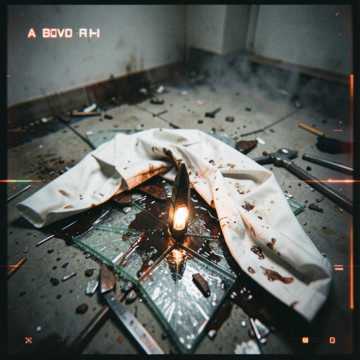
Marvel lobezno 27
Logan enfrenta al científico responsable de su tormento en las ruinas del laboratorio. Impulsado por la memoria de sus aliados caídos, convierte su furia en justicia y destruye el imperio que los redujo a experimentos, cerrando por fin un ciclo de dolor.
04:24
3 days ago
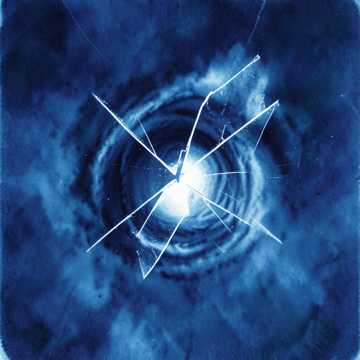
Marvel lobezno 27
Logan queda atrapado en visiones venenosas sobre Arma X y sus pérdidas, pero transforma el dolor en furia. Al despertar su identidad de lobo ancestral, rompe la ilusión de Salamandra y regresa como un cazador implacable dispuesto a ajustar cuentas.
04:23
3 days ago
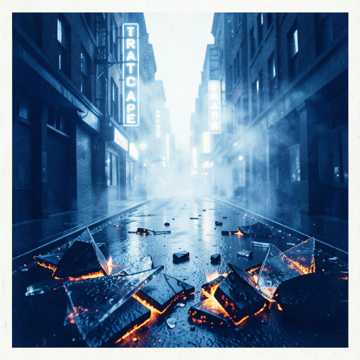
Marvel lobezno 26
Un guerrero marcado por el pasado vuelve a Tokio para ajustar cuentas con sus enemigos. Entre neones, lluvia y violencia, transforma la ciudad en escenario de una venganza feroz, impulsada por dolor, rabia y recuerdos imposibles de enterrar.
03:55
3 days ago
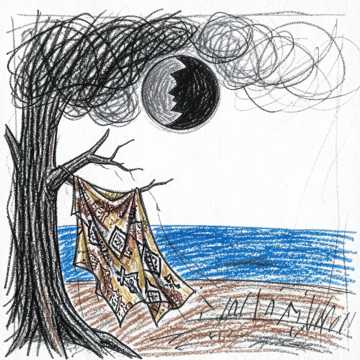
Gurindam Angin Senja
Sebuah ratapan cinta yang ditinggalkan, dibalut citra laman berembun, laut Selat dan bunyi tradisi Melayu. Rindu disampaikan kepada angin senja, sementara zapin, serunai dan gamelan bertemu ledakan metal simfoni yang dramatik.
05:09
3 days ago
Marvel lobezno 25
Un guerrero consumido por el dolor regresa a un mundo corrupto para saldar antiguas deudas. Entre lluvia, ceniza, adamantium y fuego, emprende una cruzada contra héroes y villanos, buscando vengar a sus caídos y cerrar definitivamente un ciclo de sufrimiento.
04:38
3 days ago
کلات خانه امیدم
این سرود حماسی، کلات نادری را سرزمینی استوار، تاریخی و سرشار از مهر معرفی میکند. شعر، طبیعت، دلاوری، تنوع قومی، بناهای ماندگار و امید به آبادانی فردا را در ستایش وحدت و هویت خراسانی به هم پیوند میدهد.
04:58
3 days ago

ನರೇಂದ್ರ ಮೋದಿ srk
ಈ ಗೀತೆಯು ಸ್ಪೂರ್ತಿದಾಯಕ ಮತ್ತು ಶಕ್ತಿಯುತ ನಾದದೊಂದಿಗೆ ನಾಯಕತ್ವ ಹಾಗೂ ಚೈತನ್ಯವನ್ನು ವೈಭವೀಕರಿಸುತ್ತದೆ. ಸಿನಿಮಾ ಶೈಲಿಯ ಅದ್ಭುತ ಸಂಗೀತ, ಆಶಾವಾದಿ ಭಾವನೆ ಮತ್ತು ಉಲ್ಲಾಸದ ಅನುಭವವನ್ನು ನೀಡುವ ಒಂದು ಅಪೂರ್ವ ರಾಗ ಸಂಯೋಜನೆ ಇದಾಗಿದೆ.
03:04
3 days ago

Marvel lobezno 23
Logan afronta la culpa de haber matado otra vez a sus compañeros para escapar de un ciclo cruel. Entre sangre, ceniza y garras de adamantium, transforma su dolor en una promesa: alcanzar al responsable y poner fin al infierno.
04:13
3 days ago

東京の空の下
雨に包まれた東京で、離れた相手との約束を支えに困難を越えようとする二人の物語。切ない記憶から始まり、仲間のような合唱とともに希望の朝へ羽ばたく決意へと昇華する。
04:29
3 days ago
Introduction to Orchestral: Definition and History
Orchestral music refers to compositions specifically created for an orchestra, a large ensemble of musicians divided into sections based on the type of instrument: strings, woodwinds, brass, and percussion. The origins of orchestral music trace back to the early Baroque period in the 17th century, where the modern orchestra began to take shape with the works of composers like Claudio Monteverdi. Over time, orchestral music evolved significantly, with the Classical period, led by figures like Wolfgang Amadeus Mozart and Ludwig van Beethoven, establishing the structure and form commonly associated with orchestral works today. The Romantic era further expanded the size of the orchestra and introduced more complex and expressive compositions. Orchestral music continues to be a cornerstone of classical music and has found its place in modern media, including film, television, and video games.
Sub-tags and Classifications within Orchestral Music
Symphonic
Symphonic music is a major sub-tag of orchestral music, characterized by large-scale works typically divided into multiple movements. Symphonies are a staple of the orchestral repertoire, often composed to explore a wide range of emotions and themes. Famous symphonic works include Beethoven's Symphony No. 9 and Tchaikovsky's Symphony No. 6.
Chamber Orchestra
Chamber orchestra refers to a smaller ensemble of musicians, often performing more intimate compositions. This sub-tag includes works that are composed for smaller spaces and typically involve fewer instruments. Examples include Mozart's Eine kleine Nachtmusik and Barber's Adagio for Strings.
Concertos
Concertos are orchestral works that feature a solo instrument or a group of solo instruments contrasted with the full orchestra. This sub-tag highlights the virtuosic interplay between the soloist(s) and the ensemble. Iconic concertos include Vivaldi's The Four Seasons and Rachmaninoff's Piano Concerto No. 2.
Ballet and Opera Orchestras
This classification involves orchestral music composed specifically for ballet and opera performances. The orchestra plays a critical role in setting the mood, supporting vocal performances, and enhancing the narrative. Examples include Tchaikovsky's The Nutcracker Suite and Wagner's The Ring Cycle.
Film Scores
Film scores represent a modern application of orchestral music, where composers create soundtracks to enhance the emotional and narrative elements of movies. Iconic film scores include John Williams' music for Star Wars and Hans Zimmer's score for Inception.
Famous Artists and Iconic Works in Orchestral Music
Ludwig van Beethoven
Beethoven is one of the most influential figures in orchestral music, known for his innovative approach to symphonic form and emotional depth. His Symphony No. 9, featuring the 'Ode to Joy,' is a landmark in orchestral composition, blending voices with the orchestra in a powerful expression of human unity and triumph.
Beethoven's Symphony No. 5
Symphony No. 5 is one of the most recognized and frequently performed orchestral works in the world. Its famous four-note motif is known worldwide, and the symphony as a whole is celebrated for its dynamic contrasts, innovative use of form, and powerful emotional impact.
Igor Stravinsky
Stravinsky revolutionized orchestral music with his bold use of rhythm, harmony, and structure. His work The Rite of Spring is a seminal piece that broke new ground in orchestration and is famous for its complexity and the riot it caused at its premiere in 1913.
Tchaikovsky's Swan Lake
Swan Lake is a ballet score that has become a staple of the orchestral repertoire. Tchaikovsky's music is renowned for its expressive melodies, rich orchestration, and ability to convey the drama and romance of the ballet. The suite derived from this score is frequently performed in concert settings.
John Williams
John Williams is a modern master of orchestral music, best known for his work in film scores. His compositions for movies such as Star Wars, Jurassic Park, and Harry Potter have become iconic, showcasing his ability to create memorable themes and evoke powerful emotions through orchestration.
Stravinsky's The Firebird
The Firebird is one of Stravinsky's early masterpieces, blending Russian folk music with innovative orchestration. This orchestral work, originally composed for the ballet, is notable for its vivid depiction of the story through music and its use of color and texture to create a magical atmosphere.
Application Scenarios for Orchestral Music
Orchestral music is widely used in film soundtracks to enhance the emotional depth and narrative of movies. Composers like John Williams and Hans Zimmer have used orchestral scores to create iconic soundtracks that are integral to the films' identities, such as the Star Wars series and Inception.
Film Soundtracks
In the gaming industry, orchestral music is employed to create immersive and dynamic soundscapes. Games like The Legend of Zelda and Final Fantasy series have memorable orchestral scores that play a key role in enhancing the player's experience.
Video Game Music
Orchestral music is a staple of live performances in concert halls around the world. Symphonies, concertos, and other orchestral works are performed by professional ensembles to large audiences, showcasing the art of live orchestration and interpretation.
Live Performances
Orchestral music is also used in advertising to evoke a sense of grandeur, elegance, or emotional impact. Companies often use orchestral compositions to make their ads more memorable and impactful, helping to associate their brands with these positive attributes.
Advertising