Free Pentatonic Music Generator Powered by AI
Turn text into high-quality Pentatonic music effortlessly – no login required!

music.toolTips

kora
Une méditation musicale sur un chant ancestral qui accueille sans juger. La voix, les cordes et les percussions africaines transforment les doutes et les larmes en proximité, en mémoire partagée et en sourire réparateur.
03:17
2026-08-13
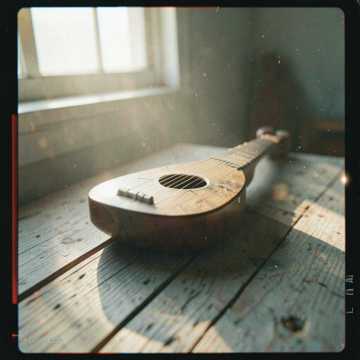
kora
Cette chanson célèbre un chant ancien et universel qui accueille sans juger. Portée par la kora et des couleurs africaines, elle transforme les doutes, les larmes et la mémoire partagée en une étreinte musicale douce, fraternelle et apaisante.
03:33
2026-08-13

kora
Kora évoque un chant venu des origines, capable d’apaiser les blessures, d’accueillir les larmes et de rapprocher les êtres. Entre spoken word, voix harmonisées et instruments ouest-africains, la chanson célèbre la mémoire, la douceur et une fraternité sans jugement.
03:15
2026-08-13
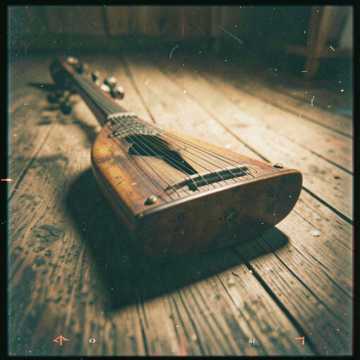
kora
Ce chant accueille chacun sans jugement et relie les mémoires anciennes aux émotions présentes. La kora, le balafon et la voix dessinent un espace de méditation, de consolation et de partage, où les larmes se libèrent doucement dans un sourire fraternel.
02:55
2026-08-13
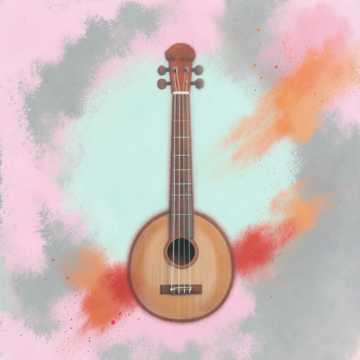
kora
Kora célèbre un chant venu des profondeurs du temps, capable de consoler sans juger. Entre douceur, mémoire et partage, la voix et les cordes créent un espace méditatif où les larmes se libèrent et où l’étranger devient proche.
03:04
2026-08-13
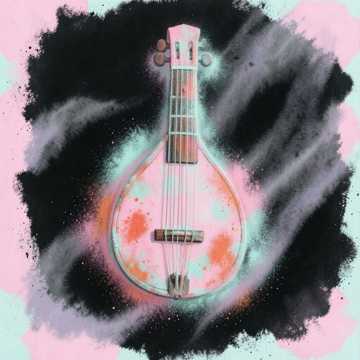
kora
Ce chant venu du fond des âges offre une étreinte musicale sans jugement. La kora accompagne une voix masculine dans un voyage de mémoire, de douceur et de partage, où les larmes deviennent sourire et où l’étranger paraît soudain proche.
03:01
2026-08-13
kora
Un chant ancestral et réconfortant où la kora devient une voix fraternelle. Elle accompagne les méditations, libère les émotions et rapproche les êtres, en transformant les larmes secrètes en douceur, en sourire et en mémoire partagée.
03:08
2026-08-13
kora
Kora présente la musique comme une présence fraternelle venue du fond des âges. Portée par des cordes délicates et des percussions africaines, elle accueille les blessures intimes, libère les larmes et rapproche les êtres par la mémoire, la méditation et un sourire partagé.
02:21
2026-08-13
kora
Une ode apaisante à la kora et aux mémoires partagées. Sa voix fraternelle accueille les blessures sans jugement, unit sourire et larmes, et transforme l'écoute en un espace de méditation, de consolation et de proximité humaine.
02:49
2026-08-13
kora
Une ode intime à la kora et au chant ancestral, qui accueille les fragilités sans jugement. Entre cordes méditatives, balafon et voix fraternelle, la chanson transforme les larmes enfouies en sourire partagé et en mémoire vivante.
02:58
2026-08-13
kora
Un chant ancien et universel qui accompagne chacun avec douceur. La kora, le balafon et les voix évoquent la mémoire, la fraternité, la méditation et les larmes secrètes qui se transforment en sourire et en liberté.
02:45
2026-08-13
kora
Porté par la kora et une voix fraternelle, ce chant venu des âges invite à la méditation. Il transforme les questions intimes, les larmes enfouies et les sourires partagés en une douceur libératrice, au cœur d’une rencontre entre tradition africaine et émotion universelle.
02:40
2026-08-13

kora
Kora célèbre un chant ancestral qui accueille chaque être, apaise les blessures et répond aux questionnements intimes. Portée par la kora, le balafon, la harpe et le djembé, la chanson unit méditation, fraternité, douceur et joie mélancolique dans une atmosphère africaine et spirituelle.
04:29
2026-08-13
kora
Une voix masculine célèbre la kora comme une présence fraternelle et ancestrale. Entre douceur, méditation et rythmes ouest-africains, le chant accueille les blessures intimes, apaise les larmes et unit les cœurs dans un sourire partagé.
02:59
2026-08-13
kora
Kora célèbre une voix ancestrale qui accompagne, console et rassemble. Portée par les cordes de la kora, le balafon et le djembé, la chanson unit douceur africaine, larmes libérées et sourires partagés dans une atmosphère intime et chaleureuse.
02:07
2026-08-13
kora
Ce chant ancestral porté par la kora devient une présence fraternelle. Il répond aux questionnements intimes, sèche les larmes enfouies et unit douceur, mémoire africaine et joie partagée dans un paysage musical pentatonique, entre voix, balafon, djembé et cordes vibrantes.
04:00
2026-08-13
kora
Ce chant ancestral offre une présence fraternelle à celles et ceux qui cherchent du réconfort. Porté par les cordes de la kora, le balafon et les percussions, il transforme les émotions enfouies en une rencontre douce entre larmes, sourires et liens humains.
03:03
2026-08-13

Monkey Lantern Trail
A mischievous mid-tempo instrumental adventure led by kalimba and marimba. Sparse plucked motifs grow into bright mallet harmonies, while woodblocks, bells, shakers, and layered percussion create an earthy, cinematic trail of playful discovery.
02:24
2026-08-10
የታረድከው
መዝሙሩየኢየሱስንየመስቀልሥቃይ፣የተሰዋውንደምእናለሰውልጅየተገኘውንድነትበኀዘንናበምስጋናይዘምራል።የቁስሉንሕመምከፍቅሩጋርበማጣመርወደንስሐ፣አምልኮእናሰላምይመራል።
07:02
2026-08-09

C major pentatonic M
An instrumental electronic composition centered on the C major pentatonic scale, combining trance propulsion, progressive development, and EBM intensity. With no lyrics, its identity comes from rhythm, repetition, evolving textures, and a futuristic dance-oriented atmosphere.
02:21
2026-07-30
Introduction to Pentatonic Scales
The Pentatonic scale is a musical scale with five notes per octave, as opposed to the heptatonic (seven-note) scales such as the major and minor scales. The term 'pentatonic' comes from the Greek words 'pente,' meaning five, and 'tonos,' meaning tone. The origins of the Pentatonic scale can be traced back to ancient cultures across the globe, including Asia, Africa, and Europe. It is one of the oldest musical scales known to humanity and has been used in various forms of music throughout history. In traditional Chinese music, for example, the Pentatonic scale forms the foundation of much of the classical repertoire. Similarly, in Celtic music, it is often heard in folk tunes and dance music. The simplicity and versatility of the Pentatonic scale have made it a staple in many musical traditions, from jazz and blues to rock and classical music.
Sub-tags and Classifications of Pentatonic Scales
Major Pentatonic
The Major Pentatonic scale is derived from the major scale by omitting the fourth and seventh notes. This scale is commonly used in Western music genres such as country, rock, and pop. It has a bright and uplifting sound, making it suitable for melodies that are meant to be positive and straightforward.
Minor Pentatonic
The Minor Pentatonic scale is derived from the natural minor scale by omitting the second and sixth notes. It is frequently used in blues, jazz, and rock music. The Minor Pentatonic scale is known for its soulful and melancholic tone, often used to convey emotion and depth in music.
Blues Scale
The Blues scale is an extension of the Minor Pentatonic scale, with the addition of a 'blue note,' typically the diminished fifth. This scale is a cornerstone of blues music and is also widely used in jazz and rock. The Blues scale adds a unique, expressive quality to music, characterized by its 'bluesy' sound.
Hirajōshi Pentatonic
The Hirajōshi scale is a Japanese Pentatonic scale that omits certain notes from the natural scale to create a more exotic sound. This scale is often used in traditional Japanese music and is known for its distinctive and haunting quality.
Egyptian Pentatonic
The Egyptian Pentatonic scale is another variant of the Pentatonic family, often associated with Middle Eastern and North African music. This scale has a mystical and ancient sound, making it suitable for creating an exotic atmosphere in music.
Famous Artists and Iconic Works in Pentatonic Music
B.B. King
B.B. King, known as the 'King of the Blues,' extensively used the Minor Pentatonic scale in his guitar solos. His work, particularly the song 'The Thrill Is Gone,' is a prime example of the emotional depth that the Pentatonic scale can convey in blues music.
Amazing Grace
'Amazing Grace' is a classic hymn that utilizes the Major Pentatonic scale. The simplicity of the scale allows the melody to be easily sung by congregations, contributing to its enduring popularity. The use of the Pentatonic scale gives the hymn a spiritual and uplifting quality.
Jimi Hendrix
Jimi Hendrix was a master of the guitar who revolutionized rock music with his use of the Pentatonic scale. Songs like 'Voodoo Child (Slight Return)' showcase his innovative use of the Minor Pentatonic scale, blending it with elements of the blues to create a powerful and expressive sound.
Auld Lang Syne
This traditional Scottish song, often sung at New Year's celebrations, is based on the Major Pentatonic scale. The Pentatonic structure lends the song a sense of nostalgia and universality, making it recognizable and emotionally resonant across cultures.
Claude Debussy
Claude Debussy, a French composer, was known for incorporating the Pentatonic scale into his compositions, particularly influenced by Eastern music. His piece 'Pagodes' from the suite 'Estampes' is a notable example of the use of the Pentatonic scale in classical music, evoking the sounds of Javanese gamelan music.
Redemption Song
Bob Marley's 'Redemption Song' is a powerful example of the Minor Pentatonic scale in modern music. The song's poignant melody, driven by the simplicity of the Pentatonic scale, underscores its message of freedom and human rights.
Application Scenarios for Pentatonic Music
Pentatonic scales are often used in movie soundtracks to evoke specific emotions or cultural settings. For example, the use of the Minor Pentatonic scale in a film score can convey a sense of melancholy or introspection, while the Major Pentatonic scale might be used to enhance scenes of joy or triumph.
Movie Soundtracks
The Pentatonic scale is popular in advertising music due to its universal appeal and easy-to-remember melodies. Jingles or background music based on the Pentatonic scale can create an immediate connection with the audience, making the product or brand more memorable.
Advertising Music
In video games, the Pentatonic scale is often employed to create immersive and culturally themed soundtracks. For instance, games set in ancient China or Japan might use the Hirajōshi or Major Pentatonic scales to enhance the authenticity and atmosphere of the game world.
Game Background Music