Free Shakuhachi Music Generator Powered by AI
Turn text into high-quality Shakuhachi music effortlessly – no login required!

music.toolTips

Japanese langit tanpa
愛する人を失った主人公が、桜、月明かり、星空の記憶をたどりながら、永遠の愛と再会への願いを歌う。静かな哀しみから壮大な絶唱へ高まり、最後は笛とピアノが別れの余韻を残す。
04:35
5 days ago
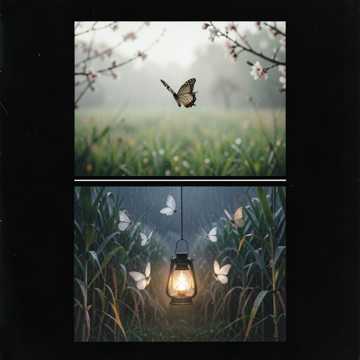
A Butterfly Will Soar
蝶の飛翔を、子どもの成長、仲間との旅、信仰、そして新たな始まりの象徴として描く壮大なバイリンガル楽曲。幼い日本語歌唱、呼び声、英語コーラスと和楽器の響きが、夢見る勇気と優しい守護の感覚を広げる。
06:29
6 days ago

Mystic Hall
A mysterious, sensual instrumental that unfolds from restrained atmospheric space into a fuller88 BPM groove, blending Gregorian-inspired choral textures, shakuhachi, pan flute, deep bass, and reverberant synths before dissolving into ambient silence.
04:28
7 days ago

Make a Place
A gentle communal anthem that invites people of every language, home, and story to live side by side. Its intimate verses and welcoming chorus turn everyday acts of sharing into a vision of peace, kindness, and one human family.
02:30
9 days ago
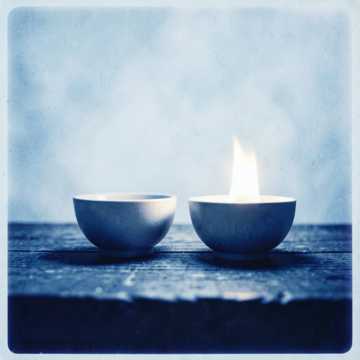
A Little Welcome
A Little Welcome celebrates hospitality, cultural exchange, and peace through images of shared meals, open doors, listening, and joined hands. Its gentle world-fusion arrangement builds a warm communal atmosphere, showing how small gestures of kindness can create belonging across borders.
03:00
9 days ago

Dripping Shadows
A140 BPM dark trap instrumental that moves through restrained, shadowy passages and sudden silent breaks before returning with forceful sub-bass drops. Water-like percussion and sparse Japanese pentatonic flute motifs create a stealthy, cinematic atmosphere.
03:04
9 days ago
Lej, lej, Leno (レイ、レイ, 霊魂)
Песма приказује занесеног и пркосног љубавника који се клања лепоти, али истовремено препознаје њену опасну моћ. Српски позиви и јапански одговори граде ритуални дуел, док понављајући мотив, микротонална клизања и индустријски ударац претварају страст у хипнотичку, готичку поворку.
04:53
11 days ago
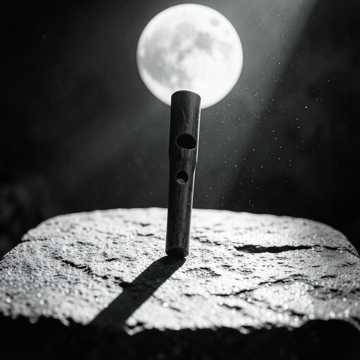
# Le Vent silencieux de Konoha
'Le Vent silencieux de Konoha' célèbre Natsuo Hyūga, un shinobi guidé par le devoir plutôt que la gloire. Alliant flûte traditionnelle, tambours taiko et cordes épiques, cette ballade poignante retrace le parcours stoïque d'un protecteur prêt à défendre les siens au cœur de l'ombre.
05:55
14 days ago
# Le Vent silencieux de Konoha
'Le Vent silencieux de Konoha' est une ballade contemplative retraçant l'engagement de Natsuo Hyūga. Alliant pudeur et détermination, ce morceau célèbre l'honneur, le devoir et la protection des innocents, au son des instruments traditionnels japonais et des tambours taiko.
06:10
14 days ago

春の名を呼ぶまで
厳しい雪国の冬の中、小さな火種を守りながら春と愛する人の帰りを信じて耐え忍ぶ、儚くも強い希望を描いた和風J-pop作品。
04:22
15 days ago
j12
A90 BPM instrumental hip hop piece that evolves from transparent piano, shakuhachi, and koto textures into warm rhythmic layers, then pauses in near silence before returning with a darker, emotionally weighted pulse.
03:17
19 days ago

NARUTO – FEUER IN MIR
Ein cineastischer Rawstyle-Anime-Track, der Narutos Entwicklung von Einsamkeit, Freundschaft und Verlust bis zu Hoffnung, Frieden und unerschütterlichem Willen erzählt. Deutsche Duett-Vocals, japanische Zeilen und explosive Festival-Drops verbinden die Welt von Konoha mit emotionaler Energie.
06:29
29 days ago

Nindo- Gib niemals auf
Ein cineastischer Rawstyle-Track über Narutos Weg vom einsamen Außenseiter zum Hokage. Deutsche und japanische Duettstimmen verbinden Schmerz, Freundschaft und Vergebung mit explosiven Drops, taiko-getriebenen Builds und dem entschlossenen Nindo, trotz jedes Rückschlags weiterzugehen.
06:56
29 days ago

Ruf nach mir
Ein verlorener Wanderer ruft durch Schatten, Zweifel und zerbrochene Träume nach Verbindung. Die düstere Suche wächst zu einem entschlossenen Versprechen: Gemeinsam finden verlorene Seelen ihren Weg und geben trotz aller Stille niemals auf.
06:47
29 days ago

exp ethnic 39 ( aimusic.so )
This dynamic ethnic fusion composition seamlessly blends world instruments—including handpan, bansuri, and shakuhachi—with energetic drum and bass beats and ethereal female vocals, delivering a transcendent balance of ancient acoustic warmth and modern electronic intensity.
03:52
2026-09-28

gouttes
gouttes explore la fragilité humaine, le poids du moi et les renoncements qui rapetissent l’être. Dans une atmosphère douce et épique, la pluie devient métaphore des larmes, tandis que le morceau invite à évoluer, à libérer ses forces et à laisser rugir le guépard intérieur.
03:18
2026-09-27

gouttes
Gouttes explore la fragilité humaine, l’emprise du moi et la nécessité d’évoluer. Entre ciel intérieur, renoncements et pluie libératrice, la voix féminine s’élève sur une atmosphère douce, dramatique et méditative, portée par le shakuhachi, le koto et des chœurs lumineux.
03:00
2026-09-27

gouttes
Gouttes explore la lutte entre l’ego, la vulnérabilité et le désir d’évoluer. À travers des images de ciel, de pluie et de larmes, la chanson transforme la douleur intérieure en quête de renouveau, portée par une atmosphère méditative, dramatique et doucement héroïque.
03:04
2026-09-27
gouttes
Gouttes explore la tension entre l'ego et l'ouverture au monde. Ses images de ciel, de pluie et de cœurs fragiles accompagnent un chemin d'introspection, de renoncement et d'évolution, jusqu'à l'appel final à libérer une force intérieure sauvage et poétique.
03:04
2026-09-27

До меня (японская фактура)
Интимная история человека, сомневающегося в собственных воспоминаниях и происхождении чувств. Через образ матери, старого дома, моря и чужого имени песня превращает страх наследования в болезненное, но честное принятие себя, где прошлое становится частью собственной личности.
05:18
2026-09-26
Introduction to Shakuhachi: A Traditional Japanese Bamboo Flute
The Shakuhachi is a traditional Japanese bamboo flute that has been played for centuries. It is characterized by its unique, breathy sound and is traditionally made from the root end of a bamboo stalk. The name 'Shakuhachi' comes from its length, approximately 1.8 feet (54.5 cm), with 'shaku' meaning foot and 'hachi' meaning eight. The instrument has its origins in ancient China but was brought to Japan around the 7th century. Over time, the Shakuhachi evolved in Japan, becoming an essential instrument in the practice of Zen Buddhism. It was used by the Komusō monks of the Fuke sect as a tool for meditation and was associated with the concept of 'blowing Zen' or 'Suizen.' The Shakuhachi experienced a revival in the Edo period and became integrated into classical Japanese music, such as the Sankyoku ensemble.
Sub-tags and Classifications of Shakuhachi Music
Honkyoku
Honkyoku refers to the original pieces of music composed and played by the Komusō monks for meditation purposes. These compositions are typically slow and contemplative, emphasizing the spiritual and meditative aspects of Shakuhachi playing. Honkyoku is considered the most traditional form of Shakuhachi music.
Sankyoku
Sankyoku is a genre of traditional Japanese chamber music that typically involves a trio of instruments: the Koto, Shamisen, and Shakuhachi. In Sankyoku, the Shakuhachi often plays a melodic role, blending with the other instruments to create a harmonious and intricate sound.
Minyō
Minyō refers to Japanese folk music, in which the Shakuhachi is often used to accompany vocal performances. The instrument adds a distinctive, airy quality to the music, complementing the rustic and traditional feel of Minyō songs.
Modern Shakuhachi
Modern Shakuhachi encompasses contemporary compositions and performances that blend traditional techniques with modern musical styles. This includes collaborations with Western classical music, jazz, and experimental genres, expanding the versatility and global appeal of the Shakuhachi.
Famous Artists and Iconic Works in Shakuhachi Music
Watazumi Doso Roshi
Watazumi Doso Roshi was a highly influential Shakuhachi master known for his powerful and expressive playing. He emphasized the spiritual aspects of Shakuhachi music, viewing it as a path to enlightenment. His contributions to the Honkyoku repertoire and his teaching methods have left a lasting legacy in the world of Shakuhachi.
Shika no Tone
Shika no Tone, or 'The Distant Cry of the Deer,' is one of the most famous Honkyoku pieces. It is traditionally played as a duet and is characterized by its evocative and melancholic melodies, which are meant to mimic the calls of deer in the autumn. The piece exemplifies the meditative and expressive qualities of Shakuhachi music.
Kinko Kurosawa
Kinko Kurosawa was a prominent figure in the Edo period, credited with systematizing the Shakuhachi music tradition. He compiled and arranged many Honkyoku pieces, which are still studied and performed by Shakuhachi players today. His work laid the foundation for what is now known as the Kinko-ryū school of Shakuhachi.
Tsuru no Sugomori
Tsuru no Sugomori, or 'Nesting of Cranes,' is another iconic Honkyoku piece. This work depicts the life cycle of cranes through a series of intricate and delicate musical phrases. The piece showcases the Shakuhachi's ability to convey natural sounds and emotions, making it a masterpiece in the traditional repertoire.
Hozan Yamamoto
Hozan Yamamoto was a pioneering Shakuhachi artist who brought the instrument into the modern era. He was known for his versatility, performing not only traditional Japanese music but also jazz and contemporary compositions. His innovative approach helped popularize the Shakuhachi worldwide.
Haru no Umi
Haru no Umi, or 'The Sea in Spring,' is a famous modern piece composed by Michio Miyagi. The Shakuhachi and Koto are featured prominently, with the music evoking the gentle waves and peaceful atmosphere of the sea in springtime. This piece is a staple in the Sankyoku repertoire and demonstrates the Shakuhachi's ability to blend with other instruments in a modern context.
Application Scenarios for Shakuhachi Music
Shakuhachi music is often used in movie soundtracks to evoke a sense of tranquility, nostalgia, or mystery. Its distinctive sound can instantly transport listeners to a traditional Japanese setting, making it a popular choice for films depicting historical or cultural themes.
Movie Soundtracks
In advertising, the Shakuhachi is used to create a serene and elegant atmosphere, often in commercials that aim to convey a sense of tradition, craftsmanship, or luxury. The instrument's unique tonal qualities help to make advertisements memorable and impactful.
Advertising Music
The Shakuhachi is frequently featured in video game soundtracks, particularly in games set in Japan or those that incorporate elements of Japanese culture. Its sound adds authenticity and emotional depth to the gaming experience, enhancing the overall atmosphere.
Video Game Background Music