Free Shakuhachi Music Generator Powered by AI
Turn text into high-quality Shakuhachi music effortlessly – no login required!

music.toolTips

Cyber Samurai
A fierce cyberpunk samurai dominates Neo-Edo through boastful rap, lethal imagery, and unwavering confidence. Heavy trap production collides with shamisen, shakuhachi, glitch effects, and Japanese battle language to create a cinematic anthem of power, discipline, and futuristic rebellion.
03:30
2026-09-24
Stone Koto Bath
A slow, spacious Japanese Zen ambient piece shaped by intimate koto phrases, soft shakuhachi responses, sparse taiko, mokugyo taps, and distant bells. Its silence, water textures, and bamboo-like ambience create a deeply calming journey suited to meditation, rest, bathing, and contemplative listening.
03:53
2026-09-23
Koto Steam Room
A slow, minimalist Zen soundscape centered on delicate koto phrases, answered by shakuhachi, distant bells, sparse taiko, and flowing water. Generous silence and warm resonance create a deeply calming atmosphere suited to meditation, spa treatments, mindfulness, sleep, and quiet reflection.
02:00
2026-09-23

月明かりの矜持
伝統和楽器と未来派ヒップホップが融合。月夜の下、揺るぎない矜持を胸に自らの道を開拓する若者の強い意志を描いた一曲。
02:58
2026-09-23
新しい季節を
失った人への想いを胸に抱きながら、春夏秋冬の風景を通して再生へ歩み出す歌。別れの痛みを否定せず、今日の光と新しい季節を受け入れる、静かで希望に満ちた作品。
03:47
2026-09-22
白い椿
庭に咲く白い椿を象徴に、帰らぬ人への深い哀惜と消えない記憶を描く歌曲。古い便り、春の川、雪解け水に祈りを託し、静かな受容と永遠の想いへと昇華していく。
03:43
2026-09-22
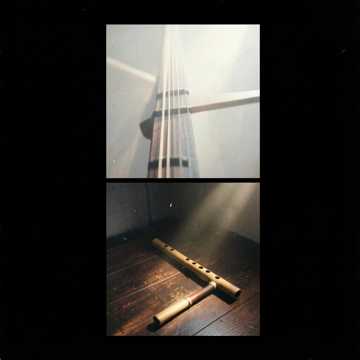
静かな庭
『静かな庭』は、宮廷音楽と室内楽の気品を備えた器楽曲です。五音音階の旋律、琴の流麗な響き、尺八の呼吸感、控えめな太鼓が、木造の静かな空間と季節の移ろいを描きます。
02:59
2026-09-22

Zorro del Campo
Una travesía acústica de aire campestre que une instrumentación japonesa tradicional y pulso folclórico. Sus melodías luminosas evocan a un zorro curioso recorriendo paisajes tranquilos, con una energía viva, amable y contemplativa.
03:20
2026-09-12
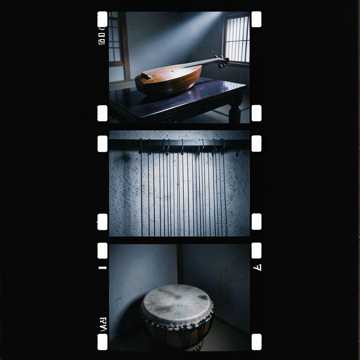
静かな朝の儀
静かな朝の祈りを思わせる序奏から、琵琶と琴、尺八、弦、太鼓が徐々に重なり、儀礼的な緊張と武の気配を描く。終盤は尺八を中心に内省的な余韻へ戻り、歴史的情景と映画的広がりを両立させている。
03:34
2026-09-12
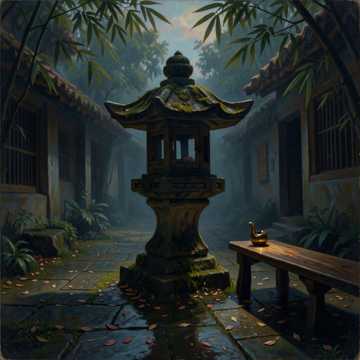
静かな庭
作品以克制的五声音阶和渐进式呼吸编排,营造温暖、内省的神社庭院氛围。稀疏尺八、琴与琵琶拨弦交织寺铃和木质空间回响,仿佛晨雾中的静庭,适合沉思、冥想与文化场景使用。
03:38
2026-09-12
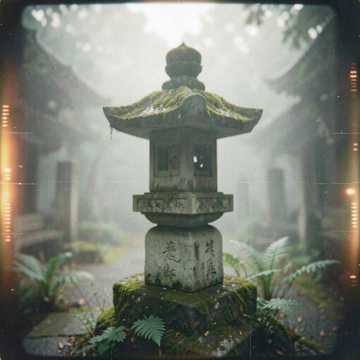
朝の静けさ
尺八の息遣い、箏の五音音階、琵琶と笙の淡い重なりが、夜明けの神社に満ちる静けさを描く。疎な始まりから穏やかな ceremonial moodへ移ろい、余韻を残して静かに解決するインストゥルメンタル作品。
03:27
2026-09-12
戦火の向こうで
戦火と絶望の渦中で絆と希望を求めて戦う姿を描いたドラマチックなアニメソング。和楽器とオーケストラル・ロックの融合が壮大なドラマを紡ぎ出します。
04:39
2026-09-05
失くした僕の名
記憶と正体を失った主人公が、姉妹の絆を頼りに禁断の扉を越え、二つの世界の運命に立ち向かう物語。戦場の悲劇、自己同一性への葛藤、再生への希望を、静寂から爆発的なロックへ至る旋律で描く。
05:06
2026-09-05
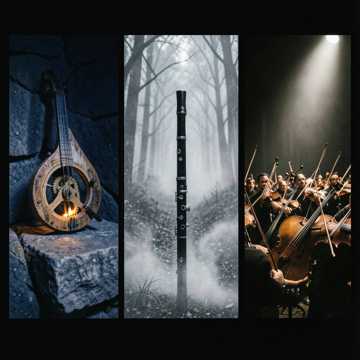
Hurdy-Gurdy Horizon
An instrumental journey from sparse medieval chamber textures to a thunderous cinematic climax. Gritty hurdy-gurdy, mystical shakuhachi, fiery fiddle, downtuned guitars, tribal drums, and shifting meters create a dark, adventurous horizon where ancient tradition meets progressive metal.
05:22
2026-08-29
Moon of Ash
A lone heir crosses snowbound mountain passes to recover the forgotten name of an erased dynasty. Mourning transforms into defiance as ancestral spirits, ruined banners, and sacred bells guide the final vow to restore a lost bloodline.
06:20
2026-08-29
Moonlit Clan Oath
An instrumental Japanese metal odyssey shaped by moonlit ritual, ancestral loyalty, and mountain mysticism. Pulsing arpeggios and traditional instruments build toward epic guitar-driven climaxes, while whispered passages and ghostly vocal layers create a dramatic sense of sacrifice, remembrance, and spiritual ascent.
04:53
2026-08-29

朧月の旗
歌詞を伴わない本作は、朧月の下に掲げられた旗を象徴に、和楽器の静謐さから轟くダブルキックと soaring なギターへ展開する。孤独、決意、伝統、そして最後の勝利を描く英雄的な音響詩である。
05:17
2026-08-29
孤高の刃
霧深い古代の山を舞台に、孤独な刃が千年の闇と消えゆく宿命に立ち向かう。三味線、尺八、太鼓、メタルギター、幻想的な合唱が、誇りと喪失、魂の安息を壮大かつ哀しく描き出す。
04:50
2026-08-29
Moon over Kagemori
A moonlit ritual unfolds through driving double-kicks, syncopated taiko, shamisen textures, pulsing arpeggios, and blackened guitar chugs. Whispered layers and shakuhachi cries build toward soaring harmonies, twin leads, choir swells, and a cinematic final surge that evokes haunted Japanese landscapes and heroic nocturnal transformation.
03:53
2026-08-26
Forgotten Samurai Clans
A dark, cinematic instrumental portraying fallen samurai clans through thunderous taiko, melancholic shamisen, shakuhachi, pulsing arpeggios, and soaring metal guitars. Sparse verses build into choir-lifted transitions and explosive choruses, creating a solemn yet powerful atmosphere suited to historical battles, fantasy storytelling, trailers, and dramatic gameplay.
05:08
2026-08-26
Introduction to Shakuhachi: A Traditional Japanese Bamboo Flute
The Shakuhachi is a traditional Japanese bamboo flute that has been played for centuries. It is characterized by its unique, breathy sound and is traditionally made from the root end of a bamboo stalk. The name 'Shakuhachi' comes from its length, approximately 1.8 feet (54.5 cm), with 'shaku' meaning foot and 'hachi' meaning eight. The instrument has its origins in ancient China but was brought to Japan around the 7th century. Over time, the Shakuhachi evolved in Japan, becoming an essential instrument in the practice of Zen Buddhism. It was used by the Komusō monks of the Fuke sect as a tool for meditation and was associated with the concept of 'blowing Zen' or 'Suizen.' The Shakuhachi experienced a revival in the Edo period and became integrated into classical Japanese music, such as the Sankyoku ensemble.
Sub-tags and Classifications of Shakuhachi Music
Honkyoku
Honkyoku refers to the original pieces of music composed and played by the Komusō monks for meditation purposes. These compositions are typically slow and contemplative, emphasizing the spiritual and meditative aspects of Shakuhachi playing. Honkyoku is considered the most traditional form of Shakuhachi music.
Sankyoku
Sankyoku is a genre of traditional Japanese chamber music that typically involves a trio of instruments: the Koto, Shamisen, and Shakuhachi. In Sankyoku, the Shakuhachi often plays a melodic role, blending with the other instruments to create a harmonious and intricate sound.
Minyō
Minyō refers to Japanese folk music, in which the Shakuhachi is often used to accompany vocal performances. The instrument adds a distinctive, airy quality to the music, complementing the rustic and traditional feel of Minyō songs.
Modern Shakuhachi
Modern Shakuhachi encompasses contemporary compositions and performances that blend traditional techniques with modern musical styles. This includes collaborations with Western classical music, jazz, and experimental genres, expanding the versatility and global appeal of the Shakuhachi.
Famous Artists and Iconic Works in Shakuhachi Music
Watazumi Doso Roshi
Watazumi Doso Roshi was a highly influential Shakuhachi master known for his powerful and expressive playing. He emphasized the spiritual aspects of Shakuhachi music, viewing it as a path to enlightenment. His contributions to the Honkyoku repertoire and his teaching methods have left a lasting legacy in the world of Shakuhachi.
Shika no Tone
Shika no Tone, or 'The Distant Cry of the Deer,' is one of the most famous Honkyoku pieces. It is traditionally played as a duet and is characterized by its evocative and melancholic melodies, which are meant to mimic the calls of deer in the autumn. The piece exemplifies the meditative and expressive qualities of Shakuhachi music.
Kinko Kurosawa
Kinko Kurosawa was a prominent figure in the Edo period, credited with systematizing the Shakuhachi music tradition. He compiled and arranged many Honkyoku pieces, which are still studied and performed by Shakuhachi players today. His work laid the foundation for what is now known as the Kinko-ryū school of Shakuhachi.
Tsuru no Sugomori
Tsuru no Sugomori, or 'Nesting of Cranes,' is another iconic Honkyoku piece. This work depicts the life cycle of cranes through a series of intricate and delicate musical phrases. The piece showcases the Shakuhachi's ability to convey natural sounds and emotions, making it a masterpiece in the traditional repertoire.
Hozan Yamamoto
Hozan Yamamoto was a pioneering Shakuhachi artist who brought the instrument into the modern era. He was known for his versatility, performing not only traditional Japanese music but also jazz and contemporary compositions. His innovative approach helped popularize the Shakuhachi worldwide.
Haru no Umi
Haru no Umi, or 'The Sea in Spring,' is a famous modern piece composed by Michio Miyagi. The Shakuhachi and Koto are featured prominently, with the music evoking the gentle waves and peaceful atmosphere of the sea in springtime. This piece is a staple in the Sankyoku repertoire and demonstrates the Shakuhachi's ability to blend with other instruments in a modern context.
Application Scenarios for Shakuhachi Music
Shakuhachi music is often used in movie soundtracks to evoke a sense of tranquility, nostalgia, or mystery. Its distinctive sound can instantly transport listeners to a traditional Japanese setting, making it a popular choice for films depicting historical or cultural themes.
Movie Soundtracks
In advertising, the Shakuhachi is used to create a serene and elegant atmosphere, often in commercials that aim to convey a sense of tradition, craftsmanship, or luxury. The instrument's unique tonal qualities help to make advertisements memorable and impactful.
Advertising Music
The Shakuhachi is frequently featured in video game soundtracks, particularly in games set in Japan or those that incorporate elements of Japanese culture. Its sound adds authenticity and emotional depth to the gaming experience, enhancing the overall atmosphere.
Video Game Background Music