Free Shakuhachi Music Generator Powered by AI
Turn text into high-quality Shakuhachi music effortlessly – no login required!

music.toolTips
霧の峠の鐘
霧深い峠と廃れた王国を舞台に、名もなき兵や迷える魂が祖先の火と守護の誓いを抱き、山を越えて帰るべき場所を探す物語。悲哀、鎮魂、再生への決意が、和楽器と壮大なメタルサウンドで描かれる。
04:59
2026-08-26
Ashes of Yamato
A vast, cinematic metal instrumental evoking the rise and ruin of an ancient empire. Thunderous taiko, shamisen, shakuhachi, layered choirs, pulsing arpeggios, and soaring guitars create a bright yet dark atmosphere of warfare, grief, honor, and remembrance.
03:54
2026-08-26
Clans of Ash
An epic instrumental journey through burning clans and ancient battlefields, combining melodic metal power with Japanese traditional timbres. Thunderous taiko, shamisen, shakuhachi, cinematic choir, and soaring guitars create a dark, heroic atmosphere suited to fantasy warfare, trailers, games, and dramatic storytelling.
04:20
2026-08-26
霧の一族
霧に包まれた一族の秘めたる運命と抗争を、重厚なツインギター、太鼓、三味線、尺八、女性ボーカルで描く。緊張感ある静寂から合唱と soaring guitar が広がり、古き伝承と鋼の意志が衝突する。
03:57
2026-08-26
Moon Over Kiso
A shadowy journey through moonlit Kiso, where heavy palm-muted guitars, taiko-driven rhythms, shamisen riffs, and shakuhachi textures create tension before expanding into soaring cinematic metal. Its mid-tempo force suits samurai imagery, dramatic trailers, focused workouts, and nocturnal storytelling.
04:39
2026-08-26
Moonlit Clan Oath
An oath-bound nocturnal metal piece where thunderous taiko, galloping guitars, shakuhachi, cinematic choirs, and soaring female vocals evoke a moonlit warrior clan preparing for battle. Its half-time pulse and icy grandeur suit fantasy trailers, ritual scenes, game soundtracks, and dramatic night journeys.
05:35
2026-08-26
朧の天守
歌詞を持たない器楽曲として、霧に包まれた古い天守の威厳と哀愁を描く。半テンポの太鼓、鋭いギター、尺八、合唱、広がる残響が、歴史的幻想と戦場の緊張感を壮大に演出する。
05:35
2026-08-26
Thé sur le tatami
Cette pièce instrumentale évoque une cérémonie du thé dans un espace zen, entre bruissements de bambou, souffles de shakuhachi, pincements de koto et pulsations de taiko. Son mouvement lent et sa texture chaleureuse invitent au calme, à la contemplation et à une écoute profondément immersive.
04:04
2026-08-23
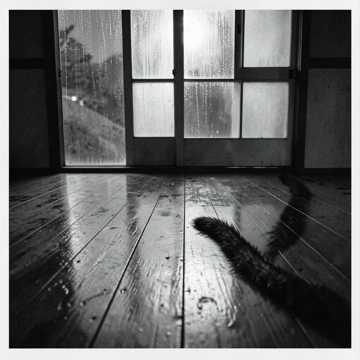
二つの尾
見捨てられた猫が、二本の尾を持つねこまたとして蘇り、かつて自分を捨てた人間へ静かな復讐を遂げる。悲哀、孤独、怨念が、和風怪異と不穏な音像の中で次第に恐怖へ変わっていく。
06:07
2026-08-16
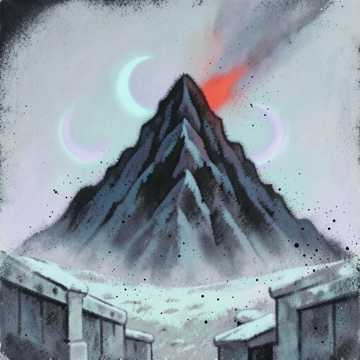
Moon Over Kuroji
A wordless cinematic journey through a haunted Japanese moonlit realm. Shakuhachi and koto emerge from spacious drones before biwa, shamisen, taiko, bells, and temple chimes intensify the scene into a powerful final surge, evoking mystery, ancestral spirits, hidden danger, and heroic destiny.
04:22
2026-08-11
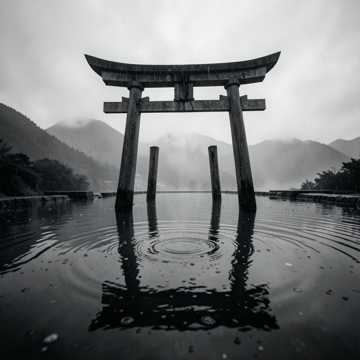
Torii at Dusk
A slow, cinematic instrumental that travels from intimate koto and shakuhachi reflections to a sweeping orchestral climax. Taiko pulses, temple bells, bamboo percussion, and rain-like textures create an ancient yet polished dusk-lit world.
03:47
2026-08-11
Yōkoso, 22
異文化の融合から鎖国、近代化、戦災、現代都市まで、日本の変遷を壮大かつ哀愁深く描く。和楽器、喉歌、ネオフォーク、行進曲、錯綜するリズムが、伝統と変化の緊張感を映し出す。
04:28
2026-08-10
Shogun Geisha 22
異国にいる語り手が、富士山から沖縄へ連なる記憶と祖先の声をたどり、日本への切実な帰属を歌う。哀切なフォークから緊迫した旋律へ移ろい、自由、痛み、大地の引力を映画的に浮かび上がらせる。
03:54
2026-08-10

Shogun
異国にいる語り手が、日本の山河、母の祈り、先祖の記憶へと心を帰らせる物語。富士山から沖縄までを結ぶ自由への希求を、哀切な民謡性と激しい世界音楽のリズムで描く。
04:14
2026-08-10
Introduction to Shakuhachi: A Traditional Japanese Bamboo Flute
The Shakuhachi is a traditional Japanese bamboo flute that has been played for centuries. It is characterized by its unique, breathy sound and is traditionally made from the root end of a bamboo stalk. The name 'Shakuhachi' comes from its length, approximately 1.8 feet (54.5 cm), with 'shaku' meaning foot and 'hachi' meaning eight. The instrument has its origins in ancient China but was brought to Japan around the 7th century. Over time, the Shakuhachi evolved in Japan, becoming an essential instrument in the practice of Zen Buddhism. It was used by the Komusō monks of the Fuke sect as a tool for meditation and was associated with the concept of 'blowing Zen' or 'Suizen.' The Shakuhachi experienced a revival in the Edo period and became integrated into classical Japanese music, such as the Sankyoku ensemble.
Sub-tags and Classifications of Shakuhachi Music
Honkyoku
Honkyoku refers to the original pieces of music composed and played by the Komusō monks for meditation purposes. These compositions are typically slow and contemplative, emphasizing the spiritual and meditative aspects of Shakuhachi playing. Honkyoku is considered the most traditional form of Shakuhachi music.
Sankyoku
Sankyoku is a genre of traditional Japanese chamber music that typically involves a trio of instruments: the Koto, Shamisen, and Shakuhachi. In Sankyoku, the Shakuhachi often plays a melodic role, blending with the other instruments to create a harmonious and intricate sound.
Minyō
Minyō refers to Japanese folk music, in which the Shakuhachi is often used to accompany vocal performances. The instrument adds a distinctive, airy quality to the music, complementing the rustic and traditional feel of Minyō songs.
Modern Shakuhachi
Modern Shakuhachi encompasses contemporary compositions and performances that blend traditional techniques with modern musical styles. This includes collaborations with Western classical music, jazz, and experimental genres, expanding the versatility and global appeal of the Shakuhachi.
Famous Artists and Iconic Works in Shakuhachi Music
Watazumi Doso Roshi
Watazumi Doso Roshi was a highly influential Shakuhachi master known for his powerful and expressive playing. He emphasized the spiritual aspects of Shakuhachi music, viewing it as a path to enlightenment. His contributions to the Honkyoku repertoire and his teaching methods have left a lasting legacy in the world of Shakuhachi.
Shika no Tone
Shika no Tone, or 'The Distant Cry of the Deer,' is one of the most famous Honkyoku pieces. It is traditionally played as a duet and is characterized by its evocative and melancholic melodies, which are meant to mimic the calls of deer in the autumn. The piece exemplifies the meditative and expressive qualities of Shakuhachi music.
Kinko Kurosawa
Kinko Kurosawa was a prominent figure in the Edo period, credited with systematizing the Shakuhachi music tradition. He compiled and arranged many Honkyoku pieces, which are still studied and performed by Shakuhachi players today. His work laid the foundation for what is now known as the Kinko-ryū school of Shakuhachi.
Tsuru no Sugomori
Tsuru no Sugomori, or 'Nesting of Cranes,' is another iconic Honkyoku piece. This work depicts the life cycle of cranes through a series of intricate and delicate musical phrases. The piece showcases the Shakuhachi's ability to convey natural sounds and emotions, making it a masterpiece in the traditional repertoire.
Hozan Yamamoto
Hozan Yamamoto was a pioneering Shakuhachi artist who brought the instrument into the modern era. He was known for his versatility, performing not only traditional Japanese music but also jazz and contemporary compositions. His innovative approach helped popularize the Shakuhachi worldwide.
Haru no Umi
Haru no Umi, or 'The Sea in Spring,' is a famous modern piece composed by Michio Miyagi. The Shakuhachi and Koto are featured prominently, with the music evoking the gentle waves and peaceful atmosphere of the sea in springtime. This piece is a staple in the Sankyoku repertoire and demonstrates the Shakuhachi's ability to blend with other instruments in a modern context.
Application Scenarios for Shakuhachi Music
Shakuhachi music is often used in movie soundtracks to evoke a sense of tranquility, nostalgia, or mystery. Its distinctive sound can instantly transport listeners to a traditional Japanese setting, making it a popular choice for films depicting historical or cultural themes.
Movie Soundtracks
In advertising, the Shakuhachi is used to create a serene and elegant atmosphere, often in commercials that aim to convey a sense of tradition, craftsmanship, or luxury. The instrument's unique tonal qualities help to make advertisements memorable and impactful.
Advertising Music
The Shakuhachi is frequently featured in video game soundtracks, particularly in games set in Japan or those that incorporate elements of Japanese culture. Its sound adds authenticity and emotional depth to the gaming experience, enhancing the overall atmosphere.
Video Game Background Music