Free Spanish Language Music Generator Powered by AI
Turn text into high-quality Spanish Language music effortlessly – no login required!

music.toolTips
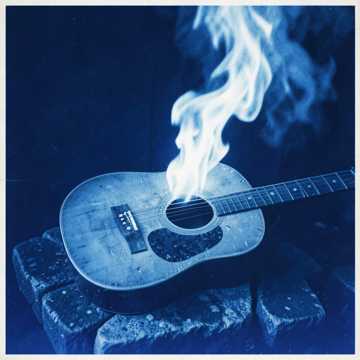
Loco por ti
Una declaración de amor desesperada y apasionada. El protagonista confiesa que se ha convertido en un loco dominado por el deseo, mientras la guitarra, la noche y el fuego reflejan su dependencia emocional y su necesidad de recibir un último beso.
03:20
2026-09-03

EL VERANO VOLVERÁ 4
Una pareja recuerda el encuentro y la intensidad de un verano compartido. Aunque la despedida parecía definitiva, el estribillo transforma la nostalgia en esperanza: entre mar, viento y sol, el amor puede volver a comenzar.
03:18
2026-09-03

EL VERANO VOLVERÁ
Una historia de amor nacida en un verano inolvidable y separada por el tiempo. Con guitarras eléctricas, ritmo latino y coros expansivos, la canción transforma la nostalgia en esperanza: el verano siempre vuelve y también la posibilidad de empezar de nuevo.
04:14
2026-09-03

Hot
Tema de reggaetón sucio y explícito, interpretado con voz masculina grave y rasposa. Su estructura repetitiva, tempo lento y lenguaje provocador construyen una atmósfera dominante, vulgar y deliberadamente transgresora, orientada exclusivamente a públicos adultos.
02:55
2026-09-03

UNA NOCHE EN MADRID
La canción relata cómo una caminata nocturna por Madrid transforma un encuentro casual en una conexión íntima. Sin promesas ni certezas, dos desconocidos comparten conversaciones, café y sinceridad, mientras aceptan que algunas noches pueden ser perfectas aunque el futuro permanezca incierto.
02:51
2026-09-03

MI LUGAR FAVORITO
La canción descubre que el destino más importante no está en París, Madrid ni Miami, sino en los brazos de la persona amada. Con un merengue romántico, alegre y apasionado, transforma los viajes, los recuerdos y el deseo de despertar juntos en una declaración de amor.
03:26
2026-09-03

CARTA SIN DIRECCIÓN
Una carta escrita para un amor ausente se convierte en un acto de despedida. El protagonista acepta que algunas palabras nunca llegarán a su destinatario y, al cerrar la página, encuentra la fuerza para seguir viviendo.
03:53
2026-09-03

Romanos 15 B
Una recitación bíblica vibrante en la que Pablo expresa su deseo de visitar Roma y España, explica su misión en Jerusalén y pide oración, unidad y protección para continuar su ministerio con la bendición de Cristo.
01:46
2026-09-03
Romanos 15
Una recitación intensa de Romanos15 que exhorta a sostener a los débiles, recibir al prójimo y glorificar a Dios en unidad. La voz de Pablo destaca la esperanza, la misericordia, el poder del Espíritu Santo y la misión de anunciar el evangelio.
03:32
2026-09-03

Romanos 13
Una proclamación bíblica intensa y acelerada que invita a respetar la autoridad, cumplir la ley mediante el amor y abandonar las obras de las tinieblas para vestir las armas de la luz en Cristo.
02:35
2026-09-03

Romanos 10
Interpretación hablada y acelerada de Romanos10 que contrasta la justicia por la ley con la justicia por la fe. El texto proclama a Cristo, la salvación universal, la importancia de confesar y creer, y la misión de predicar el evangelio.
03:24
2026-09-03

Amantes de la misma historia
Dos amigos descubren que fueron engañados por la misma mujer y transforman el dolor compartido en una oportunidad para recuperar su vínculo. Entre reproches, confesiones y heridas, aceptan que perdieron el amor, pero todavía pueden salvar la amistad.
06:12
2026-09-03

Romanos 8
Una recitación bíblica intensa de Romanos8 que contrasta carne y Espíritu, proclama libertad en Cristo y conduce desde el sufrimiento presente hacia la esperanza, la adopción divina y la intercesión del Espíritu.
04:09
2026-09-03

Romanos 6
Una recitación intensa de Romanos6 que contrasta la esclavitud del pecado con la libertad en Cristo. Su ritmo acelerado y voz masculina convierten el texto bíblico en una proclamación urgente sobre la muerte espiritual, la santificación, la obediencia y la esperanza de vida eterna.
03:35
2026-09-03

Romanos 5
Interpretación hablada, masculina y muy veloz de Romanos5. El texto proclama la justificación por la fe, la reconciliación mediante Cristo y el triunfo de la gracia sobre el pecado y la muerte, transformando la doctrina bíblica en una declaración urgente de esperanza.
04:00
2026-09-03

Romanos 4
Interpretación hablada y vertiginosa de Romanos4 que proclama la justificación por la fe y no por las obras. Abraham representa una esperanza firme contra toda evidencia, mientras la resurrección de Jesús confirma la promesa de salvación para todos los creyentes.
03:48
2026-09-03

EN CADA CURVA
La canción narra un viaje de pérdidas, esfuerzos y desilusiones que finalmente conduce al encuentro con Jesús. Cada curva del camino representa una etapa de crecimiento espiritual, hasta aceptar el plan divino y avanzar con fe, esperanza y determinación.
05:35
2026-09-03
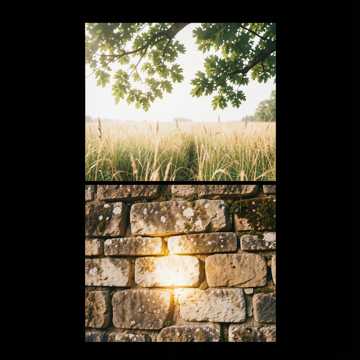
Monasterio de Hermo
Una celebración luminosa de Monasterio de Hermo y del paisaje asturiano. La canción recorre hayedos, robledales, ríos, osos, corzos e iglesias antiguas mediante versos narrativos y un estribillo festivo que invita a caminar, cantar y regresar a esta tierra.
04:31
2026-09-03
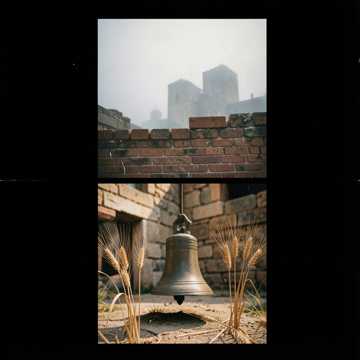
Arévalo, corazón de Castilla
Balada folk castellana que rinde homenaje a Arévalo, sus murallas, arquitectura mudéjar, plazas y vínculo con Isabel. La voz narrativa convierte el paisaje y la historia en memoria viva, con guitarras cálidas, laúd, dulzaina, pandero y un estribillo coral de creciente emoción.
04:27
2026-09-03

Romanos 1
Recitación musical de Romanos1 que presenta el llamado de Pablo, la gracia de Jesucristo y la proclamación universal del evangelio. Su ritmo hablado, masculino y muy rápido transmite urgencia, convicción y fuerza espiritual.
02:29
2026-09-03
Introduction to Spanish Language Music
Spanish Language music refers to the vast and diverse range of musical genres and styles that are performed in the Spanish language. Originating from Spain, this musical tradition has been deeply influenced by the country's rich cultural history, including its mix of Roman, Moorish, and Iberian influences. As Spain expanded its empire during the Age of Exploration, Spanish Language music spread to Latin America, leading to the development of new genres such as salsa, flamenco, reggaeton, and Latin pop. Over centuries, Spanish Language music has evolved, integrating elements from indigenous, African, and modern Western music, making it one of the most influential and widely recognized music traditions globally.
Sub-tags and Classifications of Spanish Language Music
Flamenco
Flamenco is a passionate and expressive genre of music and dance originating from the Andalusian region of Spain. It is characterized by its intricate guitar work, emotional singing (cante), and dynamic dance movements. Flamenco has been recognized by UNESCO as part of the Intangible Cultural Heritage of Humanity.
Salsa
Salsa is a lively and energetic genre that originated in the Caribbean, particularly in Cuba and Puerto Rico, before gaining popularity in New York City during the 1970s. It combines elements of Afro-Cuban music with jazz and Latin American rhythms, making it a staple of Spanish Language music.
Reggaeton
Reggaeton is a genre that originated in Puerto Rico in the early 1990s, blending Latin rhythms with hip-hop and reggae influences. Known for its catchy beats and danceable tunes, reggaeton has become a global phenomenon, dominating charts across the world.
Latin Pop
Latin Pop is a genre that emerged in the late 20th century, combining traditional Latin sounds with contemporary pop music. Artists from Spain and Latin America have been instrumental in popularizing this genre, which often features catchy melodies and romantic lyrics.
Ranchera
Ranchera is a traditional Mexican music genre that originated in the countryside (hence its name, derived from 'rancho'). It is known for its heartfelt lyrics, often dealing with themes of love, patriotism, and nature, and is usually accompanied by mariachi bands.
Famous Artists and Works in Spanish Language Music
Paco de Lucía
Paco de Lucía was a world-renowned Spanish flamenco guitarist. His innovative techniques and incorporation of jazz and classical music elements revolutionized flamenco guitar, making him one of the most influential musicians in Spanish Language music. His album 'Almoraima' is considered a masterpiece.
La Cumparsita
Originally composed by the Uruguayan musician Gerardo Matos Rodríguez in 1916, 'La Cumparsita' is one of the most famous tangos in the world. It captures the passionate and melancholic essence of tango music, with its rich melodies and intricate rhythms, and has been covered by numerous artists in various styles.
Celia Cruz
Celia Cruz, known as the 'Queen of Salsa,' was a Cuban-American singer who played a crucial role in popularizing salsa music. Her powerful voice and vibrant stage presence made her an icon in Spanish Language music, with hits like 'La Vida Es Un Carnaval' becoming timeless classics.
Despacito
Released in 2017 by Puerto Rican artists Luis Fonsi and Daddy Yankee, 'Despacito' became a global sensation, breaking multiple records for its catchy reggaeton rhythm and infectious chorus. The song’s fusion of Latin pop and reggaeton has been credited with bringing Spanish Language music to mainstream audiences worldwide.
Shakira
Shakira is a Colombian singer-songwriter who has achieved global fame with her unique blend of Latin pop, rock, and Middle Eastern influences. Her crossover into the English-language market has further solidified her as one of the most successful Spanish Language artists. 'Hips Don’t Lie' is one of her most famous tracks.
Bésame Mucho
Composed by Mexican songwriter Consuelo Velázquez in 1940, 'Bésame Mucho' is one of the most covered songs in the history of music. This bolero's romantic lyrics and melody have made it a classic, with versions by artists across different genres and languages.
Juan Gabriel
Juan Gabriel was a prolific Mexican singer and songwriter whose work spans several genres, including ranchera, pop, and mariachi. Known as 'El Divo de Juárez,' his songs, such as 'Amor Eterno' and 'Querida,' have become anthems in Spanish-speaking communities worldwide.
Oye Cómo Va
Written by Tito Puente in 1962, 'Oye Cómo Va' is a classic mambo that gained international fame through Santana's rock-infused cover in 1970. The song's blend of Latin jazz and rock elements exemplifies the cultural fusion that characterizes much of Spanish Language music.
Rosalía
Rosalía is a Spanish singer and songwriter who has modernized flamenco by blending it with contemporary urban music, including reggaeton and trap. Her groundbreaking album 'El Mal Querer' has brought a new wave of attention to flamenco music on the global stage.
La Bamba
Originally a Mexican folk song from Veracruz, 'La Bamba' was popularized by Ritchie Valens in 1958. This rock and roll version became a hit and is known for its upbeat tempo and danceable rhythm, showcasing the adaptability of traditional Spanish Language music to modern genres.
Application Scenarios of Spanish Language Music
Spanish Language music is frequently used in movie soundtracks to evoke cultural settings, convey emotions, or add a rhythmic flair. For example, the movie 'Coco' features a rich collection of Spanish Language songs that celebrate Mexican traditions and enhance the narrative.
Movie Soundtracks
In advertising, Spanish Language music is often used to target Spanish-speaking audiences or to convey a sense of vibrancy and passion. Upbeat tracks like 'Despacito' have been used in commercials to create an energetic and engaging atmosphere.
Advertising Music
Video games with settings in Spanish-speaking regions or those that wish to incorporate Latin influences often use Spanish Language music in their soundtracks. Games like 'Guacamelee!' feature music that blends traditional Mexican sounds with modern beats, enriching the gaming experience.
Game Background Music
Spanish Language music plays a central role in cultural festivals around the world, from flamenco performances at Feria de Abril in Seville to salsa dancing at Carnival in Barranquilla. These events showcase the diversity and richness of Spanish Language music traditions.
Cultural Festivals
Spanish Language music is commonly used in dance classes, especially for genres like salsa, bachata, and flamenco. The rhythmic complexity and vibrant energy of this music make it ideal for teaching and practicing dance.
Dance Classes