Free TTS vocals Music Generator Powered by AI
Turn text into high-quality TTS vocals music effortlessly – no login required!
music.toolTips
THE ALL-SEEING EYE
A shadowy phonk track about an ever-watchful eye that sees through darkness, smoke, and deception. Its repeated chants create a hypnotic sense of surveillance, paranoia, and supernatural awareness, while the cold imagery and driving rhythm build a tense nocturnal atmosphere.
01:35
2026-08-30
THE ALL-SEEING EYE
A shadowy phonk anthem about an ever-watchful eye that sees through darkness, smoke, and deception. Its repetitive vocal hooks, ominous imagery, and steady135 BPM groove create a hypnotic sense of surveillance, unease, and supernatural awareness.
01:33
2026-08-30
THE ALL-SEEING EYE
A shadowy phonk anthem about an omniscient eye that watches through darkness, smoke, and sleepless nights. Its repetitive hook creates a hypnotic sense of paranoia and supernatural awareness, while the cold imagery and driving rhythm give the track an intense, cinematic underground energy.
01:27
2026-08-30
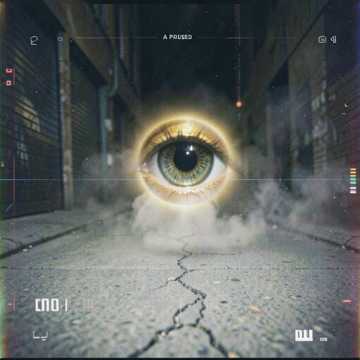
THE ALL-SEEING EYE
A sinister phonk track portraying an all-seeing eye as an unstoppable watcher in the darkness. Cold imagery, repetitive chants, and hypnotic momentum create a tense atmosphere of surveillance, paranoia, mystery, and supernatural awareness.
00:30
2026-08-30

THE ALL-SEEING EYE
A shadowy narrator confronts an ever-watchful eye that sees through darkness, smoke, and deception. Driven by repetitive phrases and a hypnotic phonk rhythm, the song creates an atmosphere of paranoia, supernatural awareness, and cold, inescapable observation.
01:14
2026-08-30

THE ALL-SEEING EYE
A shadowy phonk track about an omniscient eye that watches through smoke and darkness. Its repetitive vocal hooks, cold imagery, and relentless135 BPM rhythm create a tense atmosphere of surveillance, paranoia, and supernatural awareness.
00:45
2026-08-30
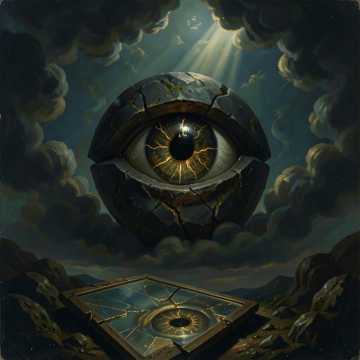
THE ALL-SEEING EYE
A shadowy phonk track about an omniscient eye that watches through darkness, smoke, and sleepless nights. Its repeated phrases create a hypnotic sense of surveillance, while cold gold imagery and the elevated eye suggest hidden power, paranoia, and an inescapable presence.
01:08
2026-08-30

THE ALL-SEEING EYE
A shadowy voice confronts an all-seeing presence that watches every breath and pierces smoke, darkness, and deception. Built on repetitive chants and ominous imagery, the song creates a hypnotic phonk atmosphere suited to night drives, underground visuals, cyberpunk scenes, and psychological tension.
01:10
2026-08-30
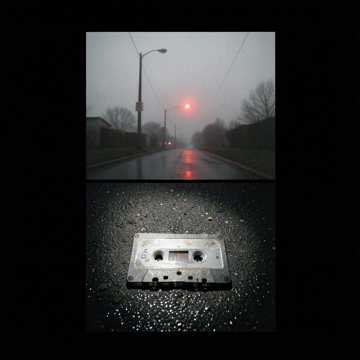
No Sleep
No Sleep creates a tense, nocturnal chase through clipped commands, heavy bass, and relentless forward motion. Its sparse Memphis phonk production uses tape decay, minor-key cowbells, triplet hi-hats, and gated monotone vocals to evoke underground drives, escape scenes, gaming montages, and high-intensity night workouts.
02:00
2026-08-27

Night Run Static
A relentless200 BPM Memphis phonk instrumental built for nocturnal motion. Minimal bass and chopped vocal flashes create tension, while tape-stop sweeps, reversed sirens, distorted chants, and hard-clipped low end drive a fierce final surge suited to night drives, gaming, workouts, and action edits.
03:00
2026-08-24
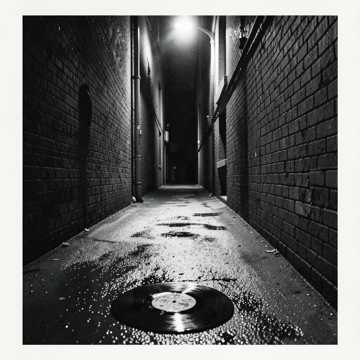
Graveyard Lane
Graveyard Lane evokes a nocturnal drive through abandoned streets, combining Memphis phonk grit with skeletal drums, distorted cowbell pulses, siren rises, tape-stop glitches, and crushing low-end swing. Its tense halftime shifts and vocal-like chops create a menacing, cinematic atmosphere without spoken lyrics.
02:18
2026-08-24

Graveyard Kit
Graveyard Kit channels nocturnal menace, street tension, and unshakable defiance through a hard-swinging Memphis phonk arrangement. Sparse verses build pressure with grim imagery, while the repeated chorus becomes a blunt survival mantra. A half-time breakdown briefly distorts the atmosphere before the full-force rhythm returns.
02:40
2026-08-24
Tape Deck Teeth
A confrontational phonk track about surviving scrutiny, street-level tension, and emotional pressure by turning a repeated name into a declaration of power. Dusty loops, clipped drums, distorted bass, tape textures, and chant-like vocals create a grimy, aggressive atmosphere built for nocturnal intensity.
02:12
2026-08-23
Ghost Lane
Ghost Lane creates a tense night-drive atmosphere through sparse half-time rhythms, warped bells, sliding sub bass, chopped synthetic vocals, and an explosive chorus. Its aggressive yet polished wave phonk sound suggests pursuit, isolation, neon-lit streets, and cinematic underground momentum.
02:38
2026-08-21
Graveyard TTS
A dark, high-pressure instrumental built around Memphis phonk textures, swung trap bounce, distorted low end, rattling hi-hats, tape-stop transitions, and siren-like synths. Its graveyard atmosphere suits horror edits, night drives, gaming montages, underground club scenes, and cinematic chase sequences.
01:54
2026-08-10

Graveyard TTS
A grim, high-impact Memphis phonk instrumental that turns sparse percussion, warped vocal chops, siren risers, and crushing low end into a tense midnight soundtrack. Its transitions move from claustrophobic suspense to distorted, speaker-shaking release.
01:58
2026-08-09

Knee Deep Fade
An instrumental phonk descent into tense, nocturnal energy. Grimy cowbell loops, rattling hats, clipped low end, chopped vocal textures, tape-stop transitions, and distorted call-and-response hooks create a cinematic sound suited to night drives, street edits, gaming clips, and underground visuals.
02:16
2026-08-09
TTS Vocals: Definition, History, and Evolution in Electronic Music
TTS Vocals refers to vocal material created or strongly shaped through text-to-speech technology, in which written text is converted into synthetic spoken orWrite TTS Vocals Content speech-like audio and incorporated into music. Unlike conventional singing, TTS Vocals often emphasize artificial pronunciation, precise timing, robotic tone, digital character, or deliberately emotionless delivery. The roots of TTS Vocals can be traced to early speech-synthesis research and computer-generated voices developed during the twentieth century. As speech synthesis became more accessible through personal computers, software instruments, virtual assistants, and online services, musicians increasingly treated synthetic speech as a creative sound source rather than simply a communication tool. Electronic, experimental, industrial, ambient, techno, internet-native, and AI-generated music have all explored TTS Vocals in different ways. Modern neural text-to-speech systems have greatly expanded the palette, producing voices that can range from unmistakably robotic speech to highly naturalistic narration. Within contemporary AI music, TTS Vocals can functionWrite TTS Vocals Content as narration, rhythmic spoken phrases, hooks, character voices, atmospheric fragments, or processed vocal textures, making the tag relevant to both functional voice synthesis and experimental musical expression.
TTS Vocals Sub-Tags and Classifications
Robotic TTS Vocals
Robotic TTS Vocals deliberately preserve the mechanical qualities associated with classic speech synthesis. Flat pitch contours, unusual stress patterns, clipped consonants, limited emotional variation, and highly regular timing become aesthetic features. This form of TTS Vocals is especially effective in electro, techno, industrial music, retro-futuristic compositions, and science-fiction-inspired AI music.
Natural Neural TTS Vocals
Natural Neural TTS Vocals use newer speech-synthesis techniques designed to reproduce human-like pacing, intonation, pronunciation, and emotional nuance. In music, these voices can deliver introductions, monologues, narrative passages, advertisements, cinematic dialogue, or spoken interludes. Producers may leave the generated voice relatively clean or process it with reverb, compression, filtering, distortion, and spatial effects.
Rhythmic TTS Vocals
Rhythmic TTS Vocals transform synthetic speech into an element of the groove. Words and syllables can be cut, repeated, rearranged, time-stretched, or synchronized with drums and bass. This approach creates a hybrid between speech, percussion, and vocal hooks and is particularly compatible with techno, house, EDM, glitch, hip-hop, and experimental electronic music.
Glitch TTS Vocals
Glitch TTS Vocals emphasize digital imperfections and extreme processing. Producers may fragment synthetic speech into micro-samples, introduce stutters, reverse individual syllables, alter formants, apply granular processing, or rapidly repeat phonemes. Instead of prioritizing linguistic clarity, this category treats the TTS voice as raw sonic material, making it useful for IDM, glitch, deconstructed club music, and futuristic AI compositions.
Narrative TTS Vocals
Narrative TTS Vocals focus on storytelling and spoken information. A synthetic narrator may introduce characters, explain events, deliver diary-like passages, recite poetry, or guide listeners through a conceptual composition. This form of TTS Vocals is particularly useful in concept albums, cinematic music, audio fiction, games, educational projects, and multimedia experiences.
Character and Virtual TTS Vocals
Character TTS Vocals give a recognizable synthetic identity to fictional or virtual speakers. Producers can distinguish characters through pitch, pacing, accent-like delivery, processing, and vocal timbre. Such voices can become recurring personalities within songs, games, virtual worlds, animation, or interactive entertainment.
Ambient TTS Vocals
Ambient TTS Vocals place synthetic speech inside spacious, atmospheric arrangements. Long reverbs, delays, filters, granular stretching, and soft background textures can turn ordinary spoken phrases into dreamlike sonic elements. The semantic meaning of the words may remain important, but the texture and spatial character of the voice often become equally significant.
Retro Computer Speech
Retro Computer Speech recreates or references the recognizable sound of early computer speech synthesizers. Limited bandwidth, metallic resonance, exaggerated phonemes, and obviously artificial articulation create a nostalgic technological character. This branch of TTS Vocals fits chiptune, synthwave, retro-electronic music, experimental pop, and compositions inspired by early computing culture.
Artists and Influential Works Related to TTS Vocals
Kraftwerk
Kraftwerk helped establish synthetic, robotic, and machine-mediated voices as an important part of electronic music aesthetics. Works such as 'The Robots' and the broader computer-oriented imagery of their catalog demonstrated how processed human voices and electronic vocal identities could reinforce themes of automation, technology, and the relationship between people and machines. Although their techniques should not all be classified as modern text-to-speech, their influence is fundamental to the aesthetic vocabulary surrounding contemporary TTS Vocals.
Fitter Happier - Radiohead
This piece places computer-generated speech at the center of the arrangement, turning an impersonal synthetic voice into a vehicle for unsettling observations about modern life. The contrast between standardized machine delivery and psychologically loaded language creates tension and alienation. For TTS Vocals production, it demonstrates that synthetic speech does not need conventional melody to become a powerful musical and narrative element.
Radiohead
Radiohead's 'Fitter Happier' is an important example of computer-generated speech used as a central expressive device in popular music. Its synthetic spoken delivery contrasts with the human anxieties embedded in the text, showing how an artificial voice can create emotional distance, irony, unease, and social commentary. The track remains a useful reference point for narrative and conceptual TTS Vocals.
The Robots - Kraftwerk
Although based heavily on electronic vocal processing rather than today's neural text-to-speech systems, 'The Robots' is a foundational reference for machine-voice aesthetics. Repetition, controlled electronic rhythms, robotic presentation, and synthetic vocal character merge into a unified technological concept. Its lasting influence can be heard in modern TTS Vocals tracks that deliberately emphasize artificiality instead of attempting to imitate natural singers.
Daft Punk
Daft Punk extensively explored the musical identity of robotic and electronically transformed vocals. Their work primarily involves vocoders, talkboxes, and vocal processing rather than conventional text-to-speech, but their influence on the broader synthetic-vocal aesthetic is substantial. Tracks such as 'Robot Rock' and 'Technologic' demonstrate how repetitive machine-like language and electronic vocal processing can become memorable rhythmic hooks.
Technologic - Daft Punk
'Technologic' demonstrates how short, command-like phrases and heavily processed synthetic-sounding vocals can function rhythmically. The rapid sequence of instructions becomes both lyrical content and a percussive hook. This principle is highly relevant to contemporary TTS Vocals, where generated words can be chopped, repeated, synchronized with beats, and transformed into rhythmic building blocks.
Holly Herndon
Holly Herndon has explored machine learning, computer-mediated voices, vocal processing, and the relationship between human identity and artificial intelligence. Her experimental approach demonstrates how synthetic and computational vocal systems can function as collaborators and compositional materials rather than merely special effects, providing an important conceptual reference for modern AI music and advanced TTS Vocals.
PROTO - Holly Herndon
The 'PROTO' project explores relationships among human voices, machine learning, artificial vocal systems, and collective performance. Rather than presenting technology simply as a replacement for singers, the project investigates interaction between computational and human expression. Its conceptual approach is particularly relevant to contemporary AI-generated music, where TTS Vocals and other synthetic voice technologies increasingly coexist with human performance.
Jean-Michel Jarre
Jean-Michel Jarre's electronic compositions have frequently explored technology, futurism, sampling, and processed voices. While his catalog extends far beyond literal TTS Vocals, his use of electronic speech-like textures and technologically themed sound design contributed to the broader tradition in which synthetic voices became natural components of electronic composition.
TTS Vocals Application Scenarios in Music and Multimedia
TTS Vocals can represent artificial intelligence systems, robots, spacecraft computers, automated announcements, or distant digital entities in movie soundtracks. A clean synthetic voice can communicate technological precision, while distorted or fragmented TTS Vocals can suggest malfunction, danger, surveillance, or psychological tension.
Movie and Science-Fiction Soundtracks
Game composers can integrate TTS Vocals into menus, cyberpunk environments, puzzle sequences, futuristic cities, combat music, and narrative transitions. Synthetic voices can deliver information while simultaneously becoming part of the soundtrack, strengthening the connection between gameplay, world-building, and musical atmosphere.
Video Game Background Music
In EDM, techno, house, and related electronic styles, TTS Vocals can provide concise hooks before drops or during breakdowns. Commands, countdowns, slogans, isolated words, and repeated phrases can be synchronized with the rhythm and processed through filters, distortion, delays, and pitch effects to create recognizable vocal motifs.
Electronic Dance Music
TTS Vocals can support technology-focused advertisements, product demonstrations, digital campaigns, and futuristic brand identities. Synthetic narration can be combined with electronic music to communicate speed, innovation, automation, or digital sophistication, while rhythmic TTS phrases can function as short audio signatures.
Advertising and Brand Audio
Musicians and audio creators can use TTS Vocals for introductions, fictional broadcasts, chapter transitions, quotations, or character narration. This approach is especially useful for concept albums and narrative projects where the producer wants a clear separation between the primary human performer and an artificial narrator.
Podcasts and Narrative Interludes
Experimental producers can treat TTS Vocals as sound-design material rather than straightforward speech. Individual syllables can be sliced into tiny fragments, reordered, stretched, granulated, reversed, or layered until language becomes texture. This makes TTS Vocals particularly valuable for glitch, IDM, electroacoustic, and avant-garde compositions.
Experimental and Glitch Music
TTS Vocals have a natural role in AI-generated music because synthetic speech can complement algorithmically created arrangements, lyrics, and sound design. AI music creators can use TTS Vocals for spoken hooks, virtual characters, narration, experimental dialogue, or hybrid tracks that move between speech-like delivery and musical vocal processing.
AI-Generated Music
TTS Vocals can dynamically respond to users in interactive art, exhibitions, virtual reality, and digital environments. Because text can be converted into speech programmatically, the vocal content can change according to player actions, environmental data, or narrative choices while remaining integrated with the surrounding music.
Interactive Installations and Virtual Worlds
Artificial speech can become unsettling when paired with unusual pauses, incorrect emotional emphasis, reversed reverberation, pitch instability, or damaged digital textures. Horror composers can use TTS Vocals for haunted devices, corrupted artificial intelligence, mysterious announcements, or uncanny voices that intentionally sit between recognizable human speech and machine-generated sound.
Horror and Psychological Sound Design
TTS Vocals can deliver instructions, vocabulary, facts, or memorable phrases over musical backing. Because the text can be changed without recording a new human performance, this approach is useful for multilingual educational content, training materials, instructional songs, and interactive learning applications.
Educational and Informational Music