Free Tape saturation Music Generator Powered by AI
Turn text into high-quality Tape saturation music effortlessly – no login required!

music.toolTips

Рубаи любви.
Лирический герой размышляет о цене любви: готов ли человек отдать половину сердца, если любимая не ответит взаимностью? Через образы пустоты, плодородной почвы и света песня призывает отбросить робость и искренне говорить о чувствах.
01:33
5 days ago
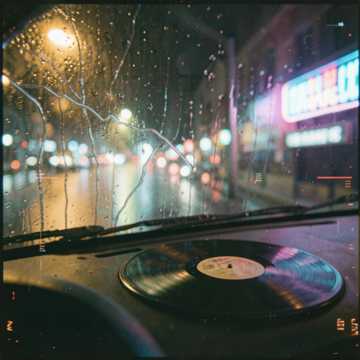
November Seventeen
A mid-tempo futuristic boom-bap anthem revisiting November2017 through iconic albums, rainy commutes, bedrooms, parties, and shared playlists. Its dusty jazz samples, scratches, alternating vocals, and Mars-era bridge turn music nostalgia into a vivid meditation on memory, youth, and time.
02:32
6 days ago

Sol Sobre Madera
Una instrumental pausada y luminosa que transforma el calor del Caribe en sonido. El tiple, el steelpan, el Rhodes y la percusión vallenata crean un groove sereno, mientras el bajo, las texturas de cinta y los silencios sugieren una tarde tranquila sobre madera envejecida.
04:05
6 days ago
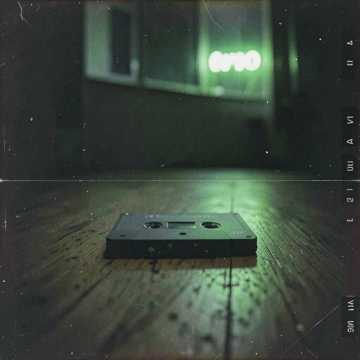
Tape In The Dark
A dark, aggressive Memphis phonk instrumental built around chopped kicks, dusty tape texture, foggy cowbells, sub drops, and distorted chant-like vocal phrases. Its tense pauses, wide noise layers, and relentless135 BPM bounce create a raw soundtrack for night drives, underground clubs, gaming edits, and high-intensity street visuals.
03:53
6 days ago

Jade Teacup
Jade Teacup evokes a quiet Chinese tea house through swung chillhop drums, delicate guzheng, expressive erhu, bamboo flute, sparse piano, vinyl crackle, and warm tape haze. Its intimate arrangement moves from reflective minimalism to a softly glowing pentatonic chorus, creating a calm, nostalgic atmosphere.
02:32
6 days ago

Blue Velvet Frame
Blue Velvet Frame captures a fragile reunion with the past through cinematic imagery, turning a remembered name, September dust, and a fading photograph into an intimate declaration of love. Its restrained groove and dreamy textures create the feeling of a final title reveal before an unresolved yet tender goodbye.
00:45
6 days ago
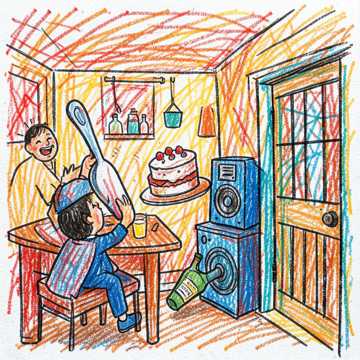
I Think I'll Stick Around
A wry narrator chooses to stay at a birthday party as arguments, broken windows, police calls, and improbable escapes turn ordinary celebration into communal mayhem. Its conversational British humor, escalating arrangement, and infectious chorus celebrate the irresistible spectacle of losing control together.
05:34
6 days ago

Triumphant Groove
A restrained minor-key groove gradually evolves through warm bass, soft electric piano, tape texture, and cinematic synth layers. Rising brass melodies and widening ambience lead to a dramatic harmonic lift, resolving in a memorable major-key hook that feels nostalgic, heroic, and victorious.
04:08
6 days ago

Flute of Longing
Flute of Longing is a slow, intimate lofi instrumental centered on a breathy Sundanese bamboo flute. Spacious pentatonic phrases, muted piano, brushed percussion, tape warmth, and unresolved pauses evoke homesickness, solitude, and tender remembrance before dissolving into room ambience.
03:53
6 days ago

Driftwood Bounce
A tender, upbeat pop-soul journey about finding lasting intimacy in ordinary moments. Through coffee, roadside fruit, imperfect singing, and a slow drive home, the song celebrates companionship without grand promises, using warmth, patience, and shared presence as its emotional center.
03:37
6 days ago
Comprehensive Introduction to Tape Saturation in Music Production
Tape saturation refers to the natural compression, harmonic distortion, and subtle tonal coloration that occurs when an audio signal is recorded onto analog magnetic tape beyond its optimal level. As the signal 'saturates' the tape, it produces pleasing harmonic overtones, soft clipping, and a warm, rounded sound that has become highly desirable in modern music production. The origins of tape saturation date back to the mid-20th century, particularly during the 1950s–1970s when analog tape machines were the standard recording medium in professional studios. Engineers and producers began to intentionally push tape machines harder to achieve richer, fuller sounds. Legendary studios such as Abbey Road and Motown popularized the use of tape saturation as a creative tool. With the transition to digital recording in the 1980s and beyond, tape saturation became a sought-after aesthetic, leading to the development of digital plugins and emulations designed to replicate the analog warmth and character of tape saturation.
Sub-tags andTape Saturation Overview Classifications of Tape Saturation Techniques
Analog Tape Saturation
Analog tape saturation refers to the authentic saturation produced by physical reel-to-reel tape machines. This type of tape saturation is characterized by nonlinear distortion, natural compression, and frequency-dependent response. It often enhances low-end warmth and smooths high frequencies, making it ideal for vocals, drums, and mix buses. Analog tape saturation remains highly valued for its organic and unpredictable sonic qualities.
Digital Tape Saturation Emulation
Digital tape saturation emulation involves software plugins designed to replicate the sound of analog tape saturation. These tools model the behavior of classic tape machines, including bias, tape speed, and head bump effects. Digital tape saturation is widely used in modern DAWs for its flexibility, affordability, and ability to recreate vintage tones without physical hardware.
Soft Saturation
Soft tape saturation introduces gentle harmonic distortion and subtle compression, preserving the dynamics while adding warmth and cohesion. This classification is often used on mix buses and mastering chains to glue elements together and enhance overall tonal balance without noticeable distortion.
Heavy Tape Saturation
Heavy tape saturation pushes the signal well beyond the tape's limits, resulting in pronounced distortion, aggressive harmonics, and noticeable compression. This style is commonly used in genres like rock, hip-hop, and lo-fi music to create gritty textures and characterful sound design.
Tape Saturation for Mastering
Tape saturation in mastering focuses on subtle enhancements, including stereo cohesion, harmonic richness, and transient smoothing. Engineers use this classification to add analog warmth and polish to final mixes without compromising clarity or loudness.
Lo-Fi Tape Saturation
Lo-fi tape saturation emphasizes imperfections such as noise, wow and flutter, and degraded frequency response. This classification is popular in lo-fi hip-hop and retro-inspired music, where tape saturation contributes to a nostalgic and vintage aesthetic.
Famous Artists and Iconic Works Featuring Tape Saturation
The Beatles
The Beatles, particularly during their later albums, extensively used tape saturation and analog recording techniques. Albums like 'Sgt. Pepper's Lonely Hearts Club Band' showcased creative tape manipulation and saturation, influencing generations of producers.
Sgt. Pepper's Lonely Hearts Club Band
This album is a landmark in the creative use of tape saturation. Engineers deliberately overloaded tape machines to create harmonic richness and experimental textures. The result is a warm, immersive sonic experience that showcases the musical potential of tape saturation.
Jimi Hendrix
Jimi Hendrix utilized tape saturation to achieve his signature warm and distorted guitar tones. His recordings pushed analog equipment to its limits, creating rich harmonic textures that defined psychedelic rock.
Are You Experienced
Jimi Hendrix's debut album features heavy use of tape saturation, especially on guitar tracks. The saturation adds sustain, harmonic complexity, and a distinctive analog grit that became a defining characteristic of rock music.
Pink Floyd
Pink Floyd incorporated tape saturation in their atmospheric productions, especially in albums like 'The Dark Side of the Moon'. Their use of analog tape contributed to the depth and spatial richness of their soundscapes.
The Dark Side of the Moon
Pink Floyd's masterpiece demonstrates subtle and precise use of tape saturation. The album benefits from smooth compression and tonal cohesion, enhancing its atmospheric and cinematic qualities.
Dr. Dre
Dr. Dre popularized the use of tape saturation in hip-hop production, blending analog warmth with digital precision. His work on albums like '2001' demonstrates how tape saturation enhances punch and clarity in modern mixes.
2001
Dr. Dre's '2001' album blends digital production with analog tape saturation techniques. The saturation adds punch to drums and warmth to synths, creating a polished yet powerful sonic signature.
Tame Impala
Tame Impala's Kevin Parker uses tape saturation emulation to achieve a vintage psychedelic sound. His productions combine modern techniques with analog-inspired warmth and texture.
Currents
Tame Impala's 'Currents' uses digital tape saturation emulation to achieve a nostalgic, analog-inspired sound. The album highlights how modern producers can replicate vintage warmth while maintaining contemporary clarity.
Application Scenarios for Tape Saturation in Music and Media
Tape saturation is widely used in film scoring to add warmth and emotional depth to orchestral and ambient compositions. It helps create a cohesive and cinematic sound, especially in period films or retro-themed productions.
Film Soundtracks
In advertising, tape saturation enhances the sonic appeal of music by making it sound fuller and more engaging. Brands often use tape saturation to evoke nostalgia and authenticity in commercials.
Advertising Music
Game developers use tape saturation to enrich background music, particularly in indie and retro-style games. The effect adds character and helps immerse players in the game world.
Video Game Background Music
Tape saturation is applied to voice recordings to add warmth and reduce harshness. It creates a more professional and pleasant listening experience for podcasts and spoken-word content.
Podcast and Voice Production
Tape saturation is a fundamental tool in modern music production, used on individual tracks, buses, and master channels. It enhances tonal balance, adds harmonic richness, and improves overall mix cohesion.
Music Production and Mixing