Free doom metal Music Generator Powered by AI
Turn text into high-quality doom metal music effortlessly – no login required!

music.toolTips
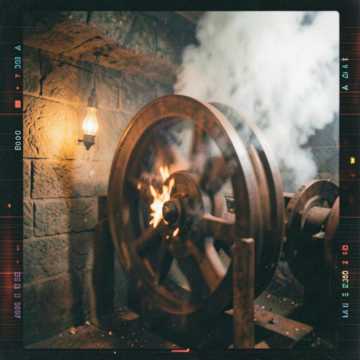
Karma grinder Viking doom
A savage Viking doom anthem portraying death as liberation from the body and karma as fuel for spiritual evolution. Crushing riffs, ritual chants, gang vocals, and dubstep drops transform reincarnation into a victorious battle cry against fear, suffering, and metaphysical bondage.
05:39
2026-09-29
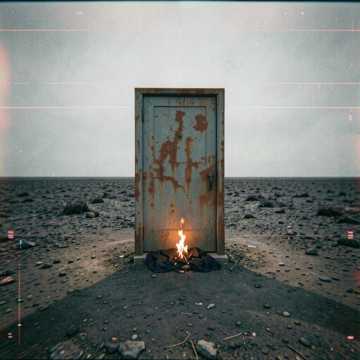
Sins collector
A dark, mournful journey through death, guilt, and eternal punishment. The song portrays a world consumed by ash and spiritual decay, where sorrowful vocals, crushing metal, piano, cello, and whispered echoes transform hopelessness into a ritualistic gothic lament.
03:23
2026-09-28
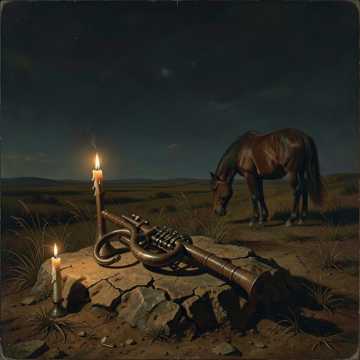
Szilánkos Szavak - Betyár Jár a pusztaságban
A dal egy üldözött betyár útját meséli el a pusztai meneküléstől a szabadságharcig. A történelmi alakok és a modern lázadás összekapcsolódnak: a törvényen kívüli hős egyszerre bűnös, hazafi és magányos szimbóluma annak, aki nem hajlik meg a szűk keretek előtt.
05:39
2026-09-27
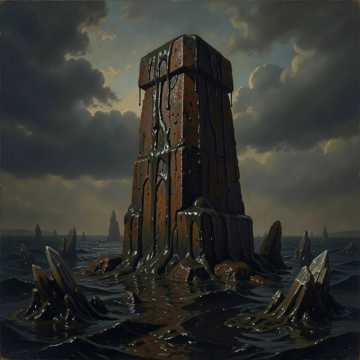
Sludge Planet
A massive instrumental-style descent into a ruined alien world. Sludge Planet builds slowly through chunky djent riffs, oppressive doom pacing, and distorted bass, creating a bleak sci-fi atmosphere suited to visions of planetary collapse, industrial desolation, and cosmic isolation.
04:39
2026-09-27
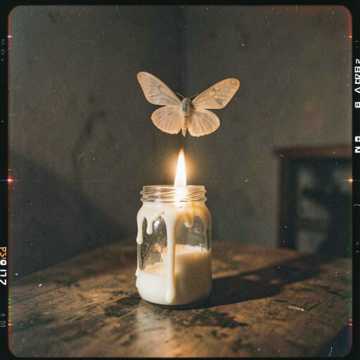
A.T. Ivorházzy - Molylepkenász –
A dal egy molylepke végzetes vonzódását ábrázolja a lánghoz, amelyben a szerelmi vágy, az önfeladás és a halál egyetlen eksztatikus öleléssé olvad. A lassú, súlyos zenei világ klausztrofób és gyászszertartásszerű.
04:57
2026-09-22
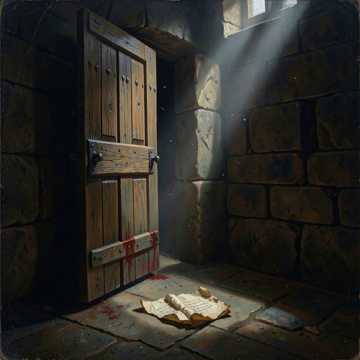
Der Horror ist menschlich
Der Song entlarvt den menschlichen Täter als wahren Ursprung des Horrors. Statt Flüchen, Dämonen oder Schicksal stehen Schuld, Wegsehen und bewusste Entscheidungen im Zentrum. Doom-Metal-Rap, schwere Gitarren und bedrückende Orgelklänge verdichten eine schonungslose Anklage gegen Verdrängung und Legendenbildung.
03:49
2026-09-18
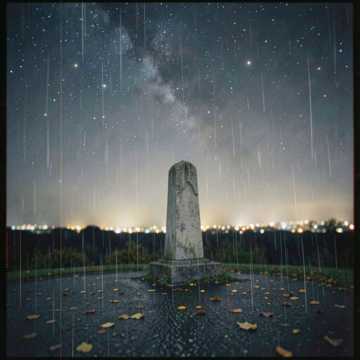
Freie Weltordnung
Der Song verbindet kosmische Ordnung mit menschlicher Verantwortung. In düsteren Rap-Versen und einem hymnischen Refrain fordert er eine freie Weltordnung ohne Dogma und Herrschaft, in der Würde, Gerechtigkeit, Frieden und gegenseitige Fürsorge die Grundlage gemeinsamer Freiheit bilden.
05:19
2026-09-18
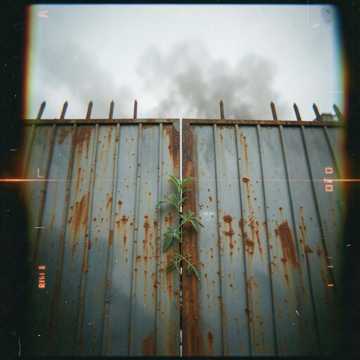
Was Freiheit heißt
'Was Freiheit heißt' ist ein monumentales Epik-Werk, das Gesellschaftskritik mit düsterer Dramatik verbindet. Über schweren Doom-Metal-Riffs, orchestraler Fülle und drängendem Rap hinterfragt der Song blinden Gehorsam und fordert eine menschliche Weltordnung, in der Schutz statt Kontrolle herrscht und Starke die Schwachen verteidigen.
04:33
2026-09-17
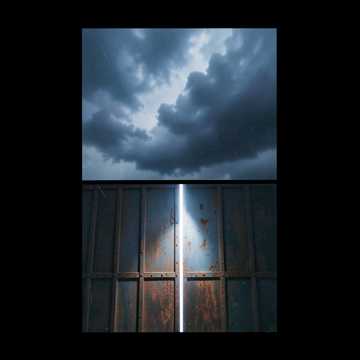
Power of the Pure
'Omnibus of Doom' is a crushing cinematic heavy metal instrumental that weaves ominous low-register guitar riffs, thick bass, and dark orchestral brass into an explosive tapestry of apocalyptic sound and dynamic tension.
04:05
2026-09-17
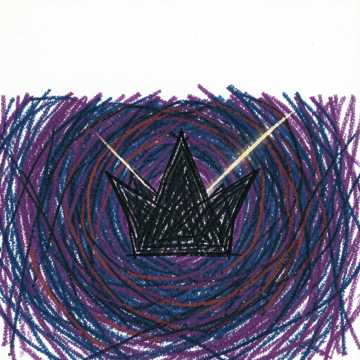
Shadows of the Soul
'Shadows of the Soul' is a haunting, atmospheric rock anthem exploring introspective transformation. Shifting from light to dark, the narrative embraces self-realization without malice. Driven by heavy gothic metal riffs and raw, passionate vocals, it offers a dramatic soundscape for finding inner strength within the dark.
04:34
2026-09-16
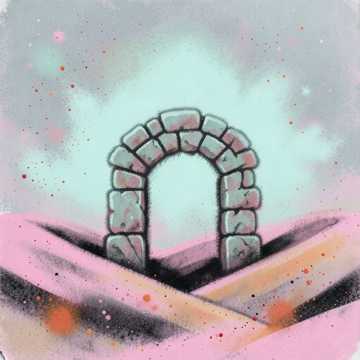
Hymn of the Messenger
نشيد ملحمي يروي سيرة النبي محمد بأسلوب موسيقي فريد يجمع بين الآلات الشرقية التراثية كالسنتور والعود وموسيقى الميتال القوية. يعكس العمل الرحلة من غار حراء إلى الفتح العظيم، مجسداً معاني الرحمة والصبر بروحانية جليلة وإيقاع حماسي.
07:31
2026-09-16
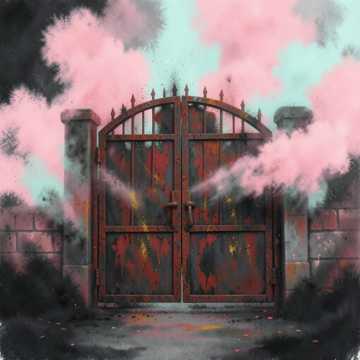
Ashes to Soil
Ashes to Soil portrays oppressed workers rising against exploitation as a fallen industrial world becomes the birthplace of collective liberation. Through doom-laden riffs and apocalyptic imagery, grief transforms into resistance, while ashes become soil for a new generation that refuses submission.
06:25
2026-09-16
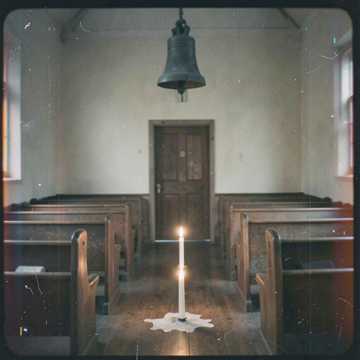
Where Did The Promise Go
A solitary believer confronts the silence of an abandoned church, questioning a vanished promise and rejecting empty faith. Slow, crushing doom metal transforms spiritual doubt into a bleak ritual of grief, anger, and final emotional release.
05:56
2026-09-16
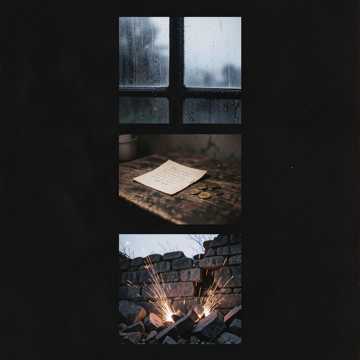
Kneel in the Ashes
A funeral-paced doom metal protest song portraying poverty, war, exploitation, and collective resistance. Through crushing riffs and defiant vocals, the oppressed refuse submission, share their burdens, and rise together as the old social machine collapses around them.
06:05
2026-09-16
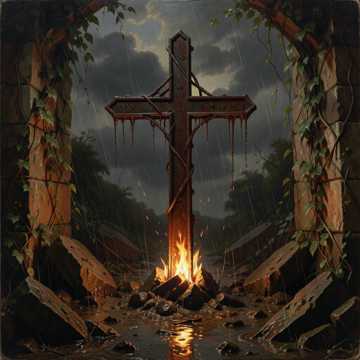
Stossgebet
Stossgebet schildert einen Menschen, der in einer zerfallenden Welt zwischen Schuld, Verlust und Hoffnung ringt. Das Gebet wird zum Kampfschrei: Durch kalten Stein, Blut und Dunkelheit sucht die Figur ein Zeichen, um dem finsteren Haus zu entkommen und ihr inneres Feuer zu bewahren.
04:49
2026-09-14
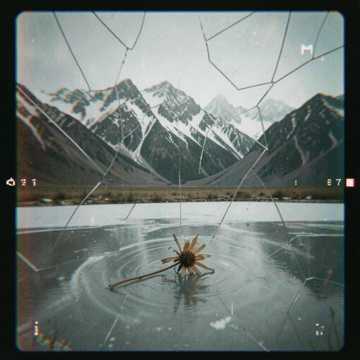
i'm all alone (a1.x)
A stark funeral doom lament about profound isolation, social rejection, entropy, and a longing to dissolve into nature. Repeated declarations of solitude intensify the song’s depressive descent, ending in deathly finality beneath mournful guitar and mellotron feedback. Content warning: suicidal themes.
06:03
2026-09-13
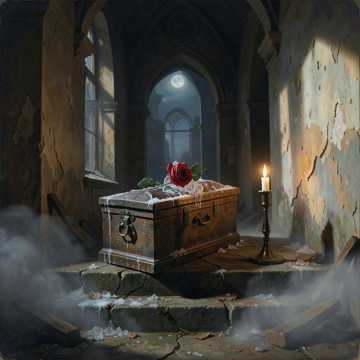
Coffin with Roses
A doomed couple remains bound beyond death, transforming grief into eternal devotion. Through gothic imagery, alternating male and female vocals, and a massive layered chorus, the song portrays love as both a beautiful refuge and an unbreakable coffin.
06:48
2026-09-13
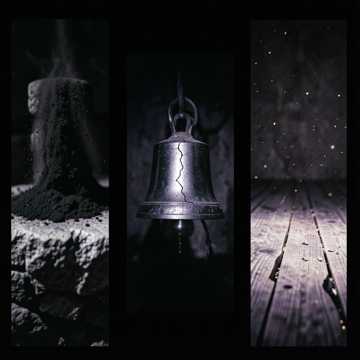
We Are Not Ashes
A defiant survivor’s anthem forged in ruin, the song transforms betrayal, oppression, and collective pain into resistance. Its slow doom-metal weight, harsh screams, and call-and-response chants create the atmosphere of a blazing underground ritual where the crowd refuses to be erased.
05:33
2026-09-13
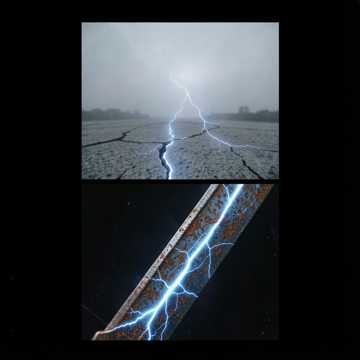
SPARKS ON THE BLADE
Casey witnesses Dane unleash ancient lightning through his sword against an undead horde. Awe turns to fear as his hidden identity emerges, transforming an exhausted companion into something primordial, while their sarcastic post-battle exchange preserves the story’s grim humor.
07:20
2026-09-12
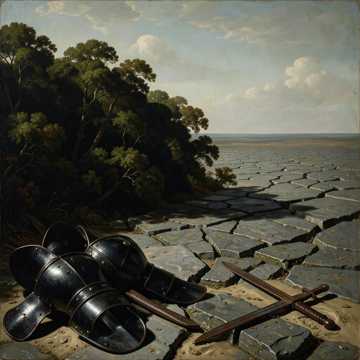
THE FOREST ENDS
A traveler crosses an impossible boundary where the forest abruptly ends and a lifeless stone plain begins. Gradually, buried weapons, bones, and moving figures reveal a vast battlefield. As Dane and the narrator advance, the graves awaken, proving that no one truly won the ancient war.
06:51
2026-09-11
Introduction to Doom Metal: Definition and History
Doom metal is a subgenre of heavy metal music known for its slow tempos, heavy distortion, and a bleak, often melancholic atmosphere. Originating in the late 1960s and early 1970s, doom metal was heavily influenced by the music of Black Sabbath, particularly their early work, which featured slower tempos and darker themes compared to other rock bands of the time. As the genre developed through the 1980s, it began to incorporate elements of gothic and psychedelic rock, further emphasizing its themes of despair, dread, and existential dread. By the 1990s, doom metal had diversified into various subgenres, each adding its own unique stylistic elements while maintaining the core aspects of slow, heavy, and emotionally intense music.
Sub-tags and Classifications of Doom Metal
Traditional Doom Metal
Traditional doom metal stays true to the genre's roots, drawing heavy inspiration from the early works of bands like Black Sabbath, Pentagram, and Saint Vitus. This subgenre is characterized by its slow to mid-tempo riffs, dark lyrical themes, and a general sense of foreboding and melancholy. Traditional doom metal often emphasizes a 'retro' sound, paying homage to the 1970s heavy metal style with its use of analog recording techniques and vintage equipment.
Epic Doom Metal
Epic doom metal is known for its grand, sweeping compositions and dramatic vocal styles, often reminiscent of classical and operatic music. Bands like Candlemass and Solitude Aeturnus are prime examples of this subgenre, which blends the slow tempos and heavy riffs of traditional doom with a more melodic and often symphonic approach. The lyrics in epic doom metal frequently explore themes of mythology, fantasy, and epic tales of struggle and heroism.
Funeral Doom Metal
Funeral doom metal is one of the slowest and most extreme subgenres of doom metal, characterized by its very slow tempos, minimalist arrangements, and an almost unbearable sense of despair and hopelessness. Bands like Thergothon, Skepticism, and Ahab are known for their contributions to this style, which often features deep growled vocals, heavily distorted guitars, and a dense, atmospheric sound that evokes feelings of isolation and desolation.
Stoner Doom Metal
Stoner doom metal combines the heavy, sludgy riffs of doom metal with the psychedelic elements of stoner rock. This subgenre is characterized by its use of fuzzy guitar tones, extended jamming sessions, and lyrics that often explore themes related to marijuana culture, space, and cosmic consciousness. Bands like Sleep, Electric Wizard, and Acid King are notable for their influence on stoner doom, blending heavy grooves with a laid-back, hazy atmosphere.
Sludge Doom Metal
Sludge doom metal is a hybrid genre that combines the slow, heavy riffs of doom metal with the abrasive, aggressive elements of sludge metal. This subgenre is known for its raw, distorted sound and often incorporates elements of punk and hardcore music. Bands like Eyehategod, Crowbar, and Acid Bath are known for their gritty, unpolished style, which frequently features themes of anger, despair, and societal disillusionment.
Famous Artists and Works in Doom Metal
Black Sabbath
Black Sabbath is widely regarded as one of the pioneering bands of doom metal. Their early albums, such as 'Black Sabbath' (1970) and 'Paranoid' (1970), featured slow, heavy riffs and dark lyrical themes that laid the foundation for the genre. Songs like 'Black Sabbath,' 'Iron Man,' and 'War Pigs' are considered classics that have inspired countless doom metal bands.
Dopethrone - Electric Wizard
'Dopethrone' is a seminal album in the stoner doom metal genre, released in 2000. It is characterized by its thick, fuzzy guitar tones, slow tempos, and dark, psychedelic atmospheres. The album's lyrics delve into themes of occultism, drug use, and horror, creating a sense of foreboding and intensity that has made it a classic in the doom metal community.
Candlemass
Candlemass is a Swedish band that played a crucial role in shaping the sound of epic doom metal. Their debut album, 'Epicus Doomicus Metallicus' (1986), is often credited with defining the subgenre, thanks to its dramatic vocals, grandiose arrangements, and lyrical themes of fantasy and myth. Candlemass continued to evolve the genre with subsequent albums like 'Nightfall' (1987) and 'Ancient Dreams' (1988).
Epicus Doomicus Metallicus - Candlemass
Released in 1986, 'Epicus Doomicus Metallicus' is often credited with defining the epic doom metal subgenre. The album features slow, heavy riffs, dramatic vocals, and grandiose arrangements that create a sense of majesty and melancholy. Its lyrics often explore themes of fantasy, myth, and existential struggle, setting the tone for future epic doom releases.
Electric Wizard
Electric Wizard is a key band in the stoner doom metal subgenre, known for their heavily distorted guitar tones, slow tempos, and dark, psychedelic atmospheres. Their album 'Dopethrone' (2000) is considered a landmark release in doom metal, with its thick, sludgy sound and lyrics that explore themes of occultism, drug use, and horror. The band's unique style has influenced a generation of doom and stoner metal bands.
Forest of Equilibrium - Cathedral
'Forest of Equilibrium,' released in 1991, is considered one of the quintessential albums of the doom metal genre. The album is characterized by its slow, crushing riffs, mournful melodies, and an overall sense of despair and foreboding. Its unique blend of heaviness and melancholy has influenced a wide range of doom metal bands and remains a touchstone in the genre.
My Dying Bride
My Dying Bride is an influential band in the death-doom subgenre, which combines elements of doom metal with the harsh vocals and faster tempos of death metal. Albums like 'Turn Loose the Swans' (1993) and 'The Angel and the Dark River' (1995) are known for their melancholic melodies, poetic lyrics, and a blend of beauty and brutality that has helped define the subgenre.
Application Scenarios for Doom Metal
Doom metal's slow tempos and heavy, atmospheric sound make it ideal for use in movie soundtracks, particularly in horror, thriller, and psychological drama films. The genre's ability to evoke a sense of dread, tension, and melancholy can enhance the emotional impact of key scenes, creating a more immersive and intense viewing experience.
Movie Soundtracks
Doom metal is also well-suited for use in video game soundtracks, especially in games with dark, gothic, or horror themes. The genre's heavy, atmospheric sound can help set the tone for exploration, combat, and story-driven segments, enhancing the player's immersion in the game world. Games like 'Dark Souls' and 'Bloodborne' have utilized similar atmospheric music to great effect.
Video Game Background Music
While less common, doom metal can be effectively used in advertising to convey a sense of intensity, power, or rebelliousness. Brands seeking to associate themselves with a darker, more alternative image may use doom metal tracks in commercials to appeal to a specific audience. The genre's unique sound can help differentiate an advertisement from more conventional music choices.
Advertising Music
Doom metal is a popular choice for live performances and music festivals, particularly those that cater to fans of heavy and extreme music. The genre's slow, heavy riffs and emotionally charged atmosphere create a powerful live experience that resonates with audiences. Doom metal bands often perform at specialized metal festivals such as Roadburn and Maryland Deathfest, where the genre's unique sound can be fully appreciated by dedicated fans.
Live Performances and Festivals