Free erhu Music Generator Powered by AI
Turn text into high-quality erhu music effortlessly – no login required!

music.toolTips

《千秋宿命畫卷》
歌曲描繪皇權、龍族與輪迴交織的宿命愛戀。暗龍與純火血脈的相遇,穿越水患、雷獄與九王爭鬥,最終讓千年的仇恨在絕境中轉化為救贖與唯一的愛。
04:32
2026-09-01

《千秋宿命畫卷》
歌曲描寫九王爭權、洪水冤魂與雷電雙生交織的千年宿命。兩個被仇恨與權力撕裂的靈魂,在冰火、輪迴與贖罪之中重新確認愛的唯一性。
04:35
2026-08-30

大富大貴
歌曲從算命與貧窮的黑色幽默出發,嘲諷迷信、投資陷阱與社會焦慮,最終轉向自我覺醒:命運可以參考,但人生必須靠自己闖出富貴與尊嚴。
03:43
2026-08-30

長命百歲
歌曲以幽默反思開場,提醒人們別用財富交換健康;透過流行搖滾、民樂與饒舌,鼓勵從飲食、睡眠、運動與陪伴家人做起,活出長久、自在且無悔的人生。
03:11
2026-08-30

只是不再有你
歌曲以摯愛離去為核心,從無法接受、追悔與夢中重逢,推進至帶著對方留下的勇氣繼續前行。東方五聲音階與電影弦樂交織出宿命般的哀傷,最終將深切思念化為溫柔而不滅的星光。
06:01
2026-08-30
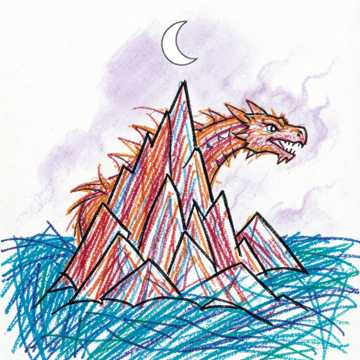
《千年的囚徒》
歌曲描寫龍族王者因愛成恨、以囚禁守護戀人,歷經千年輪迴後終於揭開誤會,在冰與火、罪與愛交織的宿命中完成救贖。
04:35
2026-08-28

《千年的囚徒》
歌曲描寫龍族王者在千年仇恨與宿命囚籠中,重新認出被自己折磨的愛人。冰雪與烈焰、復仇與救贖在戰爭和輪迴中交會,最終以餘生補償罪罰,讓跨越生死的愛再次綻放。
04:36
2026-08-26
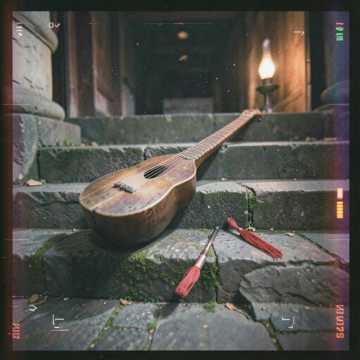
漢宮春曉M
歌曲以宮廷女子遠赴塞外為主軸,從長安春曉的含情守望,走向和親離別的蒼涼宿命。琵琶、駝鈴與落日意象層層推進,並以輪迴不忘的誓言,深化跨越千年的愛與遺憾。
05:25
2026-08-24
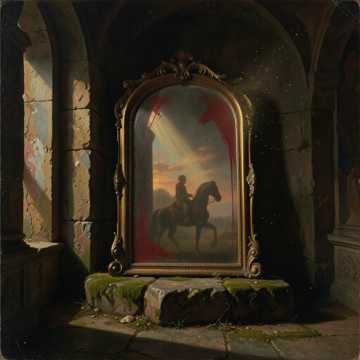
漢宮春曉E
歌曲以漢宮、長安、玉門關與青冢為意象,講述一段因和親而分離的千年愛戀。琵琶貫穿全曲,融合現代流行旋律與中國五聲調式,從溫柔惆悵推向深情壯闊,最終寄望來世重逢。
05:52
2026-08-23

武僧
歌曲描写一位武僧与恋人在清规戒律、前尘宿命和凡尘真情之间的挣扎。男女对唱由克制走向心动,戏曲式高音、摇滚鼓点与民族器乐共同营造出明亮、 nostalgically nostalgic 的武侠爱情氛围。
04:30
2026-08-23
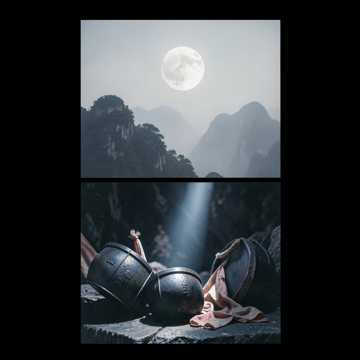
LUNACY — Sous la même Lune
LUNACY est un hymne de guilde martial et fédérateur. Sous une même lune, ses membres progressent ensemble dans Skyward Bond, les speedruns et les duels, transformant chaque défaite en apprentissage jusqu’à l’exécution parfaite et la victoire collective.
05:27
2026-08-23
天黑的时候
歌曲以天黑、山门、钟声与莲花为意象,描写迷失者在等待与痛苦中接受慈悲,最终学会回头,在佛音与温柔陪伴下获得平静、希望与重生。
04:28
2026-08-22

凤阙残梦
歌曲描绘一段跨越乱世与宫墙的无望爱情。女声戏腔旁白串联残信、孤灯与旧城,男女情感在等待、诀别和未竟誓言中逐渐燃尽,最终化为一场无人收拾的残梦。
04:46
2026-08-21
ด้วยพ่อแม่ และบุตร
บทเพลงรำลึกพระคุณพ่อแม่ เชื้อเชิญลูกหลานดูแลท่านยามชราอย่างพอดีและอ่อนโยน ผสานถ้อยคำคติสอนใจไทยกับบรรยากาศบลูส์บอสซาโนวา บทสวด และคอรัสคล้ายเสียงจากวัด
07:42
2026-08-11

Lanterns at the Graves
A solemn nocturnal ballad about reclaiming a desecrated Hong Kong burial ground. Through lantern-lit resolve, sacred cleansing, and collective courage, its characters confront lingering darkness and restore rest, dignity, and peace to the dead.
04:50
2026-08-11
ด้วยพ่อแม่แก่เฒ่าชราวัย
บทเพลงเตือนใจเรื่องพระคุณพ่อแม่และการเลี้ยงดูท่านเมื่อชรา ถ่ายทอดด้วยเสียงเล่าอ่อนโยน คอรัสคล้ายบทสวด และบลูส์สวิงหม่นลึกที่ทั้งสงบ อาลัย และเปี่ยมเมตตา
08:00
2026-08-10

Night Dance in the Sandy Desert ( 3051 ) ( aimusic.so )
An instrumental desert odyssey merging hypnotic EDM, organic percussion, ancient winds, and cinematic textures. Its shifting energy moves from meditative stillness to driving dance momentum, evoking moonlit dunes, shamanic rituals, introspection, romance, and the liberating glow of sunrise.
07:35
2026-08-09

Night Dance in the Sandy Desert ( 3013 ) ( aimusic.so )
A wordless desert-night anthem that shifts between meditative stillness and explosive club energy. Organic instruments and ancient tonal colors weave through dark synth-pop, trance, drum and bass, and festival-scale electronic momentum.
02:48
2026-08-07
Night Dance in the Sandy Desert ( 3005 ) ( aimusic.so )
An instrumental electronic odyssey where shifting tempos, dark synth-pop textures, and ancient desert timbres meet. Handpan, tabla, bagpipes, erhu, and rolling basslines shape a mysterious yet uplifting dance-floor voyage through moonlit sands.
01:14
2026-08-07

Night Dance in the Sandy Desert ( 3003 ) ( aimusic.so )
An instrumental desert-night odyssey that contrasts meditative handpan and folk winds with driving synth-pop, trance energy, rolling subbass, and melancholic euphoria. Its erratic shifts evoke a mysterious dance beneath neon stars and shifting sand.
02:25
2026-08-07
Erhu: A Deep Dive into the Traditional Chinese Musical Instrument
The erhu, often referred to as the 'Chinese violin' or 'Chinese two-stringed fiddle,' is a traditional Chinese musical instrument with a history spanning over a thousand years. Originating during the Tang Dynasty, the erhu has become a symbol of Chinese musical culture. It is characterized by its two strings and a small resonating body, typically made of wood, with a snakeskin membrane covering the front. The erhu's distinctive, melancholic sound is produced by drawing a bow between its two strings, allowing for a wide range of emotional expression. Over the centuries, the erhu has evolved both in design and technique, playing a significant role in various forms of Chinese music, from classical to contemporary genres.
Classifications and Styles of Erhu Music
Traditional Erhu
Traditional erhu music adheres to the classical styles and techniques developed over centuries. It often features slow, emotive melodies that reflect the instrument's roots in Chinese folk music and opera. Traditional erhu is commonly played in solo performances or as part of an ensemble in Chinese orchestras.
Contemporary Erhu
Contemporary erhu incorporates modern influences and genres, blending the instrument's traditional sound with elements of jazz, pop, and even electronic music. This style appeals to a younger audience and showcases the erhu's versatility beyond its classical origins.
Regional Erhu Styles
Different regions in China have developed unique styles of erhu music. For instance, the 'Jiangnan style' from the southern Yangtze River region is known for its light, elegant tones, while the 'Northern style' emphasizes a bolder, more robust sound. These regional variations highlight the adaptability of the erhu to different cultural contexts.
Erhu in Film and Media
This classification focuses on erhu music specifically composed or adapted for use in film, television, and other media. The erhu’s emotive qualities make it a popular choice for soundtracks, especially in scenes that require a deep emotional resonance or a connection to Chinese cultural themes.
Famous Erhu Artists and Iconic Works
Liu Tianhua
Liu Tianhua (1895-1932) is often credited with modernizing the erhu and elevating it to a prominent place in Chinese music. He composed 47 pieces for the erhu, including the famous 'Reflection of the Moon on the Water.' His works combined traditional Chinese music with Western musical theories, laying the foundation for contemporary erhu performance.
Erquan Yingyue (Moon Reflected in Erquan)
Composed by Hua Yanjun, also known as 'Blind Abing,' in the early 20th century, 'Erquan Yingyue' is one of the most iconic pieces in the erhu repertoire. The piece is known for its deeply sorrowful melody, reflecting the hardships and struggles faced by the composer. Its use of the erhu's full range and emotive capacity makes it a staple in any erhu performance.
Min Huifen
Min Huifen (1945-2014) was a master of the erhu, known for her powerful and emotive performances. Her rendition of 'The Great Wall Capriccio' remains one of the most celebrated erhu performances, demonstrating her technical prowess and deep connection to Chinese history and culture.
The Great Wall Capriccio
'The Great Wall Capriccio,' composed by Liu Wenjin, is a modern erhu piece that integrates traditional Chinese music with Western compositional techniques. The work is celebrated for its grand scale and dramatic expression, symbolizing the strength and resilience of the Chinese people, much like the Great Wall itself.
Ma Xiaohui
Ma Xiaohui is a renowned contemporary erhu player who has brought the instrument to international audiences. She has performed globally and collaborated with musicians from various genres, further expanding the erhu's appeal. Her work includes innovative interpretations of both traditional Chinese pieces and modern compositions.
Reflection of the Moon on the Water
Another masterpiece by Liu Tianhua, 'Reflection of the Moon on the Water,' is a lyrical and contemplative piece that showcases the erhu's ability to convey subtle, delicate emotions. The piece is often used in erhu education to teach students about tone control and expression.
Application Scenarios for Erhu Music
Erhu music is frequently used in film soundtracks to evoke deep emotional responses, particularly in scenes that involve nostalgia, sadness, or cultural reflection. Its unique sound provides an instant connection to Chinese heritage, making it a popular choice in both Chinese and international films.
Film Soundtracks
In video games, especially those set in historical or fantasy versions of China, the erhu is used to create immersive and atmospheric background music. The instrument’s versatility allows it to convey a wide range of emotions, from the tension of a battle scene to the tranquility of a peaceful landscape.
Video Game Music
Erhu performances are often featured in cultural events, such as Chinese New Year celebrations, traditional opera performances, and concerts dedicated to Chinese music. The instrument's ability to convey both joy and sorrow makes it a powerful tool in any cultural expression.
Cultural Events and Performances
The distinctive sound of the erhu is sometimes used in commercials and advertisements to evoke a sense of authenticity, tradition, and cultural depth. Brands looking to connect with Chinese consumers or highlight their heritage often incorporate erhu music into their marketing materials.
Advertising and Commercials