Free erhu Music Generator Powered by AI
Turn text into high-quality erhu music effortlessly – no login required!

music.toolTips
ترانهٔ گفتگو با نورِ درون (Lied des Gesprächs)
این ترانه سفری شاعرانه و شوخطبعانه از پرسشهای هستیشناسانه به سوی حقیقتی ساده است: روشنبینی در سکوت، معنا در پرسیدن، و حضور خدا در هر دم. موسیقی با رنگهای شرقی، ریتمهای آیینی و اوج کیهانی، این مکاشفه را به تجربهای رازآلود بدل میکند.
06:58
2026-09-20
Песня разговора с Внутренним Светом (Lied des Gesprächs)
Искатель задаёт Внутреннему Свету вопросы о личности, смысле, страдании, просветлении и Боге. Ответы соединяют мудрость, юмор и простоту дыхания, постепенно превращая шутливый диалог в тёплое духовное откровение о близости истины.
07:02
2026-09-20

月亮有泪
歌曲讲述一段感情结束后的漫长思念。月光、雨伞、票根与旧旋律串起未完成的告别,主人公最终学会与孤独相对,带着感谢放下曾经深爱的人。
03:59
2026-09-20

Lied des Lichts am Ende des Tunnels
Dieses Werk verwebt Solfeggio-Frequenzen mit einer reichen Instrumentation aus Barock, Orchester und modernen Synths. Es besingt die tragende Kraft der Liebe – ob göttlich oder menschlich – als unvergängliches Licht, das Hoffnung spendet und zwei Seelen auf ihrer gemeinsamen Reise vereint.
07:24
2026-09-19
不屈
歌曲以歷代忠烈英雄為主線,從張巡、岳飛到文天祥、史可法與袁崇煥,透過悲壯而深情的旋律,描繪人在苦難與死亡面前守住信念、傲骨與尊嚴。
04:22
2026-09-16
Guzheng
Bài hát là lời tự tình của người đang xa cách người yêu, gửi nỗi nhớ vào gió, mưa, ánh trăng và cung đàn. Không khí lãng mạn, buồn sâu lắng hòa cùng chất liệu nhạc Hoa, R&B và bass mềm, gợi một đêm cô độc nhưng chan chứa yêu thương.
04:06
2026-09-15

แสงเดือนเพ็ญ — 月のしらべ
บทเพลงรักและความหลงใหลใต้แสงจันทร์ ถ่ายทอดความงามของคนรักผ่านภาษาไทยและญี่ปุ่น เสียงร้องชายอบอุ่นผสานเออร์หู ไวโอลิน และบลูส์หม่นลึก ก่อนคลี่คลายสู่จังหวะดิสโก้ฟังก์ที่สว่างไสวและเปี่ยมความหวัง
05:34
2026-09-13
งามเทียบ...เปรียบเดือนแสง....งาม
บทเพลงรักเชิงกวีที่เปรียบความงามของคนรักกับแสงจันทร์ ถ่ายทอดความอาลัยและหลงใหลผ่านลูกกรุงไทย เอ็งกะญี่ปุ่น และคันทรีบลูส์ ก่อนยกระดับสู่จังหวะดิสโก้ที่เปล่งประกาย
05:49
2026-09-12
博龍
歌曲以神龍神話為主軸,從天地初開、四象守護到黑暗降臨與金光破曉,展現華夏龍文化的尊貴、雄渾、智慧與不朽精神。
04:45
2026-09-12

Ô mon île !
Cette chanson célèbre La Réunion comme une femme, un jardin de mémoire et une terre métissée. Entre volcan, marchés, cuisine créole, maloya et souvenirs familiaux, elle unit les peuples dans un hymne lumineux, profondément affectueux et porté par l’identité insulaire.
06:50
2026-09-11

Ô mon île !
Cet hymne célèbre La Réunion comme une île-femme, terre de volcans, de saveurs et de mémoire. Les voix, tambours et guitares racontent son métissage, ses traditions, ses paysages et l’unité d’un peuple, dans une fusion chaleureuse de maloya, séga et gospel.
06:51
2026-09-11
Moonlit Valley
Moonlit Valley is a tranquil Chinese ambient instrumental crafted at a slow 55 BPM. Blending delicate guzheng arpeggios, subtle erhu, and breathy bamboo flute with deep valley reverb, it creates a warm, meditative soundscape ideal for deep relaxation, mindfulness, and restful sleep.
03:39
2026-09-09

虎爺
歌曲以虎爺信仰為核心,透過鑼鼓、吼聲、Rap與合唱,描寫虎爺鎮邪護民的神威,也傳達台灣囝仔接棒文化、守護故鄉的熱情與使命。
04:45
2026-09-08

虎爺
歌曲以暗暝邪煞開場,透過虎爺顯靈、咆哮、踏七星步與出巡鎮魔,將民俗信仰化為熱血洗腦的Hip Hop與傳統戰鼓 anthem,傳達保境安民、文化傳承與庄頭團結的精神。
03:21
2026-09-08

虎爺
歌曲以陰暗邪煞的困境開場,透過虎爺顯靈、咆哮與出巡展現鎮魔護民的威猛力量,結合咒語、七星步、戰鼓與台語饒舌,歌頌信仰傳承與臺灣庄頭文化。
03:50
2026-09-08
虎爺
〈虎爺〉以暗暝邪煞開場,呼請虎爺顯靈鎮魔;透過戰鼓、二胡、男女聲與饒舌,將庄頭信仰、保平安的祈願佮台灣文化傳承,唱成威猛熱血的神將戰歌。
04:27
2026-09-08

猛虎發威
本曲結合台灣傳統陣頭文化與現代Hip-Hop,融合二胡與戰鼓,讚頌虎爺降魔鎮煞的神威,展現文化傳承的雄厚氣勢。
04:13
2026-09-08

《还在想你》
歌曲以雨夜、旧照片、熟悉街道和月亮为意象,描绘雯妮对已离去之人的漫长思念。温柔主歌铺陈遗憾,深情副歌释放情绪,并以来世重逢与继续前行收束哀伤。
05:35
2026-09-03

Không thể nói
Ca khúc kể về tình yêu chưa kịp thổ lộ đã phải chia xa. Nhân vật trữ tình ôm thương nhớ, chọn tha thứ và ru mối tình vào mưa, mây, mùa thu, dù trái tim vẫn đau vì những lời yêu không thể nói.
04:15
2026-09-02
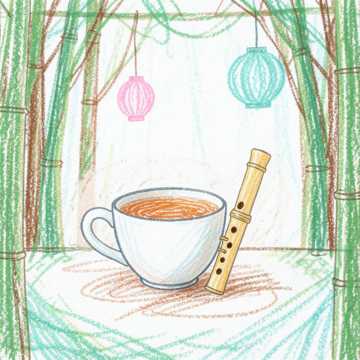
Jade Teacup
Jade Teacup evokes a quiet Chinese tea house through swung chillhop drums, delicate guzheng, expressive erhu, bamboo flute, sparse piano, vinyl crackle, and warm tape haze. Its intimate arrangement moves from reflective minimalism to a softly glowing pentatonic chorus, creating a calm, nostalgic atmosphere.
02:32
2026-09-01
Erhu: A Deep Dive into the Traditional Chinese Musical Instrument
The erhu, often referred to as the 'Chinese violin' or 'Chinese two-stringed fiddle,' is a traditional Chinese musical instrument with a history spanning over a thousand years. Originating during the Tang Dynasty, the erhu has become a symbol of Chinese musical culture. It is characterized by its two strings and a small resonating body, typically made of wood, with a snakeskin membrane covering the front. The erhu's distinctive, melancholic sound is produced by drawing a bow between its two strings, allowing for a wide range of emotional expression. Over the centuries, the erhu has evolved both in design and technique, playing a significant role in various forms of Chinese music, from classical to contemporary genres.
Classifications and Styles of Erhu Music
Traditional Erhu
Traditional erhu music adheres to the classical styles and techniques developed over centuries. It often features slow, emotive melodies that reflect the instrument's roots in Chinese folk music and opera. Traditional erhu is commonly played in solo performances or as part of an ensemble in Chinese orchestras.
Contemporary Erhu
Contemporary erhu incorporates modern influences and genres, blending the instrument's traditional sound with elements of jazz, pop, and even electronic music. This style appeals to a younger audience and showcases the erhu's versatility beyond its classical origins.
Regional Erhu Styles
Different regions in China have developed unique styles of erhu music. For instance, the 'Jiangnan style' from the southern Yangtze River region is known for its light, elegant tones, while the 'Northern style' emphasizes a bolder, more robust sound. These regional variations highlight the adaptability of the erhu to different cultural contexts.
Erhu in Film and Media
This classification focuses on erhu music specifically composed or adapted for use in film, television, and other media. The erhu’s emotive qualities make it a popular choice for soundtracks, especially in scenes that require a deep emotional resonance or a connection to Chinese cultural themes.
Famous Erhu Artists and Iconic Works
Liu Tianhua
Liu Tianhua (1895-1932) is often credited with modernizing the erhu and elevating it to a prominent place in Chinese music. He composed 47 pieces for the erhu, including the famous 'Reflection of the Moon on the Water.' His works combined traditional Chinese music with Western musical theories, laying the foundation for contemporary erhu performance.
Erquan Yingyue (Moon Reflected in Erquan)
Composed by Hua Yanjun, also known as 'Blind Abing,' in the early 20th century, 'Erquan Yingyue' is one of the most iconic pieces in the erhu repertoire. The piece is known for its deeply sorrowful melody, reflecting the hardships and struggles faced by the composer. Its use of the erhu's full range and emotive capacity makes it a staple in any erhu performance.
Min Huifen
Min Huifen (1945-2014) was a master of the erhu, known for her powerful and emotive performances. Her rendition of 'The Great Wall Capriccio' remains one of the most celebrated erhu performances, demonstrating her technical prowess and deep connection to Chinese history and culture.
The Great Wall Capriccio
'The Great Wall Capriccio,' composed by Liu Wenjin, is a modern erhu piece that integrates traditional Chinese music with Western compositional techniques. The work is celebrated for its grand scale and dramatic expression, symbolizing the strength and resilience of the Chinese people, much like the Great Wall itself.
Ma Xiaohui
Ma Xiaohui is a renowned contemporary erhu player who has brought the instrument to international audiences. She has performed globally and collaborated with musicians from various genres, further expanding the erhu's appeal. Her work includes innovative interpretations of both traditional Chinese pieces and modern compositions.
Reflection of the Moon on the Water
Another masterpiece by Liu Tianhua, 'Reflection of the Moon on the Water,' is a lyrical and contemplative piece that showcases the erhu's ability to convey subtle, delicate emotions. The piece is often used in erhu education to teach students about tone control and expression.
Application Scenarios for Erhu Music
Erhu music is frequently used in film soundtracks to evoke deep emotional responses, particularly in scenes that involve nostalgia, sadness, or cultural reflection. Its unique sound provides an instant connection to Chinese heritage, making it a popular choice in both Chinese and international films.
Film Soundtracks
In video games, especially those set in historical or fantasy versions of China, the erhu is used to create immersive and atmospheric background music. The instrument’s versatility allows it to convey a wide range of emotions, from the tension of a battle scene to the tranquility of a peaceful landscape.
Video Game Music
Erhu performances are often featured in cultural events, such as Chinese New Year celebrations, traditional opera performances, and concerts dedicated to Chinese music. The instrument's ability to convey both joy and sorrow makes it a powerful tool in any cultural expression.
Cultural Events and Performances
The distinctive sound of the erhu is sometimes used in commercials and advertisements to evoke a sense of authenticity, tradition, and cultural depth. Brands looking to connect with Chinese consumers or highlight their heritage often incorporate erhu music into their marketing materials.
Advertising and Commercials