Free erhu Music Generator Powered by AI
Turn text into high-quality erhu music effortlessly – no login required!

music.toolTips
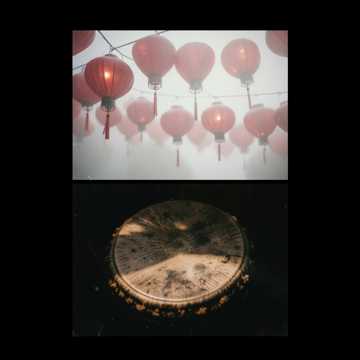
喜庆灯笼会
作品以高亢唢呐、铿锵铜锣、热烈鼓点和明亮琵琶二胡旋律,描绘张灯结彩、万人欢聚的春节灯会。节奏鲜明、层次饱满,传递团圆、喜悦与蓬勃生机。
02:28
2026-09-23
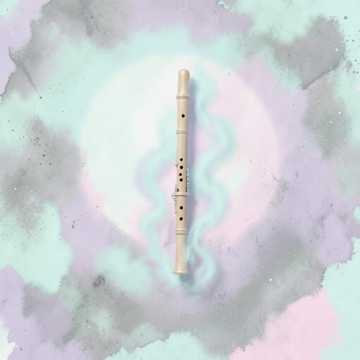
月下笛影
笛声如月下清风,穿行于古筝的细密弦音与二胡的温柔回响之间。舒缓节奏勾勒出寂静夜色,呈现一幅清远、含蓄而充满诗意的东方月夜画卷。
03:25
2026-09-23
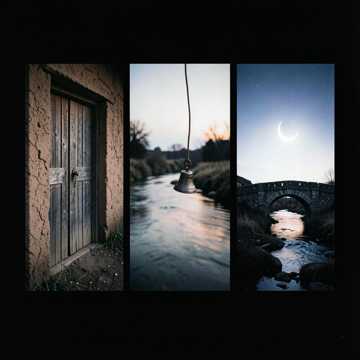
故鄉啊,落日黃昏
歌曲以落日、老村、炊煙、母親與泥土意象,描寫遊子多年漂泊後對故鄉的深切思念。旋律由克制低吟逐步推向磅礴合唱,在蒼涼與溫暖之間,呈現血脈牽引、親情守候與終將歸來的情感。
04:38
2026-09-22
neuanhden
歌曲描写一位曾被初恋欺骗的女性,在黄昏与雨夜中面对伤痕。她谨慎地等待真心,以安宁、耐心和不离不弃为条件,逐渐重新学习去爱,并许下共同守护温暖家园的承诺。
04:49
2026-09-22
江湖破晓
作品以紧张疏落的开篇描绘黎明前的江湖,随后由二胡、笛声、古筝与恢弘弦 brass层层推进,在战鼓与铜管爆发中抵达英雄决战般的高潮。
01:30
2026-09-22

月下旧梦
作品以70 BPM的舒缓节奏展开,古琴勾勒月下孤寂,哀婉二胡承载旧梦与离愁,笛声和电影弦乐逐步铺陈历史长河般的情绪,营造出苍凉、深情而恢弘的东方叙事。
02:00
2026-09-22
歲月流年
歌曲描寫一段被歲月與山河拉遠的愛情,以草原、老馬、月亮與書信寄託思念,在民族樂器的蒼涼回響中,唱出對青春、故人與來生重逢的深切守候。
04:52
2026-09-21

آیین شامانی تصویرِ هماهنگ (Schamanenritual des Harmonischen Bildes)
این قطعه آیینی جمعی برای شناخت و دگرگونکردن خطاهای نظام است. نه دروازه با طبل، آتش، مانترا و تصویر هماهنگ، ترس و تاریکی را به آگاهی، یگانگی و کنش مشترک بدل میکند و آینده را همچون تمرینی جمعی میسازد.
07:19
2026-09-21
等価性の演説 (Schamanenritual des Harmonischen Bildes)
議会演説の形式を取り、風刺的ユーモアと哲学を交えて対話と真の自由を訴える作品。アヴァンギャルドなトランスと伝統楽器の融合が、壮大な音響空間を構築しています。
07:04
2026-09-21
ترانهٔ عطرِ راز (Schamanenritual des Harmonischen Bildes)
این ترانه با طنزی ظریف، داستان عطری ناشناختنی را روایت میکند که سرانجام بهانهای برای پیوند، حضور و دیدن متقابل دو انسان میشود. عطر واقعی نه در شیشه، بلکه در لحظه، نگاه و راز مشترک آنهاست.
07:18
2026-09-21
سخنرانیِ همارزی (Schamanenritual des Harmonischen Bildes)
این قطعه یک سخنرانی پارلمانی طنزآمیز را به سرودی حماسی و اندیشمندانه بدل میکند؛ با نقد سلطه و دستور تاریک، بر همکاری، احترام، آزادی و ساختن پل میان ملتها تأکید دارد.
07:19
2026-09-21

Schamanenritual des Harmonischen Bildes
Das Lied gestaltet ein neunteiliges Ritual, in dem eine Gemeinschaft ein harmonisches Zukunftsbild beschwört, wiederkehrende Systemfehler erkennt und ihnen jede Legitimation entzieht. Durch Benennung, Einheit und Licht wird Angst verwandelt. Trommel, Feuer und Mantra führen vom Widerstand zu gemeinsamer Klarheit und praktischer Hoffnung.
07:19
2026-09-21
Rede zur Gleichwertigkeit
Eine theatralische Bundestagsrede als musikalische Satire: Mit Humor, Pathos und politischen Bildern plädiert das Stück für Gleichwertigkeit, Kooperation und gegenseitigen Respekt. Die offene Brücke wird zum Symbol einer Freiheit, die nicht allein behauptet, sondern auch anderen ermöglicht wird.
07:17
2026-09-21
空灵思念
作品以古筝独奏开启孤寂旅程,箫与二胡逐步引出克制而深沉的思念,在弦乐推动下抵达隐忍的情绪高潮,最终回归空旷未解的余韵。
03:25
2026-09-21
Lied des geheimen Parfüms
Eine Kollegin entdeckt ein angeblich geniales Parfüm und folgt dem geheimnisvollen Duft auf eine Wiese. Aus einem komischen Missverständnis entsteht ein stiller, intimer Augenblick: Das wahre Parfüm ist keine Substanz, sondern der geteilte Blick zweier Menschen.
06:59
2026-09-21
भीतर की रोशनी से संवाद का गीत
यह गीत साधक और भीतर की रोशनी के संवाद के माध्यम से आत्मपहचान, जीवन, पीड़ा, ईश्वर और आत्मज्ञान पर चिंतन करता है। गंभीर आध्यात्मिक विचारों को सूक्ष्म हास्य, मौन, साँस और रहस्यमय संगीत के साथ प्रस्तुत किया गया है।
07:20
2026-09-21

仙途望月
作品以流动的中速华尔兹展开,古筝与远钟轻启月夜旅程,二胡、竹笛、弦乐和仪式鼓逐层铺陈,最终汇聚成空灵恢弘的仙侠主题,适合奇幻场景、节庆画面与沉浸式东方叙事。
03:34
2026-09-20
内なる光との対話の歌 (Lied des Gesprächs)
求道者と内なる光の対話を、ユーモアと沈黙の緩急で描く瞑想的な楽曲。人生の意味、苦しみ、悟り、神の存在を問いながら、答えは遠い場所ではなく、今ここで行う一つの呼吸にあると気づかせる。
07:21
2026-09-20
「소원의 원 – 시간을 현현하라」 (Lied des Gesprächs)
공동체가 원 안에서 소원을 나누고 하나의 에너지로 엮어 현실에 불러오는 의식적 트랜스 송이다. 느린 만트라와 명상적 브리지를 지나 리드미컬한 합창, 타악기, 관현악적 절정으로 확장되며 연대, 희망, 보호, 현현의 감정을 표현한다.
06:53
2026-09-20
از جمله کسانی که آرزو دارند (Lied der Wünsche)
این قطعه آیینی، جمعی را در دایرهای روشن به سفری از نیت، همدلی و آشکارسازی آرزوها میبرد. موسیقی با باس عمیق، سازهای شرقی، کُر، زهیها و اوج سمفونیک، فضایی رازآلود، امیدبخش و کیهانی میسازد.
07:23
2026-09-20
Erhu: A Deep Dive into the Traditional Chinese Musical Instrument
The erhu, often referred to as the 'Chinese violin' or 'Chinese two-stringed fiddle,' is a traditional Chinese musical instrument with a history spanning over a thousand years. Originating during the Tang Dynasty, the erhu has become a symbol of Chinese musical culture. It is characterized by its two strings and a small resonating body, typically made of wood, with a snakeskin membrane covering the front. The erhu's distinctive, melancholic sound is produced by drawing a bow between its two strings, allowing for a wide range of emotional expression. Over the centuries, the erhu has evolved both in design and technique, playing a significant role in various forms of Chinese music, from classical to contemporary genres.
Classifications and Styles of Erhu Music
Traditional Erhu
Traditional erhu music adheres to the classical styles and techniques developed over centuries. It often features slow, emotive melodies that reflect the instrument's roots in Chinese folk music and opera. Traditional erhu is commonly played in solo performances or as part of an ensemble in Chinese orchestras.
Contemporary Erhu
Contemporary erhu incorporates modern influences and genres, blending the instrument's traditional sound with elements of jazz, pop, and even electronic music. This style appeals to a younger audience and showcases the erhu's versatility beyond its classical origins.
Regional Erhu Styles
Different regions in China have developed unique styles of erhu music. For instance, the 'Jiangnan style' from the southern Yangtze River region is known for its light, elegant tones, while the 'Northern style' emphasizes a bolder, more robust sound. These regional variations highlight the adaptability of the erhu to different cultural contexts.
Erhu in Film and Media
This classification focuses on erhu music specifically composed or adapted for use in film, television, and other media. The erhu’s emotive qualities make it a popular choice for soundtracks, especially in scenes that require a deep emotional resonance or a connection to Chinese cultural themes.
Famous Erhu Artists and Iconic Works
Liu Tianhua
Liu Tianhua (1895-1932) is often credited with modernizing the erhu and elevating it to a prominent place in Chinese music. He composed 47 pieces for the erhu, including the famous 'Reflection of the Moon on the Water.' His works combined traditional Chinese music with Western musical theories, laying the foundation for contemporary erhu performance.
Erquan Yingyue (Moon Reflected in Erquan)
Composed by Hua Yanjun, also known as 'Blind Abing,' in the early 20th century, 'Erquan Yingyue' is one of the most iconic pieces in the erhu repertoire. The piece is known for its deeply sorrowful melody, reflecting the hardships and struggles faced by the composer. Its use of the erhu's full range and emotive capacity makes it a staple in any erhu performance.
Min Huifen
Min Huifen (1945-2014) was a master of the erhu, known for her powerful and emotive performances. Her rendition of 'The Great Wall Capriccio' remains one of the most celebrated erhu performances, demonstrating her technical prowess and deep connection to Chinese history and culture.
The Great Wall Capriccio
'The Great Wall Capriccio,' composed by Liu Wenjin, is a modern erhu piece that integrates traditional Chinese music with Western compositional techniques. The work is celebrated for its grand scale and dramatic expression, symbolizing the strength and resilience of the Chinese people, much like the Great Wall itself.
Ma Xiaohui
Ma Xiaohui is a renowned contemporary erhu player who has brought the instrument to international audiences. She has performed globally and collaborated with musicians from various genres, further expanding the erhu's appeal. Her work includes innovative interpretations of both traditional Chinese pieces and modern compositions.
Reflection of the Moon on the Water
Another masterpiece by Liu Tianhua, 'Reflection of the Moon on the Water,' is a lyrical and contemplative piece that showcases the erhu's ability to convey subtle, delicate emotions. The piece is often used in erhu education to teach students about tone control and expression.
Application Scenarios for Erhu Music
Erhu music is frequently used in film soundtracks to evoke deep emotional responses, particularly in scenes that involve nostalgia, sadness, or cultural reflection. Its unique sound provides an instant connection to Chinese heritage, making it a popular choice in both Chinese and international films.
Film Soundtracks
In video games, especially those set in historical or fantasy versions of China, the erhu is used to create immersive and atmospheric background music. The instrument’s versatility allows it to convey a wide range of emotions, from the tension of a battle scene to the tranquility of a peaceful landscape.
Video Game Music
Erhu performances are often featured in cultural events, such as Chinese New Year celebrations, traditional opera performances, and concerts dedicated to Chinese music. The instrument's ability to convey both joy and sorrow makes it a powerful tool in any cultural expression.
Cultural Events and Performances
The distinctive sound of the erhu is sometimes used in commercials and advertisements to evoke a sense of authenticity, tradition, and cultural depth. Brands looking to connect with Chinese consumers or highlight their heritage often incorporate erhu music into their marketing materials.
Advertising and Commercials