Free erhu Music Generator Powered by AI
Turn text into high-quality erhu music effortlessly – no login required!

music.toolTips

竹影清泉
《竹影清泉》以笛子展开温柔旋律,古筝随后泛起清亮波光,二胡在后段温暖回应。作品节奏舒缓、气息通透,营造宁静、柔和而喜悦的东方禅意空间。
03:03
2026-09-28
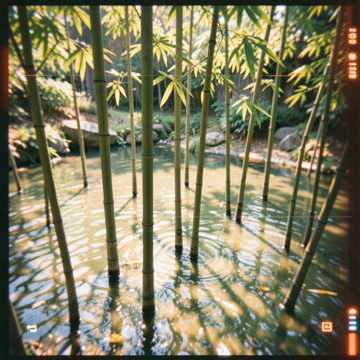
竹影回环
作品以70 BPM的舒缓节奏展开,笛声先行,呈现由上行至下行的呼吸式旋律;古筝随后轻触,二胡以内敛长音回应。整体温暖、清雅、宁静而微带喜悦,并以无明显终止的循环结构延续禅意。
03:05
2026-09-28
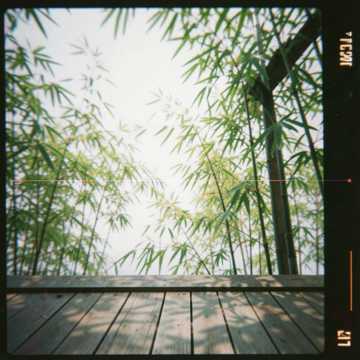
Bamboo Moon Drift
作品以65至75 BPM的柔和五声音阶展开,笛子引领,古筝应答,二胡后段加入温暖深度。留白充足、循环自然,营造竹林月夜般清澈、宁静而含蓄的东方意境。
03:10
2026-09-28

Jade River Loop
作品以轻盈的笛子长短句开篇,古筝随后以细腻拨弦铺陈,二胡温柔加入并提升情绪。65至75 BPM的极简编排、自然渐强与无缝循环,营造出宁静、温暖而富有希望的东方声景。
02:50
2026-09-28
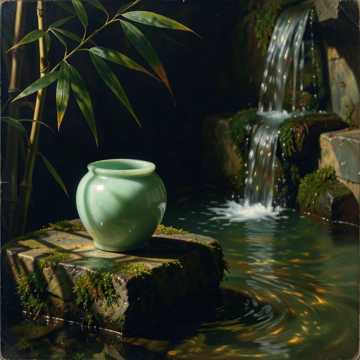
Jade Stream
'Jade Stream' is a tranquil, flowing Chinese Zen instrumental featuring solo dizi, graceful guzheng, and intimate erhu. With warm acoustic tones and a gentle 65-75 BPM tempo, it creates a peaceful, reflective soundscape evoking pure relaxation, mindfulness, and quiet joy.
03:20
2026-09-28

Jade River Lilt
作品以70 BPM的舒缓速度展开,笛子率先奏出清新优雅的旋律,古筝与二胡随后温柔交融。无鼓无低音的留白营造出晶莹、宁静而喜悦的水墨禅境,并适合无缝循环播放。
00:55
2026-09-28
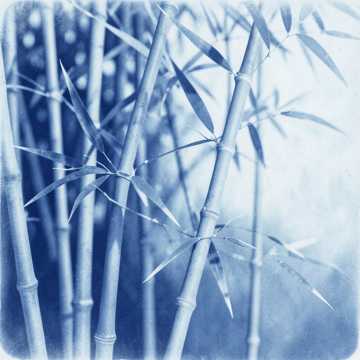
竹影回环
作品以舒缓呼吸般的节奏展开,笛声先行,古筝回应,二胡轻柔相伴,在留白与交织中营造温暖、宁静而富有东方诗意的禅意声景。
03:24
2026-09-28

Bamboo Mist Path
A graceful Zen instrumental that evokes a mist-covered bamboo trail. Airy dizi, shimmering guzheng, and warm erhu unfold slowly within a spacious acoustic mix, creating a peaceful atmosphere suited to meditation, tea ceremonies, nature films, and seamless ambient listening.
02:00
2026-09-28

Jade River Loop
作品以70 BPM的悠缓节奏展开,笛子先奏下行流水句,古筝与二胡随后轻柔加入,营造清雅、温暖而澄明的禅意空间,并以自然循环的结尾回到开端。
02:58
2026-09-28

竹影初晴
作品以笛子清亮的第一声展开,在65至75 BPM的漂浮脉动中,古筝与二胡依次加入。疏朗旋律、温暖音色和极轻动态营造雨后竹影初晴的宁静、明澈与淡淡喜悦。
03:28
2026-09-28
歌曲以夜色、冷月與流年為意象,描寫一段愛情從承諾走向離別的過程。女聲在五聲音階與中國民族樂器交織中,反覆追問彼此的身份,最終在傷痛與放下之間尋找答案。
03:09
2026-09-28
歲月煮茶
歌曲以老屋煮茶為核心意象,描寫遊子與親人之間跨越歲月與距離的深厚情感,在炊煙、雪瓦與茶香中,寄託對故鄉、親情及歸來承諾的溫柔眷戀。
04:20
2026-09-27

烟雨锁孤舟
歌曲讲述一名背负血债与失约承诺的浪子,在烟雨风雪中踏上不归路。男声说唱展现冷峻决绝,女声演歌以戏剧性颤音倾诉孤独,共同塑造苍凉、宿命而悲壮的江湖画卷。
03:03
2026-09-26
救赎的光
歌曲描写一段因迟来的觉醒而重新靠近的爱情。主人公在悔恨与亏欠中学会担当,以余生弥补伤痕,祈求一道救赎之光,让破碎的关系重新拥有温柔的归处。
04:32
2026-09-25
古桥夜审
《古桥夜审》是一首融合古筝、二胡与史诗太鼓的暗黑国风悬疑纯音乐,烘托出夜幕下古桥审判的冷冽与紧张。
03:24
2026-09-24
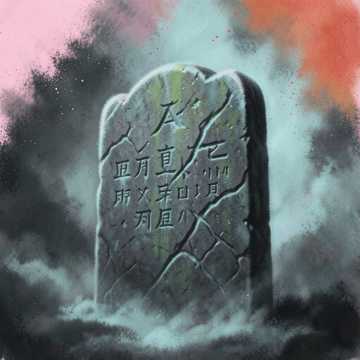
国宝长歌
作品以悲壮而庄严的东方旋律,描绘国宝穿越岁月、见证文明兴衰的漫长旅程,在二胡哀鸣、埙声幽远与管弦高潮中呈现历史的厚重与民族记忆。
03:29
2026-09-24
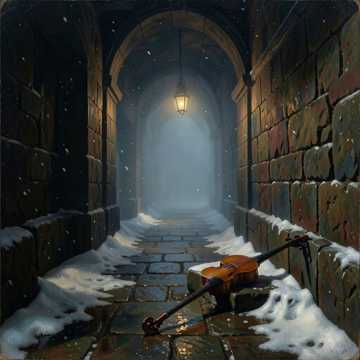
残雪回廊
作品以缓慢的六八拍展开,二胡如泣如诉,古筝勾勒冷寂回廊;中段弦乐与远方人声推高悲恸,尾声回归二胡与柔和锣声,留下未尽的怀念。
03:35
2026-09-23
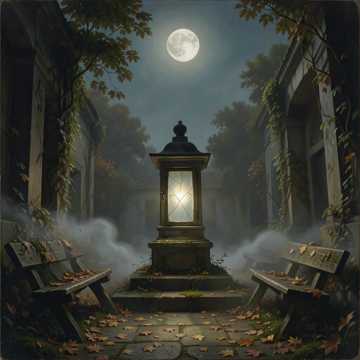
空庭残月
作品描绘残月映照空庭的孤寂意境。二胡诉说深沉哀愁,古琴铺陈幽远回响,箫声如夜风穿过荒凉庭院, sparse 配器与低沉氛围共同营造出苍凉、静默而含蓄的东方电影画面。
03:36
2026-09-23

古城长风
作品以古琴、古筝、琵琶、笛子和二胡铺陈古城风貌,在恢弘与清雅之间展现历史回响、山河气韵与岁月长风,营造开阔、庄重而富有东方诗意的 cinematic 声景。
03:18
2026-09-23
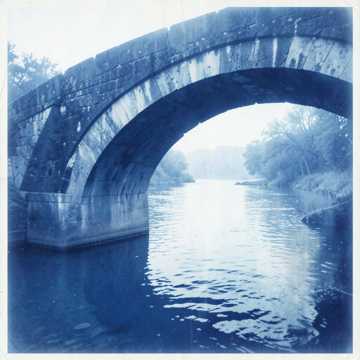
古桥回响
作品以扬琴独奏和低沉古琴持续音开启,借二胡复调、框鼓渐强、笛音质感与钟声铺展时空回响。舒缓脉搏、自由速度与呼吸般收句,描绘古桥承载的历史记忆、静谧人文与悠远乡愁。
03:29
2026-09-23
Erhu: A Deep Dive into the Traditional Chinese Musical Instrument
The erhu, often referred to as the 'Chinese violin' or 'Chinese two-stringed fiddle,' is a traditional Chinese musical instrument with a history spanning over a thousand years. Originating during the Tang Dynasty, the erhu has become a symbol of Chinese musical culture. It is characterized by its two strings and a small resonating body, typically made of wood, with a snakeskin membrane covering the front. The erhu's distinctive, melancholic sound is produced by drawing a bow between its two strings, allowing for a wide range of emotional expression. Over the centuries, the erhu has evolved both in design and technique, playing a significant role in various forms of Chinese music, from classical to contemporary genres.
Classifications and Styles of Erhu Music
Traditional Erhu
Traditional erhu music adheres to the classical styles and techniques developed over centuries. It often features slow, emotive melodies that reflect the instrument's roots in Chinese folk music and opera. Traditional erhu is commonly played in solo performances or as part of an ensemble in Chinese orchestras.
Contemporary Erhu
Contemporary erhu incorporates modern influences and genres, blending the instrument's traditional sound with elements of jazz, pop, and even electronic music. This style appeals to a younger audience and showcases the erhu's versatility beyond its classical origins.
Regional Erhu Styles
Different regions in China have developed unique styles of erhu music. For instance, the 'Jiangnan style' from the southern Yangtze River region is known for its light, elegant tones, while the 'Northern style' emphasizes a bolder, more robust sound. These regional variations highlight the adaptability of the erhu to different cultural contexts.
Erhu in Film and Media
This classification focuses on erhu music specifically composed or adapted for use in film, television, and other media. The erhu’s emotive qualities make it a popular choice for soundtracks, especially in scenes that require a deep emotional resonance or a connection to Chinese cultural themes.
Famous Erhu Artists and Iconic Works
Liu Tianhua
Liu Tianhua (1895-1932) is often credited with modernizing the erhu and elevating it to a prominent place in Chinese music. He composed 47 pieces for the erhu, including the famous 'Reflection of the Moon on the Water.' His works combined traditional Chinese music with Western musical theories, laying the foundation for contemporary erhu performance.
Erquan Yingyue (Moon Reflected in Erquan)
Composed by Hua Yanjun, also known as 'Blind Abing,' in the early 20th century, 'Erquan Yingyue' is one of the most iconic pieces in the erhu repertoire. The piece is known for its deeply sorrowful melody, reflecting the hardships and struggles faced by the composer. Its use of the erhu's full range and emotive capacity makes it a staple in any erhu performance.
Min Huifen
Min Huifen (1945-2014) was a master of the erhu, known for her powerful and emotive performances. Her rendition of 'The Great Wall Capriccio' remains one of the most celebrated erhu performances, demonstrating her technical prowess and deep connection to Chinese history and culture.
The Great Wall Capriccio
'The Great Wall Capriccio,' composed by Liu Wenjin, is a modern erhu piece that integrates traditional Chinese music with Western compositional techniques. The work is celebrated for its grand scale and dramatic expression, symbolizing the strength and resilience of the Chinese people, much like the Great Wall itself.
Ma Xiaohui
Ma Xiaohui is a renowned contemporary erhu player who has brought the instrument to international audiences. She has performed globally and collaborated with musicians from various genres, further expanding the erhu's appeal. Her work includes innovative interpretations of both traditional Chinese pieces and modern compositions.
Reflection of the Moon on the Water
Another masterpiece by Liu Tianhua, 'Reflection of the Moon on the Water,' is a lyrical and contemplative piece that showcases the erhu's ability to convey subtle, delicate emotions. The piece is often used in erhu education to teach students about tone control and expression.
Application Scenarios for Erhu Music
Erhu music is frequently used in film soundtracks to evoke deep emotional responses, particularly in scenes that involve nostalgia, sadness, or cultural reflection. Its unique sound provides an instant connection to Chinese heritage, making it a popular choice in both Chinese and international films.
Film Soundtracks
In video games, especially those set in historical or fantasy versions of China, the erhu is used to create immersive and atmospheric background music. The instrument’s versatility allows it to convey a wide range of emotions, from the tension of a battle scene to the tranquility of a peaceful landscape.
Video Game Music
Erhu performances are often featured in cultural events, such as Chinese New Year celebrations, traditional opera performances, and concerts dedicated to Chinese music. The instrument's ability to convey both joy and sorrow makes it a powerful tool in any cultural expression.
Cultural Events and Performances
The distinctive sound of the erhu is sometimes used in commercials and advertisements to evoke a sense of authenticity, tradition, and cultural depth. Brands looking to connect with Chinese consumers or highlight their heritage often incorporate erhu music into their marketing materials.
Advertising and Commercials