Free harmonica Music Generator Powered by AI
Turn text into high-quality harmonica music effortlessly – no login required!

music.toolTips
4 heures matin
À4 heures du matin, un narrateur éveillé affronte l’insomnie, le tumulte mental, la peur de la mort et les inquiétudes du monde. Sa guitare et ses textes deviennent une confession, tandis qu’il adresse à l’être aimé une déclaration sincère, fragile et pleine d’espoir.
04:32
2026-09-28
ХОЛОДНА КАВА
Пісня перетворює холодну чашку кави на символ зниклого бійця, незавершеного очікування та пам’яті. На тлі дощу, вибухів і виснаження звучить стриманий блюз про тих, хто залишився, навчився мовчати, але не забув.
04:05
2026-09-28
Vingt Piasses Pour Me Coucher
Avec un humour tendre et un accent québécois assumé, cette chanson raconte la réalité d'un travailleur frappé par la hausse de l'essence. Entre grogne, solidarité et résignation souriante, le narrateur limite son plein à vingt piasses pour pouvoir continuer sa vie.
03:11
2026-09-27
à n'importe quel prix
Avec humour, le narrateur cherche le moyen le moins coûteux de partir sur les routes du Québec. Entre van, diesel, chevaux et bicyclette, il découvre que la liberté ne dépend pas du budget, mais de l’envie de voir du pays.
02:46
2026-09-27
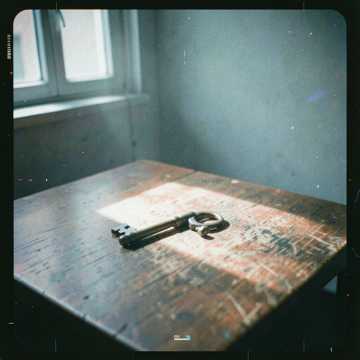
All rise...for the fall
A flawed narrator faces imprisonment after accepting responsibility for his mistakes. Through a bittersweet courtroom exchange, he discovers unexpected humanity in the judge, confronts the pain caused by his choices, and leaves with humility, tears, and a fragile sense of redemption.
04:39
2026-09-26
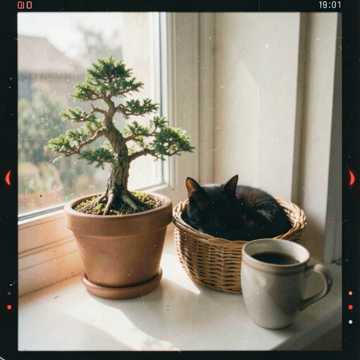
ДВА СВІТИ ПЕТРА
Петро живе між фронтом, де кожна мить сповнена ризику, і тихим світом бонсай, котів та ранкової кави. Пісня без героїзації говорить про найпростішу мрію — повернутися додому й знову вчитися жити.
05:50
2026-09-26
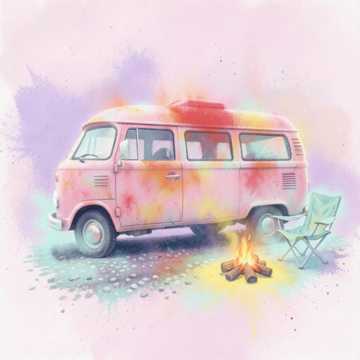
sur la route du parc
Une balade chaleureuse raconte la rencontre avec une petite vanette devenue compagnon de voyage et maison ambulante. Entre humour, paysages nordiques et chansons partagées, le morceau célèbre la liberté, la simplicité et un bonheur accessible à tous.
03:12
2026-09-26

sur la route du parc
Cette chanson raconte la rencontre avec une petite vanette devenue complice de voyage. Dans une ambiance de camping, de liberté et d’humour tendre, elle célèbre les paysages du nord québécois, les départs improvisés et un bonheur accessible, partagé au rythme d’un refrain rassembleur.
02:53
2026-09-26

Et les feuilles tournent ainsi
Cette chanson célèbre l’automne québécois à travers ses feuilles rouges et dorées, ses lacs miroitants et ses forêts enchantées. Sa mélodie chaleureuse transforme le passage des saisons en un bal joyeux, teinté de nostalgie avant l’arrivée de l’hiver.
04:40
2026-09-26
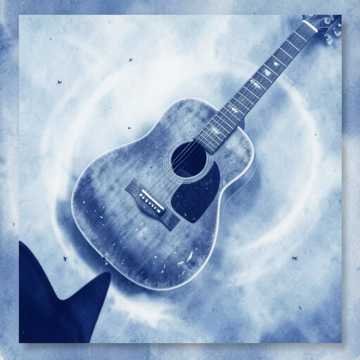
Um mich da kreisen die Fliegen
'Um mich kreisen die Fliegen' ist ein erdiger Street Blues über ein ungleiches Liebesverhältnis. Ein einfacher Mann besingt die Kluft zu einer gefeierten Künstlerin, erkennt hinter ihrer perfekten Fassade jedoch erste Spuren von Einsamkeit und Verfall.
04:22
2026-09-26

Um mich da kreisen die Fliegen
Ein melancholischer Delta-Blues über eine toxische Dynamik zwischen einem einfachen Mann und einer unnahbaren Künstlerikone. Bittere Selbstironie trifft auf schmerzhafte Erkenntnis, untermalt von sanften Akustikgitarren, Slide-Gitarren, Mundharmonika und Saxophon. Ein tiefgründiger Blick hinter glänzende Fassaden.
04:30
2026-09-26
I DANCE WHILE THE DEVIL DRINKS
In a haunted Western saloon, a dancer witnesses a mysterious stranger confront the Devil himself. Amid whiskey, violence, and supernatural fire, her cynical view of sinners transforms into fragile hope, ending with an empty glass, distant hoofbeats, and a ritual dance beneath the coming dawn.
07:28
2026-09-26

I DANCE WHILE THE DEVIL DRINKS
A saloon dancer witnesses a supernatural confrontation between a mysterious cowboy and the Devil. Through smoke, blood, and whiskey, her cynical world shifts toward courage and faith, ending with a haunting ritual that preserves the memory of a night when darkness was challenged.
06:54
2026-09-26
THE STRANGER AT THE DEVIL'S HOUR
A mysterious rider enters a rain-soaked Old West saloon to confront the Devil. Through smoky imagery, supernatural tension, and fiery western instrumentation, the song transforms darkness into hope, ending with the Ghost Rider still pursuing evil beyond the sunrise.
07:33
2026-09-26
THE STRANGER AT THE DEVIL'S HOUR
A mysterious rider enters a rain-soaked saloon to confront the Devil, revealing himself as a supernatural Ghost Rider. Through whiskey, fire, thunder, and blazing horses, the song transforms a gothic Western showdown into a powerful story of justice, endurance, and hope beyond the darkest night.
07:20
2026-09-26
จนวันสุดท้ายของหัวใจ Live
บทเพลงรักสูญเสียที่เล่าความคิดถึง ความเสียใจ และคำรักที่ยังคงอยู่แม้คนสำคัญจากไป โดดเด่นด้วยการร้องโต้ตอบกับผู้ชม เสียงประสานชาย และพลังลูกทุ่งร็อกอีสานบนเวทีคอนเสิร์ตสด
06:28
2026-09-26
คนใกล้แพ้คนไกล Live
บทเพลงของคนที่อยู่ใกล้แต่ไม่เคยได้ครองหัวใจ ถ่ายทอดความเสียใจจากการเป็นเพียงที่พักใจ ก่อนยอมรับความจริงและปล่อยคนรักกลับไปหาใครที่อยู่ไกล ผ่านบรรยากาศคอนเสิร์ตสดที่ทั้งเจ็บปวดและปลุกพลัง
07:30
2026-09-26

Lake Ontario, Forevermore
A defiant lakeside anthem honoring the name Lake Ontario as a living part of community memory. Through vivid shore imagery, ancestral voices, and a powerful singalong chorus, the song argues that official decrees cannot erase the identity carried by generations.
03:13
2026-09-26
อย่าลืมคนพาย Live
เพลงเล่าความรักของชายบ้านนาที่ถูกทิ้งไว้เบื้องหลัง เมื่อคนรักเลือกชีวิตเมืองและความมั่งคั่ง เขาไม่โกรธหรือรั้งเธอ เพียงขอให้จดจำวันวาน บ้านเกิด และคนเคยร่วมพายเรือ พร้อมยืนยันว่าจะยังคอยด้วยศักดิ์ศรีและหัวใจที่รักมั่น
06:25
2026-09-26

เศษใจที่เหลือ Live
บทเพลงอกหักของคนที่ยอมปล่อยมือจากคนรัก แม้หัวใจจะแตกสลาย แต่ยังเก็บความทรงจำอันงดงามไว้ พร้อมส่งต่อกำลังใจว่า แม้เหลือเพียงเศษใจ เราก็ยังมีชีวิตและเดินหน้าต่อได้
07:14
2026-09-26
Introduction to the Harmonica: Definition and History
The harmonica, also known as a mouth organ or blues harp, is a small, hand-held wind instrument played by blowing air into or drawing air out of reeds using the mouth. Each reed is tuned to produce a different note. The harmonica has a rich history that dates back to ancient China, where a similar instrument called the 'Sheng' was used. The modern harmonica, however, was developed in Europe in the early 19th century. It gained popularity in America in the 20th century, particularly in the blues and folk music scenes. The harmonica's portability and unique sound made it a favorite among travelers and musicians alike. Over the decades, it has evolved from a simple folk instrument into a versatile tool used across various music genres, from blues and country to jazz and rock.
Sub-tags and Classifications of the Harmonica
Diatonic Harmonica
The diatonic harmonica is the most common type, typically used in blues, rock, country, and folk music. It is designed to play in a specific key and features a straightforward, simple design with ten holes, each containing a blow and draw reed. Musicians can bend notes by changing the air pressure, which allows for expressive playing and the distinctive 'wailing' sound characteristic of blues harmonica.
Chromatic Harmonica
The chromatic harmonica features a button-activated sliding bar that directs air to two separate reed plates, allowing the player to access all the notes of the chromatic scale. This makes it more versatile for playing jazz, classical music, and other styles that require a full range of notes. The chromatic harmonica is larger than the diatonic and can be more challenging to master due to its complex mechanics.
Tremolo Harmonica
The tremolo harmonica has pairs of reeds for each note, with one slightly sharp and the other slightly flat. This design creates a unique 'tremolo' effect, where the pitch fluctuates slightly, giving the music a warbling sound. Tremolo harmonicas are popular in folk music, particularly in Asia and Europe, and are often used in ensemble playing.
Octave Harmonica
The octave harmonica is similar to the tremolo harmonica but features reeds that are tuned one octave apart instead of slightly sharp and flat. This creates a fuller, richer sound and is commonly used in traditional and folk music settings. The octave harmonica's sound is robust and organ-like, making it suitable for melodies and accompaniment.
Bass Harmonica
The bass harmonica is a larger, lower-pitched instrument often used in ensemble settings to provide bass lines. It features a deeper, resonant sound and is not commonly used for solo performances but adds a unique layer to harmonica orchestras and harmonica ensembles.
Famous Harmonica Artists and Iconic Works
Little Walter
Little Walter was a pioneering blues harmonica player who brought the instrument to the forefront of Chicago blues music in the 1950s. His innovative use of amplification transformed the harmonica into a lead instrument. His representative works, such as 'Juke' and 'My Babe,' showcase his powerful playing style and creative use of the harmonica, influencing countless musicians who followed.
Juke by Little Walter
'Juke' is a classic blues harmonica instrumental that showcases Little Walter's virtuosic playing and innovative use of amplification. The song's driving rhythm and expressive bending techniques make it a quintessential piece in the blues harmonica repertoire. 'Juke' became a chart-topping hit and remains a benchmark for harmonica players.
Toots Thielemans
Toots Thielemans was a Belgian jazz musician widely regarded as one of the greatest harmonica players in history. Known for his smooth, lyrical style, Thielemans brought the harmonica into the jazz genre, collaborating with legends like Charlie Parker and Quincy Jones. His famous works include 'Bluesette,' a jazz standard that highlights his skillful harmonica playing and his ability to seamlessly integrate the instrument into a jazz ensemble.
Bluesette by Toots Thielemans
'Bluesette' is a jazz standard composed and performed by Toots Thielemans. The piece is notable for its use of the harmonica in a jazz context, combining swing rhythms with lyrical, melodic lines. 'Bluesette' has been covered by numerous artists and remains a favorite in jazz circles for its innovative use of the harmonica.
Stevie Wonder
Stevie Wonder, an American singer, songwriter, and multi-instrumentalist, has used the harmonica extensively in his music, adding a unique flavor to his compositions. Songs like 'Isn't She Lovely' and 'For Once in My Life' feature Wonder's distinctive harmonica solos, blending pop, soul, and blues influences. His contributions have helped popularize the harmonica in mainstream music.
Isn't She Lovely by Stevie Wonder
This iconic song features Stevie Wonder's harmonica playing, adding a bright, joyful layer to the music. The harmonica solo is both melodic and expressive, perfectly complementing Wonder's vocal performance. 'Isn't She Lovely' is an excellent example of how the harmonica can enhance pop music, providing a unique tonal quality that enriches the overall sound.
Sonny Boy Williamson II
Sonny Boy Williamson II, also known as Rice Miller, was a key figure in the blues harmonica tradition. His innovative playing and vocal style were influential in the development of modern blues. Notable works include 'Help Me' and 'Bring It On Home,' which demonstrate his unique phrasing and ability to convey deep emotion through the harmonica.
Application Scenarios for Harmonica Music
The harmonica is often used in movie soundtracks to evoke a sense of nostalgia, loneliness, or rural Americana. Its distinctive sound can add emotional depth to a scene, making it a popular choice in westerns, dramas, and independent films. For example, Ennio Morricone's use of the harmonica in 'Once Upon a Time in the West' creates a haunting, memorable motif that underpins the film's dramatic tension.
Movie Soundtracks
In advertising, the harmonica is frequently used to convey a sense of authenticity, simplicity, and down-to-earth charm. Its folksy, relatable sound can enhance commercials for products like cars, food, or outdoor gear, connecting with audiences on a personal level. The harmonica's ability to cut through other sounds makes it an excellent choice for memorable jingles and background music.
Advertising Music
Video game soundtracks often use harmonica music to set the mood or atmosphere, especially in games with western, rural, or post-apocalyptic themes. The harmonica's ability to evoke a sense of isolation or adventure makes it ideal for enhancing the player's immersive experience. Games like 'Red Dead Redemption' use harmonica music to transport players to the rugged landscapes of the American frontier.
Game Background Music
Harmonica music is a staple in live performances, from blues clubs to large music festivals. The harmonica's portability and ability to cut through other instruments make it a dynamic choice for solos and improvisations. Its versatility allows it to blend with various music genres, providing unique opportunities for collaboration between artists.
Live Performances