Free noise rock Music Generator Powered by AI
Turn text into high-quality noise rock music effortlessly – no login required!

music.toolTips
Highway Overture - ver 6.0
A wordless desert odyssey that transforms a mournful guitar motif into a heroic and terrifying force. Acoustic guitar, fuzz bass, feedback, polyrhythms, horns, strings, and thunderous percussion escalate through cinematic chaos before the entire landscape vanishes into sudden silence.
03:31
2026-08-19
Highway Overture - ver 5.0
A lonely acoustic guitar opens beneath a threatening drone, slowly swallowed by distorted bass, unstable drums, feedback, brass, strings, and machinery-like electronics. The track escalates from desolate Western tension into a colossal, barely controlled wall of metallic sound before cutting abruptly to silence.
03:43
2026-08-19

The Hourglass Spits out Black Sand - ver 8.0
The song portrays an exhausted speaker trapped in a cycle of failure, anger, labor, and emotional decay. Its black-sand hourglass symbolizes time becoming toxic, while abrasive repetition and explosive instrumentation transform nihilistic frustration into a physically overwhelming noise-rock ritual.
03:15
2026-08-19
Room Tomb - ver 13.0
A furious noise-rock assault portraying a mind and world collapsing into violence, disgust, and nihilism. Repetitive rhyme chains, explosive imagery, and chaotic instrumentation turn the song into a claustrophobic room tomb where rage becomes both weapon and prison.
04:15
2026-08-19
Grim Upon Grim - ver 1.0
作品没有明确歌词,而是以失真的贝斯、暴烈鼓击、断裂节奏和遥远绝望的人声纹理,构筑一场机械灵魂崩溃般的噪音摇滚风暴,在混乱中显露出阴郁、宏伟与原始力量。
02:46
2026-08-19

The Hourglass Spits out Black Sand - ver 7.0
A furious descent into burnout and existential repetition, the song portrays a speaker trapped in cycles of failure, labor, violence, and numbness. Sparse desert guitar and ominous synths gradually become a crushing wall of feedback, strings, brass, and noise before collapsing into silence.
02:40
2026-08-15
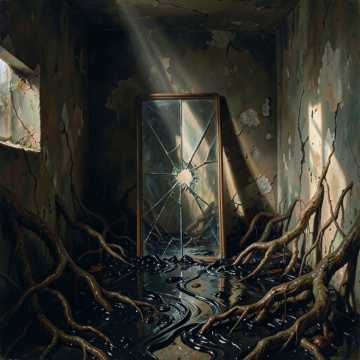
Room Tomb - ver 12.0
A confrontational descent into rage, decay, violence, and nihilism. Repetitive rhyming phrases hammer like industrial machinery while desert guitar, fuzz bass, synth rumble, feedback, and dissonant strings intensify the claustrophobic mood. The track culminates in a chaotic sonic assault before ending with abrupt, absolute silence.
03:25
2026-08-15
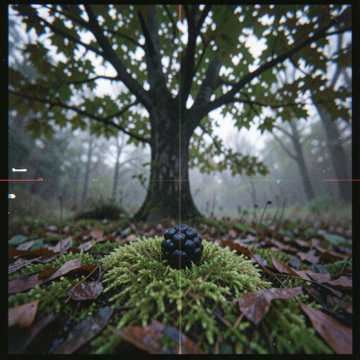
Taki LXY
Taki LXY portrays an eerie, possessive romance in which the narrator claims a mysterious companion who dances beneath a maple tree. Calm robotic vocals contrast with dark alt-rock, shoegaze, glitch, and trip-hop textures, creating a tense, surreal atmosphere filled with tenderness, obsession, and otherworldly imagery.
03:09
2026-08-12
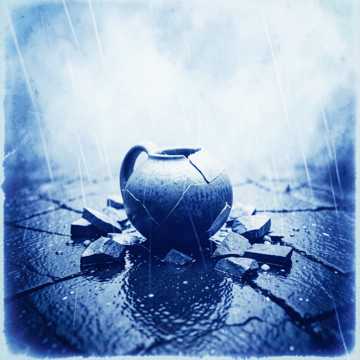
THE GHOST OF THE LEGEND OF THE APPARITION - ver 8.0
A sparse, confrontational doom-noise rock track where repetition, distortion, and sudden violence evoke an inescapable apparition. Booming drums and heavy bass leave cavernous space around lyrics of decay, fire, revenge, and disappearance.
02:31
2026-08-12
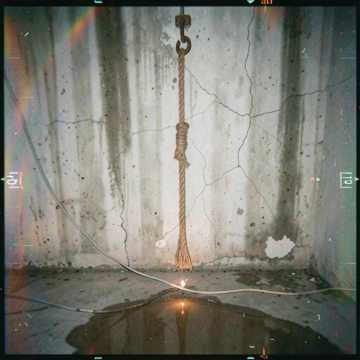
THE GHOST OF THE LEGEND OF THE APPARITION - ver 7.0
A violent apparition emerges through rain, fire, blood, and distorted machinery. The song channels nihilistic rage and supernatural menace through repeated threats, pounding imagery, and a stark final disappearance, creating the atmosphere of a cursed live-room performance spiraling toward collapse.
02:19
2026-08-12

Paramecium - ver 1.0
An instrumental doom and noise rock piece driven by a bass-and-drum duo. Its loose, abrasive performance and exposed room ambience create a suffocating yet spacious atmosphere of collapse, agitation, and primal momentum.
02:20
2026-08-12

Paramecium - ver 2.0
A dark, abrasive doom-noise rock piece built around overdriven bass melody, crashing midtempo drums, spectral vocals, and unruly room texture. With no lyrics, its emotional narrative emerges through weight, distortion, tension, and microscopic sonic imagery.
03:14
2026-08-12

Death Wish LXY
A volatile narrator confronts an obsessive intruder who repeatedly appears seeking intimacy or conflict. Through insect-like imagery, bloodlust, and dissonant repetition, the song explores toxic attraction, violated boundaries, paranoia, and the dangerous tension between desire and escape.
02:25
2026-08-09
Introduction to Noise Rock: Definition and History
Noise rock is a subgenre of alternative rock characterized by its use of dissonance, feedback, and unconventional song structures. Emerging in the late 1970s, noise rock blends the raw aggression of punk rock with the experimental tendencies of avant-garde music. The genre's origins can be traced back to bands like The Velvet Underground and The Stooges, who pushed the boundaries of traditional rock music. In the 1980s, noise rock became more defined with the rise of bands like Sonic Youth and Swans, who incorporated elements of industrial music and no wave, further solidifying the genre's identity.
Sub-tags and Classifications of Noise Rock
No Wave
No Wave emerged in the late 1970s in New York City, characterized by its rejection of the commercial aspects of punk and rock music. No Wave bands, such as DNA and Teenage Jesus and the Jerks, emphasized dissonance, atonality, and a nihilistic approach to music-making, often incorporating influences from free jazz and experimental noise.
Industrial Noise
Industrial noise rock combines the harsh, mechanical sounds of industrial music with the raw energy of noise rock. Bands like Big Black and Throbbing Gristle pioneered this sub-genre, using drum machines, distorted guitars, and abrasive vocals to create a chaotic and confrontational sound.
Shoegaze Noise
Shoegaze noise rock merges the ethereal, reverb-heavy soundscapes of shoegaze with the abrasive elements of noise rock. Bands like My Bloody Valentine and A Place to Bury Strangers are known for their thick layers of guitar distortion and feedback, creating a wall of sound that is both immersive and disorienting.
Post-Hardcore Noise
Post-hardcore noise rock fuses the intense emotional delivery of post-hardcore with the dissonance and unconventional song structures of noise rock. Bands such as Shellac and Drive Like Jehu are notable for their intricate rhythms, abrasive guitar work, and powerful vocals, pushing the boundaries of both genres.
Famous Artists and Works in Noise Rock
Sonic Youth
Sonic Youth is one of the most influential bands in the noise rock genre, known for their innovative use of alternate guitar tunings and feedback. Albums like 'Daydream Nation' and 'Sister' are considered classics, blending dissonant soundscapes with a punk rock ethos. Their work laid the foundation for many experimental rock bands that followed.
Daydream Nation by Sonic Youth
Released in 1988, 'Daydream Nation' is a seminal noise rock album that blends punk energy with avant-garde experimentation. The album features extended instrumental sections, unconventional song structures, and a heavy use of feedback and distortion. Tracks like 'Teen Age Riot' and 'Candle' showcase the band's ability to craft melodic yet dissonant compositions that challenge the conventions of rock music.
Swans
Swans, led by Michael Gira, are renowned for their intense, brutal sound and unrelenting live performances. Their early work, such as the album 'Cop,' is characterized by its industrial noise elements and crushing heaviness. Later albums like 'Soundtracks for the Blind' expanded their sonic palette, incorporating more atmospheric and orchestral elements while maintaining the band's abrasive core.
Cop by Swans
Swans' 1984 album 'Cop' is a brutal and uncompromising work that epitomizes the industrial noise rock sound. The album's slow, grinding rhythms, heavy use of distortion, and bleak lyrical content create an oppressive atmosphere that is both powerful and unsettling. 'Cop' is considered a milestone in the development of noise rock, influencing countless bands in the genre.
The Jesus Lizard
The Jesus Lizard are a key band in the noise rock scene, known for their chaotic live shows and frontman David Yow's wild stage presence. Their album 'Goat' is a landmark release, featuring tight, aggressive musicianship and a raw, unpolished sound that captures the essence of noise rock.
Goat by The Jesus Lizard
The 1991 album 'Goat' by The Jesus Lizard is a raw and intense noise rock record that captures the band's chaotic energy and unorthodox approach to songwriting. With its jagged guitar riffs, pounding rhythms, and David Yow's visceral vocals, 'Goat' is a prime example of noise rock's ability to convey emotion and tension through dissonance and noise.
Application Scenarios for Noise Rock Music
Noise rock's intense and abrasive sound makes it an excellent choice for movie soundtracks, particularly in films that aim to evoke a sense of unease or tension. For example, the film 'Lost Highway' by David Lynch features music by noise rock bands like Nine Inch Nails and The Smashing Pumpkins, using the genre's dissonance to enhance the film's dark and surreal atmosphere.
Movie Soundtracks
In advertising, noise rock can be used to grab the audience's attention and create a memorable impact. The genre's unconventional and aggressive sound can help brands stand out, especially in campaigns targeting a younger, more rebellious demographic. For instance, a commercial for a high-energy drink or a cutting-edge fashion brand might use noise rock to convey a sense of edginess and intensity.
Advertising Music
Noise rock is also used in video game soundtracks to create an immersive and intense gaming experience. Games that involve action, horror, or dystopian themes often utilize noise rock to heighten the player's sense of urgency and suspense. For example, the soundtrack for the game 'Hotline Miami' features noise rock elements that complement the game's fast-paced and violent gameplay.
Game Background Music