Free odd time Music Generator Powered by AI
Turn text into high-quality odd time music effortlessly – no login required!

music.toolTips
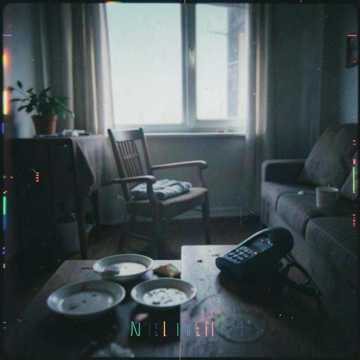
LET IT HAPPEN
A weary narrator abandons control and accepts disorder, loss, and an unfinished ending. Through stark domestic images, the song transforms resignation into quiet clarity, refusing both false peace and dramatic closure while allowing life to continue without explanation.
05:39
2026-08-17
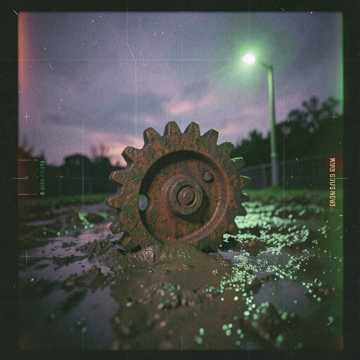
LET IT HAPPEN
An instrumental-driven dark metal composition built around5/8 rhythms, unstable chord progressions, dissonant guitar counter-melodies, tremolo flutters, and virtuosic solos. Its shifting dynamics suggest emotional surrender through chaos, balancing blues-inflected sadness with deathcore aggression, theatrical vocals, and tense melodic resolution.
04:00
2026-08-16
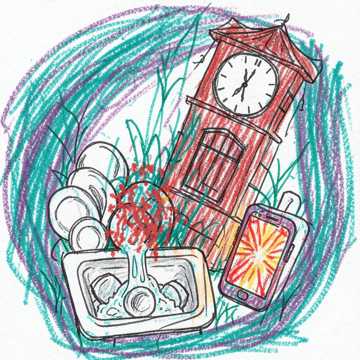
LET IT HAPPEN
A weary narrator stops resisting loss and unfinishedness. Through crooked time, decaying rooms, and an absent loved one, the song transforms resignation into clear-eyed acceptance, refusing to romanticize endings while finding quiet freedom in no longer interfering with what cannot be changed.
05:22
2026-08-16
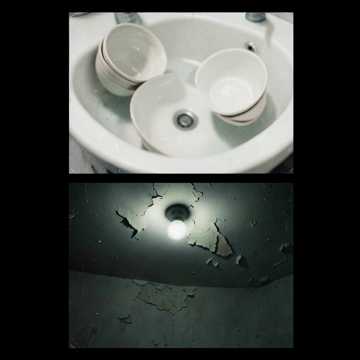
LET IT HAPPEN
LET IT HAPPEN portrays emotional exhaustion after loss, rejecting forced closure and the need to control life. Through crooked time, unfinished spaces, and restrained acceptance, the song transforms grief into quiet surrender, carried by dark jazz harmony, odd-meter tension, expressive guitars, and dramatic vocal contrasts.
06:10
2026-08-16
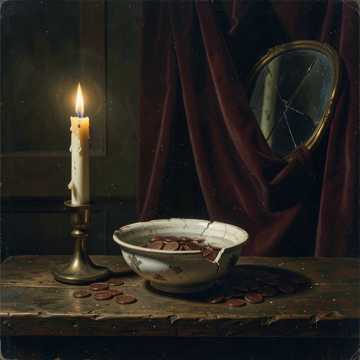
LET IT HAPPEN
A weary narrator stops resisting loss and disorder, accepting an unfinished ending without calling it fate or peace. Through dark, syncopated guitars and volatile vocals, the song transforms exhaustion into stark surrender, ending with a quiet image of life continuing unchanged until someone finally moves the chair.
05:28
2026-08-16
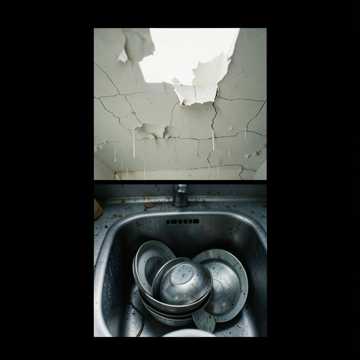
LET IT HAPPEN
A weary narrator stops resisting loss and unfinished endings. Through crooked time, abandoned routines, and stark domestic images, the song transforms grief into surrender—not peace or fate, but the quiet acceptance that life will continue without providing a satisfying explanation.
04:22
2026-08-16
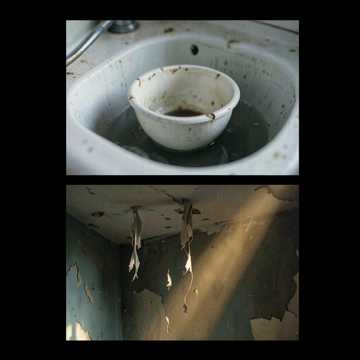
LET IT HAPPEN
LET IT HAPPEN portrays surrender as an exhausted, honest form of acceptance. Through crooked time, neglected rooms, and an absent loved one, the narrator releases control without romanticizing loss, discovering that closure may be unnecessary and that an ending can simply remain an ending.
04:51
2026-08-16
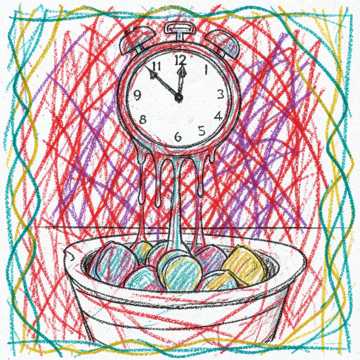
LET IT HAPPEN
A weary narrator abandons control after loss, allowing time, decay, distance, and unfinished grief to exist without resistance. Through jagged rhythms, intricate melodies, and emotionally volatile vocals, the song transforms resignation into a stark, quietly liberating acceptance of an ending that offers no explanation.
04:06
2026-08-16
IF I MUST
An intense instrumental journey through despair and resistance, IF I MUST combines deathcore aggression, blues-rooted melancholy, erratic rhythms, frantic tremolo guitar, and virtuosic solos to create a dark, unpredictable atmosphere.
02:06
2026-08-16
IF I MUST
A volatile instrumental metal piece driven by grief, conflict, and forced resolve. Its very fast pace, odd time signatures, dark blues atmosphere, deathcore intensity, and unpredictable guitar work create a dramatic descent through chaos, sorrow, and defiance.
02:35
2026-08-16
IF I MUST
A bleak, slow-burning instrumental shaped by deathcore weight, classical drama, blues melancholy, jazz-inflected guitar, and unstable rhythms. Its tremolo flutters and intense solos suggest resignation, inner conflict, and a final confrontation with darkness.
03:05
2026-08-16
LET IT HAPPEN
A weary narrator abandons control after loss, allowing time, decay, and absence to reshape life. Through restrained grief and heavy emotional tension, the song discovers neither peace nor fate, only the quiet acceptance that some endings remain unresolved.
05:45
2026-08-16

Shadowed Counterpoint
A dark, intimate instrumental journey where piano, cello, double bass, drums, and ethereal wordless female vocals weave intricate counterpoint through shifting meters, culminating in a fragile, suspended coda filled with quiet emotional tension.
07:23
2026-07-28

darkly prog 1
A bleak progressive rock suite about a solitary consciousness drifting through an infinite, indifferent cosmos. Its oppressive atmosphere, theatrical vocals, odd-meter rhythms, Mellotron textures, Hammond organ, distorted guitars, saxophone, and expansive instrumental passages evoke isolation, fading memory, existential terror, and the majestic emptiness of deep space.
03:38
2026-07-27

blaze 1
A dark progressive rock epic reflecting on life's hurried pace against the calm persistence of time. Complex rhythms, soaring guitar, Hammond organ, and a jazz-inspired keyboard solo build toward a powerful communal finale celebrating acceptance and reflection.
07:59
2026-07-27

blaze 1
A six-minute progressive rock epic that contrasts life's frantic pace with the calm flow of time, combining intricate rhythms, soaring guitar, Hammond organ, jazz-inspired keyboards, and an anthemic finale celebrating reflection and acceptance.
07:59
2026-07-26

blaze 1
A six-minute progressive rock epic exploring life's relentless pace against the calm flow of time, blending intricate rhythms, soaring guitar, Hammond organ, jazz-inspired keyboards, and an uplifting sing-along finale.
07:59
2026-07-26

Even if it's Weak
A deeply emotional song about silent despair, emotional isolation, and enduring resilience. Through dark imagery and dynamic instrumentation, it reveals a fragile hope that survives despite overwhelming pain, ending with the quiet determination to try again tomorrow.
04:20
2026-07-26

The Mouth That Fed the Fire
A dark, introspective hard rock anthem about breaking destructive cycles, confronting trauma, and rediscovering hope. Through poetic imagery and explosive dynamics, the narrator transforms survival into healing and chooses to let tomorrow define their identity instead of yesterday.
04:35
2026-07-26

Dissociation Therapy
A dark exploration of dissociation, identity loss, trauma, and emotional survival. Through haunting imagery, crushing swancore instrumentation, and dramatic dynamics, the song questions whether any authentic self remains beneath years of pain and self-preservation.
05:09
2026-07-26
Introduction to Odd Time
Odd time, also known as odd meter or irregular meter, refers to musical time signatures that do not fit the usual 2/4, 3/4, or 4/4 patterns. These time signatures include meters like 5/4, 7/8, and 11/8, where the number of beats per measure is not divisible by 2 or 3. The use of odd time signatures can be traced back to ancient music traditions, but it gained significant prominence in the 20th century with the advent of jazz, progressive rock, and contemporary classical music. Pioneers like Dave Brubeck and Frank Zappa popularized odd time meters, pushing the boundaries of rhythmic complexity in modern music.
Sub-tags and Classifications of Odd Time
5/4 Time
5/4 time signature is a type of odd meter with five beats per measure. It creates a unique rhythmic feel that can be divided into patterns like 3+2 or 2+3. A famous example of 5/4 time is Dave Brubeck's 'Take Five'.
7/8 Time
7/8 time signature consists of seven beats per measure, typically divided into groupings such as 2+2+3 or 3+2+2. This meter is common in progressive rock and Eastern European folk music. Rush's 'Tom Sawyer' features sections in 7/8 time.
9/8 Time
9/8 time signature is an odd meter with nine beats per measure, often grouped as 2+2+2+3 or 3+3+3. It is frequently used in jazz and classical music. An example is Béla Bartók's 'Mikrokosmos'.
11/8 Time
11/8 time signature has eleven beats per measure, which can be grouped in various combinations such as 3+3+3+2 or 2+2+3+2+2. It is popular in progressive and experimental music. 'The Dance of Eternity' by Dream Theater features 11/8 sections.
Famous Artists and Works Related to Odd Time
Dave Brubeck
Dave Brubeck is a jazz pianist known for his innovative use of odd time signatures. His iconic piece 'Take Five' in 5/4 time is one of the most famous examples of odd meter in jazz.
Take Five
Composed by Paul Desmond and performed by The Dave Brubeck Quartet, 'Take Five' is a classic jazz piece in 5/4 time. Its smooth, catchy rhythm and improvisational elements make it a timeless example of odd time signature usage in jazz.
Frank Zappa
Frank Zappa, a prolific composer and guitarist, extensively used odd time signatures in his work. His complex compositions, like 'The Black Page', showcase his mastery of irregular meters.
Tom Sawyer
Rush's 'Tom Sawyer' features alternating sections in 4/4 and 7/8 time. The song's complex structure and shifting meters showcase the band's technical prowess and ability to create engaging music with odd time signatures.
Rush
The rock band Rush, particularly through drummer Neil Peart, incorporated odd time signatures into their music. Songs like 'Tom Sawyer' and 'YYZ' are prime examples of their use of irregular meters.
The Black Page
Frank Zappa's 'The Black Page' is renowned for its rhythmic complexity, featuring numerous odd time signatures. The piece is a challenging study for musicians, illustrating Zappa's avant-garde approach to composition.
Tool
Tool, a progressive metal band, frequently uses odd time signatures in their music. Tracks like 'Lateralus' (in 9/8 and 7/8) highlight their rhythmic complexity and innovative approach.
Lateralus
Tool's 'Lateralus' employs a mix of 9/8, 8/8, and 7/8 time signatures, reflecting the band's sophisticated approach to rhythm. The song's structure and thematic content are deeply intertwined with its rhythmic patterns, creating a profound musical experience.
Application Scenarios for Odd Time Music
Odd time signatures can add a unique and unsettling atmosphere to movie soundtracks, enhancing scenes with complex emotional or dramatic content. For example, the use of 5/4 or 7/8 time can heighten tension in thriller or horror films.
Movie Soundtracks
Using odd time in advertising music can capture listeners' attention due to its unusual and catchy rhythmic patterns. This can make advertisements more memorable and engaging.
Advertising Music
Odd time signatures are often used in video game soundtracks to create dynamic and immersive environments. Games with intense action or intricate storylines benefit from the added rhythmic complexity, enhancing the player's experience.
Game Background Music
Odd time signatures are a staple in experimental and avant-garde music projects. Artists use irregular meters to push musical boundaries, creating innovative and thought-provoking pieces.
Experimental Music Projects