Free shamisen Music Generator Powered by AI
Turn text into high-quality shamisen music effortlessly – no login required!

music.toolTips
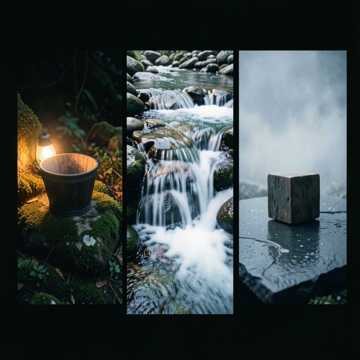
Stone Bath Echoes
A slow, ceremonial soundscape shaped by sparse koto melodies, dry shamisen replies, resonant temple percussion, and natural water ambience. Its long silences and58 BPM pulse evoke a secluded Japanese stone bath, inviting meditation, restorative breathing, sleep, and quiet reflection.
03:27
8 minutes ago
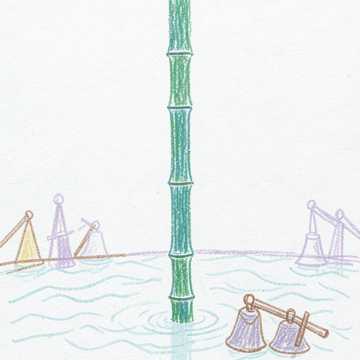
Bamboo Bath Stillness
A slow ceremonial soundscape shaped by delicate koto phrases, subtle shamisen, deep taiko, temple bells, and natural water ambience. Its spacious pentatonic melody evokes a quiet bamboo bath, inviting meditation, reflection, and refined Japanese tranquility.
02:00
10 minutes ago
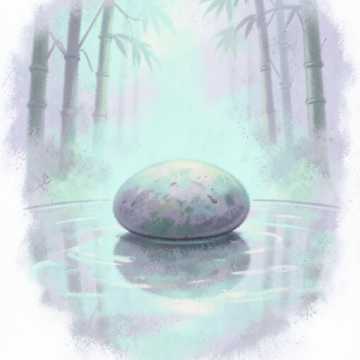
Stone Bath Dawn
A deeply meditative Japanese ambient piece unfolding at56 BPM. Sparse koto phrases, delicate shamisen, resonant taiko, temple bells, and natural garden ambience create a ceremonial journey from quiet awakening to spacious stillness, evoking dawn beside a tranquil stone bath.
03:43
12 minutes ago

月明かりの矜持
伝統和楽器と未来派ヒップホップが融合。月夜の下、揺るぎない矜持を胸に自らの道を開拓する若者の強い意志を描いた一曲。
02:58
3 hours ago
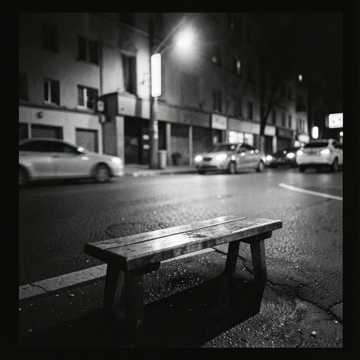
Shadows of Neon
A charming late-night dance song about waiting for a perpetually late lover. Frustration turns into affection as repeated promises of five more minutes become a playful symbol of their imperfect but enduring chemistry.
03:31
Invalid date
Shadows of Neon
A high-energy Eurodance romance about waiting for an habitually late lover. At 128 BPM, driving bass, sharp shamisen plucks, synth stabs, atmospheric pads, and polished autotuned vocals turn mild frustration into a playful, hypnotic confession of affection and irresistible forgiveness.
03:59
Invalid date
静かな庭
『静かな庭』は、宮廷音楽と室内楽の気品を備えた器楽曲です。五音音階の旋律、琴の流麗な響き、尺八の呼吸感、控えめな太鼓が、木造の静かな空間と季節の移ろいを描きます。
02:59
1 days ago
Eine Reise nach Japan
Der Song erzählt von einer unvergesslichen Japanreise durch Natur, Tempel und Metropolen. Sanfte traditionelle Instrumente treffen auf cineastischen Pop-Rock und begleiten eine emotionale Entwicklung von Neugier über Staunen bis zu tiefer Verbundenheit und bleibendem Fernweh.
06:00
1 days ago
Eine Reise nach Japan
Das Lied erzählt von einer inspirierenden Japanreise durch Kyushu, Hiroshima, Kyoto, Osaka und Tokio. Traditionelle Klänge treffen auf modernen Pop-Rock, während die Reisenden zwischen Natur, Geschichte, Großstadt und stillen Momenten bleibende Erinnerungen und ein neues Gefühl von Verbundenheit entdecken.
05:39
1 days ago
Eine Reise nach Japan
Der Song begleitet eine inspirierende Reise durch Japan – von Kyotos Tempeln und Hiroshimas Friedensbotschaft bis zu Kyushus Vulkanen und Okinawas Meeren. Traditionelle Instrumente verschmelzen mit modernem Pop-Rock und erzählen von Entdeckung, Erinnerung, Frieden und einer Reise, die im Herzen weiterlebt.
06:02
1 days ago
Shamisen Tide
'Shamisen Tide' is a dramatic cinematic journey blending traditional Japanese shamisen with driving electric guitars, piano, and heavy percussion. Starting sparse and narrative, it builds into an explosive full-band climax before dropping into a sudden, lingering silence.
03:39
1 days ago
明日のことは明日でいい
鎌を手に淡々と仕事をこなす男が、酒と孤独を抱えながら、明日の苦労は明日に任せる。疲れた大人の諦観と、ささやかな人恋しさを、渋い和風ブルースロックで描いた歌。
04:20
Invalid date

Hell Was Looking Back
A guilt-ridden painter named Yosshide is commanded to depict hell, only to discover his daughter trapped within the flames. As art becomes confession and spectacle becomes sacrifice, he confronts a horrifying truth: the hell he painted is a reflection of himself and his world.
03:16
Invalid date
Kira Kira Jumpin'
『Kira Kira Jumpin'』は、伝統和楽器とアーケード風シンセが融合した160 BPMの超元気な電波J-POP。弾ける笑顔と無邪気な躍動感を全身で表現した、圧倒的にハッピーな楽曲です。
02:47
1 days ago
陰謀の夜
『陰謀の夜』は、不規則なアクセントと劇的な静寂を用いて、闇に潜む忍者の襲撃と加速する追跡を描く和風アクション曲。三味線、琴、拍子木、太鼓の緊張感が、策略の深い闇を鮮烈に演出する。
03:14
2 days ago
Yokai Wonder
A sheltered musician discovers an electric guitar in an attic shrine and transforms inherited restraint into defiant sound. Japanese folk imagery collides with garage-rock force as koto-like ornamentation, taiko accents, overdriven riffs, and theatrical vocals portray artistic awakening, rebellion, and freedom from tradition.
02:44
2 days ago

Foxfire Gate
'Foxfire Gate' is a chilling Japanese folk horror instrumental that summons an eerie, ancient ritual. Guided by slow taiko pulses, detuned shamisen plucks, and haunting bamboo flute drones, the track builds an intimate, supernatural atmosphere filled with ghostly whispers and spectral echoes.
03:27
Invalid date
A7 PRO NEW
Lagu promosi penuh energi untuk A7 Pro, memadukan rap agresif, vokal wanita menggoda, dan elemen musik Jepang era Meiji. Liriknya menonjolkan ketahanan, kamera, gaming, konektivitas, pendinginan, serta fitur AI dalam suasana kemenangan yang futuristis.
03:03
3 days ago

紅い口紅
紅い口紅と黒いヒールを象徴に、主人公が美しさ、欲望、傷、誇りを受け入れ、自らの身体と意志で運命を変えていく。華やかで挑発的な歌詞と、力強いダンスビートが自己解放の瞬間を鮮烈に描く。
04:05
4 days ago
Me So Hoe Knee
This composition combines dramatic East Asian theatrical vocal styles with intense ceremonial percussion, including taiko drums and bronze gongs. Featuring repetitive vocal hooks, the track highlights a high-energy performance with a raw, driving ensemble feel.
00:51
Invalid date
Introduction to Shamisen: Definition and History
The shamisen is a traditional Japanese three-stringed musical instrument played with a plectrum called a bachi. Originating from the Chinese instrument, the sanxian, the shamisen made its way to Japan during the 16th century. Initially popularized in the Osaka and Kyoto regions, it became an integral part of various Japanese music genres, including folk music, narrative singing (joruri), and the kabuki theater. Over centuries, the shamisen has evolved in design and playing techniques, becoming a symbol of Japanese musical heritage.
Shamisen Sub-tags and Classifications
Jiuta Shamisen
Jiuta shamisen is commonly used in traditional Japanese chamber music. It is characterized by its delicate and sophisticated playing style, often accompanying singing in a style known as Jiuta. This form blends both instrumental and vocal music, emphasizing the intricate techniques of shamisen playing.
Tsugaru Shamisen
Tsugaru shamisen originates from the Tsugaru region in Aomori Prefecture. Known for its powerful and fast-paced playing style, it features improvisation and rhythmic complexity. Tsugaru shamisen has gained popularity for its dynamic performances and has influenced contemporary music genres.
Nagauta Shamisen
Nagauta shamisen is primarily used in kabuki theater and traditional dance music. It accompanies the narrative singing style called nagauta, which translates to 'long song.' The music is lively and rhythmic, enhancing the dramatic elements of kabuki performances.
Minyo Shamisen
Minyo shamisen is associated with Japanese folk music (minyo). This style is often more straightforward and accessible compared to other shamisen forms. It plays a vital role in regional festivals and celebrations, providing a musical backdrop to traditional dances and songs.
Famous Artists and Classic Works Related to Shamisen
Takashi Hirayasu
Takashi Hirayasu is a renowned shamisen player known for blending traditional Okinawan music with modern influences. His works, such as the album 'Hana,' showcase his innovative approach to shamisen, incorporating elements of blues and folk music.
Rokudan no Shirabe
Rokudan no Shirabe is a classic piece in the Jiuta repertoire. Composed by Yatsuhashi Kengyo in the 17th century, it is a six-sectioned piece that highlights the elegant and intricate playing techniques of the shamisen. Each section, or 'dan,' offers a unique melodic and rhythmic pattern, making it a staple in traditional Japanese music.
Yoshida Brothers
The Yoshida Brothers, Ryoichiro and Kenichi Yoshida, are famous for their modern take on Tsugaru shamisen. Their fusion of traditional shamisen with contemporary music genres has brought international recognition to the instrument. Notable works include 'Rising' and 'Storm.'
Tsugaru Jongara Bushi
Tsugaru Jongara Bushi is one of the most famous pieces in the Tsugaru shamisen repertoire. Known for its fast tempo and complex rhythms, it showcases the virtuosity of the shamisen player. The piece is often performed in competitions and concerts, symbolizing the dynamic and powerful nature of Tsugaru shamisen.
Shamisen Katoh
A master of nagauta shamisen, Shamisen Katoh has significantly contributed to preserving and promoting traditional Japanese music. His performances in kabuki theater and recordings like 'Nagauta Classics' have been instrumental in keeping the art form alive.
Application Scenarios for Shamisen Music
Shamisen music is often used in movie soundtracks to evoke a traditional Japanese atmosphere. Films like 'Memoirs of a Geisha' and 'The Last Samurai' feature shamisen to enhance the cultural authenticity and emotional depth of their scenes.
Movie Soundtracks
In advertising, shamisen music is utilized to create a unique and memorable sound that connects with Japanese heritage. Commercials for brands like Toyota and Shiseido have used shamisen melodies to convey a sense of tradition and elegance.
Advertising Music
Video games such as 'Ghost of Tsushima' and 'Sekiro: Shadows Die Twice' incorporate shamisen music to enrich the gaming experience. The instrument's distinctive sound adds to the immersive, historical, and cultural settings of these games.
Game Background Music