Free walking bass Music Generator Powered by AI
Turn text into high-quality walking bass music effortlessly – no login required!

music.toolTips
Let's Get Walking
A brisk, charismatic television intro that transforms a simple call to action into a memorable automotive slogan. Swinging drums, upright bass, brass accents, piano, and saxophone create lively momentum, while the announcer-style vocal guides listeners toward the show’s energetic final message.
00:15
2026-08-30
The Car Show Guy
A fast, playful vintage radio introduction celebrating classic cars and showroom excitement. Brassy stabs, walking bass, brushed snare, mono warmth, and an authoritative baritone announcer create an energetic opening ideal for car shows, automotive videos, and retro-themed events.
00:15
2026-08-30

VELVET TROUBLE
A bold woman reflects on toxic love, reckless nights, and painful mistakes, transforming regret into resilience. Through vintage soul grooves and gospel-infused celebration, she embraces her scars, rejects her past's control, and confidently chooses herself.
03:53
2026-08-30
THE MORNING DIDN’T HURT
A woman realizes she is healing when an ordinary morning no longer brings pain. Through coffee, sunlight, city sounds, and an old song, she discovers that recovery is quiet, nonlinear, and powerful: her former lover no longer owns her everyday life.
04:00
2026-08-30
DANCING WITH MY DAMAGE
A fierce, bittersweet retro-soul anthem about reclaiming scars, heartbreak, and painful memories as proof of survival. With confident vocals and a vibrant dancefloor groove, the song turns emotional damage into strength, self-acceptance, and a joyful refusal to hide from the past.
04:50
2026-08-30
NO FLOWERS FOR A LIAR
A betrayed woman rejects her lover's roses and rehearsed apologies, exposing his lies and refusing to be manipulated again. Driven by Motown-inspired grooves, sharp horns, and commanding vocals, the song transforms heartbreak into clear-eyed independence, emotional recovery, and unapologetic self-respect.
04:06
2026-08-30
TWO DRINKS PAST GOODBYE
After meeting an ex in a late-night bar, a woman nearly surrenders to old desire. Two drinks blur her resolve, but intimate reflection helps her leave alone, recognizing that missing someone is not a reason to return to a love that was wrong for her.
03:45
2026-08-30
I NEVER NEEDED SAVING
A defiant woman rejects the savior role imposed by a controlling lover. Through smoky verses, sharp hooks, and a gospel-powered bridge, she reclaims her identity, strength, and future, realizing that love should expand her life rather than make her smaller.
04:02
2026-08-30
LOVE HAS BAD MANNERS
A playful yet bittersweet soul song personifies love as a charming intruder that disrupts, wounds, and vanishes without apology. Through vivid domestic imagery, sharp humor, and irresistible Motown energy, the narrator admits that despite the heartbreak, she might still let love in again.
04:27
2026-08-30
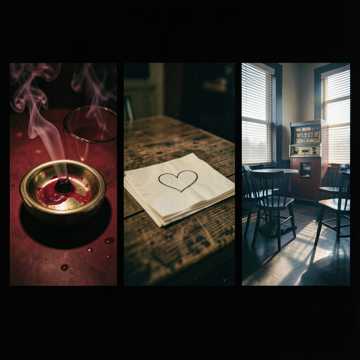
LIPSTICK ON THE ASHTRAY
A woman lingers in a closing bar, surrounded by remnants of a lost relationship. Through smoke, wine, handwritten memories, and a final saxophone glow, she confronts how goodbye unfolds gradually, preserving love in fragments before choosing emotional release.
04:30
2026-08-30
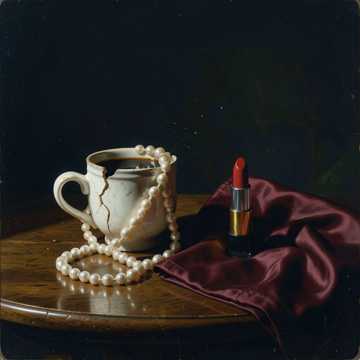
GOOD GIRLS LIE BETTER
A clever, rebellious woman exposes betrayal without theatrics, masking her heartbreak behind elegance and control. With smoky confidence, she turns deception into empowerment, leaving a toxic relationship on her own terms while revealing that her sweetest promise was her final lie.
04:17
2026-08-30

DON’T POUR ME ANOTHER
A heartbroken woman confronts her dependence on alcohol and memories of a toxic relationship. Set in a neon-lit bar, the song moves from temptation and regret toward self-awareness and independence, ending with her refusing another drink and walking away from the past.
04:36
2026-08-30

Sem Filtro, Sem Coração
Um hino de protesto contra a dependência de cigarros artificiais e bebidas energéticas. Com riffs ásperos, bateria swingada e vocais intensos, a música expõe os danos físicos e emocionais do vício, transformando indignação em um refrão coletivo, direto e devastador.
03:18
2026-08-30

Kaktus an der Schulter
Ines zieht mit einem Kaktus auf der Schulter durch Kneipe, Laden und Amtsstube. Trotz Stolpern, Feiern und Alltagschaos bleibt ihr grüner Begleiter stets an ihrer Seite. Der humorvolle Boogie-Woogie feiert Unbeschwertheit, Eigenwilligkeit und die ansteckende Kraft gemeinsamer Heiterkeit.
03:15
2026-08-30

Step by Step — 一歩ずつ N2
失敗や迷いを抱えながらも、一歩ずつ前へ進む強さを描く希望の歌。Japanese skaと upbeat J-pop、躍動するホーン、walking bass、リズミカルなギターが背中を押し、自分らしい未来を選ぶ勇気と再出発の力を届ける。
06:22
2026-08-30

A Little Bit
A Little Bit celebrates uncomplicated love through images of back roads, county fairs, cheap wine, two-step dancing, and shared smiles. Its cheerful narrator finds lasting happiness in modest circumstances, emphasizing that genuine affection and companionship matter more than wealth or material success.
04:26
2026-08-29
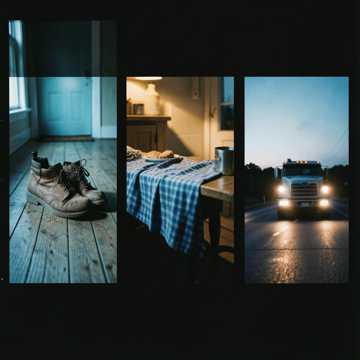
Marlow, Send That Trade
A weary working man begs Marlow for a trade so he can return to his waiting wife. As work keeps pulling him away, her gentle reassurance inspires him to choose home, love, and freedom over company demands and another exhausting shift.
04:58
2026-08-29

A Little Bit
A cheerful country romance about finding deep happiness in modest living. With a little house, cheap wine, county fairs, dancing, and loyal companionship, the song celebrates gratitude, lasting affection, and the belief that love matters more than wealth or material success.
04:07
2026-08-29

Das Buch
Das Lied beschreibt das Leben als fortlaufendes Buch voller Wendungen. Vergangene Erfolge und Verluste gehören zur eigenen Geschichte, doch jedes Ende eröffnet ein neues Kapitel. Mit ruhiger Zuversicht, Mut und Lebensfreude blickt der Erzähler nach vorn und vertraut darauf, dass noch Glück wartet.
03:27
2026-08-28
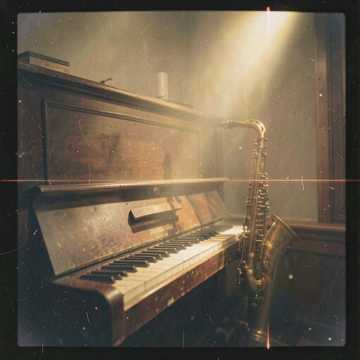
dj
A rousing late-night boogie set in a packed neighborhood bar, where piano, walking bass, guitar, drums, and twin saxophones keep dancers moving until dawn. Its gritty baritone delivery and vintage New Orleans R&B energy celebrate freedom, togetherness, and enduring musical joy.
03:55
2026-08-28
Introduction to Walking-bass: Definition, History, and Significance
Walking-bass is a style of bass line in jazz, blues, and swing music that creates a feeling of forward motion. It is characterized by a continuous sequence of quarter notes that 'walk' up and down the scale, often with chromatic passing tones. The term 'walking' refers to the steady, step-like movement of the bass line. Originating in the early 20th century, walking-bass lines became prominent in jazz, particularly in the swing and bebop eras. The technique was influenced by early New Orleans jazz and blues music, where bassists sought to create a rhythmic foundation that complemented the harmony and melody of the ensemble. Over time, it evolved into a defining feature of jazz, employed by both upright and electric bass players.
Sub-tags and Classifications of Walking-bass
Swing Walking-bass
Swing Walking-bass is perhaps the most iconic style of walking-bass, associated with the swing era of the 1930s and 1940s. This style is characterized by its steady quarter-note rhythm and the use of chord tones and chromatic passing notes to create a smooth, flowing bass line. Swing Walking-bass lines often incorporate syncopation and rhythmic accents to add a sense of drive and groove, making them foundational in big band and small ensemble jazz settings.
Bebop Walking-bass
The Bebop Walking-bass style emerged in the 1940s and 1950s with the advent of bebop jazz. It is more harmonically complex than its swing counterpart, often incorporating faster tempo, intricate chord changes, and chromaticism. Bebop bassists like Paul Chambers and Ray Brown were known for their dexterous walking lines that navigated through rapid chord progressions while maintaining a sense of rhythmic propulsion.
Blues Walking-bass
Blues Walking-bass is a style often found in 12-bar blues progressions and focuses on simple yet effective lines that reinforce the blues form. It tends to use repetitive patterns and riffs that follow the I-IV-V chord changes typical of blues music. This style has a laid-back feel, emphasizing groove and emotion, and is often used in both traditional and modern blues contexts.
Modal Walking-bass
Modal Walking-bass is a style that emerged in the late 1950s and 1960s with the rise of modal jazz. Unlike bebop, which focuses on navigating complex chord changes, modal walking-bass lines emphasize long, sustained chords and modes (scales) rather than rapid harmonic movement. This allows for more melodic and lyrical bass lines that can explore a broader range of notes and rhythms within a single mode.
Funk Walking-bass
Funk Walking-bass is a modern adaptation of the walking-bass style, blending elements of funk rhythms with traditional jazz walking lines. This style emphasizes syncopation, groove, and rhythmic interaction between the bass and drums. Funk Walking-bass lines are characterized by a more 'staccato' and percussive approach, often using slap bass techniques to create a distinctive sound.
Famous Artists and Classic Works in Walking-bass
Paul Chambers
Paul Chambers was a highly influential jazz bassist known for his work with Miles Davis, John Coltrane, and other jazz legends. His use of walking-bass lines in bebop and hard bop settings was revolutionary, particularly his inventive use of chromaticism and melodic lines. His work on Miles Davis's 'Kind of Blue' is considered one of the greatest examples of modal jazz walking-bass.
'So What' by Miles Davis (feat. Paul Chambers)
'So What' is a seminal piece in the history of modal jazz, featuring Paul Chambers on bass. The walking-bass line in this track is a masterclass in modal playing, emphasizing space, rhythm, and melodic development within the Dorian mode. Chambers' line is not only foundational to the harmony but also serves as a melodic counterpoint to the horns.
Ray Brown
Ray Brown was a legendary jazz bassist who played with Oscar Peterson, Ella Fitzgerald, and many others. His walking-bass lines were notable for their swing feel, harmonic sophistication, and rhythmic drive. Brown's playing helped define the sound of modern jazz bass, and his contributions to the swing and bebop eras remain unparalleled.
'Night Train' by Oscar Peterson Trio (feat. Ray Brown)
'Night Train' is a classic jazz standard that features Ray Brown's impeccable walking-bass lines. His playing on this track is a perfect example of swing walking-bass, characterized by its rhythmic drive, use of chord tones, and tasteful chromatic passing notes. Brown's bass line provides a solid foundation while also adding a sense of movement and groove to the performance.
Ron Carter
Ron Carter, one of the most recorded bassists in jazz history, is known for his virtuosic walking-bass lines and adaptability across various jazz styles. His work with the Miles Davis Quintet in the 1960s and his solo career showcases his innovative approach to walking-bass, blending modal, bebop, and funk influences.
'Stella by Starlight' by Bill Evans Trio (feat. Ron Carter)
'Stella by Starlight' showcases Ron Carter's sophisticated approach to walking-bass in a modern jazz context. His lines are harmonically rich and rhythmically varied, demonstrating his ability to navigate complex chord changes while maintaining a lyrical and flowing bass line. Carter's playing on this track highlights his unique blend of bebop and modal influences.
Application Scenarios for Walking-bass Music
Walking-bass music is commonly used in movie soundtracks to evoke a sense of movement, tension, or sophistication. Jazz films and scenes depicting 1940s-1960s urban life often feature walking-bass lines to set the mood. For instance, walking-bass can be heard in scenes from 'The Pink Panther' series and 'Round Midnight.'
Movie Soundtracks
In advertising, walking-bass lines are used to create a feeling of coolness, elegance, or playfulness, particularly in ads targeting a mature or sophisticated audience. A walking-bass line can add a jazzy, upbeat vibe to commercials for high-end products, fashion brands, or luxury cars.
Advertising Music
Walking-bass music is also utilized in video game soundtracks to enhance various scenes or settings. For example, games that include jazz clubs, noir detective stories, or 1950s-themed levels may feature walking-bass to evoke the era's ambiance and atmosphere.
Game Background Music