Free Ancient era Music Generator Powered by AI
Turn text into high-quality Ancient era music effortlessly – no login required!

music.toolTips

Argonauts
A bombastic retelling of the Argonauts expedition, this ancient war song follows Jason, Hercules, Atalanta, and their crew through divine rites, perilous seas, monstrous guardians, and the theft of the Golden Fleece. Its relentless chorus transforms mythic adventure into a ritualistic anthem of conquest, loyalty, and martial destiny.
05:30
2026-08-30
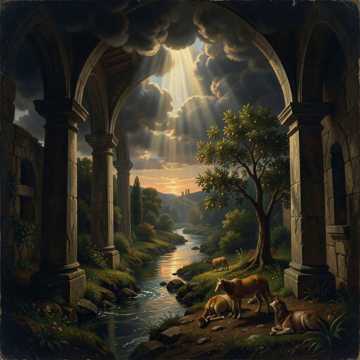
The Sacred Garden
The song poetically recounts creation, from the birth of light and ordered heavens to living creatures and humanity’s arrival in a sacred garden. Its reverent choral atmosphere, solemn minor mode, and gradual emotional swells celebrate divine order, wonder, stewardship, and the peaceful goodness of the created world.
06:04
2026-08-30
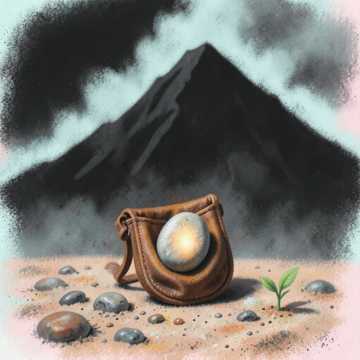
The Shepherd's Stone
A powerful Celtic folk retelling of David and Goliath, contrasting the giant's intimidating strength with a shepherd boy's faith and precision. Driven by soaring vocals and wild acoustic strings in D minor, the song celebrates courage, divine purpose, and victory without drums or percussion.
02:57
2026-08-30
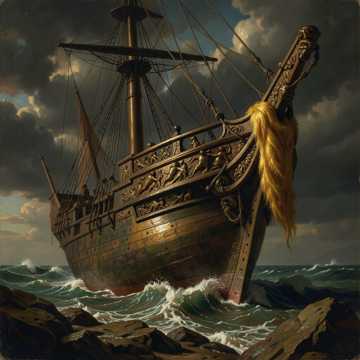
Argonauts
A ritualistic war song recounting the Argonauts' voyage for the Golden Fleece. Through pounding drums and commanding vocals, it invokes ancient gods, heroic warriors, sacred women, perilous seas, and the brutal triumphs of Jason, Hercules, and their mythic crew.
04:30
2026-08-29
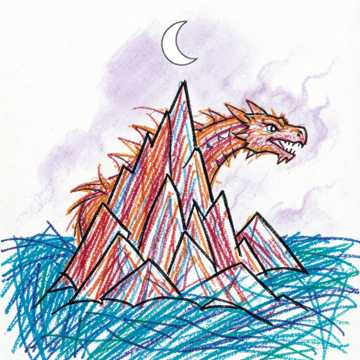
《千年的囚徒》
歌曲描寫龍族王者因愛成恨、以囚禁守護戀人,歷經千年輪迴後終於揭開誤會,在冰與火、罪與愛交織的宿命中完成救贖。
04:35
2026-08-28
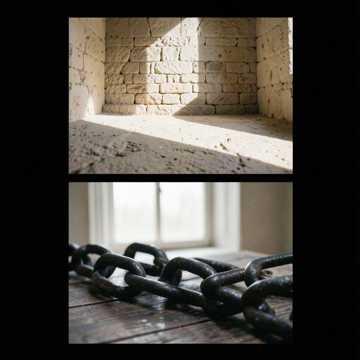
Hechos 28 B
Pablo defiende su inocencia ante los judíos en Roma, explica su apelación a César y proclama el reino de Dios. Aunque algunos creen y otros rechazan su mensaje, permanece enseñando abiertamente durante dos años, anunciando que la salvación también llegará a los gentiles.
02:47
2026-08-27
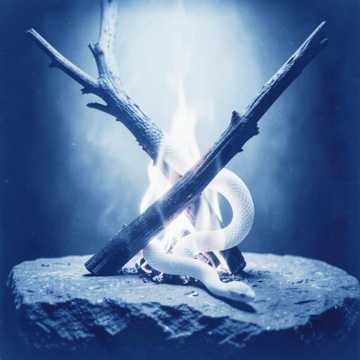
Hechos 28
Relato bíblico en spoken word acelerado sobre el viaje de Pablo desde Malta hasta Roma. Entre peligros, milagros, hospitalidad y encuentros fraternales, la canción resalta la protección divina, la perseverancia y la expansión de la fe.
03:00
2026-08-27
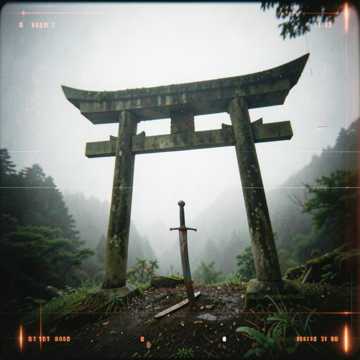
霧の峠の鐘
霧深い峠と廃れた王国を舞台に、名もなき兵や迷える魂が祖先の火と守護の誓いを抱き、山を越えて帰るべき場所を探す物語。悲哀、鎮魂、再生への決意が、和楽器と壮大なメタルサウンドで描かれる。
04:59
2026-08-26

Hechos 27
Relato bíblico dramatizado sobre el viaje de Pablo a Italia. La navegación enfrenta vientos contrarios, decisiones arriesgadas y una feroz tempestad, mientras su advertencia y su fe sostienen la esperanza de supervivencia entre los pasajeros.
03:34
2026-08-26

Hechos 26 B
Pablo defiende con firmeza su misión celestial ante Agripa, Festo y Berenice. Su testimonio proclama a Cristo, el arrepentimiento y la resurrección, mientras enfrenta acusaciones, incredulidad y cadenas con serenidad, verdad y esperanza.
02:15
2026-08-26

Hechos 24
Relato dramático de la acusación y defensa de Pablo ante el gobernador Félix. Con ritmo hablado y vertiginoso, la obra enfrenta poder, corrupción y temor al juicio venidero, mientras afirma la fe en Cristo, la resurrección y una conciencia limpia.
03:55
2026-08-26
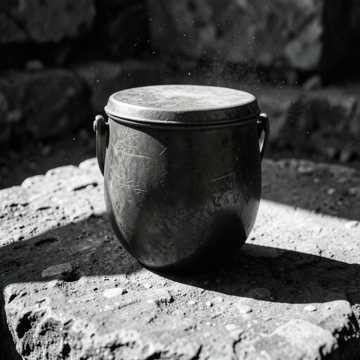
Argonauts
Argonauts recounts the mythic voyage of Jason and his crew in pursuit of the Golden Fleece. Framed as a ritualistic war chant, it celebrates heroic strength, divine ancestry, conquest, sacrifice, and the transformation of an ancient world through pounding rhythms and commanding masculine vocals.
07:10
2026-08-25

Argonauts
A forceful mythic war song recounting the Argonauts' voyage for the Golden Fleece. Deep male vocals, pounding drums, and archaic Greek instrumentation transform Jason's expedition into a ritualistic anthem of conquest, devotion, sacrifice, and heroic destiny.
05:21
2026-08-25
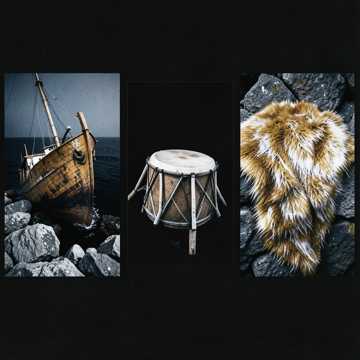
Argonauts
Argonauts transforms the voyage of Jason and his companions into a ritualistic bronze-age war song. Through pounding drums and gruff chants, the crew battles divine forces, crosses perilous seas, defeats a dragon, claims the Golden Fleece, and returns bearing glory and riches.
05:15
2026-08-25
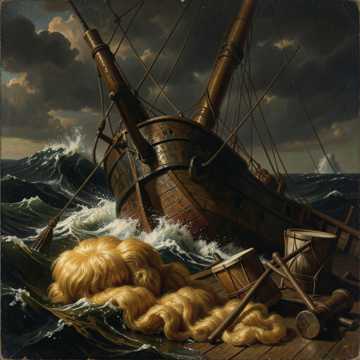
Argonauts
A forceful ancient Greek war song recounting the Argonauts' voyage for the Golden Fleece. Its pounding drums and deep masculine chant transform myth into ritual, celebrating heroic conquest, divine ancestry, martial brotherhood, sacrifice, and the dangerous collision between old gods, warriors, and sacred destiny.
04:42
2026-08-25

Argonauts
Argonauts recounts Jason and his legendary crew sailing through divine trials, perilous seas, betrayal, and battle to seize the Golden Fleece. Framed as a ritualistic war chant, the song celebrates heroic ambition, ancient gods, masculine fellowship, and the relentless drive toward glory.
04:54
2026-08-25
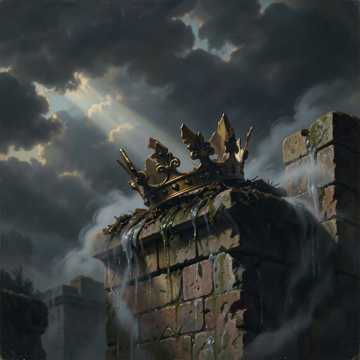
rey hamlet
La canción presenta a Hamlet frente al espectro de su padre en las murallas de Elsinor. Entre niebla, frío y ecos de traición, el príncipe enfrenta la duda, el peso del reino y la fragilidad de la razón antes del amanecer.
02:08
2026-08-24

Lucian
Carmen narrat de Luciano Rainrix, quarto equite Apocalypsis et ipsa Morte. Postquam Bellum, Fames et Pestis defecerunt, ille venit ad ultimum spiritum colligendum. Sanguine atro, equo umbratili et potestate absoluta, finem viventium ipse decernit.
07:14
2026-08-23

Moses
Moses transforms the Song of the Sea into a triumphant sacred celebration. Biblical verses recount Israel's deliverance, Pharaoh's defeat, and God's overwhelming power, while choir, drums, tambourines, and commanding male vocals create an ancient Middle Eastern atmosphere of worship, awe, victory, and communal remembrance.
05:06
2026-08-23
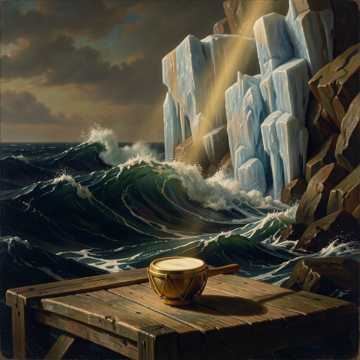
Moses
A grand sacred celebration of divine power and liberation, Moses recounts the Red Sea crossing, Pharaoh's defeat, and Israel's journey toward the promised sanctuary. Driving drums, tambourines, and commanding vocals transform biblical imagery into an epic declaration of faith, victory, and eternal worship.
06:36
2026-08-23
Introduction to the Ancient Era in Music
The Ancient era in music refers to the period from the earliest known musical traditions up until the fall of the Roman Empire, roughly encompassing 5000 BCE to 476 CE. This era is marked by the use of music in religious ceremonies, communal rituals, and cultural expressions. Music from the Ancient era is characterized by its simplicity, primarily monophonic texture, and its use of early musical instruments such as lyres, flutes, and drums. The origins of written music notation can also be traced back to this time, with the earliest examples found in ancient Mesopotamian and Greek civilizations. The Ancient era laid the foundational structures for the music of later periods, with its influence seen in the development of scales, modes, and musical forms.
Sub-tags and Classifications of Ancient Era Music
Mesopotamian Music
Mesopotamian music, one of the oldest documented forms of music, was integral to the religious and social life of ancient Sumer, Akkad, and Babylon. It featured the use of instruments like the lyre, harp, and drum, and early forms of written notation have been discovered on cuneiform tablets, providing insight into their musical scales and modes.
Egyptian Music
Ancient Egyptian music was central to both sacred and secular life, with musicians often holding esteemed positions in society. Their music employed instruments such as the sistrum, lute, and various types of drums and flutes. Egyptian music is noted for its connection to the gods and was an essential part of rituals, festivals, and royal ceremonies.
Greek Music
Greek music from the Ancient era is perhaps the most studied, thanks to the extensive writings of philosophers like Pythagoras and Plato on the theory and ethos of music. Greek music was performed with instruments such as the lyre, aulos (a double-reeded wind instrument), and the kithara. The Greeks also developed an early system of notation and contributed significantly to the understanding of scales, modes, and harmony.
Roman Music
Roman music, influenced by the Greeks, played a significant role in public spectacles, military ceremonies, and private entertainment. Instruments used included the tuba, cornu, and hydraulic organ. While much of Roman music was adapted from Greek traditions, it also featured distinct elements, such as the emphasis on grandiose public performances in amphitheaters.
Famous Artists and Works of the Ancient Era
Enheduanna
Enheduanna, a high priestess of Ur in ancient Mesopotamia, is considered one of the earliest known composers. Her hymns, composed around 2300 BCE, were used in temple rituals and are some of the earliest examples of written music, reflecting the spiritual and ceremonial use of music in this period.
Hurrian Hymn No. 6
The Hurrian Hymn No. 6, discovered in ancient Ugarit (modern-day Syria), is one of the oldest known pieces of written music, dating back to around 1400 BCE. It is a hymn dedicated to the goddess Nikkal and is written in the Hurrian language. The notation system used provides insight into the musical scales and practices of the time, and it is performed today using reconstructed ancient instruments.
Terpander
Terpander was a Greek musician and poet from the 7th century BCE, credited with significant contributions to the development of Greek music. He is known for standardizing the musical scales used in Greek music and for introducing the seven-stringed lyre, which expanded the melodic range available to musicians.
Epitaph of Seikilos
The Epitaph of Seikilos is an ancient Greek song inscribed on a tombstone from the 1st century CE, and it is the oldest complete musical composition that has survived to the present day. The song is accompanied by musical notation, providing a clear example of how music was structured in ancient Greece. The lyrics, which speak of the transient nature of life, are still evocative, and the melody offers insight into ancient Greek musical aesthetics.
Stesichorus
Stesichorus, a Greek lyric poet from the 6th century BCE, is renowned for his contributions to choral lyric poetry. His work laid the groundwork for later musical and poetic forms in ancient Greece, and his innovations in lyric composition influenced the development of music in the classical world.
Delphic Hymns
The Delphic Hymns, composed around 128 BCE, are two hymns dedicated to Apollo. These hymns are significant for being some of the few surviving pieces of notated music from ancient Greece. They reflect the importance of music in religious worship and provide examples of the melodic and harmonic practices of the time.
Application Scenarios for Ancient Era Music
Ancient era music is often used in movie soundtracks to evoke a sense of history or to set the scene in films depicting ancient civilizations. The use of reconstructed ancient instruments and scales helps create an authentic atmosphere, transporting viewers back in time.
Movie Soundtracks
In documentaries that explore ancient history, cultures, or archaeological discoveries, music from the Ancient era provides an appropriate and immersive background. It enhances the storytelling by connecting viewers with the time period being discussed.
Documentary Background Music
Ancient era music is frequently incorporated into the soundtracks of historical video games, particularly those set in ancient Rome, Greece, or Egypt. The use of music from this period helps create a more immersive gaming experience, allowing players to feel as if they are part of the ancient world.
Historical Video Games
Museums often use Ancient era music in their exhibits to enhance the experience of viewing artifacts from ancient civilizations. The music helps set the tone and context, providing visitors with a multisensory experience that deepens their understanding of the exhibits.
Museum Exhibits