Free Koto Music Generator Powered by AI
Turn text into high-quality Koto music effortlessly – no login required!

music.toolTips

Japanese
琴と三味線を推進力あるリズムの核に据えた、和の質感と映画音楽的スケールを融合するインストゥルメンタル。前進し続ける拍動が、緊迫した旅路、決意、躍動する情景を鮮明に描き出す。
03:06
Invalid date

ChillGouki
ChillGouki inszeniert Gouki als überzeichneten, zugleich humorvollen Dämonenrapper. Brutale Kampfspiel-Referenzen, absurde Alltagsbilder und finstere Oni-Atmosphäre treffen auf einen sanften, nostalgischen Lo-Fi-Beat, wodurch Bedrohung und entspannte Nachtstimmung bewusst kollidieren.
03:46
3 minutes ago

Chillkuma
Chillkuma inszeniert Gouki als überzeichneten, humorvoll bedrohlichen Dämon der Straße. Zwischen Gaming-Referenzen, martialischen Ansagen und absurden Zerstörungsbildern entsteht ein Kontrast aus aggressivem Rap, melancholischem Lo-Fi-Nebel und trockenem Dialogwitz.
03:48
9 minutes ago

Chillkuma
Ein bewusst überzeichneter, humorvoll bedrohlicher Battle-Rap: Die Figur Gouki wird als dämonische Naturgewalt inszeniert. Zwischen Gaming-Referenzen, absurden Punchlines und japanischen Kampfbegriffen kontrastiert die ruhige, nostalgische Lo-Fi-Kulisse mit der zerstörerischen Erzählstimme.
04:07
4 hours ago
Chillkuma
Chillkuma verbindet dreckigen Deutschrap, absurde Kampfspiel-Bilder und melancholischen Lo-Fi-Groove. Gouki erscheint als übermächtige Dämonenfigur, die mit schwarzem Humor, Anime-Referenzen und explosiven Double-Time-Passagen jede Realität in einen chaotischen Endgegner-Kampf verwandelt.
04:07
4 hours ago

Chillkuma
Chillkuma inszeniert einen übermächtigen, zugleich ironischen Dämonen-Rapper als Kampfspiel-Endgegner. Brutale Fantasiebilder, Gaming-Referenzen und trockene Dialoge treffen auf einen warmen, melancholischen Lo-Fi-Beat und erzeugen einen bewusst absurden nächtlichen Kontrast.
03:54
4 hours ago

Chillkuma
Chillkuma inszeniert einen überzeichneten, humorvoll bedrohlichen Dämonen-Rapper im Gouki-Modus. Brutale Kampfspielbilder, absurde Alltagsfolgen und japanische Begriffe treffen auf einen warmen, melancholischen Lo-Fi-Beat, der die aggressive Stimme bewusst kontrastiert.
04:18
4 hours ago

Chillkuma
Chillkuma inszeniert Gouki als überzeichnete, bedrohliche und zugleich humorvolle Rapfigur. Über einen melancholisch-hypnotischen Lo-Fi-Beat steigern sich Kampfsportbilder, Gaming-Referenzen und absurde Zerstörung von finsterem Straßenrap bis zum explosiven Dämonen-Finale.
04:00
4 hours ago

Chillkuma
Chillkuma inszeniert eine überzeichnete, dämonische Rapfigur, die mit Kampfspiel-Moves, absurden Zerstörungsbildern und trockenem Humor durch die Nacht zieht. Der aggressive Vortrag kollidiert bewusst mit einem warmen, melancholischen Lo-Fi-Beat und schafft eine hypnotische Endgegner-Atmosphäre.
04:20
4 hours ago
Eine Reise nach Japan
Ein gefühlvoller Reisesong begleitet Eva und Nico durch Tokio, Kyoto, Nara und Osaka. Zwischen pulsierenden Städten, Tempeln, kulinarischen Eindrücken und stillen Momenten wächst Japan zum Erinnerungsort. Die Rückkehr nach Tokio und der Abschied verbinden Fernweh mit dankbarer Nostalgie.
06:14
4 hours ago
Eine Reise nach Japan
Ein warmes, cineastisches Reiselied begleitet Eva und Nico durch Japans Metropolen, Tempel, Gärten und Nächte. Traditionelle Klangfarben und moderner Pop verbinden Staunen, Nähe und Aufbruch mit der wehmütigen Rückkehr nach Tokio.
05:52
5 hours ago
Eine Reise nach Japan
Der Song erzählt eine bildreiche Reise durch Japan: von Tokyos Neonlichtern über Kyotos Tempel bis zu Osakas Lebensfreude und Naras stillen Schreinen. Traditionelle Instrumente, cineastische Übergänge und ein emotionaler Pop-Rock-Refrain verbinden Abenteuer, Staunen, kulturelle Tiefe und bleibende Erinnerungen.
07:08
5 hours ago

Japanese
箏と三味線を単なる装飾ではなく重厚なリズムエンジンとしてフィーチャーした、推進力に満ちたシネマティック和風トラック。伝統の美意識と現代的な躍動感が共鳴する一曲です。
03:10
Invalid date
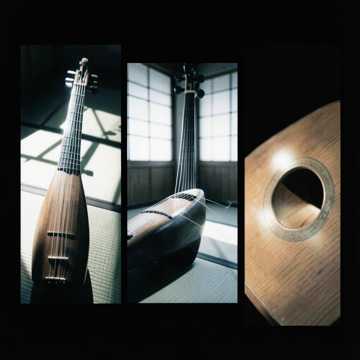
Japanese
箏と三味線を打楽器的なリズムエンジンとして配した、疾走感あふれる和風シネマティック楽曲。伝統的な響きと現代的な推進力が融合した力強いサウンドが特徴です。
03:20
Invalid date

Chillkuma
'Chillkuma' vereint entspannte, japanisch angehauchte Lo-Fi-Beats mit humorvollen, aggressiven Battle-Rap-Lyrics über den Street-Fighter-Charakter Akuma (Gouki). Der Song lebt vom extremen Kontrast zwischen verträumter Melancholie und explosiver, absurder Over-the-Top-Power.
04:22
7 hours ago

A Butterfly Will Soar
幼い少女の歌声と大人の合唱が、蝶の羽ばたきを希望、信仰、旅立ちの象徴として歌い上げる。和楽器と壮大な管弦楽が交差し、子どもたちを空へ導く映画的なファンタジー楽曲。
06:47
17 hours ago

A Butterfly Will Soar
蝶の飛翔を、子どもたちの成長、信仰、守り、そして未知の旅への希望に重ねた壮大な楽曲。幼い日本語ボーカルと大人の合唱、和楽器、オーケストラが交差し、静かな祈りから高揚感あふれる飛翔へ導く。
06:44
17 hours ago

A Butterfly Will Soar
小さな蝶が空へ舞い上がる姿を通して、子供たちの成長、希望、信仰、そして旅立ちを描く日英混成のシネマティック楽曲。幼い少女の歌声、力強い合唱、和楽器とオーケストラが、静かな祈りを壮大な飛翔へ変えていく。
06:48
23 hours ago

A Butterfly Will Soar
小さな子どもたちと蝶の旅を通して、勇気、信仰、再生、そして未知の空へ踏み出す希望を歌う日英バイリンガル曲。幼い声と大人のコーラス、和楽器と壮大な管弦楽が、静かな祈りを冒険的な飛翔へ導く。
06:43
23 hours ago

Gongigong
Gongigong verbindet nächtlichen deutschen Straßenrap mit japanischer Magical-Girl-Ästhetik. Über warme, nostalgische Lo-Fi-Beats wird Sailor Gonggong zur chaotisch-mutigen Beschützerin, deren Gongstein Dunkelheit, Gegner und Alltagsfrust in Glitzer, Energie und Humor verwandelt.
03:44
1 days ago
Koto: A Detailed Introduction to the Traditional Japanese Instrument
The Koto is a traditional Japanese stringed musical instrument, recognized as Japan's national instrument. It is a long, zither-like instrument with 13 strings, typically played using three finger picks. The Koto's origins trace back to China, where it was derived from the guzheng, before being introduced to Japan during the Nara period (710-794 AD). Initially, the Koto was an instrument of the Japanese court and aristocracy, but over time it became more widespread among the general populace. The Koto evolved with Japanese culture, seeing modifications in its design and playing techniques, eventually becoming a central instrument in both classical and contemporary Japanese music.
Sub-tags and Classifications of Koto Music
Classical Koto
Classical Koto music refers to traditional compositions that have been passed down through generations. These pieces often follow specific forms and structures rooted in Japanese history, such as the Danmono and Jiuta styles. Classical Koto is performed in a formal setting, typically featuring slow, deliberate playing that emphasizes the rich, resonant tones of the instrument.
Contemporary Koto
Contemporary Koto music represents a modern approach to the instrument, blending traditional sounds with influences from Western music and other global genres. This sub-tag includes experimental and fusion compositions that push the boundaries of the Koto, incorporating electronic elements, new tuning systems, and innovative playing techniques.
Ensemble Koto
Ensemble Koto involves the Koto being played as part of a larger group, often alongside other traditional Japanese instruments such as the shakuhachi (bamboo flute) and shamisen (three-stringed lute). This style is common in both classical and contemporary performances, adding depth and texture to the music through the interplay of different instruments.
Solo Koto
Solo Koto focuses on the instrument being played alone, highlighting the technical skill and expressiveness of the performer. Solo Koto performances can range from traditional compositions to modern, improvisational pieces, allowing the artist to explore the full range of the Koto's capabilities.
Famous Artists and Iconic Works of Koto Music
Yatsuhashi Kengyo
Often referred to as the 'Father of Koto Music,' Yatsuhashi Kengyo (1614-1685) was a blind musician who revolutionized the Koto by creating new tunings and compositions that laid the foundation for modern Koto music. His most famous work, 'Rokudan no Shirabe,' is still widely performed today and remains a cornerstone of the Koto repertoire.
Rokudan no Shirabe
'Rokudan no Shirabe' is a classical Koto composition by Yatsuhashi Kengyo that is considered one of the foundational pieces of Koto music. It consists of six sections (dan), each with 52 beats, following a traditional structure. The piece is known for its meditative, flowing melody that showcases the Koto's unique tonal qualities.
Miyagi Michio
Miyagi Michio (1894-1956) was a pioneering Koto player and composer who played a key role in modernizing Koto music. He introduced Western elements into traditional Japanese music, composing over 300 works for the Koto. His most famous piece, 'Haru no Umi' (The Sea in Spring), is celebrated for its evocative depiction of the Japanese seascape and remains one of the most well-known Koto compositions.
Haru no Umi
'Haru no Umi,' composed by Miyagi Michio, is a piece for Koto and shakuhachi that paints an auditory picture of the Japanese sea in springtime. The composition blends Japanese pentatonic scales with Western harmonic elements, creating a serene yet dynamic soundscape. Its innovative use of both instruments helped to bridge traditional Japanese music with Western styles.
Sawai Tadao
Sawai Tadao (1937-1997) was a highly influential Koto player and composer who pushed the boundaries of Koto music by incorporating jazz, rock, and contemporary classical influences. He co-founded the Sawai Koto School, which continues to promote innovative Koto music and techniques. His work 'Tori no Yoni' (Like a Bird) is a prime example of his experimental style, blending traditional sounds with modern rhythms.
Tori no Yoni
Composed by Sawai Tadao, 'Tori no Yoni' is an avant-garde Koto piece that pushes the boundaries of traditional Koto music. The work incorporates unconventional playing techniques and rhythms, reflecting the influence of jazz and contemporary classical music. 'Tori no Yoni' is known for its dynamic contrasts and the expressive freedom it allows the performer, making it a standout piece in modern Koto music.
Application Scenarios of Koto Music
Koto music is frequently used in movie soundtracks to evoke a sense of traditional Japanese culture and atmosphere. It can be found in films ranging from historical dramas to contemporary settings, where its distinctive sound enhances the emotional depth of the scene. Notable examples include the use of Koto in Akira Kurosawa's films and in more recent works like 'Memoirs of a Geisha.'
Movie Soundtracks
Koto music is often featured in commercials and advertising to create a serene, elegant, or culturally rich ambiance. The instrument's soothing tones can help to convey messages of tradition, quality, and craftsmanship, making it a popular choice for brands looking to associate their products with Japanese culture.
Advertising Music
In video games, Koto music is used to enhance the immersive experience, particularly in games set in Japan or those featuring Japanese themes. The Koto's sound is effective in creating an atmosphere of mystery, tranquility, or historical depth. Examples include its use in games like 'Ghost of Tsushima' and 'Sekiro: Shadows Die Twice,' where it helps to establish the setting and mood.
Video Game Background Music