Free Koto Music Generator Powered by AI
Turn text into high-quality Koto music effortlessly – no login required!

music.toolTips

поход
'Поход' — это горько-сладкая альтернативная хип-хоп баллада о девятилетнем мальчике, для которого простой поход за продуктами превращается в великое путешествие. Взрослый герой оглядывается назад, понимая, как с годами дороги становятся короче, а детское восприятие мира — ценнее.
06:11
4 days ago

не буди меня
'не буди меня' — эмоциональная баллада в стиле альтернативного хип-хопа. Песня раскрывает переживания юноши на больничной койке, скрывающегося от реальности в метафорах рыцарских сражений. Через голос сестры и осознание уязвимости герой проходит путь от бегства в иллюзии к принятию жизни.
04:27
4 days ago

рыцрь
'Рыцарь' — мрачная альтернативная баллада о тяжелом больном человеке, укрывающемся от реальности в средневековых фантазиях. Через диалог с сестрой он проходит путь от защитного барьера доспехов к принятию своей уязвимости, выбирая право быть не героем, а просто живым человеком.
04:51
4 days ago

рыцрь
'Рыцарь' — это глубокая альтернативная баллада о тяжелобольном юноше, принимающем больницу за метафорическое поле битвы. Музыка переносит слушателя из защитного мира детских рыцарских фантазий к болезненному, но необходимому принятию реальности и исцеляющей любви сестры.
05:02
4 days ago

рыцрь
'Рыцарь' — пронзительная альтернативная баллада о пациенте больницы, укрывающемся от страха и болезни в метафорах рыцарства. Через сломанный ритм, речитатив и надрывный вокал трек раскрывает путь от бегства в иллюзии к принятию уязвимости, где главный подвиг — просто остаться живым.
04:54
4 days ago

рыцрь
Герой, служивший влиятельному человеку, сталкивается с последствиями своей верности и впервые видит тех, кого защищал. Осознав, что честь стала цепью, он разрывает обещание, отказывается от роли стены и выбирает свободу, превращаясь из исполнителя приказов в человека, способного открыть собственную дверь.
04:17
4 days ago

A Butterfly Will Soar
幼い少女の声と壮大な和洋オーケストラが、蝶の羽ばたきを成長と再生の象徴として描く。日本語と英語の歌詞、掛け声、尺八、琴、太鼓が融合し、希望を胸に未知の空へ旅立つ物語を奏でる。
06:48
4 days ago

A Butterfly Will Soar
蝶の羽ばたきを、成長、信仰、旅立ち、そして新たな希望の象徴として描く壮大な楽曲。幼い少女の歌声、英語の力強いコーラス、日本の伝統楽器とオーケストラが重なり、幻想的な冒険の始まりを告げる。
06:56
4 days ago
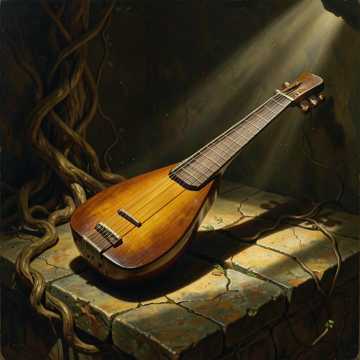
Sun Koto Drift
A vivid instrumental fusion of Japanese koto tradition and modern trap swagger. Exposed pentatonic plucks introduce a relaxed groove before deep kicks, ticking hi-hats, warm sub-bass, and brass-like synth accents build momentum. The track suits sunny journeys, fashion reels, games, travel montages, and confident urban scenes, ending with an elegant koto reprise.
02:57
4 days ago

A Butterfly Will Soar
幼い少女の歌声を中心に、蝶と蛾、桜、光、祈りをモチーフとして、恐れを越え新たな旅へ飛び立つ希望を描く。日本の伝統楽器と壮大な合唱が、幻想的で uplifting な冒険譚を形作っている。
06:42
4 days ago

До меня (darkstep) 8 -09
Песня исследует момент, когда человек понимает: его вкусы, страхи и воспоминания могли принадлежать кому-то до него. Через образ матери, старого дома и фотографии герой переживает кризис идентичности, постепенно принимая чужое наследие как неотделимую часть себя.
04:41
5 days ago

Hi
Ca khúc ví cuộc đời như một ván bài, nơi tiền bạc và vẻ ngoài không quyết định giá trị con người. Trên nền boom bap samurai đầy suy tư, bài hát tôn vinh tình anh em, lòng tử tế và bản lĩnh được chứng minh qua hoạn nạn.
02:24
Invalid date
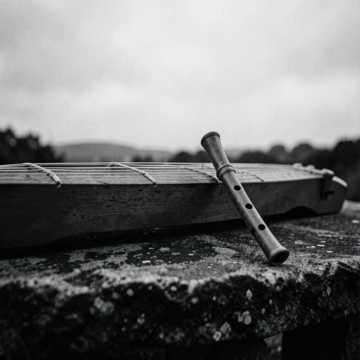
Hi
Bài hát đối chiếu giàu nghèo vật chất với sự giàu có của tình nghĩa. Qua hình ảnh ván bài, xe sang và samurai cô độc, ca khúc khẳng định bản lĩnh, lòng trung thành và giá trị con người chỉ được chứng minh khi hoạn nạn.
02:41
Invalid date

gouttes
gouttes explore la fragilité humaine, le poids du moi et les renoncements qui rapetissent l’être. Dans une atmosphère douce et épique, la pluie devient métaphore des larmes, tandis que le morceau invite à évoluer, à libérer ses forces et à laisser rugir le guépard intérieur.
03:18
5 days ago

gouttes
Gouttes explore la fragilité humaine, l’emprise du moi et la nécessité d’évoluer. Entre ciel intérieur, renoncements et pluie libératrice, la voix féminine s’élève sur une atmosphère douce, dramatique et méditative, portée par le shakuhachi, le koto et des chœurs lumineux.
03:00
5 days ago

gouttes
Gouttes explore la lutte entre l’ego, la vulnérabilité et le désir d’évoluer. À travers des images de ciel, de pluie et de larmes, la chanson transforme la douleur intérieure en quête de renouveau, portée par une atmosphère méditative, dramatique et doucement héroïque.
03:04
5 days ago
A Butterfly Will Soar
蝶の羽ばたきを成長、信仰、再生、希望の象徴として描く壮大な冒険歌。幼い日本の少女と児童合唱、力強い女性ボーカルが、和楽器とオーケストラの響きの中で、未知の空へ進む勇気を歌い上げます。
06:04
5 days ago

A Butterfly Will Soar
幼い少女と子どもたちの歌声が、蝶の羽ばたきを成長、信仰、再生の象徴として描く。和楽器とオーケストラ、掛け声、壮大な合唱が重なり、静かな庭から広い空へ向かう冒険と希望を力強く表現している。
06:29
5 days ago
A Butterfly Will Soar
小さな蝶が花々と子どもたちに見守られながら空へ舞い上がり、恐れを越えて新たな旅へ進む物語。日本の伝統楽器、児童歌声、壮大な合唱が希望、信仰、再生の感情を高める。
06:28
5 days ago

До меня (darkstep) 8 -09
Песня исследует болезненное открытие: воспоминания, вкусы и страхи героя могли принадлежать не ему. Через образ матери, старой фотографии и моря он приходит к принятию чужого наследия, превращая утрату идентичности в мрачный, но завораживающий танцевальный ритуал.
05:07
5 days ago
Koto: A Detailed Introduction to the Traditional Japanese Instrument
The Koto is a traditional Japanese stringed musical instrument, recognized as Japan's national instrument. It is a long, zither-like instrument with 13 strings, typically played using three finger picks. The Koto's origins trace back to China, where it was derived from the guzheng, before being introduced to Japan during the Nara period (710-794 AD). Initially, the Koto was an instrument of the Japanese court and aristocracy, but over time it became more widespread among the general populace. The Koto evolved with Japanese culture, seeing modifications in its design and playing techniques, eventually becoming a central instrument in both classical and contemporary Japanese music.
Sub-tags and Classifications of Koto Music
Classical Koto
Classical Koto music refers to traditional compositions that have been passed down through generations. These pieces often follow specific forms and structures rooted in Japanese history, such as the Danmono and Jiuta styles. Classical Koto is performed in a formal setting, typically featuring slow, deliberate playing that emphasizes the rich, resonant tones of the instrument.
Contemporary Koto
Contemporary Koto music represents a modern approach to the instrument, blending traditional sounds with influences from Western music and other global genres. This sub-tag includes experimental and fusion compositions that push the boundaries of the Koto, incorporating electronic elements, new tuning systems, and innovative playing techniques.
Ensemble Koto
Ensemble Koto involves the Koto being played as part of a larger group, often alongside other traditional Japanese instruments such as the shakuhachi (bamboo flute) and shamisen (three-stringed lute). This style is common in both classical and contemporary performances, adding depth and texture to the music through the interplay of different instruments.
Solo Koto
Solo Koto focuses on the instrument being played alone, highlighting the technical skill and expressiveness of the performer. Solo Koto performances can range from traditional compositions to modern, improvisational pieces, allowing the artist to explore the full range of the Koto's capabilities.
Famous Artists and Iconic Works of Koto Music
Yatsuhashi Kengyo
Often referred to as the 'Father of Koto Music,' Yatsuhashi Kengyo (1614-1685) was a blind musician who revolutionized the Koto by creating new tunings and compositions that laid the foundation for modern Koto music. His most famous work, 'Rokudan no Shirabe,' is still widely performed today and remains a cornerstone of the Koto repertoire.
Rokudan no Shirabe
'Rokudan no Shirabe' is a classical Koto composition by Yatsuhashi Kengyo that is considered one of the foundational pieces of Koto music. It consists of six sections (dan), each with 52 beats, following a traditional structure. The piece is known for its meditative, flowing melody that showcases the Koto's unique tonal qualities.
Miyagi Michio
Miyagi Michio (1894-1956) was a pioneering Koto player and composer who played a key role in modernizing Koto music. He introduced Western elements into traditional Japanese music, composing over 300 works for the Koto. His most famous piece, 'Haru no Umi' (The Sea in Spring), is celebrated for its evocative depiction of the Japanese seascape and remains one of the most well-known Koto compositions.
Haru no Umi
'Haru no Umi,' composed by Miyagi Michio, is a piece for Koto and shakuhachi that paints an auditory picture of the Japanese sea in springtime. The composition blends Japanese pentatonic scales with Western harmonic elements, creating a serene yet dynamic soundscape. Its innovative use of both instruments helped to bridge traditional Japanese music with Western styles.
Sawai Tadao
Sawai Tadao (1937-1997) was a highly influential Koto player and composer who pushed the boundaries of Koto music by incorporating jazz, rock, and contemporary classical influences. He co-founded the Sawai Koto School, which continues to promote innovative Koto music and techniques. His work 'Tori no Yoni' (Like a Bird) is a prime example of his experimental style, blending traditional sounds with modern rhythms.
Tori no Yoni
Composed by Sawai Tadao, 'Tori no Yoni' is an avant-garde Koto piece that pushes the boundaries of traditional Koto music. The work incorporates unconventional playing techniques and rhythms, reflecting the influence of jazz and contemporary classical music. 'Tori no Yoni' is known for its dynamic contrasts and the expressive freedom it allows the performer, making it a standout piece in modern Koto music.
Application Scenarios of Koto Music
Koto music is frequently used in movie soundtracks to evoke a sense of traditional Japanese culture and atmosphere. It can be found in films ranging from historical dramas to contemporary settings, where its distinctive sound enhances the emotional depth of the scene. Notable examples include the use of Koto in Akira Kurosawa's films and in more recent works like 'Memoirs of a Geisha.'
Movie Soundtracks
Koto music is often featured in commercials and advertising to create a serene, elegant, or culturally rich ambiance. The instrument's soothing tones can help to convey messages of tradition, quality, and craftsmanship, making it a popular choice for brands looking to associate their products with Japanese culture.
Advertising Music
In video games, Koto music is used to enhance the immersive experience, particularly in games set in Japan or those featuring Japanese themes. The Koto's sound is effective in creating an atmosphere of mystery, tranquility, or historical depth. Examples include its use in games like 'Ghost of Tsushima' and 'Sekiro: Shadows Die Twice,' where it helps to establish the setting and mood.
Video Game Background Music