Free Medieval Music Generator Powered by AI
Turn text into high-quality Medieval music effortlessly – no login required!

music.toolTips
Cathedral of Ash
A grave, instrumental descent into a ruined sacred world. Pipe-organ drones, gothic fugues, cavernous choirs, reversed bells, and electric-guitar motifs build from ritualistic stillness toward an apocalyptic climax, evoking ash-filled cathedrals, forbidden rites, collapsing empires, and the final echo of faith.
02:48
2026-08-29
Cathedral Under Ash
A slow, ritualistic instrumental descent through a ruined cathedral. Towering pipe organ fugues, low brass drones, distant choral pads, tolling bells, and cavernous reverb create an ominous baroque-gothic soundscape that grows from stark isolation into dense, dissonant grandeur.
01:59
2026-08-29
Cathedral of Ash
A monumental minor-key organ composition that evokes a ruined cathedral at the end of time. Heavy pedal tones, intricate fugues, grave choir pads, bell tolls, and vaulted chord surges create a ritualistic journey from austere solitude to overwhelming contrapuntal grandeur.
06:27
2026-08-29
Der Schlüssel im Nordturm
Die Erzählung führt in die mondlose Vergangenheit der Burg Rabenhorst, wo der Geist der verschwundenen Gräfin Eleonora noch immer nach einem geheimnisvollen Schlüssel sucht. Wind, dreizehn Stufen und eine warnende Stimme verdichten sich zu einer beklemmenden Geistergeschichte.
02:00
2026-08-28
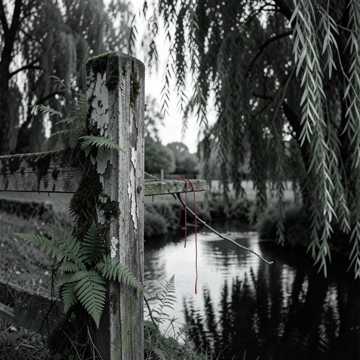
Am alten Torbogen
Eine intime mittelalterliche Ballade über Liebe, Abschied und Heimkehr. Am alten Torbogen bewahren Quelle, Flöte und Stern die Erinnerung an eine vertraute Verbindung, während Dorf, Garten und Jahreszeiten eine erdige Welt zwischen Melancholie und stiller Hoffnung zeichnen.
04:29
2026-08-27
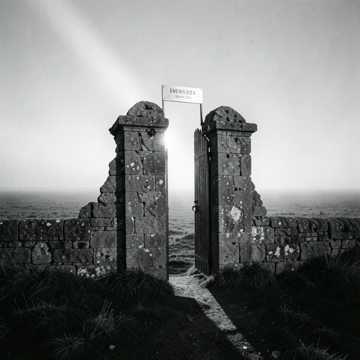
The Iron Heavens Ring
A determined warrior leads his kingdom toward a decisive battle, guided by omens and an unshakable belief in his destiny. Combining1980s-inspired synth-pop with medieval imagery, the song transforms military ritual, sacrifice, and ambition into a triumphant anthem of kingship and conquest.
05:33
2026-08-27
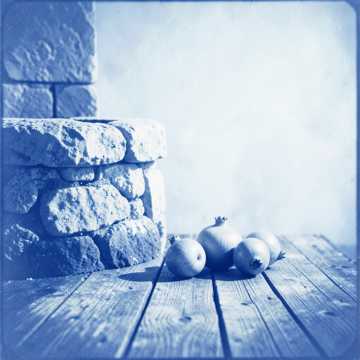
Aldeias de Portugal
Uma homenagem poética às aldeias portuguesas, onde o silêncio, a natureza, o trabalho e a memória preservam uma riqueza humana quase esquecida. A canção contrapõe a pressa urbana ao ritmo sereno do interior, revelando a força emocional das raízes e das tradições.
04:58
2026-08-27
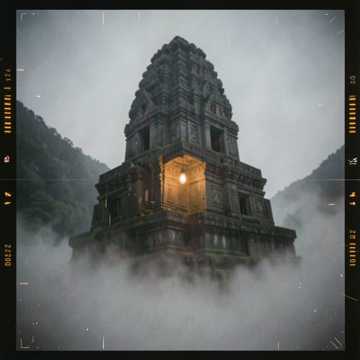
朧の天守
歌詞を持たない器楽曲として、霧に包まれた古い天守の威厳と哀愁を描く。半テンポの太鼓、鋭いギター、尺八、合唱、広がる残響が、歴史的幻想と戦場の緊張感を壮大に演出する。
05:35
2026-08-26

Celtic 1
An atmospheric Celtic medieval instrumental shaped by Dorian melodies, spacious reverb, and an unhurried80 BPM pulse. Low whistle, harp, drones, bagpipes, frame drums, and wordless choral layers create a noble ancient landscape that gradually expands from quiet contemplation into broad cinematic grandeur.
03:59
2026-08-26
Celtic 3
An expansive Celtic medieval instrumental shaped by Dorian melodies, gentle percussion, harp arpeggios, sustained drones, and distant choral oohs. Its slow pulse and gradual build evoke misty highlands, ancient ceremonies, heroic journeys, and peaceful fantasy landscapes.
02:53
2026-08-26
Celtic 5
A spacious Celtic medieval instrumental that blends Dorian melodies, harp arpeggios, drones, gentle percussion, and choral oohs. Its slow80 BPM pulse and gradual build evoke ancient landscapes, noble journeys, sacred ceremonies, fantasy realms, and reflective historical scenes.
03:45
2026-08-26
Celtic 7
A spacious Celtic medieval instrumental shaped by Dorian melodies, gentle percussion, resonant drones, harp arpeggios, and layered choral oohs. Its slow, steady pulse and gradual build evoke misty highlands, ancestral legends, sacred ceremonies, and heroic journeys through an ancient landscape.
03:18
2026-08-26
Celtic 9
An instrumental Celtic medieval piece with a calm80 BPM pulse. Dorian melodies, spacious reverb, harp arpeggios, drones, soft percussion, and layered choral oohs create a noble atmosphere suited to fantasy landscapes, historical scenes, reflective travel, and ceremonial moments.
04:54
2026-08-26
Celtic 11
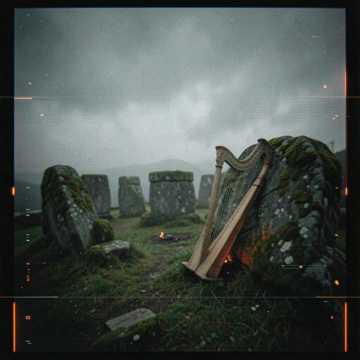
An expansive Celtic medieval instrumental that blends low whistle, harp, bagpipes, hurdy-gurdy, and gentle percussion. Its Dorian melodies, spacious reverb, layered choral textures, and gradual80 BPM build evoke ancient landscapes, noble journeys, forgotten kingdoms, and quietly heroic moments.
04:00
2026-08-26
Pastoral Lullaby
A gentle medieval-inspired lullaby that unfolds through harp, violin, recorder, bowed drone, and restrained frame drum. Its slow6/8 motion, Dorian color, intimate acoustic texture, and softly resolved ending evoke moonlit meadows, restful sleep, and timeless pastoral peace.
02:38
2026-08-26
La Ballata dell'Underdark
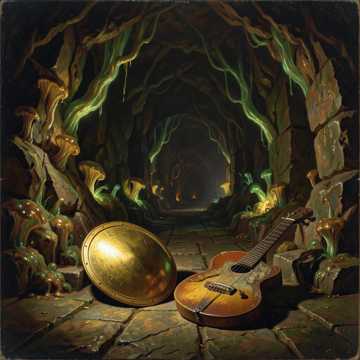
Un’allegra compagnia di avventurieri attraversa l’Underdark, affrontando mostri e oscurità grazie alla forza del gruppo. Paladino, Stregone, Guerriero, Chierico, Ladro, Mago e Bardo trasformano la fuga in una vittoria celebrata alla taverna.
03:55
2026-08-26
La Ballata dell'Underdark
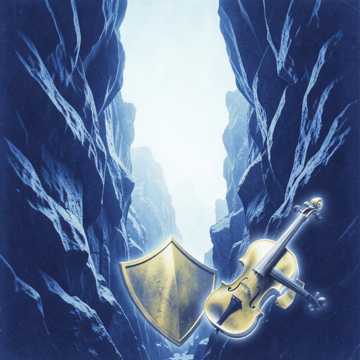
Una compagnia di avventurieri emerge vittoriosa dall'Underdark grazie alla magia, al coraggio e alla forza del gruppo. Tra battaglie, mostri e incantesimi, la ballata celebra la fratellanza, l'eroismo e la gioia di festeggiare il ritorno alla luce.
03:45
2026-08-24
The Hunt For The Templar
An old-school thrash metal narrative follows the Templar Order from proud resistance through pursuit, capture, and collapse. The shift from E minor to B minor mirrors its fall, while returning motifs transform defeat into enduring legend.
06:15
2026-08-24
Les Clefs du Donjon
Une pièce instrumentale médiévale et cinématique qui évoque l’exploration d’un donjon oublié. Les tambours lents, drones graves, cordes pincées et chœurs fantomatiques construisent une tension de puzzle avant l’arrivée majestueuse des cors et du dulcimer martelé.
04:54
2026-08-24
All Praise Edith
A humorous mock-anthem praising Edith Puthy and the proud, moustached Pooping Plant. Despite poor gaming skills, resistance to modern technology, and repeated defeats, Edith remains stubborn and triumphant in spirit. Marching drums, brass, choral slogans, and monumental harmonies transform playful absurdity into exaggerated revolutionary grandeur.
03:40
2026-08-24
Introduction to Medieval Music
Medieval music refers to the music of the Middle Ages, a period that spans from roughly the 5th to the 15th century. This genre of music emerged from the remnants of the Roman Empire and developed into a distinctive form that reflected the social, religious, and cultural transformations of Europe during that time. Medieval music can be broadly divided into two categories: sacred and secular. Sacred music was primarily connected to the church, including Gregorian chant and liturgical pieces, while secular music encompassed folk songs, ballads, and troubadour melodies. The development of notation systems, such as neumes, allowed for the preservation and dissemination of Medieval compositions, setting the foundation for Western music traditions.
Sub-tags and Classifications of Medieval Music
Gregorian Chant
Named after Pope Gregory I, Gregorian Chant is a form of plainchant used in the liturgical services of the Catholic Church. It is characterized by monophonic, unaccompanied vocal music with free-flowing, modal melodies. The chant's rhythm is non-metrical, designed to follow the natural inflections of the Latin text, enhancing the spiritual and meditative aspects of worship.
Troubadour Music
Troubadour music refers to the secular songs composed and performed by poet-musicians in the courts of Southern France, Northern Spain, and Italy during the 12th and 13th centuries. These songs often focused on themes of chivalry and courtly love, characterized by lyrical poetry and melodies. Troubadours played a significant role in shaping the tradition of lyrical composition and storytelling in Western music.
Organum
Organum represents one of the earliest forms of polyphony, where a plainchant melody is accompanied by one or more additional voice parts. Emerging in the 9th century, organum evolved from parallel movement to more complex forms, such as free and melismatic organum. This development marked a significant step towards the intricate polyphonic compositions of the later Medieval period.
Ars Nova
The Ars Nova ('New Art') movement of the 14th century introduced innovations in rhythmic notation, allowing for greater complexity and variation in musical compositions. This era saw the rise of isorhythmic motets and the use of syncopation, which laid the groundwork for the transition from Medieval to Renaissance music. Composers like Philippe de Vitry and Guillaume de Machaut were pioneers of this style, pushing the boundaries of musical form and expression.
Famous Artists and Classic Works in Medieval Music
Hildegard von Bingen
Hildegard von Bingen was a German Benedictine abbess, writer, and composer of the 12th century. She is renowned for her contributions to sacred music, particularly her collection of compositions known as 'Symphonia armoniae celestium revelationum.' Hildegard's works are characterized by soaring melodies and vivid texts, which often drew upon her mystical visions, blending religious devotion with musical innovation.
Messe de Nostre Dame by Guillaume de Machaut
This iconic work is one of the first known polyphonic settings of the complete Mass Ordinary. Composed in the mid-14th century, 'Messe de Nostre Dame' showcases Machaut's mastery of polyphony and rhythmic sophistication. The composition includes movements like the Kyrie and Gloria, characterized by their complex interweaving of vocal lines and innovative use of isorhythmic techniques, which were revolutionary for their time.
Guillaume de Machaut
A leading figure of the Ars Nova movement, Guillaume de Machaut was a French poet and composer of the 14th century. His most famous work, 'Messe de Nostre Dame,' is the earliest known complete setting of the Ordinary of the Mass by a single composer. Machaut's use of intricate polyphony and rhythmic complexity in both sacred and secular music significantly influenced the transition to Renaissance music.
Carmina Burana
Although not strictly a single work but a collection of 13th-century poems set to music, 'Carmina Burana' provides insight into the secular music of the Medieval period. These pieces, written by Goliards—students and clerics—cover topics ranging from satire to love. The vibrant melodies and rhythmic patterns in 'Carmina Burana' highlight the lively and sometimes irreverent spirit of Medieval secular music.
Perotin
Perotin was a prominent composer of the Notre Dame School of polyphony in the late 12th and early 13th centuries. He is known for his development of organum, particularly the composition of multi-voice pieces such as 'Viderunt omnes.' Perotin's works exemplify the early stages of polyphonic music, characterized by their harmonic complexity and structural clarity.
Viderunt omnes by Perotin
A seminal example of early polyphonic music, 'Viderunt omnes' by Perotin is a four-voice organum composed for the Feast of the Circumcision. This work demonstrates the complexity of Notre Dame polyphony, with its layered vocal lines and dynamic interplay of melodic motifs. Perotin's composition illustrates the evolution of Medieval music from monophonic chant to richly textured polyphonic structures.
Application Scenarios for Medieval Music
Medieval music is frequently used in historical and fantasy films to create an authentic atmosphere that transports audiences to the Middle Ages. Films like 'The Name of the Rose' and 'Kingdom of Heaven' utilize Gregorian chants and medieval instrumentals to enhance the storytelling, providing a sense of time and place that aligns with the narrative.
Movie Soundtracks
Many video games set in medieval or fantasy worlds, such as 'The Elder Scrolls' series or 'Assassin's Creed,' incorporate Medieval music into their soundtracks. This genre helps to immerse players in the game environment, evoking the sounds of ancient castles, bustling medieval markets, and epic battles, thus enriching the overall gaming experience.
Video Game Background Music
Medieval music plays a crucial role in themed events such as Renaissance fairs, historical reenactments, and medieval banquets. Performers use traditional instruments like the lute, harp, and hurdy-gurdy to recreate the soundscapes of the Middle Ages, providing an authentic auditory backdrop that enhances the atmosphere and educational value of these events.
Themed Events and Reenactments
The calming and spiritual nature of Gregorian chant and other forms of sacred Medieval music makes it suitable for use in therapeutic and meditation settings. These compositions, with their repetitive structures and soothing harmonies, are often employed to promote relaxation, reduce stress, and aid in mindfulness practices.
Therapeutic and Meditation Settings