Free Medieval Music Generator Powered by AI
Turn text into high-quality Medieval music effortlessly – no login required!

music.toolTips
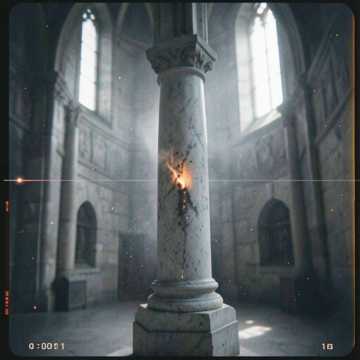
Voce del Dolore
Un’invocazione spirituale sul dolore nascosto e sulla perdita del sentimento autentico. Tra marmo, silenzio e notte, una voce maschile cerca ascolto divino, trasformando il pianto interiore in preghiera e lasciando nel cuore un segno di fede.
02:39
2026-09-08

Ordo
Carmen propagandisticum militaris spiritus describit Quvariam ut rem publicam unitam sub imperio Gai Quvarii. Chorus grandis, rhythmus rigidus et soni orchestrales obscuri exprimunt disciplinam, fidem, potentiam atque victoriam aeternam, dum imago phantastica draconum, montium et ignis auget spectaculum imperiale.
03:09
2026-09-08
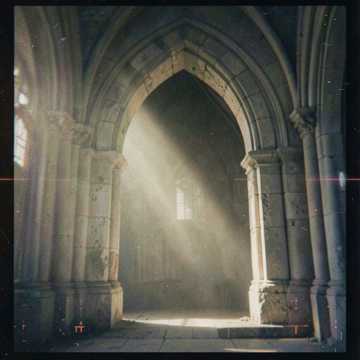
Sotto La Pietra
Un inno monofonico e contemplativo ambientato tra navate antiche e pietre sepolcrali. Il richiamo Memento mori conduce dalla penombra alla consapevolezza della morte, mentre il canto sacro diventa l’unica traccia capace di sopravvivere al tempo.
04:55
2026-09-08
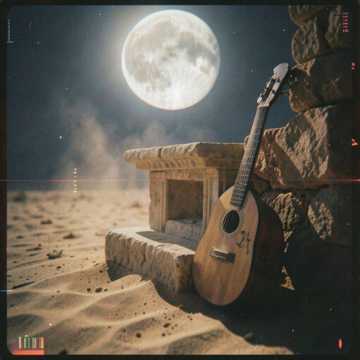
ליל ירח בעפר
Una pareja se entrega al baile bajo la luna, entre patios antiguos, fuego, seda y azahar. La canción mezcla deseo, misterio y libertad con imágenes de un mundo oriental suspendido en el tiempo, donde la música desafía las fronteras y convierte la noche en refugio.
03:47
2026-09-07
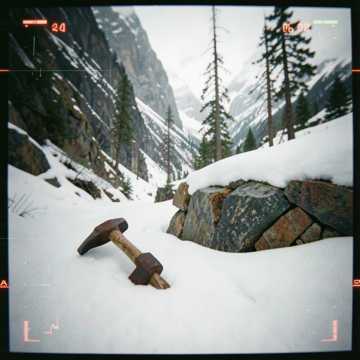
March, Little Hammer
A lone dwarf crosses a frozen mountain pass to hunt giants, transforming hardship into legend. The song balances disciplined courage, ancestral pride, and grim determination, building from sparse verses into a commanding battle anthem where the smallest warrior becomes the greatest threat.
03:22
2026-09-06
March, Little Mountain
'March, Little Mountain' is an epic fantasy war chant detailing a brave dwarf's legendary battle against three giants. Driven by pounding war drums, modal minor melodies, and thunderous tavern choruses, the song celebrates courage, resilience, and triumphant heroism against overwhelming odds.
03:24
2026-09-06
The Grey Lady 2
A mysterious instrumental or lyric-free composition centered on driving piano, medieval folk color, hypnotic rhythm, and melancholic atmosphere. Its blend of serene sentiment, vocal trance, dubstep impact, and anthemic melody suggests a haunting journey through shadow, memory, and timeless legend.
03:27
2026-09-05
Das Lied des Barden
Ein Barde erzählt von einem verschwundenen König und einer verborgenen Truhe im Burgturm. Die fünf Verse enthalten ein verschlüsseltes Wort: Ihre Anfangslaute müssen zusammengesetzt werden, um das Geheimnis des Königs und den Zugang zur vergessenen Welt zu enthüllen.
03:27
2026-09-04
Imperial Glory 48
An instrumental-focused medieval imperial anthem built around prominent choir, regal male vocals, powerful brass, and epic French horn. Its majestic orchestration suggests royal ceremonies, battlefield entrances, historical documentaries, fantasy kingdoms, and cinematic moments of triumph.
03:20
2026-09-04
The Hero's March
A mysterious opening gradually gathers momentum through lyrical violin, modal piano, frame drums, low strings, and hurdy-gurdy. Suspense develops into a driving rhythmic ascent before reaching an expansive, triumphant finale suited to heroic quests, historical drama, fantasy adventures, and cinematic victories.
05:29
2026-09-03
Vergebung macht uns leicht
Das Lied verwandelt Schuld und Verletzung in einen Weg zur Befreiung. Durch ehrliche Verantwortung, Wiedergutmachung und Vergebung lösen sich alte Bindungen. Der gemeinschaftliche Pagan-Folk-Gesang vermittelt Aufbruch, Würde und die erleichternde Kraft, Vergangenes bewusst loszulassen.
03:21
2026-09-03
Kommando an Bord
Ein zeremonieller Rettungsgesang über eine Mannschaft, die trotz Sturm, Dunkelheit und knarrender Planken gemeinsam einen Verunglückten birgt. Drehleier, stampfende Trommeln, Wechselgesang und raue Männerchöre verleihen dem Lied die Kraft eines alten Seefahrer- und Gemeinschaftsrituals.
02:55
2026-09-03
lumen
Lumen führt durch ein nächtliches Kloster, in dem tiefe Männerchöre, Glocken und Orgelbordun von Buße, Schutz und göttlichem Licht erzählen. Deutsche Verse verbinden sich mit lateinischen Liturgiefragmenten; langsamer Choralgesang, Hall und Solo verleihen dem Stück sakrale, zeitlose Schwere.
03:30
2026-09-03
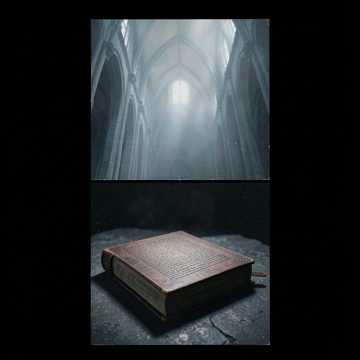
The Ballad of Spanish the Second
A sorrowful yet ultimately triumphant medieval-style ballad about students enduring Spanish Two under the stern Master Iglesias. Through haunted imagery, dramatic repetition, and comic academic despair, the song turns difficult grammar, homework, and subjunctive verbs into an epic battle ending in hard-earned victory.
06:32
2026-09-01
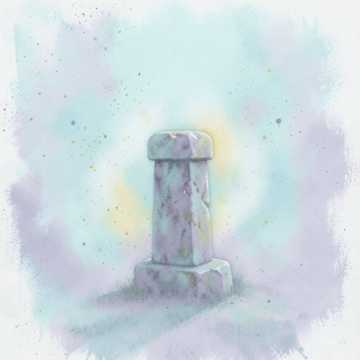
Solemn Vow
作品以无词男声合唱、低沉持续音与多利亚调式展开,仿佛回荡于古老修道院石 chapel。旋律从孤独肃穆逐渐汇聚成克制而崇高的高潮,最终在悠长残响中归于宁静。
02:03
2026-09-01
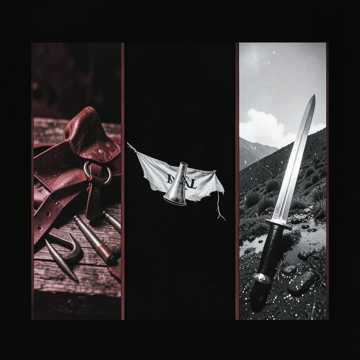
Give Me A Horse and War
A bold cavalryman celebrates horses, comrades, battle, and freedom above every other form of war. Through boisterous tavern chants and vivid fantasy combat, the song balances reckless humor with loyalty, sacrifice, remembrance, and a moving final image of a veteran laid to rest facing the dawn.
03:50
2026-09-01
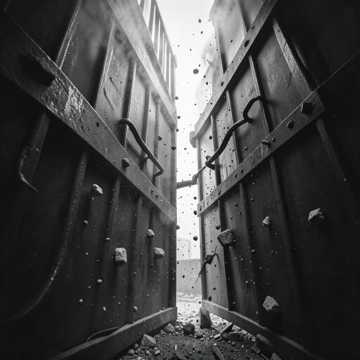
Siege of Ironhart
A defiant castle commander resists an invading force while confronting a deeper siege within her heart. As Ironhart falls at dawn, battlefield hatred gives way to vulnerable recognition, turning victory into a hard-earned promise of mutual protection.
05:22
2026-09-01

THE ASSEMBLY
A ritualistic medieval saga where dragons, cobras, lizards, priests, and shamans gather in a valley of ice and lightning. Driven by blues-rooted hard rock, psychedelic organ, and heavy-metal force, the song becomes a dark invocation about repentance, forbidden knowledge, ancient power, and spiritual transformation.
06:40
2026-08-31
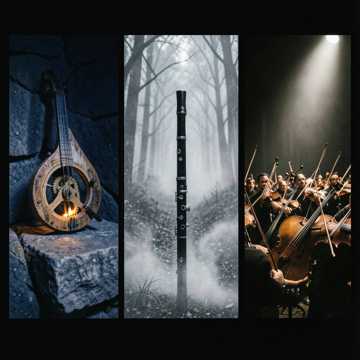
Hurdy-Gurdy Horizon
An instrumental journey from sparse medieval chamber textures to a thunderous cinematic climax. Gritty hurdy-gurdy, mystical shakuhachi, fiery fiddle, downtuned guitars, tribal drums, and shifting meters create a dark, adventurous horizon where ancient tradition meets progressive metal.
05:22
2026-08-29
Celta
Una travesía celta medieval de pulso lento y majestuoso. Los silbidos graves, el arpa, la zanfona y la gaita construyen una atmósfera ancestral, mientras los tambores suaves, los coros y la reverberación acompañan un desarrollo gradual, solemne y contemplativo.
03:54
2026-08-29
Introduction to Medieval Music
Medieval music refers to the music of the Middle Ages, a period that spans from roughly the 5th to the 15th century. This genre of music emerged from the remnants of the Roman Empire and developed into a distinctive form that reflected the social, religious, and cultural transformations of Europe during that time. Medieval music can be broadly divided into two categories: sacred and secular. Sacred music was primarily connected to the church, including Gregorian chant and liturgical pieces, while secular music encompassed folk songs, ballads, and troubadour melodies. The development of notation systems, such as neumes, allowed for the preservation and dissemination of Medieval compositions, setting the foundation for Western music traditions.
Sub-tags and Classifications of Medieval Music
Gregorian Chant
Named after Pope Gregory I, Gregorian Chant is a form of plainchant used in the liturgical services of the Catholic Church. It is characterized by monophonic, unaccompanied vocal music with free-flowing, modal melodies. The chant's rhythm is non-metrical, designed to follow the natural inflections of the Latin text, enhancing the spiritual and meditative aspects of worship.
Troubadour Music
Troubadour music refers to the secular songs composed and performed by poet-musicians in the courts of Southern France, Northern Spain, and Italy during the 12th and 13th centuries. These songs often focused on themes of chivalry and courtly love, characterized by lyrical poetry and melodies. Troubadours played a significant role in shaping the tradition of lyrical composition and storytelling in Western music.
Organum
Organum represents one of the earliest forms of polyphony, where a plainchant melody is accompanied by one or more additional voice parts. Emerging in the 9th century, organum evolved from parallel movement to more complex forms, such as free and melismatic organum. This development marked a significant step towards the intricate polyphonic compositions of the later Medieval period.
Ars Nova
The Ars Nova ('New Art') movement of the 14th century introduced innovations in rhythmic notation, allowing for greater complexity and variation in musical compositions. This era saw the rise of isorhythmic motets and the use of syncopation, which laid the groundwork for the transition from Medieval to Renaissance music. Composers like Philippe de Vitry and Guillaume de Machaut were pioneers of this style, pushing the boundaries of musical form and expression.
Famous Artists and Classic Works in Medieval Music
Hildegard von Bingen
Hildegard von Bingen was a German Benedictine abbess, writer, and composer of the 12th century. She is renowned for her contributions to sacred music, particularly her collection of compositions known as 'Symphonia armoniae celestium revelationum.' Hildegard's works are characterized by soaring melodies and vivid texts, which often drew upon her mystical visions, blending religious devotion with musical innovation.
Messe de Nostre Dame by Guillaume de Machaut
This iconic work is one of the first known polyphonic settings of the complete Mass Ordinary. Composed in the mid-14th century, 'Messe de Nostre Dame' showcases Machaut's mastery of polyphony and rhythmic sophistication. The composition includes movements like the Kyrie and Gloria, characterized by their complex interweaving of vocal lines and innovative use of isorhythmic techniques, which were revolutionary for their time.
Guillaume de Machaut
A leading figure of the Ars Nova movement, Guillaume de Machaut was a French poet and composer of the 14th century. His most famous work, 'Messe de Nostre Dame,' is the earliest known complete setting of the Ordinary of the Mass by a single composer. Machaut's use of intricate polyphony and rhythmic complexity in both sacred and secular music significantly influenced the transition to Renaissance music.
Carmina Burana
Although not strictly a single work but a collection of 13th-century poems set to music, 'Carmina Burana' provides insight into the secular music of the Medieval period. These pieces, written by Goliards—students and clerics—cover topics ranging from satire to love. The vibrant melodies and rhythmic patterns in 'Carmina Burana' highlight the lively and sometimes irreverent spirit of Medieval secular music.
Perotin
Perotin was a prominent composer of the Notre Dame School of polyphony in the late 12th and early 13th centuries. He is known for his development of organum, particularly the composition of multi-voice pieces such as 'Viderunt omnes.' Perotin's works exemplify the early stages of polyphonic music, characterized by their harmonic complexity and structural clarity.
Viderunt omnes by Perotin
A seminal example of early polyphonic music, 'Viderunt omnes' by Perotin is a four-voice organum composed for the Feast of the Circumcision. This work demonstrates the complexity of Notre Dame polyphony, with its layered vocal lines and dynamic interplay of melodic motifs. Perotin's composition illustrates the evolution of Medieval music from monophonic chant to richly textured polyphonic structures.
Application Scenarios for Medieval Music
Medieval music is frequently used in historical and fantasy films to create an authentic atmosphere that transports audiences to the Middle Ages. Films like 'The Name of the Rose' and 'Kingdom of Heaven' utilize Gregorian chants and medieval instrumentals to enhance the storytelling, providing a sense of time and place that aligns with the narrative.
Movie Soundtracks
Many video games set in medieval or fantasy worlds, such as 'The Elder Scrolls' series or 'Assassin's Creed,' incorporate Medieval music into their soundtracks. This genre helps to immerse players in the game environment, evoking the sounds of ancient castles, bustling medieval markets, and epic battles, thus enriching the overall gaming experience.
Video Game Background Music
Medieval music plays a crucial role in themed events such as Renaissance fairs, historical reenactments, and medieval banquets. Performers use traditional instruments like the lute, harp, and hurdy-gurdy to recreate the soundscapes of the Middle Ages, providing an authentic auditory backdrop that enhances the atmosphere and educational value of these events.
Themed Events and Reenactments
The calming and spiritual nature of Gregorian chant and other forms of sacred Medieval music makes it suitable for use in therapeutic and meditation settings. These compositions, with their repetitive structures and soothing harmonies, are often employed to promote relaxation, reduce stress, and aid in mindfulness practices.
Therapeutic and Meditation Settings