Free Medieval Music Generator Powered by AI
Turn text into high-quality Medieval music effortlessly – no login required!

music.toolTips
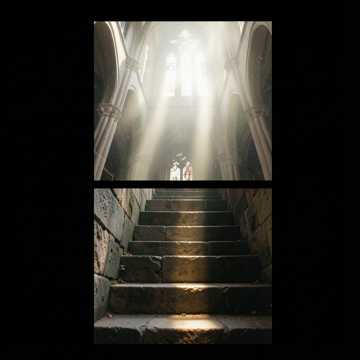
Heilges licht
Ein Priester steht zwischen Heilung und Kampf, Licht und Dunkelheit. Getragen von Disziplin, Glauben und innerer Stärke nutzt er auch verbotene Kräfte, ohne sein Ziel aus den Augen zu verlieren: das Gleichgewicht zwischen Ordnung, Hoffnung und Schatten zu bewahren.
04:37
18 days ago
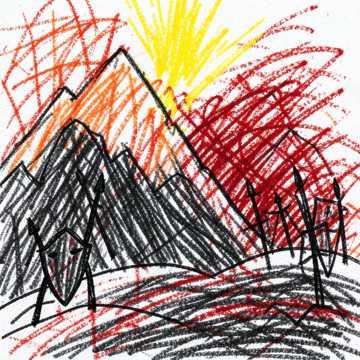
Держи Перевал
Мрачный воинский гимн рассказывает о тридцати защитниках, которые в метель удерживают перевал против превосходящих сил врага. Их гибель становится ценой спасения родных земель: павшие воины задерживают наступление, пока подоспевшие войска не обращают противника в бегство.
03:56
18 days ago
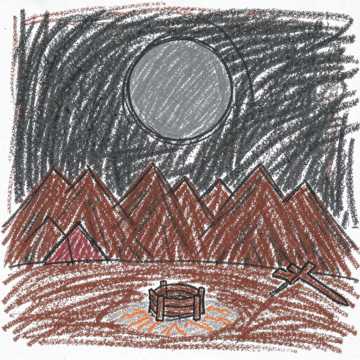
Цена Победы
Трагическая песня от лица уцелевшего воина: долгожданная победа оказывается не торжеством, а тяжёлым осознанием невосполнимых потерь. Среди павших друзей, крови и холодных камней герой остаётся один на один с пустотой.
03:53
18 days ago
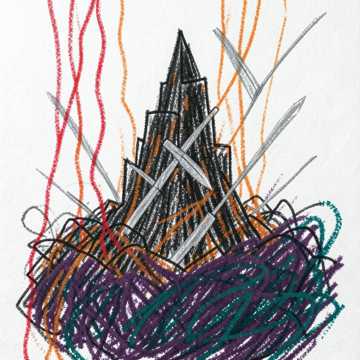
Dark Knight
A doomed knight carries an inherited oath through a collapsing realm, protecting the hunted while surrendering his claim to glory. Its soaring chorus turns isolation, sacrifice, and unremembered heroism into a defiant march toward reckoning.
05:40
20 days ago
Verflucht und Verdammt
Ein düster-humorvolles Fantasy-Lied über einen mächtigen Hexenmeister und seinen kleinen Diener. Zwischen Flüchen, Seelenraub und unaufhaltsamer Jagd entsteht ein spielerischer Kontrast aus bedrohlicher Handlung und moderatem russischem Folkklang.
01:55
21 days ago
Die Ballade von Recor
Eine humorvolle mittelalterliche Heldenballade über Rencor, einen vielseitigen Druiden. Als Bär, Katze oder Baum beweist er sich in Kämpfen, Raids und bei der Beuteverteilung. Der wiederkehrende Refrain macht ihn zur legendären Figur seiner Gruppe.
02:45
22 days ago
Flamme der Horde
Ein mittelalterlich gefärbter Gemeinschaftssong, der Reisende am Feuer willkommen heißt und heroische Schlachten besingt. Der wiederkehrende Refrain macht aus Verlusten, Siegen und Kameradschaft eine stolze, trinkfreudige Hymne.
02:28
23 days ago
Flamme der Horde
Ein kameradschaftlicher Mittelaltersong, der Reisende am Feuer willkommen heißt und die Siege einer eingeschworenen Horde besingt. Zwischen Tavernenatmosphäre, Schlachtenerinnerungen und heroischen Verlusten wird Gemeinschaft zur unvergänglichen Flamme.
02:17
23 days ago
Ceàrdach an ridire-ghaisgich,
Tha 'Ceàrdach an ridire-ghaisgich' na phìos ceòl Ceilteach mòrail a tha a' toirt gu buil sgeulachd mu dhòchas, neart, agus companaid ann an amannan dorcha, le feadhainn a' seinn còmhla ri ionnstramaidean traidiseanta agus fuaimean nàdarra.
02:42
23 days ago
The Door May Hold
A weary band assaults a sealed Citadel through rain and pain, refusing to abandon the fallen Limmpy or one another. Sparse folk verses become a resolute final swell as the door breaks, darkness is defeated, and shared sacrifice becomes their lasting memory.
04:07
24 days ago

She said " Deus vult "
A narrator becomes spellbound after a woman utters a charged Latin phrase. Through gothic imagery, sacred spaces, and rising electronic tension, a fleeting encounter turns into an irresistible, unsettling vow of devotion.
04:45
24 days ago
She said " Deus vult "
A mesmerized narrator becomes consumed after hearing a woman utter a charged Latin phrase. Through chapel imagery, ritualistic chants, synth textures, and a recited confession, the song frames attraction as an unsettling collision of faith, desire, memory, and surrender.
04:28
24 days ago
She said " Deus vult "
A mesmerized narrator becomes consumed by a woman's quiet invocation of 'Deus vult'. Sacred imagery, desire, and historical unease merge as her words transform an ordinary encounter into a private, darkly devotional revelation.
04:45
24 days ago
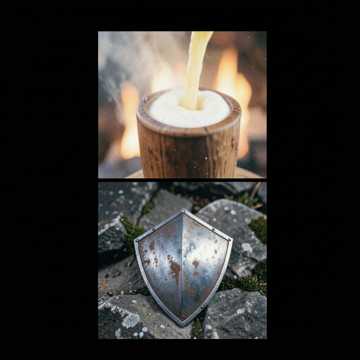
Raise a Cup to the Gray
A jubilant bard recounts the Gray Guard's bold march against infernal forces. With ale, drums, shining swords, and unshakable courage, the song turns a deadly battle into a rousing communal toast to heroic endurance.
02:07
24 days ago
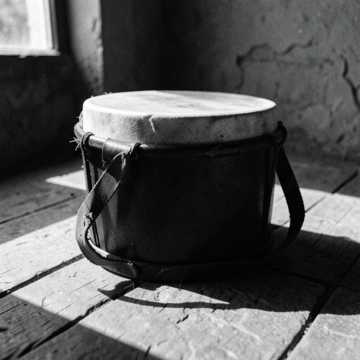
TAKE IT SLOW
A witty bard mocks explosive wizard spells while praising Slow as the smarter third-circle choice. Through funky medieval grooves, theatrical banter, and tavern chants, the song turns tactical spellcasting into a confident, comic celebration of patient battlefield control.
04:58
25 days ago
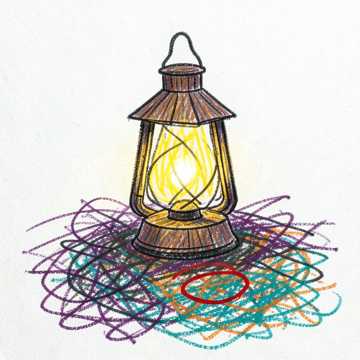
The Elf from Vaeltrk
A lively yet melancholy tavern song follows Luke Godfrey, a drunken elf abandoned by his wife. Roaming distant towns and drinking through each night, he clings to her final letter while the repeated chorus turns his sorrow into a memorable bardic lament.
01:49
25 days ago
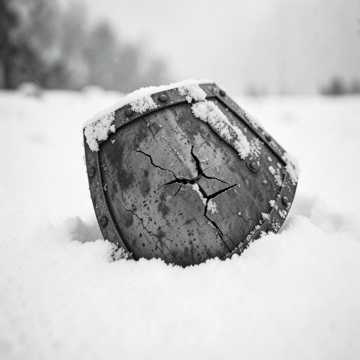
Schild hoch
Ein entschlossener Kampfgesang über eine Gruppe, die sich durch eine bedrohliche, mythische Nacht bewegt. Zwischen Walküren, Schnee und alten Namen wird der erhobene Schild zum Symbol für Mut, Treue und unerschütterlichen Zusammenhalt.
03:12
26 days ago
Verborgenes Gestein
Ein chaotisch-heroisches Valheim-Abenteuer: Eine eingeschworene Gruppe zieht durch finsteres Gestein zur Queen. Zwischen vergessenen Tränken, humorvollen Dialogen und magischen Kämpfen wächst ihr Zusammenhalt, bis sie gemeinsam den scheinbar sicheren Tod herausfordern.
03:50
27 days ago
The Page of Dover
A young guardian named Edmund defends Dover with a sacred page preserving the names of a lost kingdom. Facing an immortal scholar who steals identity and memory, he invokes the dead, breaks the enemy's power, and returns truth to the shore.
06:18
27 days ago
Rittersmark,du Tor zum Westen
Eine feierliche Wander- und Heimatliedhymne über Romantisch Franken. Der Text verbindet Natur, mittelalterliche Städte, regionale Gastlichkeit und geschichtliches Bewusstsein mit einem starken, dankbaren Refrain.
03:29
28 days ago
Introduction to Medieval Music
Medieval music refers to the music of the Middle Ages, a period that spans from roughly the 5th to the 15th century. This genre of music emerged from the remnants of the Roman Empire and developed into a distinctive form that reflected the social, religious, and cultural transformations of Europe during that time. Medieval music can be broadly divided into two categories: sacred and secular. Sacred music was primarily connected to the church, including Gregorian chant and liturgical pieces, while secular music encompassed folk songs, ballads, and troubadour melodies. The development of notation systems, such as neumes, allowed for the preservation and dissemination of Medieval compositions, setting the foundation for Western music traditions.
Sub-tags and Classifications of Medieval Music
Gregorian Chant
Named after Pope Gregory I, Gregorian Chant is a form of plainchant used in the liturgical services of the Catholic Church. It is characterized by monophonic, unaccompanied vocal music with free-flowing, modal melodies. The chant's rhythm is non-metrical, designed to follow the natural inflections of the Latin text, enhancing the spiritual and meditative aspects of worship.
Troubadour Music
Troubadour music refers to the secular songs composed and performed by poet-musicians in the courts of Southern France, Northern Spain, and Italy during the 12th and 13th centuries. These songs often focused on themes of chivalry and courtly love, characterized by lyrical poetry and melodies. Troubadours played a significant role in shaping the tradition of lyrical composition and storytelling in Western music.
Organum
Organum represents one of the earliest forms of polyphony, where a plainchant melody is accompanied by one or more additional voice parts. Emerging in the 9th century, organum evolved from parallel movement to more complex forms, such as free and melismatic organum. This development marked a significant step towards the intricate polyphonic compositions of the later Medieval period.
Ars Nova
The Ars Nova ('New Art') movement of the 14th century introduced innovations in rhythmic notation, allowing for greater complexity and variation in musical compositions. This era saw the rise of isorhythmic motets and the use of syncopation, which laid the groundwork for the transition from Medieval to Renaissance music. Composers like Philippe de Vitry and Guillaume de Machaut were pioneers of this style, pushing the boundaries of musical form and expression.
Famous Artists and Classic Works in Medieval Music
Hildegard von Bingen
Hildegard von Bingen was a German Benedictine abbess, writer, and composer of the 12th century. She is renowned for her contributions to sacred music, particularly her collection of compositions known as 'Symphonia armoniae celestium revelationum.' Hildegard's works are characterized by soaring melodies and vivid texts, which often drew upon her mystical visions, blending religious devotion with musical innovation.
Messe de Nostre Dame by Guillaume de Machaut
This iconic work is one of the first known polyphonic settings of the complete Mass Ordinary. Composed in the mid-14th century, 'Messe de Nostre Dame' showcases Machaut's mastery of polyphony and rhythmic sophistication. The composition includes movements like the Kyrie and Gloria, characterized by their complex interweaving of vocal lines and innovative use of isorhythmic techniques, which were revolutionary for their time.
Guillaume de Machaut
A leading figure of the Ars Nova movement, Guillaume de Machaut was a French poet and composer of the 14th century. His most famous work, 'Messe de Nostre Dame,' is the earliest known complete setting of the Ordinary of the Mass by a single composer. Machaut's use of intricate polyphony and rhythmic complexity in both sacred and secular music significantly influenced the transition to Renaissance music.
Carmina Burana
Although not strictly a single work but a collection of 13th-century poems set to music, 'Carmina Burana' provides insight into the secular music of the Medieval period. These pieces, written by Goliards—students and clerics—cover topics ranging from satire to love. The vibrant melodies and rhythmic patterns in 'Carmina Burana' highlight the lively and sometimes irreverent spirit of Medieval secular music.
Perotin
Perotin was a prominent composer of the Notre Dame School of polyphony in the late 12th and early 13th centuries. He is known for his development of organum, particularly the composition of multi-voice pieces such as 'Viderunt omnes.' Perotin's works exemplify the early stages of polyphonic music, characterized by their harmonic complexity and structural clarity.
Viderunt omnes by Perotin
A seminal example of early polyphonic music, 'Viderunt omnes' by Perotin is a four-voice organum composed for the Feast of the Circumcision. This work demonstrates the complexity of Notre Dame polyphony, with its layered vocal lines and dynamic interplay of melodic motifs. Perotin's composition illustrates the evolution of Medieval music from monophonic chant to richly textured polyphonic structures.
Application Scenarios for Medieval Music
Medieval music is frequently used in historical and fantasy films to create an authentic atmosphere that transports audiences to the Middle Ages. Films like 'The Name of the Rose' and 'Kingdom of Heaven' utilize Gregorian chants and medieval instrumentals to enhance the storytelling, providing a sense of time and place that aligns with the narrative.
Movie Soundtracks
Many video games set in medieval or fantasy worlds, such as 'The Elder Scrolls' series or 'Assassin's Creed,' incorporate Medieval music into their soundtracks. This genre helps to immerse players in the game environment, evoking the sounds of ancient castles, bustling medieval markets, and epic battles, thus enriching the overall gaming experience.
Video Game Background Music
Medieval music plays a crucial role in themed events such as Renaissance fairs, historical reenactments, and medieval banquets. Performers use traditional instruments like the lute, harp, and hurdy-gurdy to recreate the soundscapes of the Middle Ages, providing an authentic auditory backdrop that enhances the atmosphere and educational value of these events.
Themed Events and Reenactments
The calming and spiritual nature of Gregorian chant and other forms of sacred Medieval music makes it suitable for use in therapeutic and meditation settings. These compositions, with their repetitive structures and soothing harmonies, are often employed to promote relaxation, reduce stress, and aid in mindfulness practices.
Therapeutic and Meditation Settings