Free Medieval Music Generator Powered by AI
Turn text into high-quality Medieval music effortlessly – no login required!

music.toolTips
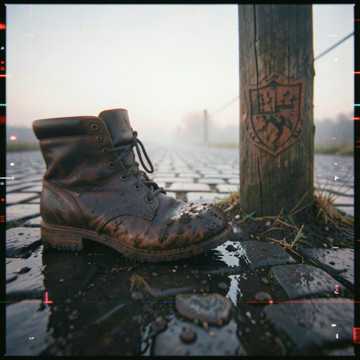
Like a templar
A battle-worn narrator embraces the Templar as a symbol of unwavering discipline and loyalty. Amid fear, hardship, and moral collapse, he holds his ground, keeps his oath, and turns every scarred road into proof of resilience.
04:36
28 days ago
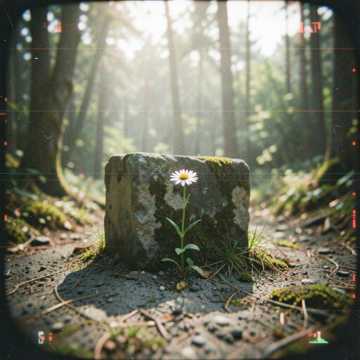
Aika Alza el Corazón
Aika recorre un mundo de ruinas, bosques y secretos mientras cuestiona su origen. Junto a sus amigos descubre que no es un recuerdo ni una copia: puede elegir su vida, construir su leyenda y renacer en cada paso.
03:40
29 days ago
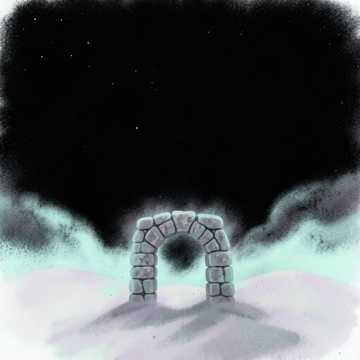
Desert Prayer Stars
A slow, meditative instrumental journey through a medieval Western desert landscape. Wordless female choir, fragile piano, distant strings, harp, drones, frame drum dust, bells, and wind textures create an intimate prayer that expands gently before dissolving into silence.
04:05
29 days ago
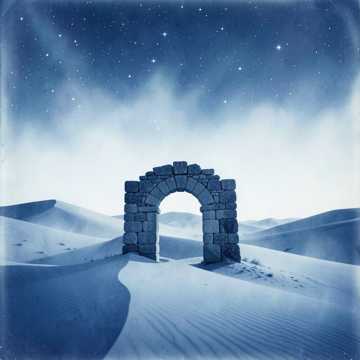
Desert Star Vigil
An instrumental vigil beneath desert stars, moving from intimate solo strings and distant brass into expansive choral and horn swells. Its sparse celesta, tremolo violins, reversed textures, and long reverberation evoke solitude, remembrance, ancient landscapes, and hope suspended in stillness.
03:58
29 days ago

Starry Desert Vigil
An instrumental vigil beneath desert stars, shaped by slow pulses, suspended harmonies, cathedral choir, shimmering celesta, and swelling strings. Its meditative atmosphere moves from intimate solitude toward a radiant final bloom, evoking ancient landscapes, quiet watchfulness, and cinematic wonder.
03:58
29 days ago
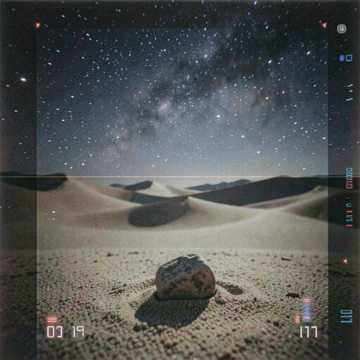
Under Desert Stars
A slow orchestral ambient soundscape that evokes solitary travel beneath desert constellations. Sparse strings, soft harp, restrained brass, and wave-like choir harmonies create a deeply nostalgic progression from stillness to a luminous final ascent.
04:18
29 days ago
Starry Desert Vigil
A hushed desert meditation unfolding through suspended pulses, low-string heartbeats, sparse harp, and breathy female choir. Its restrained opening gradually expands into reverberant choral and orchestral swells, evoking ancient memory, solitude, watchfulness, and quiet transcendence beneath a star-filled sky.
03:46
29 days ago

Desert Prayer
An instrumental desert meditation shaped by slow drones, distant frame drums, wordless choir, soft horn pads, reversed swells, and tiny bells. Its suspended pulse moves from ancient solitude and cinematic grandeur toward a fragile, night-bound silence.
03:57
29 days ago
Desert Prayer Sky
A slow, cinematic prayer without words, this instrumental traverses a midnight desert through low drones, distant hand percussion, bowed strings, celestial chimes, and ethereal choirs. Its central swell evokes longing and sacred memory before dissolving into wind, silence, and infinite starlit space.
04:05
29 days ago
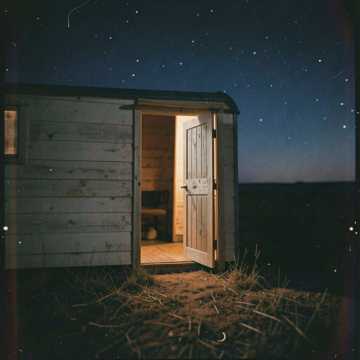
Starlit Caravan Rest
Una pieza instrumental ambientada en una caravana medieval que descansa bajo las estrellas. Sus drones modales, cuerdas frotadas, coros etéreos y texturas de arena evocan un viaje antiguo, solemne e íntimo, suspendido entre la nostalgia, el misterio y la contemplación.
03:38
29 days ago
IN NOMINE CRUCIS
Ein sakraler Kriegsgesang der Templer, getragen von unbeugsamem Glauben, Ehre und brüderlicher Treue. Tiefer Männerchor, Orgel, Lautenklänge und langsame Trommeln führen durch nächtliche Bedrohung zu einem gewaltigen, hymnischen Höhepunkt: Das Kreuz bleibt, der Schwur bleibt, die Erinnerung bleibt in Ewigkeit.
05:36
2026-09-28
Modal Dawn
A graceful instrumental journey from quiet medieval stillness to confident motion. Intimate harp and piano establish a spacious modal atmosphere, while violin introduces lyrical counterlines and growing momentum. The piece suits dawn-lit fantasy landscapes, noble quests, historical drama, and moments of hopeful resolution.
03:08
2026-09-28
Rio de Onor
Uma narrativa histórica e contemplativa sobre Rio de Onor, a sua vida comunitária, a ligação transfronteiriça e a transformação rural. A voz serena, acompanhada por piano, harpa e violino, celebra a memória, a entreajuda, a dignidade e a esperança de uma pequena aldeia.
03:14
2026-09-28
IN THE RAIN OF FIRE
A doomed fortress makes its final stand against a burning dragon. Driven by relentless thrash momentum, medieval instrumentation, choir, and synths, the song transforms fear into defiance, ending with victory, dawn, and the promise that heroic legends will endure.
04:41
2026-09-27
À Montpensier
'À Montpensier' est une chanson enfantine narrative et pédagogique retraçant la mort du roi Louis VIII en 1226 et l'avènement du jeune Louis IX, épaulé par Blanche de Castille. Sur un air médiéval doux, elle transmet l'histoire de France de façon ludique et mémorisable.
02:28
2026-09-26
The Dragon Remember
A betrayed warrior is rescued by a dragon, finds love in exile, and loses it during a final battle. Though he survives, grief erases his identity and emotions, while the dragon continues searching for the man he once was.
06:44
2026-09-26
The Buried Crown
A defiant band of survivors raises a buried crown amid frozen ruins, confronting darkness through loyalty, sacrifice, and an unbroken promise to preserve their names, their kingdom, and the flame of hope.
05:53
2026-09-26

Ice war
A heroic northern anthem about warriors gathering after the storm, honoring brotherhood, courage, and ancestral memory. Driven by thunderous drums, communal chants, and epic imagery, the song transforms icy hardship into a rallying cry of resilience, unity, and victory.
03:36
2026-09-26
Remplis le grand pot
Un chant festif de marins normands revenus de mer, célébrant la solidarité, l'amour laissé au port et le courage face à l'orage. Ses refrains fédérateurs, ses appels-réponses et son ambiance de taverne invitent une foule entière à lever les hanaps.
03:35
2026-09-25
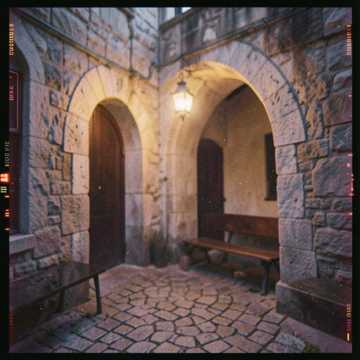
Altstadt im Schlosslicht
Ein instrumentales Klangbild zwischen historischer Altstadt und nächtlichem Schloss: Zarte Harfenfiguren, aufblühende Streicher und eine sehnsüchtige Violine entfalten bei80 BPM eine romantische, cineastische Reise durch vergangene Zeiten.
03:53
2026-09-24
Introduction to Medieval Music
Medieval music refers to the music of the Middle Ages, a period that spans from roughly the 5th to the 15th century. This genre of music emerged from the remnants of the Roman Empire and developed into a distinctive form that reflected the social, religious, and cultural transformations of Europe during that time. Medieval music can be broadly divided into two categories: sacred and secular. Sacred music was primarily connected to the church, including Gregorian chant and liturgical pieces, while secular music encompassed folk songs, ballads, and troubadour melodies. The development of notation systems, such as neumes, allowed for the preservation and dissemination of Medieval compositions, setting the foundation for Western music traditions.
Sub-tags and Classifications of Medieval Music
Gregorian Chant
Named after Pope Gregory I, Gregorian Chant is a form of plainchant used in the liturgical services of the Catholic Church. It is characterized by monophonic, unaccompanied vocal music with free-flowing, modal melodies. The chant's rhythm is non-metrical, designed to follow the natural inflections of the Latin text, enhancing the spiritual and meditative aspects of worship.
Troubadour Music
Troubadour music refers to the secular songs composed and performed by poet-musicians in the courts of Southern France, Northern Spain, and Italy during the 12th and 13th centuries. These songs often focused on themes of chivalry and courtly love, characterized by lyrical poetry and melodies. Troubadours played a significant role in shaping the tradition of lyrical composition and storytelling in Western music.
Organum
Organum represents one of the earliest forms of polyphony, where a plainchant melody is accompanied by one or more additional voice parts. Emerging in the 9th century, organum evolved from parallel movement to more complex forms, such as free and melismatic organum. This development marked a significant step towards the intricate polyphonic compositions of the later Medieval period.
Ars Nova
The Ars Nova ('New Art') movement of the 14th century introduced innovations in rhythmic notation, allowing for greater complexity and variation in musical compositions. This era saw the rise of isorhythmic motets and the use of syncopation, which laid the groundwork for the transition from Medieval to Renaissance music. Composers like Philippe de Vitry and Guillaume de Machaut were pioneers of this style, pushing the boundaries of musical form and expression.
Famous Artists and Classic Works in Medieval Music
Hildegard von Bingen
Hildegard von Bingen was a German Benedictine abbess, writer, and composer of the 12th century. She is renowned for her contributions to sacred music, particularly her collection of compositions known as 'Symphonia armoniae celestium revelationum.' Hildegard's works are characterized by soaring melodies and vivid texts, which often drew upon her mystical visions, blending religious devotion with musical innovation.
Messe de Nostre Dame by Guillaume de Machaut
This iconic work is one of the first known polyphonic settings of the complete Mass Ordinary. Composed in the mid-14th century, 'Messe de Nostre Dame' showcases Machaut's mastery of polyphony and rhythmic sophistication. The composition includes movements like the Kyrie and Gloria, characterized by their complex interweaving of vocal lines and innovative use of isorhythmic techniques, which were revolutionary for their time.
Guillaume de Machaut
A leading figure of the Ars Nova movement, Guillaume de Machaut was a French poet and composer of the 14th century. His most famous work, 'Messe de Nostre Dame,' is the earliest known complete setting of the Ordinary of the Mass by a single composer. Machaut's use of intricate polyphony and rhythmic complexity in both sacred and secular music significantly influenced the transition to Renaissance music.
Carmina Burana
Although not strictly a single work but a collection of 13th-century poems set to music, 'Carmina Burana' provides insight into the secular music of the Medieval period. These pieces, written by Goliards—students and clerics—cover topics ranging from satire to love. The vibrant melodies and rhythmic patterns in 'Carmina Burana' highlight the lively and sometimes irreverent spirit of Medieval secular music.
Perotin
Perotin was a prominent composer of the Notre Dame School of polyphony in the late 12th and early 13th centuries. He is known for his development of organum, particularly the composition of multi-voice pieces such as 'Viderunt omnes.' Perotin's works exemplify the early stages of polyphonic music, characterized by their harmonic complexity and structural clarity.
Viderunt omnes by Perotin
A seminal example of early polyphonic music, 'Viderunt omnes' by Perotin is a four-voice organum composed for the Feast of the Circumcision. This work demonstrates the complexity of Notre Dame polyphony, with its layered vocal lines and dynamic interplay of melodic motifs. Perotin's composition illustrates the evolution of Medieval music from monophonic chant to richly textured polyphonic structures.
Application Scenarios for Medieval Music
Medieval music is frequently used in historical and fantasy films to create an authentic atmosphere that transports audiences to the Middle Ages. Films like 'The Name of the Rose' and 'Kingdom of Heaven' utilize Gregorian chants and medieval instrumentals to enhance the storytelling, providing a sense of time and place that aligns with the narrative.
Movie Soundtracks
Many video games set in medieval or fantasy worlds, such as 'The Elder Scrolls' series or 'Assassin's Creed,' incorporate Medieval music into their soundtracks. This genre helps to immerse players in the game environment, evoking the sounds of ancient castles, bustling medieval markets, and epic battles, thus enriching the overall gaming experience.
Video Game Background Music
Medieval music plays a crucial role in themed events such as Renaissance fairs, historical reenactments, and medieval banquets. Performers use traditional instruments like the lute, harp, and hurdy-gurdy to recreate the soundscapes of the Middle Ages, providing an authentic auditory backdrop that enhances the atmosphere and educational value of these events.
Themed Events and Reenactments
The calming and spiritual nature of Gregorian chant and other forms of sacred Medieval music makes it suitable for use in therapeutic and meditation settings. These compositions, with their repetitive structures and soothing harmonies, are often employed to promote relaxation, reduce stress, and aid in mindfulness practices.
Therapeutic and Meditation Settings