Free Medieval Music Generator Powered by AI
Turn text into high-quality Medieval music effortlessly – no login required!

music.toolTips
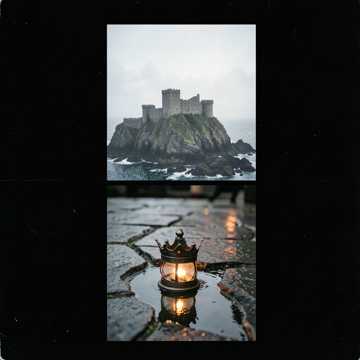
Song of the North Wales Castle
A traditional Welsh-inspired folk ballad portraying a northern castle as a living guardian of history. Through storms, ghosts, sea songs, and fading memories, the song explores heritage, loss, resilience, and the enduring bond between a coastal community and its ancient home.
04:27
2026-09-16
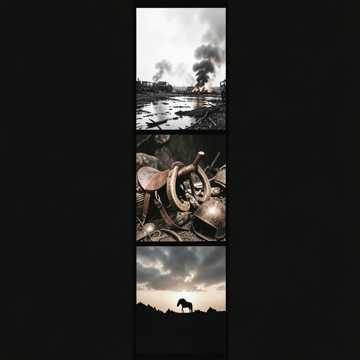
Туалет
Комедийный воевода, разбуженный посреди сна, сначала отказывается идти на битву, но быстро трезвеет и отправляется за наградами. Грубая лексика, абсурд, воинская бравада и сатирический образ жадного героя превращают поход на войну в хип-хоп-фарс.
01:31
2026-09-16
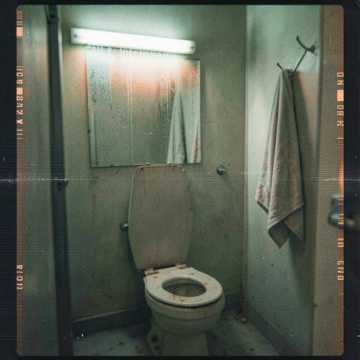
Воевода
Комедийная военная сценка о пьяном и раздражённом воеводе, который не хочет просыпаться, пока его войско сражается. Проснувшись, он бросается в бой ради славы, наград и личного удовольствия, превращая героический пафос в дерзкий сатирический фарс.
02:18
2026-09-16
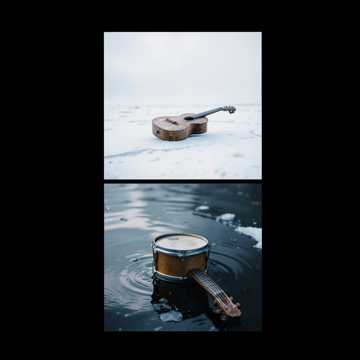
Þingvellir Lute
A spacious Nordic folk instrumental shaped by intimate lute patterns, a free-flowing6/8 pulse, swelling frame drum, bowed strings, and resonant drones. Its cinematic arc moves from solitary stillness to luminous momentum before returning to a quiet, wind-bare close.
03:40
2026-09-15
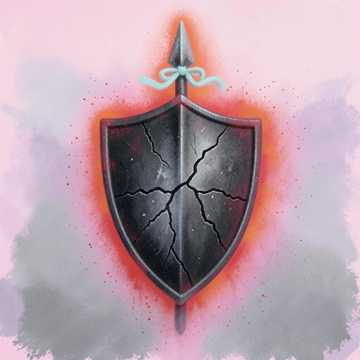
Ride, Black Knight
A battle-scarred knight rides against false kings and tyranny, fighting for ordinary people rather than power. Its driving hard rock sound transforms sacrifice into a defiant anthem of duty, resilience, liberation, and a legacy that survives beyond death.
05:06
2026-09-15
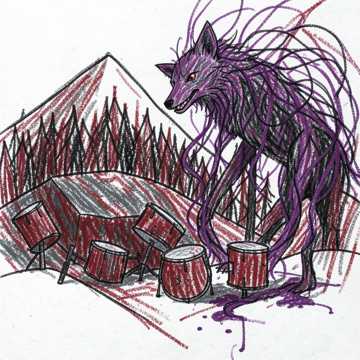
The Wolf in the S5ha
A spectral wolf pack led by the transformed Eirik destroys a desperate Northmen shield wall. Yet the slaughter brings no triumph: the wolves silently guard the fallen, gathering souls for an eternal army between life and death.
03:27
2026-09-14
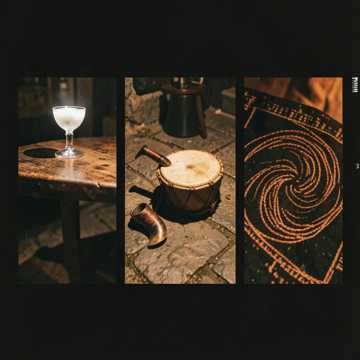
Ah
Une Louve de Champagne croit piéger un Viking normand pour obtenir sa chanson. Le Viking feint l'innocence, retourne son plan et transforme toute la taverne en chœur triomphal célébrant sa ruse.
03:22
2026-09-14

Where the Old Roads Meet
A dignified fantasy anthem about answering an ancient call, carrying a shared vow, and stepping into a journey that changes a realm's future. Baritone-led verses rise into choral choruses, with orchestral fanfares and drums amplifying its heroic resolve.
03:00
2026-09-14
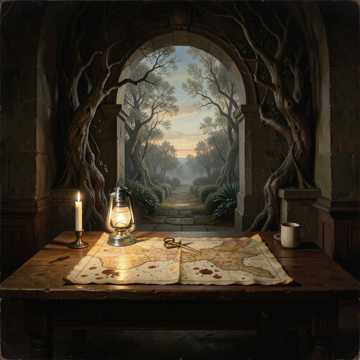
Keeper of the Hidden Hall
A noble keeper journeys through hidden halls, ancient rivers, and vanished lands, guided by patience, courage, and careful listening. Its medieval orchestral atmosphere moves from shadowed mystery toward quiet revelation, suggesting that the kingdom sought beyond the turning gate ultimately exists within the self.
03:58
2026-09-14
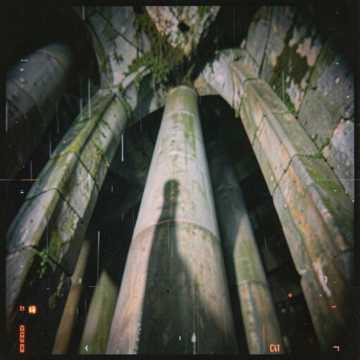
Catacomb Organ
A haunting pipe-organ instrumental that descends into ancient catacombs through minor-key baroque motifs, ominous drones, and dramatic swells. Its suspenseful atmosphere suits dungeon exploration, gothic horror scenes, occult rituals, haunted ruins, tabletop role-playing campaigns, and cinematic moments of mounting dread.
03:20
2026-09-14
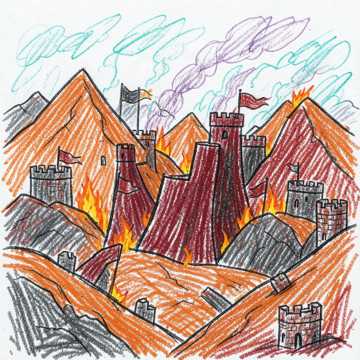
«Хроники Шокворлда»
Хроника становления Шокворлда: кланы строят державы, заключают союзы и ведут войны за земли и влияние. Падение Спарты, появление VOID, передача власти и пробуждение Могущества превращают серверную историю в бесконечную эпическую легенду.
07:27
2026-09-13
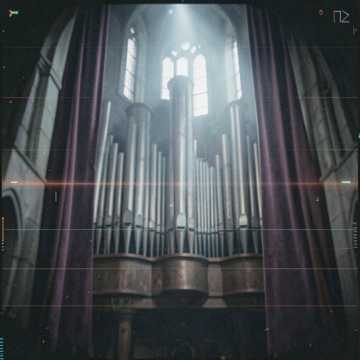
Sombre Écho
Une fresque instrumentale cinématographique, sombre et cérémonielle. L'orgue imposant, les cordes profondes et les ostinatos orchestraux font progresser une tension lente, d'un murmure réverbéré vers un final puissant.
03:09
2026-09-13
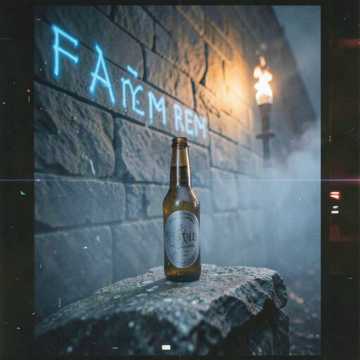
Смисол жизні
Санс мандрує крізь підземелля, замки й світи, шукаючи сенс життя, холодильник і пиво. Похмура міфологія стикається з абсурдом, кулеметом та неоновим Жигулем, а фінальна мораль нагадує: радість, дружба й вірність собі інколи важливіші за великі відповіді.
06:17
2026-09-13

Beyond the Gate
A noble traveler crosses an ancient gateway into a mythic realm, guided by courage, memory, and duty. With castles, mountains, ravens, and awakening kingdoms, the song becomes a stirring anthem about preserving truth, honoring the past, and carrying hope through darkness.
04:19
2026-09-13
Ferro e Silêncio
Uma marcha de guerra sombria e visceral, situada entre muralhas, cinza e sangue. O soldado português enfrenta invasores, medo e destino, sustentado pela fé, pela pátria e pela honra. A fusão de nu metal, fado trágico e atmosferas medievais transforma o combate numa experiência épica e brutal.
04:34
2026-09-13
静かな朝の儀
静かな朝の祈りを思わせる序奏から、琵琶と琴、尺八、弦、太鼓が徐々に重なり、儀礼的な緊張と武の気配を描く。終盤は尺八を中心に内省的な余韻へ戻り、歴史的情景と映画的広がりを両立させている。
03:34
2026-09-12
静かな庭
作品以克制的五声音阶和渐进式呼吸编排,营造温暖、内省的神社庭院氛围。稀疏尺八、琴与琵琶拨弦交织寺铃和木质空间回响,仿佛晨雾中的静庭,适合沉思、冥想与文化场景使用。
03:38
2026-09-12
朝の静けさ
尺八の息遣い、箏の五音音階、琵琶と笙の淡い重なりが、夜明けの神社に満ちる静けさを描く。疎な始まりから穏やかな ceremonial moodへ移ろい、余韻を残して静かに解決するインストゥルメンタル作品。
03:27
2026-09-12
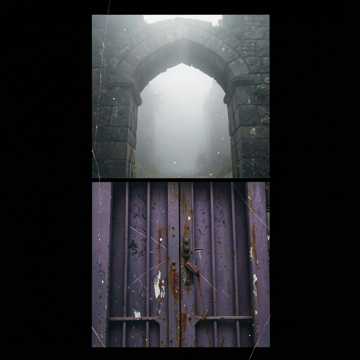
Habitación Desarmada
Una tormenta instrumental de grunge-punk oscuro que combina ecos medievales, piano fracturado, guitarras ásperas, bajos inquietantes y coros explosivos. Su atmósfera evoca una habitación emocionalmente desmantelada, ideal para escenas de ruptura, rebelión, suspense y transformación interior.
03:20
2026-09-12
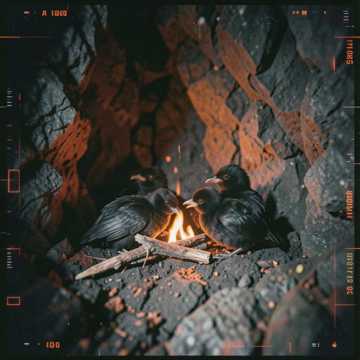
Lamstralen
Een groep stuntelende, dronken ridders trekt een gevaarlijke vulkaan in om een gebroken toverstaf te herstellen. Tegenover hen staan bizarre wezens, een dreigende vijand en een onwaarschijnlijke prinses. Het verhaal combineert epische fantasy, zwarte humor en theatrale metal.
04:38
2026-09-12
Introduction to Medieval Music
Medieval music refers to the music of the Middle Ages, a period that spans from roughly the 5th to the 15th century. This genre of music emerged from the remnants of the Roman Empire and developed into a distinctive form that reflected the social, religious, and cultural transformations of Europe during that time. Medieval music can be broadly divided into two categories: sacred and secular. Sacred music was primarily connected to the church, including Gregorian chant and liturgical pieces, while secular music encompassed folk songs, ballads, and troubadour melodies. The development of notation systems, such as neumes, allowed for the preservation and dissemination of Medieval compositions, setting the foundation for Western music traditions.
Sub-tags and Classifications of Medieval Music
Gregorian Chant
Named after Pope Gregory I, Gregorian Chant is a form of plainchant used in the liturgical services of the Catholic Church. It is characterized by monophonic, unaccompanied vocal music with free-flowing, modal melodies. The chant's rhythm is non-metrical, designed to follow the natural inflections of the Latin text, enhancing the spiritual and meditative aspects of worship.
Troubadour Music
Troubadour music refers to the secular songs composed and performed by poet-musicians in the courts of Southern France, Northern Spain, and Italy during the 12th and 13th centuries. These songs often focused on themes of chivalry and courtly love, characterized by lyrical poetry and melodies. Troubadours played a significant role in shaping the tradition of lyrical composition and storytelling in Western music.
Organum
Organum represents one of the earliest forms of polyphony, where a plainchant melody is accompanied by one or more additional voice parts. Emerging in the 9th century, organum evolved from parallel movement to more complex forms, such as free and melismatic organum. This development marked a significant step towards the intricate polyphonic compositions of the later Medieval period.
Ars Nova
The Ars Nova ('New Art') movement of the 14th century introduced innovations in rhythmic notation, allowing for greater complexity and variation in musical compositions. This era saw the rise of isorhythmic motets and the use of syncopation, which laid the groundwork for the transition from Medieval to Renaissance music. Composers like Philippe de Vitry and Guillaume de Machaut were pioneers of this style, pushing the boundaries of musical form and expression.
Famous Artists and Classic Works in Medieval Music
Hildegard von Bingen
Hildegard von Bingen was a German Benedictine abbess, writer, and composer of the 12th century. She is renowned for her contributions to sacred music, particularly her collection of compositions known as 'Symphonia armoniae celestium revelationum.' Hildegard's works are characterized by soaring melodies and vivid texts, which often drew upon her mystical visions, blending religious devotion with musical innovation.
Messe de Nostre Dame by Guillaume de Machaut
This iconic work is one of the first known polyphonic settings of the complete Mass Ordinary. Composed in the mid-14th century, 'Messe de Nostre Dame' showcases Machaut's mastery of polyphony and rhythmic sophistication. The composition includes movements like the Kyrie and Gloria, characterized by their complex interweaving of vocal lines and innovative use of isorhythmic techniques, which were revolutionary for their time.
Guillaume de Machaut
A leading figure of the Ars Nova movement, Guillaume de Machaut was a French poet and composer of the 14th century. His most famous work, 'Messe de Nostre Dame,' is the earliest known complete setting of the Ordinary of the Mass by a single composer. Machaut's use of intricate polyphony and rhythmic complexity in both sacred and secular music significantly influenced the transition to Renaissance music.
Carmina Burana
Although not strictly a single work but a collection of 13th-century poems set to music, 'Carmina Burana' provides insight into the secular music of the Medieval period. These pieces, written by Goliards—students and clerics—cover topics ranging from satire to love. The vibrant melodies and rhythmic patterns in 'Carmina Burana' highlight the lively and sometimes irreverent spirit of Medieval secular music.
Perotin
Perotin was a prominent composer of the Notre Dame School of polyphony in the late 12th and early 13th centuries. He is known for his development of organum, particularly the composition of multi-voice pieces such as 'Viderunt omnes.' Perotin's works exemplify the early stages of polyphonic music, characterized by their harmonic complexity and structural clarity.
Viderunt omnes by Perotin
A seminal example of early polyphonic music, 'Viderunt omnes' by Perotin is a four-voice organum composed for the Feast of the Circumcision. This work demonstrates the complexity of Notre Dame polyphony, with its layered vocal lines and dynamic interplay of melodic motifs. Perotin's composition illustrates the evolution of Medieval music from monophonic chant to richly textured polyphonic structures.
Application Scenarios for Medieval Music
Medieval music is frequently used in historical and fantasy films to create an authentic atmosphere that transports audiences to the Middle Ages. Films like 'The Name of the Rose' and 'Kingdom of Heaven' utilize Gregorian chants and medieval instrumentals to enhance the storytelling, providing a sense of time and place that aligns with the narrative.
Movie Soundtracks
Many video games set in medieval or fantasy worlds, such as 'The Elder Scrolls' series or 'Assassin's Creed,' incorporate Medieval music into their soundtracks. This genre helps to immerse players in the game environment, evoking the sounds of ancient castles, bustling medieval markets, and epic battles, thus enriching the overall gaming experience.
Video Game Background Music
Medieval music plays a crucial role in themed events such as Renaissance fairs, historical reenactments, and medieval banquets. Performers use traditional instruments like the lute, harp, and hurdy-gurdy to recreate the soundscapes of the Middle Ages, providing an authentic auditory backdrop that enhances the atmosphere and educational value of these events.
Themed Events and Reenactments
The calming and spiritual nature of Gregorian chant and other forms of sacred Medieval music makes it suitable for use in therapeutic and meditation settings. These compositions, with their repetitive structures and soothing harmonies, are often employed to promote relaxation, reduce stress, and aid in mindfulness practices.
Therapeutic and Meditation Settings