Free Orchestral Music Generator Powered by AI
Turn text into high-quality Orchestral music effortlessly – no login required!

music.toolTips
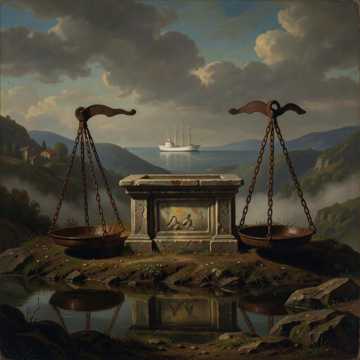
The Quiet Stones
A battle-worn guardian addresses peaceful-looking newcomers arriving in a vast white ship. Though he refuses hatred or submission, he draws an unwavering boundary: his quiet homeland and its vulnerable people will be defended against any harm.
04:09
2 days ago

The Blade Stays Low
A steadfast guardian confronts a peaceful-looking but threatening visitor at his homeland's border. Refusing both submission and needless violence, he keeps his powerful blade lowered while making one boundary unmistakably clear: harm his people, and he will stand alone against it.
04:05
2 days ago

The Blade Stays Low
A steadfast guardian welcomes a peaceful foreign nation while drawing a clear boundary: their people must remain unharmed. Against a dark orchestral backdrop, the song balances diplomacy, hard-won pride, and the restrained strength of someone prepared to defend home.
03:38
2 days ago
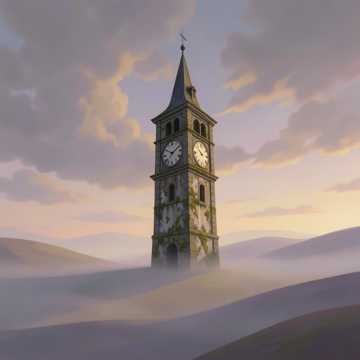
Clocktower Remains
A slow, elegiac orchestral fantasy theme that evokes abandoned clocktowers, lost kingdoms, and suspended time. Intimate piano and English horn phrases expand through strings, harp, restrained brass, and distant choir toward a poignant final ascent.
03:25
2 days ago

Brisk March-Swing
A buoyant orchestral march-swing built around brass fanfares, quick woodwind answers, pizzicato rhythm, and light snare. Its major-key energy and sly chromatic turns evoke animated mischief, escalating into a full-ensemble refrain before a sharp comedic resolution.
02:08
2 days ago
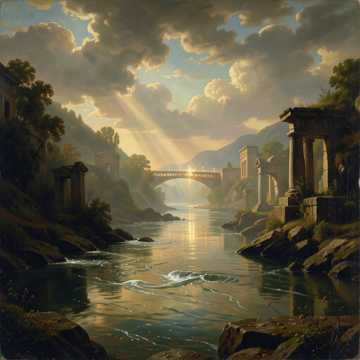
기억의 강을 건너
An instrumental cinematic journey shaped by a slow6/8 pulse. Intimate piano and strings unfold like fading recollections, while woodwinds, choir, harp, and rising brass expand the piece into a radiant, reunion-like finale.
03:28
2 days ago

Ravana Tandav V2
यह तीव्र पौराणिक ताण्डव-गान रावण के उग्र नृत्य और महादेव के विराट, अचल स्वरूप का चित्र रचता है। संस्कृत स्तोत्र, मंत्रोच्चार, युद्धमय तालों और सामूहिक घोष के माध्यम से गीत भय, भक्ति, विस्मय और रुद्र ऊर्जा को चरम तक ले जाता है।
04:38
2 days ago
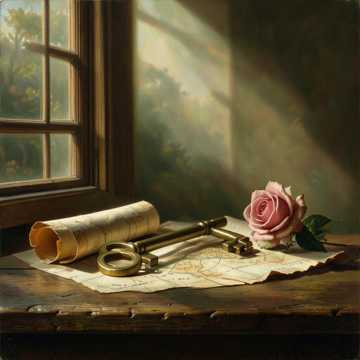
John’s Got a Plan
A buoyant, reassuring song about John, a knowledgeable real estate professional who guides clients from first conversation to new keys. Its warm, celebratory sound frames home buying as a hopeful transition built on trust, care, and well-timed expertise.
02:59
Invalid date

Breezy Horizons
A breezy, contemporary indie-travel instrumental that turns open landscapes and moving journeys into sound. Gentle piano and acoustic guitar establish warmth, while a gradual orchestral lift creates an optimistic sense of discovery, freedom, and forward motion.
05:00
3 days ago

First Meadow
A buoyant orchestral fantasy instrumental that opens with quiet wonder, then gathers playful motion and uplifting grandeur. Its6/8 rhythm, sparkling textures, and full-ensemble finale evoke the discovery of a peaceful meadow at the beginning of an adventure.
02:43
3 days ago
fghhhhhhhh
A defiant spacefaring anthem follows humanity's surviving fleet as warriors, leaders, and families endure relentless pursuit. Driven by faith, sacrifice, and the promise of Earth, the song transforms grief for a lost home into a collective vow to fight on.
06:20
3 days ago
fhfgh
A defiant spacefaring anthem follows humanity's last survivors as warriors, commanders, and families endure relentless pursuit. Guided by faith and the promise of Earth, they transform grief, sacrifice, and fear into collective resolve.
05:34
3 days ago

fghdfh
A defiant space-opera anthem following survivors as they flee relentless enemies, mourn their lost home, and pursue Earth. Heroic leaders, loyal fighters, and fragile families unite beneath a swelling female vocal to protect humanity's final hope.
06:04
3 days ago

dfgdfg
A triumphant space-opera anthem following humanity's last survivors as they resist relentless enemies, honor fallen heroes, and pursue Earth. Female vocals, choir, driving percussion, and swelling orchestration turn loss, faith, and collective resolve into a rallying cry.
06:34
3 days ago

gf
A sweeping science-fiction battle anthem follows a scattered fleet fleeing destruction, guided by warriors, faith, and the dream of Earth. Through sacrifice, family, prophecy, and relentless pursuit, humanity transforms grief into courage and vows to survive together.
07:29
3 days ago
gghhhhhhhhhh
A cinematic survival anthem follows a scattered human fleet fleeing relentless mechanical enemies while warriors, commanders, families, and children pursue the legendary promise of Earth. Driven by emotional female vocals, choral grandeur, and steadfast faith, the song transforms grief, sacrifice, and uncertainty into collective hope.
06:28
3 days ago

Vintage Whimsy
A gentle vintage cinematic instrumental that unfolds like a charming illustrated tale. Soft piano and bell tones invite quiet wonder before buoyant strings and whimsical woodwinds create a graceful, nostalgic lilt.
02:38
3 days ago

dfghfddd
A triumphant space-opera anthem about a surviving human fleet fighting relentless enemies, honoring fallen heroes, and following faith, leadership, and courage toward the promised refuge of Earth.
06:42
3 days ago

EAU, VAGUE, HARMONIE
Portée par une voix masculine et un orchestre classique, la chanson transforme la mer en symbole de conscience écologique. Entre ferveur lyrique et inquiétude face à la marchandisation du monde, elle appelle à préserver la Terre par l'écoute, le mouvement et l'harmonie.
01:39
3 days ago

LMXØ — Bienvenue dans la famille
Un hymne d'accueil rap sombre et émotionnel où Tom2s et Noxën ouvrent leur collectif à LMXØ. Porté par la fraternité, les blessures surmontées et l'ambition commune, le titre transforme une arrivée artistique en promesse de loyauté durable.
03:57
3 days ago
Introduction to Orchestral: Definition and History
Orchestral music refers to compositions specifically created for an orchestra, a large ensemble of musicians divided into sections based on the type of instrument: strings, woodwinds, brass, and percussion. The origins of orchestral music trace back to the early Baroque period in the 17th century, where the modern orchestra began to take shape with the works of composers like Claudio Monteverdi. Over time, orchestral music evolved significantly, with the Classical period, led by figures like Wolfgang Amadeus Mozart and Ludwig van Beethoven, establishing the structure and form commonly associated with orchestral works today. The Romantic era further expanded the size of the orchestra and introduced more complex and expressive compositions. Orchestral music continues to be a cornerstone of classical music and has found its place in modern media, including film, television, and video games.
Sub-tags and Classifications within Orchestral Music
Symphonic
Symphonic music is a major sub-tag of orchestral music, characterized by large-scale works typically divided into multiple movements. Symphonies are a staple of the orchestral repertoire, often composed to explore a wide range of emotions and themes. Famous symphonic works include Beethoven's Symphony No. 9 and Tchaikovsky's Symphony No. 6.
Chamber Orchestra
Chamber orchestra refers to a smaller ensemble of musicians, often performing more intimate compositions. This sub-tag includes works that are composed for smaller spaces and typically involve fewer instruments. Examples include Mozart's Eine kleine Nachtmusik and Barber's Adagio for Strings.
Concertos
Concertos are orchestral works that feature a solo instrument or a group of solo instruments contrasted with the full orchestra. This sub-tag highlights the virtuosic interplay between the soloist(s) and the ensemble. Iconic concertos include Vivaldi's The Four Seasons and Rachmaninoff's Piano Concerto No. 2.
Ballet and Opera Orchestras
This classification involves orchestral music composed specifically for ballet and opera performances. The orchestra plays a critical role in setting the mood, supporting vocal performances, and enhancing the narrative. Examples include Tchaikovsky's The Nutcracker Suite and Wagner's The Ring Cycle.
Film Scores
Film scores represent a modern application of orchestral music, where composers create soundtracks to enhance the emotional and narrative elements of movies. Iconic film scores include John Williams' music for Star Wars and Hans Zimmer's score for Inception.
Famous Artists and Iconic Works in Orchestral Music
Ludwig van Beethoven
Beethoven is one of the most influential figures in orchestral music, known for his innovative approach to symphonic form and emotional depth. His Symphony No. 9, featuring the 'Ode to Joy,' is a landmark in orchestral composition, blending voices with the orchestra in a powerful expression of human unity and triumph.
Beethoven's Symphony No. 5
Symphony No. 5 is one of the most recognized and frequently performed orchestral works in the world. Its famous four-note motif is known worldwide, and the symphony as a whole is celebrated for its dynamic contrasts, innovative use of form, and powerful emotional impact.
Igor Stravinsky
Stravinsky revolutionized orchestral music with his bold use of rhythm, harmony, and structure. His work The Rite of Spring is a seminal piece that broke new ground in orchestration and is famous for its complexity and the riot it caused at its premiere in 1913.
Tchaikovsky's Swan Lake
Swan Lake is a ballet score that has become a staple of the orchestral repertoire. Tchaikovsky's music is renowned for its expressive melodies, rich orchestration, and ability to convey the drama and romance of the ballet. The suite derived from this score is frequently performed in concert settings.
John Williams
John Williams is a modern master of orchestral music, best known for his work in film scores. His compositions for movies such as Star Wars, Jurassic Park, and Harry Potter have become iconic, showcasing his ability to create memorable themes and evoke powerful emotions through orchestration.
Stravinsky's The Firebird
The Firebird is one of Stravinsky's early masterpieces, blending Russian folk music with innovative orchestration. This orchestral work, originally composed for the ballet, is notable for its vivid depiction of the story through music and its use of color and texture to create a magical atmosphere.
Application Scenarios for Orchestral Music
Orchestral music is widely used in film soundtracks to enhance the emotional depth and narrative of movies. Composers like John Williams and Hans Zimmer have used orchestral scores to create iconic soundtracks that are integral to the films' identities, such as the Star Wars series and Inception.
Film Soundtracks
In the gaming industry, orchestral music is employed to create immersive and dynamic soundscapes. Games like The Legend of Zelda and Final Fantasy series have memorable orchestral scores that play a key role in enhancing the player's experience.
Video Game Music
Orchestral music is a staple of live performances in concert halls around the world. Symphonies, concertos, and other orchestral works are performed by professional ensembles to large audiences, showcasing the art of live orchestration and interpretation.
Live Performances
Orchestral music is also used in advertising to evoke a sense of grandeur, elegance, or emotional impact. Companies often use orchestral compositions to make their ads more memorable and impactful, helping to associate their brands with these positive attributes.
Advertising