Free Orchestral Music Generator Powered by AI
Turn text into high-quality Orchestral music effortlessly – no login required!

music.toolTips
army
A bold cinematic hip-hop anthem that transforms ridicule into power. Dark, sarcastic rap confronts relentless critics, while the soaring chorus asks why detractors keep watching and talking. Seven voices and a worldwide community reclaim one name as a symbol of resilience.
02:54
3 days ago
Հանելուկ արև
Կենսախինդ մանկական հանելուկ-երգ, որտեղ արևի ամենօրյա ծնունդն ու մարումը ներկայացվում են որպես կախարդական կյանքի շրջան։ Նուրբ լարվածությունից հետո երկու վայրկյան դադարն ընդգծում է վերջնական, ուրախ բացահայտումը՝ Արևը։
00:35
3 days ago

Moonlit Ascent
A cinematic instrumental that moves from intimate harp and distant strings to an expansive orchestral climax, then returns to fragile flute and shimmering harmonics. Its elegant rise evokes courage, wonder, and a solitary ascent beneath a moonlit sky.
03:43
Invalid date

Crown of Ashes
An instrumental medieval epic that rises from solitary harp and distant atmosphere into a powerful orchestral climax. Its shifting textures evoke a fallen kingdom, private grief, gathering resolve, and the solemn weight of a crown earned through loss.
03:59
Invalid date
Black Flag Overture
A fast, dramatic instrumental overture that follows a lone fiddle into a full-scale nautical charge. Galloping strings, brass swells, taikos, accordion, and acoustic folk textures create a heroic pirate adventure with a stripped-back bridge and thunderous final return.
03:10
3 days ago

Pursuit of David
A slow-burning orchestral narrative portraying David’s pursuit through Saul’s jealousy, danger, sorrow, and eventual hope. Haunting harp and misty strings establish mystery, while ancient drums, dark brass, cello, piano, and majestic horns create a dramatic biblical atmosphere suited to film, games, trailers, and reflective storytelling.
03:46
3 days ago
Iron Gate Psalm
A brooding instrumental siege hymn built on slow percussion, low strings, sharp hurdy-gurdy patterns, and swelling brass. Choral layers and cavernous reverb turn its escalating march into an ominous medieval fantasy soundtrack for war, ritual, and fallen kingdoms.
03:17
Invalid date

Death of a Friend
A sorrowful cinematic instrumental shaped by orchestral strings, harp, and flute. Its heart-wrenching atmosphere evokes the shock of farewell, intimate remembrance, and the slow, tender weight of mourning a cherished friend.
03:24
Invalid date

Death of a Friend
A sorrowful cinematic instrumental shaped as a medieval farewell. Orchestral strings carry the grief, while harp and flute add fragile moments of memory, loss, and quiet remembrance.
03:28
Invalid date
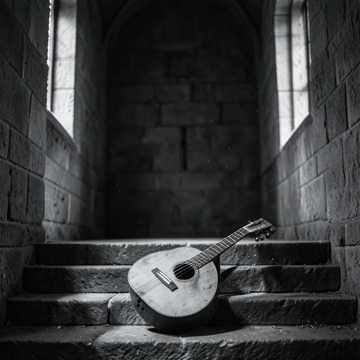
Dragon Hall Overture
A cinematic medieval fantasy overture that moves from intimate, questing lute passages into radiant orchestral triumph. Driving6/8 percussion, soaring violin melodies, brass fanfares, and dramatic swells create the feeling of entering a great hall before an epic adventure.
03:30
Invalid date
Ich seh dich, auch wenn du gehst
Ein Mann ringt nach einer Trennung mit kreisenden Gedanken, innerer Leere und dem Verlust seines Selbstbildes. Zwischen düsterer Selbstbeobachtung und emotionalem Zusammenbruch erkennt er, dass Loslassen kein Verrat ist, sondern der erste Schritt zurück zu sich selbst.
05:28
3 days ago
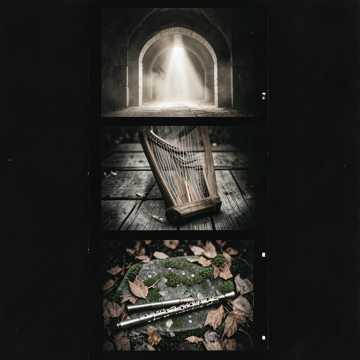
Friends in Peril
An instrumental medieval-cinematic piece shaped by grief and tension. Strings carry the weight of danger, while harp and flute add tenderness, memory, and a quiet sense of hope between friends confronting adversity.
03:25
Invalid date

Bir Bayraq, Bir Nəfəs
Mahnı Bakıdan Xəzərə, dağlardan doğma torpağa uzanan yurd sevgisini tərənnüm edir. Birlik, məsuliyyət və gələcəyə ümid əsas xəttdir; marş ritmi, qüdrətli kişi vokalı və kütləvi xor bu duyğunu mərasim ruhunda yüksəldir.
03:00
Invalid date
Ayeraye ni O
Orin ìjọ́sìn Afro-gospel yìí ń gbé àìyípadà Ọlọ́run, ìjọba Rẹ̀ tí kò lópin àti ọlá Rẹ̀ ga. Ó bẹ̀rẹ̀ pẹ̀lú ìrẹ̀lẹ̀, ó sì ń dàgbà sí ayẹyẹ choir ńlá pẹ̀lú Yoruba, English àti Nigerian Pidgin.
03:19
3 days ago
The M stands for menace
A flamboyant rock narrative follows Tom from childhood fascination with nuclear science to high-stakes meetings and industry recognition. Beneath its swaggering humour, the song celebrates persistence, invention, and the defiant joy of pursuing impossible ambitions.
06:08
3 days ago
Dormez, guerrières
Cette élégie rend hommage à des guerrières disparues dont le courage survit dans les villages, les champs et la mémoire collective. Portée par une procession orchestrale et chorale, elle transforme le deuil en promesse de transmission pour les générations futures.
02:58
3 days ago
3
Absurdalna, celowo obsceniczna opowieść o Patryku Smyczu walczącym z rozpadającym się domem, bałaganem, lokatorami i niekończącymi się katastrofami remontowymi. Podniosła, mitologiczna oprawa kontrastuje z przyziemnym chaosem, tworząc groteskowy hymn o przetrwaniu.
05:30
3 days ago
А ТЕЛО
Мрачная апокалиптическая баллада рисует мир, поглощённый насилием, гордыней и безумием. Лирический герой наблюдает духовное падение человечества: тело сгорает, душа покидает землю, однако путь к раю закрыт. Музыка постепенно вырастает от интимной исповеди до трагического метал-гимна.
04:00
3 days ago

Ashes on Her Sleeve
An instrumental cinematic ballad that traces quiet sorrow into cathartic resolve. Sparse minor-key strings, distant drums, piano echoes, and a restrained guitar motif gradually expand into a full orchestral climax, evoking loss, memory, and the strength to continue.
03:34
3 days ago

А ТЕЛО
Апокалиптическая композиция рисует мир, охваченный насилием, гордыней и духовным падением. Герой наблюдает торжество зла, пустынную землю и неотвратимый посмертный суд, где телесная гибель не приносит душе спасения.
04:27
3 days ago
Introduction to Orchestral: Definition and History
Orchestral music refers to compositions specifically created for an orchestra, a large ensemble of musicians divided into sections based on the type of instrument: strings, woodwinds, brass, and percussion. The origins of orchestral music trace back to the early Baroque period in the 17th century, where the modern orchestra began to take shape with the works of composers like Claudio Monteverdi. Over time, orchestral music evolved significantly, with the Classical period, led by figures like Wolfgang Amadeus Mozart and Ludwig van Beethoven, establishing the structure and form commonly associated with orchestral works today. The Romantic era further expanded the size of the orchestra and introduced more complex and expressive compositions. Orchestral music continues to be a cornerstone of classical music and has found its place in modern media, including film, television, and video games.
Sub-tags and Classifications within Orchestral Music
Symphonic
Symphonic music is a major sub-tag of orchestral music, characterized by large-scale works typically divided into multiple movements. Symphonies are a staple of the orchestral repertoire, often composed to explore a wide range of emotions and themes. Famous symphonic works include Beethoven's Symphony No. 9 and Tchaikovsky's Symphony No. 6.
Chamber Orchestra
Chamber orchestra refers to a smaller ensemble of musicians, often performing more intimate compositions. This sub-tag includes works that are composed for smaller spaces and typically involve fewer instruments. Examples include Mozart's Eine kleine Nachtmusik and Barber's Adagio for Strings.
Concertos
Concertos are orchestral works that feature a solo instrument or a group of solo instruments contrasted with the full orchestra. This sub-tag highlights the virtuosic interplay between the soloist(s) and the ensemble. Iconic concertos include Vivaldi's The Four Seasons and Rachmaninoff's Piano Concerto No. 2.
Ballet and Opera Orchestras
This classification involves orchestral music composed specifically for ballet and opera performances. The orchestra plays a critical role in setting the mood, supporting vocal performances, and enhancing the narrative. Examples include Tchaikovsky's The Nutcracker Suite and Wagner's The Ring Cycle.
Film Scores
Film scores represent a modern application of orchestral music, where composers create soundtracks to enhance the emotional and narrative elements of movies. Iconic film scores include John Williams' music for Star Wars and Hans Zimmer's score for Inception.
Famous Artists and Iconic Works in Orchestral Music
Ludwig van Beethoven
Beethoven is one of the most influential figures in orchestral music, known for his innovative approach to symphonic form and emotional depth. His Symphony No. 9, featuring the 'Ode to Joy,' is a landmark in orchestral composition, blending voices with the orchestra in a powerful expression of human unity and triumph.
Beethoven's Symphony No. 5
Symphony No. 5 is one of the most recognized and frequently performed orchestral works in the world. Its famous four-note motif is known worldwide, and the symphony as a whole is celebrated for its dynamic contrasts, innovative use of form, and powerful emotional impact.
Igor Stravinsky
Stravinsky revolutionized orchestral music with his bold use of rhythm, harmony, and structure. His work The Rite of Spring is a seminal piece that broke new ground in orchestration and is famous for its complexity and the riot it caused at its premiere in 1913.
Tchaikovsky's Swan Lake
Swan Lake is a ballet score that has become a staple of the orchestral repertoire. Tchaikovsky's music is renowned for its expressive melodies, rich orchestration, and ability to convey the drama and romance of the ballet. The suite derived from this score is frequently performed in concert settings.
John Williams
John Williams is a modern master of orchestral music, best known for his work in film scores. His compositions for movies such as Star Wars, Jurassic Park, and Harry Potter have become iconic, showcasing his ability to create memorable themes and evoke powerful emotions through orchestration.
Stravinsky's The Firebird
The Firebird is one of Stravinsky's early masterpieces, blending Russian folk music with innovative orchestration. This orchestral work, originally composed for the ballet, is notable for its vivid depiction of the story through music and its use of color and texture to create a magical atmosphere.
Application Scenarios for Orchestral Music
Orchestral music is widely used in film soundtracks to enhance the emotional depth and narrative of movies. Composers like John Williams and Hans Zimmer have used orchestral scores to create iconic soundtracks that are integral to the films' identities, such as the Star Wars series and Inception.
Film Soundtracks
In the gaming industry, orchestral music is employed to create immersive and dynamic soundscapes. Games like The Legend of Zelda and Final Fantasy series have memorable orchestral scores that play a key role in enhancing the player's experience.
Video Game Music
Orchestral music is a staple of live performances in concert halls around the world. Symphonies, concertos, and other orchestral works are performed by professional ensembles to large audiences, showcasing the art of live orchestration and interpretation.
Live Performances
Orchestral music is also used in advertising to evoke a sense of grandeur, elegance, or emotional impact. Companies often use orchestral compositions to make their ads more memorable and impactful, helping to associate their brands with these positive attributes.
Advertising