Free Soviet Era Music Generator Powered by AI
Turn text into high-quality Soviet Era music effortlessly – no login required!

music.toolTips

Boots of Clay
A theatrical march through an enchanted, threatening forest, the song transforms resistance into ritual. Its iron-hearted narrator refuses domination, advances through winter and bramble, and turns fear into collective momentum through bold brass, boot-step rhythms, and a fierce cabaret-rock climax.
03:26
Invalid date

Through the Everfree
A determined group crosses a frozen, shadowed forest, drawing courage from shared song and steady movement. Sparse folk textures grow into brass, drums, strings, and guitars, turning hardship into a collective, triumphant march.
03:22
Invalid date

Through the Greenwood
A determined procession moves through a shadowed forest, gathering strength from communal rhythm and ancient trees. Its measured opening grows into a forceful folk-rock march, rejecting domination and celebrating resilience, solidarity, freedom, and the enduring wildness of the land.
03:07
Invalid date

Where the Fir Trees Spread
'Where the Fir Trees Spread' is a powerful theatrical folk rock anthem about comradeship, resilience, and unyielding courage. Driven by steady marching percussion, vibrant brass, and grand ensemble vocals, it paints a cinematic journey of unity braving the cold wilderness together.
03:38
Invalid date

March on, Comrades
'March on, Comrades' is a defiant, epic marching rock anthem combining theatrical Soviet-era brass, traditional bayan, and heavy guitars. It tells the story of an indomitable column advancing through rugged wilderness, celebrating unwavering solidarity, resilience, and the relentless pursuit of freedom against all odds.
04:17
Invalid date
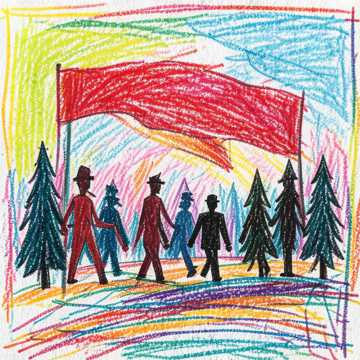
March Through Everfree
A stern, cinematic procession advances through the frozen Everfree Forest, combining military rock, Russian folk colors, and dramatic marching rhythms. Red banners, disciplined ranks, and Stalin’s looming presence create a surreal anthem of defiance, authority, endurance, and dark theatrical grandeur.
03:16
Invalid date

Through the Everfree
A band of travelers marches through a threatening forest, transforming cold, fear, and darkness into collective resolve. Rising from a sparse woodland opening to a jubilant communal chorus, the song celebrates solidarity, endurance, and the belief that action can bring morning.
03:39
Invalid date
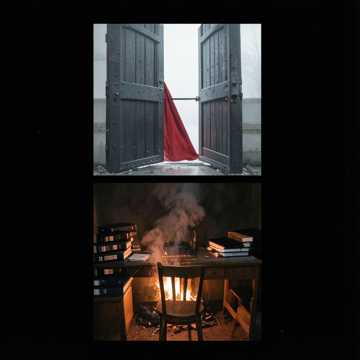
Down in the Fire
A fallen ruler enters a fiery tribunal where maps, ledgers, and the dead expose his crimes. With dark humor and defiant marching energy, the song turns political power into a reckoning, stripping away crowns, excuses, and monuments until only responsibility remains.
03:42
Invalid date
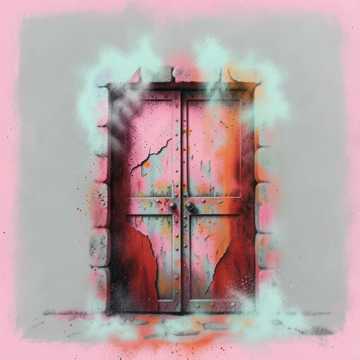
Vanished King
A vanished ruler enters a furnace-like afterlife expecting authority, but discovers that crowns, commands, and walls hold no power beyond death. Through martial rhythms, choral responses, and cabaret drama, the song becomes a stark judgment of tyranny, isolation, and the collapse of absolute power.
03:18
Invalid date
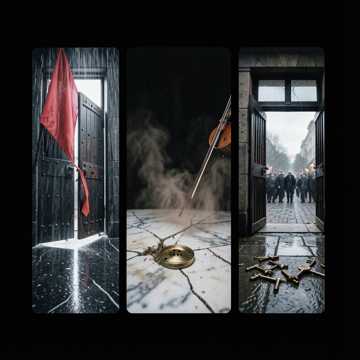
The Red Flag Climbs
A furnace-forged outsider leads workers and guards against a silent throne, raising a red flag through marching drums and communal voices. The victory turns inward as he rejects personal rule, leaving the gates open and power with the people.
03:12
Invalid date
March Through the Fire
A soldier-like figure marches through a hellish landscape as empires, authority, and oppression collapse around him. Combining ritualistic imagery with militant rhythm, the song becomes a fiery anthem of resistance, mortality, collective defiance, and the inability of any throne to possess what survives the flames.
03:40
Invalid date
Step Into the Fire
A disgraced General enters a furnace-like realm where medals, commands, and military glory lose all meaning. Through ominous drums, folk strings, and a rising rock march, the song becomes a theatrical reckoning with tyranny, erased lives, obedience, and the silence left after war.
03:40
Invalid date
Всё в игрушку
Песня соединяет зависимость от интернет-видео с воспоминанием о военном параде. Юные лица солдат, стареющих за кадром, становятся символом утраченного времени, исторической памяти и внутренней молодости, которая сохраняется даже тогда, когда исчезает целая эпоха.
05:24
13 hours ago
Бомж
Песня соединяет драматичный рассказ о бездомности, голоде и социальной уязвимости с яркой евродэнс-энергией. Хриплые куплеты, мощный женский припев, синтезаторы и гитара превращают тяжелую историю в горько-ироничный гимн выживанию, где отчаяние соседствует с достоинством, самоиронией и мечтой о простой человеческой свободе.
05:26
14 hours ago
Бомж
Мрачная история бездомного старика, потерявшего дом и документы, но сохранившего чувство собственного достоинства. Индустриальный техно-рок подчёркивает его голод, одиночество, горькую иронию и ежедневную борьбу за простые вещи: хлеб, тепло и право вернуться домой.
06:10
15 hours ago
Down in the Furnace
A fallen marshal enters a furnace where empires, crowns, and old hierarchies collapse. Through marching rhythms and communal folk energy, the nameless reclaim their voices, transforming disciplined ranks into a collective force that no single ruler can command.
03:03
Invalid date
Where the Ledgers Burn
A condemned ruler enters an infernal hall and confronts the voices erased by his command. As folk-dance rhythms and marching rock intensify, the song frames justice as an unavoidable reckoning where silenced victims reclaim their names.
03:36
Invalid date
Stalin at the Gates of Hell
Stalin reaches the gates of Hell carrying the orders and ledger of his rule, only to face the names erased by his command. Through a rising marching-rock arrangement, the song transforms historical terror into a forceful reckoning with silence, remembrance, justice, and collective healing.
03:12
Invalid date
What If Stalin Appeared in
The song stages Stalin's arrival in Hell as a stark political parable. Surrounded by workers, chains, and obedient ranks, he discovers that authority cannot survive without submission. Its slow, tense opening grows into a forceful march celebrating collective resistance, freedom, and a future beyond the rule of one man.
03:23
Invalid date
Welcome Below, Commander
A fallen commander enters a symbolic underworld and confronts the voices, names, and soldiers harmed by his rule. Soviet-era brass, balalaika color, stomping rock, and a forceful male vocal build a theatrical indictment of tyranny and a declaration of popular power.
03:18
Invalid date
Introduction to Soviet Era Music
Soviet Era music refers to the body of musical works produced in the Soviet Union from its establishment in 1922 until its dissolution in 1991. This period was marked by a unique blend of traditional Russian influences, socialist realism, and avant-garde experimentation. Soviet Era music often served as a tool for propaganda, embodying the ideals of the Communist Party, but also witnessed significant artistic innovation. From classical compositions to folk adaptations and pop music, Soviet Era music is characterized by its diversity, ideological influence, and the distinct socio-political context in which it was created.
Sub-tags and Classifications in Soviet Era Music
Classical and Orchestral Music
This sub-tag encompasses the works of Soviet composers who adhered to or developed upon classical traditions. Notable figures include Dmitri Shostakovich, Sergei Prokofiev, and Aram Khachaturian, whose symphonies, operas, and ballets often reflected the tension between personal expression and state-imposed themes of socialist realism.
Folk and Ethnic Music
Soviet Era music also saw a revival and reinterpretation of traditional folk music. Composers and musicians collected and adapted folk songs from various Soviet republics, incorporating them into classical forms or using them as foundations for new compositions. This sub-tag highlights the efforts to unify diverse cultural expressions within the Soviet framework.
Popular and Mass Songs
Under the Soviet regime, music for the masses played a crucial role in propaganda. Popular songs, known as 'mass songs,' were often composed to promote socialist values, celebrate labor, or commemorate historical events. These songs were widely broadcast and performed, becoming a staple in Soviet public life.
Jazz and Avant-Garde
Although initially suppressed, jazz found a foothold in the Soviet Union by the mid-20th century. Avant-garde and experimental music also emerged, challenging the boundaries of traditional Soviet music. These genres provided an outlet for musicians to explore new sounds and ideas, sometimes pushing against the limitations of state censorship.
Famous Artists and Works of the Soviet Era
Dmitri Shostakovich
Shostakovich is one of the most prominent Soviet composers, known for his complex symphonies and chamber works. His music often reflected the political struggles of the Soviet era, navigating the fine line between conformity and dissent. Works such as his Symphony No. 5 and String Quartet No. 8 are considered masterpieces.
Symphony No. 7 'Leningrad' by Dmitri Shostakovich
This symphony, composed during World War II, is a powerful testament to the resilience of the Soviet people. It combines grand orchestration with poignant melodies, symbolizing the struggle and eventual triumph over fascism. The 'Leningrad' symphony became an emblem of Soviet patriotism and artistic defiance.
Sergei Prokofiev
Prokofiev's contributions to Soviet music include operas, ballets, symphonies, and concertos. His works, such as the ballet 'Romeo and Juliet' and the opera 'War and Peace,' are noted for their lyrical beauty, innovative orchestration, and narrative strength, reflecting both his classical training and modern sensibilities.
Romeo and Juliet by Sergei Prokofiev
Prokofiev's ballet adaptation of Shakespeare's play is celebrated for its emotional depth, dramatic intensity, and innovative choreography. The music is rich with melodic beauty, rhythmic drive, and expressive orchestration, making it one of the most beloved ballets of the 20th century.
Aram Khachaturian
Khachaturian, an Armenian Soviet composer, is famous for his vibrant and energetic compositions that often draw on Armenian folk music. His ballet 'Spartacus' and the 'Sabre Dance' from the ballet 'Gayane' are iconic examples of his distinctive style.
Sabre Dance by Aram Khachaturian
A part of the ballet 'Gayane,' the 'Sabre Dance' is a fast-paced, exhilarating piece that has become one of the most recognizable works in Soviet music. Its vigorous rhythm and lively energy capture the spirit of Armenian folk traditions and the broader Soviet cultural milieu.
Application Scenarios for Soviet Era Music
Soviet Era music, with its rich emotional content and dramatic themes, is often used in film soundtracks to evoke a sense of history, tension, or patriotism. For example, Shostakovich's symphonies are frequently employed in films depicting war or historical drama.
Movie Soundtracks
The use of Soviet Era music in advertising can convey a sense of nostalgia, strength, or cultural identity. Mass songs or upbeat folk tunes are particularly effective in commercials aiming to evoke a communal or traditional feel.
Advertising Music
In video games, Soviet Era music can enhance the atmosphere, particularly in games set in historical or dystopian settings. The dramatic and often intense nature of this music makes it suitable for creating immersive experiences in strategic or narrative-driven games.
Game Background Music