Free Soviet Era Music Generator Powered by AI
Turn text into high-quality Soviet Era music effortlessly – no login required!

music.toolTips
Советский Гостинец! (5)
Военно-индустриальный фолк-метал трек сочетает агрессивную сатиру на милитаризм с образом разрушительной силы и финальным призывом к миру. Контраст мужского командного вокала, женской мелодичности, балалайки и баяна превращает композицию в мрачный сценический манифест.
05:22
2026-09-21

Red Umbrella
Red Umbrella is an instrumental synth-pop ballad shaped by rain ambience, electric piano, warm analog textures, soft strings, and a bright drum-machine pulse. Its Soviet-era melancholy gradually opens into glossy, nostalgic pop uplift, evoking quiet reflection, romantic memories, and hope after emotional distance.
03:18
2026-09-16
Петроград, наш наряд
Торжественная песня-марш воспевает Петроград как символ коллективного труда, товарищества и надежды. Образы заводов, Невы, полей и северного ветра соединяются в мощном призыве идти вперёд плечом к плечу.
03:01
2026-09-16
Был бы рад я команде Тимуровой...
Песня вспоминает довоенное детство, деревенские вечера, честные мальчишеские драки и бескорыстную помощь. Образ команды Тимуровой становится символом утраченного товарищества, которого лирическому герою особенно не хватает в настоящем.
02:30
2026-09-14
Был бы рад я команде Тимуровой...
Песня возвращает слушателя в довоенное советское детство: к босоногим играм, самоварным вечерам, музыке, честным дракам и взаимопомощи. Светлая ностальгия постепенно омрачается ощущением утраты: герой мечтает о команде Тимуровой, но понимает, что её больше нет.
03:11
2026-09-14
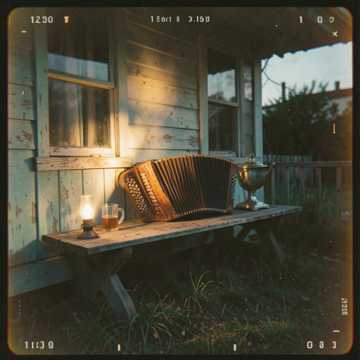
Был бы рад я команде Тимуровой...
Песня возвращает слушателя в довоенные и послевоенные годы: босоногое детство, деревенские станции, самоварные вечера, честные драки и бескорыстную помощь. Нежная ностальгия постепенно сменяется горечью по исчезнувшей команде Тимуровой, символу товарищества и добра.
02:45
2026-09-14
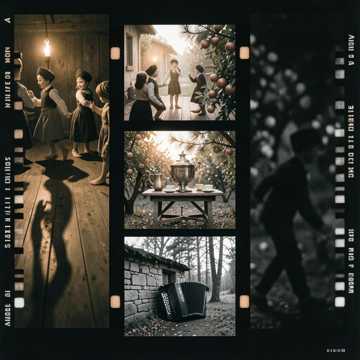
Был бы рад я команде Тимуровой...
Песня вспоминает беззаботное довоенное детство, деревенские вечера, честные игры и взаимопомощь. На фоне нежного военного вальса герой тоскует по команде Тимуровой как символу искренней дружбы, самоотверженности и исчезнувшего мира.
02:50
2026-09-14

ATOMGRAD - khvostov (AIM session) metallic
A slow, atmospheric electronic composition where metallic whispers, analogue tape grain, cosmic Moog patterns, and clipped snares create a stark industrial landscape. Its restrained darkwave frame and modal shifts evoke Soviet-era futurism, abandoned machinery, nocturnal travel, and cinematic introspection.
03:38
2026-09-13

ATOMGRAD - khvostov (AIM session)
Инструментальная электронная композиция без вокального текста: медленный подвешенный пульс, космические арпеджио Moog, резкие удары малого барабана и металлический хор формируют холодный, загадочный саунд с эстетикой советской аналоговой эпохи.
03:59
2026-09-13
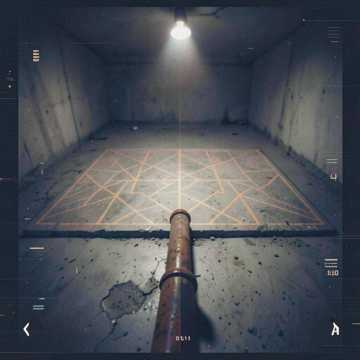
ATOMGRAD - khvostov (AIM session)
An austere experimental electronic piece shaped by whispered alto fragments, robotic choral punctuation, cosmic Moog sequences, modal movement, and tape-worn Soviet ambience. Its slow suspended pulse creates a cinematic atmosphere of isolation, machinery, orbiting memory, and restrained industrial tension.
04:08
2026-09-13
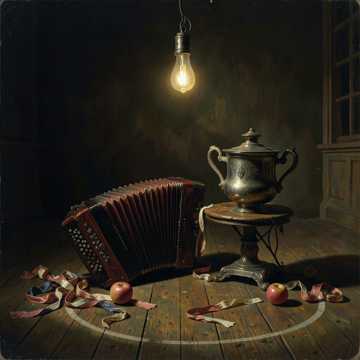
Был бы рад я команде Тимуровой...
Трогательная песнь-воспоминание о предвоенном советском детстве, где сквозь уют самоварных вечеров и звуки аккордеона проступает тихая тоска по утраченной чистоте, искренности и духу тимуровской взаимопомощи. Мелодичный вальс погружает в атмосферу светлой меланхолии.
04:00
2026-09-13
Был бы рад я команде Тимуровой...
Песня представляет собой ностальгическое воспоминание о предвоенном детстве, тихом уюте подмосковных деревень и искренней детской дружбе. Пронзительный вальс в стиле 60-х с аккордеоном и гитарой передаёт светлую тоску по ушедшей эпохе тимуровцев, честности и бескорыстной помощи.
03:19
2026-09-13
Был бы рад я команде Тимуровой...
Песня возвращает слушателя в довоенное советское детство: к босоногим детям, самоварным вечерам, деревенским станциям и честным поступкам. Образ команды Тимура становится символом утраченной коллективной доброты, вызывая светлую, но горькую ностальгию.
03:56
2026-09-13
Ляпис
Песня рассказывает о молодом обвиняемом, оставленном один на один с судом, тюрьмой и разлукой с невестой. За светлыми картинами природы скрываются одиночество, бессилие и тоска по родине. Контраст солнечного мира и суровой судьбы усиливает трагическое звучание.
01:48
2026-09-08
Ляпис
Песня рассказывает о мальчугане, оказавшемся за стенами суда и вдали от родины и невесты. Солнечные пейзажи, деревенский быт и оперная сцена контрастируют с одиночеством, слезами и тревогой за будущее.
02:58
2026-09-08
Ordo
Hymnus fundationis et fidelitatis, quo Quvaria ex cinere surgit sub lege Gaii Quvarii. Ordo, vis et aeternitas per sonos militares, choros vastos et ritum sollemnem exprimuntur, dum cives pro patria, disciplina et posteris iurant.
03:22
2026-09-08

Ява
Герой получает Яву благодаря проданным бутылкам и превращает мечту о свободе в череду нелепых аварий, рискованных поездок и комических приключений. Песня сочетает подростковый задор, грубоватый юмор, дорожную романтику и пародийную ностальгию по советской мотокультуре.
04:10
2026-09-06
Черти
Герой спорит, что проведет ночь на кладбище, но водка, хамса и самоуверенность быстро сменяются паникой. Когда могилы начинают оживать, черный юмор превращается в хоррор-комедию с выразительным припевом и уличной рок-энергией.
03:55
2026-09-06
Ordo
Carmen celebrat Quvariam aeternam sub imperio Gaii Quvarii, ubi cives et milites ordine, fide atque disciplina uni gloriae serviunt. Versus obscuri in refranum triumphale erumpunt, dum chorus proclamant: Ordo, Vis, Aeternitas.
03:45
2026-09-03
Прощание со Сталиным
Трагическая баллада о всенародном прощании со Сталиным, столкновении официального траура с последующим осуждением его наследия и спорной исторической памятью. Похоронный марш, хриплый вокал и мистическая аранжировка усиливают ощущение утраты, идеологического раскола и конца эпохи.
05:18
2026-08-28
Introduction to Soviet Era Music
Soviet Era music refers to the body of musical works produced in the Soviet Union from its establishment in 1922 until its dissolution in 1991. This period was marked by a unique blend of traditional Russian influences, socialist realism, and avant-garde experimentation. Soviet Era music often served as a tool for propaganda, embodying the ideals of the Communist Party, but also witnessed significant artistic innovation. From classical compositions to folk adaptations and pop music, Soviet Era music is characterized by its diversity, ideological influence, and the distinct socio-political context in which it was created.
Sub-tags and Classifications in Soviet Era Music
Classical and Orchestral Music
This sub-tag encompasses the works of Soviet composers who adhered to or developed upon classical traditions. Notable figures include Dmitri Shostakovich, Sergei Prokofiev, and Aram Khachaturian, whose symphonies, operas, and ballets often reflected the tension between personal expression and state-imposed themes of socialist realism.
Folk and Ethnic Music
Soviet Era music also saw a revival and reinterpretation of traditional folk music. Composers and musicians collected and adapted folk songs from various Soviet republics, incorporating them into classical forms or using them as foundations for new compositions. This sub-tag highlights the efforts to unify diverse cultural expressions within the Soviet framework.
Popular and Mass Songs
Under the Soviet regime, music for the masses played a crucial role in propaganda. Popular songs, known as 'mass songs,' were often composed to promote socialist values, celebrate labor, or commemorate historical events. These songs were widely broadcast and performed, becoming a staple in Soviet public life.
Jazz and Avant-Garde
Although initially suppressed, jazz found a foothold in the Soviet Union by the mid-20th century. Avant-garde and experimental music also emerged, challenging the boundaries of traditional Soviet music. These genres provided an outlet for musicians to explore new sounds and ideas, sometimes pushing against the limitations of state censorship.
Famous Artists and Works of the Soviet Era
Dmitri Shostakovich
Shostakovich is one of the most prominent Soviet composers, known for his complex symphonies and chamber works. His music often reflected the political struggles of the Soviet era, navigating the fine line between conformity and dissent. Works such as his Symphony No. 5 and String Quartet No. 8 are considered masterpieces.
Symphony No. 7 'Leningrad' by Dmitri Shostakovich
This symphony, composed during World War II, is a powerful testament to the resilience of the Soviet people. It combines grand orchestration with poignant melodies, symbolizing the struggle and eventual triumph over fascism. The 'Leningrad' symphony became an emblem of Soviet patriotism and artistic defiance.
Sergei Prokofiev
Prokofiev's contributions to Soviet music include operas, ballets, symphonies, and concertos. His works, such as the ballet 'Romeo and Juliet' and the opera 'War and Peace,' are noted for their lyrical beauty, innovative orchestration, and narrative strength, reflecting both his classical training and modern sensibilities.
Romeo and Juliet by Sergei Prokofiev
Prokofiev's ballet adaptation of Shakespeare's play is celebrated for its emotional depth, dramatic intensity, and innovative choreography. The music is rich with melodic beauty, rhythmic drive, and expressive orchestration, making it one of the most beloved ballets of the 20th century.
Aram Khachaturian
Khachaturian, an Armenian Soviet composer, is famous for his vibrant and energetic compositions that often draw on Armenian folk music. His ballet 'Spartacus' and the 'Sabre Dance' from the ballet 'Gayane' are iconic examples of his distinctive style.
Sabre Dance by Aram Khachaturian
A part of the ballet 'Gayane,' the 'Sabre Dance' is a fast-paced, exhilarating piece that has become one of the most recognizable works in Soviet music. Its vigorous rhythm and lively energy capture the spirit of Armenian folk traditions and the broader Soviet cultural milieu.
Application Scenarios for Soviet Era Music
Soviet Era music, with its rich emotional content and dramatic themes, is often used in film soundtracks to evoke a sense of history, tension, or patriotism. For example, Shostakovich's symphonies are frequently employed in films depicting war or historical drama.
Movie Soundtracks
The use of Soviet Era music in advertising can convey a sense of nostalgia, strength, or cultural identity. Mass songs or upbeat folk tunes are particularly effective in commercials aiming to evoke a communal or traditional feel.
Advertising Music
In video games, Soviet Era music can enhance the atmosphere, particularly in games set in historical or dystopian settings. The dramatic and often intense nature of this music makes it suitable for creating immersive experiences in strategic or narrative-driven games.
Game Background Music