Free Soviet Era Music Generator Powered by AI
Turn text into high-quality Soviet Era music effortlessly – no login required!

music.toolTips

Turn the Wheel
A dramatic stage-bound anthem about resisting hollow authority and preserving the names of those lost. Against frost, smoke, red banners, and fading marches, the narrator turns collective grief into a fierce declaration that no throne can rule the human voice.
03:48
Invalid date
Железный народ
Песня изображает восстание против тирании через образы площади, железного строя и ночного рассвета. Маршевая энергия, индустриальный металл и мрачный кабаре-театр сопровождают путь народа от страха к единству, подчёркивая, что власть без согласия обречена рухнуть.
03:04
Invalid date

Hotel for Comrades
A stern, power-obsessed visitor enters a surreal hotel where orders lose their force. Through sly hospitality, comic resistance, and a final invitation to apologize, the song transforms authoritarian grandeur into a humorous lesson in humility and personal change.
02:47
Invalid date

Вступление
Ироничный гимн сельским механизаторам соединяет гордость за тракторный труд, советскую производственную риторику и мечту об отпуске у моря. Грубоватый юмор, повторяющийся припев и образ дизельного мотора создают задорный, сатирический рок-портрет рабочего быта.
04:35
1 days ago

Колгосп
Повільна ностальгічна пісня про людину, що вирушає з рідного дому, але береже материнську хустку як символ любові й журби. Через особисту пам'ять у тексті постають колгоспне минуле, війна та надія відбудови країни.
02:47
4 days ago

Бомж
Песня рассказывает о пожилом бездомном, который выживает среди городской нищеты, сохраняя горькую иронию и достоинство. Повторяющийся припев подчёркивает бытовой цикл его существования, а финальный контраст с офисным выгоранием расширяет тему до общего отчуждения человека в современном мире.
04:46
6 days ago

Бомж
Песня рассказывает о пожилом бездомном человеке, потерявшем дом и документы, но сохраняющем гордость и горькое чувство юмора. Бытовые детали, социальная безысходность и мотивы одиночества постепенно переходят в более мрачную исповедь офисного человека, доведённого до внутреннего срыва.
05:21
7 days ago
Бальзам
«Бальзам» — медленная рок-баллада о ностальгии по советскому прошлому. Старая этикетка пробуждает воспоминания о винах, коньяке, Риге и коричневом бальзаме, превращая бытовую находку в эмоциональное путешествие сквозь время, дружбу и ушедшую эпоху.
04:19
10 days ago

Бальзам
'Бальзам' — это проникновенная ностальгическая композиция в стиле медленного классического рока. Песня погружает в воспоминания о советском прошлом, где через знакомые названия напитков, дружбу и душевные встречи раскрывается светлая грусть об ушедшей эпохе и незабываемых моментах юности.
04:13
10 days ago
Ordo
Carmen proclamatio est Quvariae, civitatis interstellaris quae sub duce Gaio Quvario unitatem, legem et aeternitatem extollit. Initium austerum in hymnum triumphantem crescit, dum chori, aera et tympana potestatem imperii per mundos remotos celebrant.
02:30
16 days ago
Ordo
Ordo civitatem fictam Quvariam celebrat, cuius populus sub lege, labore et ductu Gai Quvarii unitur. Melodia solemnis et militaris progressionem a versibus gravibus ad refrinum magnum, iteratum atque imperiosum ducit.
03:04
19 days ago

Реквием ВВ
Песня посвящена Владимиру Высоцкому, его непростой судьбе, посмертной славе и неизменной любви народа. Через историю Марины Влади, мотив свободы и критику позднего признания создаётся трагический реквием о поэте, который остался живым в памяти слушателей.
04:33
25 days ago
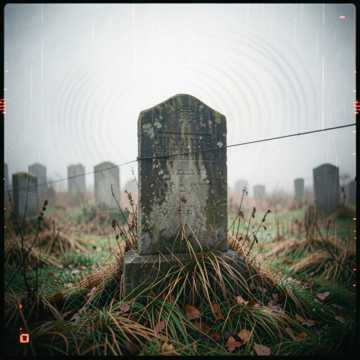
Реквием ВВ
Трагический реквием о Владимире Высоцком, его непримиримости к фальши, несостоявшейся свободе и посмертной славе. Лирический герой размышляет о памяти, народной любви и о том, может ли монумент передать настоящую сущность поэта.
04:22
25 days ago
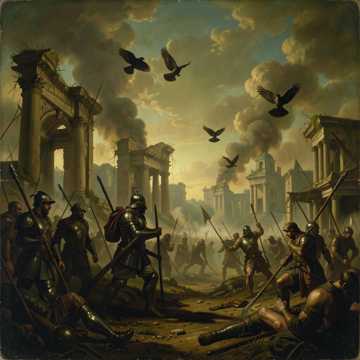
Советский Гостинец! (5)
Военно-индустриальный фолк-метал трек сочетает агрессивную сатиру на милитаризм с образом разрушительной силы и финальным призывом к миру. Контраст мужского командного вокала, женской мелодичности, балалайки и баяна превращает композицию в мрачный сценический манифест.
05:22
2026-09-21

Red Umbrella
Red Umbrella is an instrumental synth-pop ballad shaped by rain ambience, electric piano, warm analog textures, soft strings, and a bright drum-machine pulse. Its Soviet-era melancholy gradually opens into glossy, nostalgic pop uplift, evoking quiet reflection, romantic memories, and hope after emotional distance.
03:18
2026-09-16
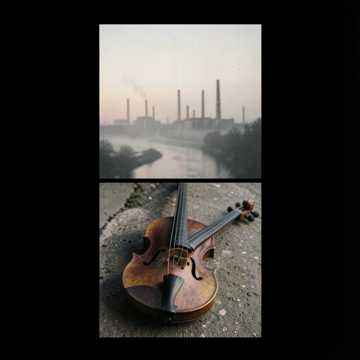
Петроград, наш наряд
Торжественная песня-марш воспевает Петроград как символ коллективного труда, товарищества и надежды. Образы заводов, Невы, полей и северного ветра соединяются в мощном призыве идти вперёд плечом к плечу.
03:01
2026-09-16
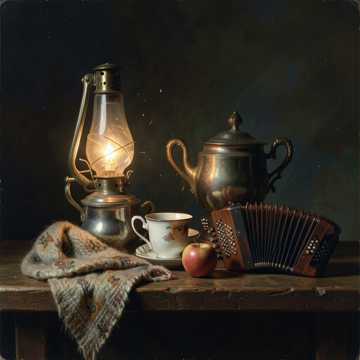
Был бы рад я команде Тимуровой...
Песня вспоминает довоенное детство, деревенские вечера, честные мальчишеские драки и бескорыстную помощь. Образ команды Тимуровой становится символом утраченного товарищества, которого лирическому герою особенно не хватает в настоящем.
02:30
2026-09-14

Был бы рад я команде Тимуровой...
Песня возвращает слушателя в довоенное советское детство: к босоногим играм, самоварным вечерам, музыке, честным дракам и взаимопомощи. Светлая ностальгия постепенно омрачается ощущением утраты: герой мечтает о команде Тимуровой, но понимает, что её больше нет.
03:11
2026-09-14
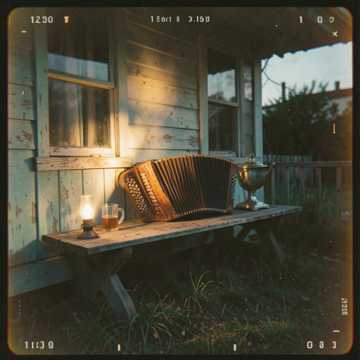
Был бы рад я команде Тимуровой...
Песня возвращает слушателя в довоенные и послевоенные годы: босоногое детство, деревенские станции, самоварные вечера, честные драки и бескорыстную помощь. Нежная ностальгия постепенно сменяется горечью по исчезнувшей команде Тимуровой, символу товарищества и добра.
02:45
2026-09-14
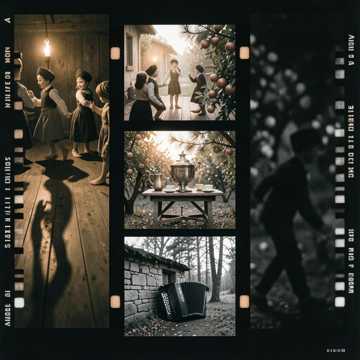
Был бы рад я команде Тимуровой...
Песня вспоминает беззаботное довоенное детство, деревенские вечера, честные игры и взаимопомощь. На фоне нежного военного вальса герой тоскует по команде Тимуровой как символу искренней дружбы, самоотверженности и исчезнувшего мира.
02:50
2026-09-14
Introduction to Soviet Era Music
Soviet Era music refers to the body of musical works produced in the Soviet Union from its establishment in 1922 until its dissolution in 1991. This period was marked by a unique blend of traditional Russian influences, socialist realism, and avant-garde experimentation. Soviet Era music often served as a tool for propaganda, embodying the ideals of the Communist Party, but also witnessed significant artistic innovation. From classical compositions to folk adaptations and pop music, Soviet Era music is characterized by its diversity, ideological influence, and the distinct socio-political context in which it was created.
Sub-tags and Classifications in Soviet Era Music
Classical and Orchestral Music
This sub-tag encompasses the works of Soviet composers who adhered to or developed upon classical traditions. Notable figures include Dmitri Shostakovich, Sergei Prokofiev, and Aram Khachaturian, whose symphonies, operas, and ballets often reflected the tension between personal expression and state-imposed themes of socialist realism.
Folk and Ethnic Music
Soviet Era music also saw a revival and reinterpretation of traditional folk music. Composers and musicians collected and adapted folk songs from various Soviet republics, incorporating them into classical forms or using them as foundations for new compositions. This sub-tag highlights the efforts to unify diverse cultural expressions within the Soviet framework.
Popular and Mass Songs
Under the Soviet regime, music for the masses played a crucial role in propaganda. Popular songs, known as 'mass songs,' were often composed to promote socialist values, celebrate labor, or commemorate historical events. These songs were widely broadcast and performed, becoming a staple in Soviet public life.
Jazz and Avant-Garde
Although initially suppressed, jazz found a foothold in the Soviet Union by the mid-20th century. Avant-garde and experimental music also emerged, challenging the boundaries of traditional Soviet music. These genres provided an outlet for musicians to explore new sounds and ideas, sometimes pushing against the limitations of state censorship.
Famous Artists and Works of the Soviet Era
Dmitri Shostakovich
Shostakovich is one of the most prominent Soviet composers, known for his complex symphonies and chamber works. His music often reflected the political struggles of the Soviet era, navigating the fine line between conformity and dissent. Works such as his Symphony No. 5 and String Quartet No. 8 are considered masterpieces.
Symphony No. 7 'Leningrad' by Dmitri Shostakovich
This symphony, composed during World War II, is a powerful testament to the resilience of the Soviet people. It combines grand orchestration with poignant melodies, symbolizing the struggle and eventual triumph over fascism. The 'Leningrad' symphony became an emblem of Soviet patriotism and artistic defiance.
Sergei Prokofiev
Prokofiev's contributions to Soviet music include operas, ballets, symphonies, and concertos. His works, such as the ballet 'Romeo and Juliet' and the opera 'War and Peace,' are noted for their lyrical beauty, innovative orchestration, and narrative strength, reflecting both his classical training and modern sensibilities.
Romeo and Juliet by Sergei Prokofiev
Prokofiev's ballet adaptation of Shakespeare's play is celebrated for its emotional depth, dramatic intensity, and innovative choreography. The music is rich with melodic beauty, rhythmic drive, and expressive orchestration, making it one of the most beloved ballets of the 20th century.
Aram Khachaturian
Khachaturian, an Armenian Soviet composer, is famous for his vibrant and energetic compositions that often draw on Armenian folk music. His ballet 'Spartacus' and the 'Sabre Dance' from the ballet 'Gayane' are iconic examples of his distinctive style.
Sabre Dance by Aram Khachaturian
A part of the ballet 'Gayane,' the 'Sabre Dance' is a fast-paced, exhilarating piece that has become one of the most recognizable works in Soviet music. Its vigorous rhythm and lively energy capture the spirit of Armenian folk traditions and the broader Soviet cultural milieu.
Application Scenarios for Soviet Era Music
Soviet Era music, with its rich emotional content and dramatic themes, is often used in film soundtracks to evoke a sense of history, tension, or patriotism. For example, Shostakovich's symphonies are frequently employed in films depicting war or historical drama.
Movie Soundtracks
The use of Soviet Era music in advertising can convey a sense of nostalgia, strength, or cultural identity. Mass songs or upbeat folk tunes are particularly effective in commercials aiming to evoke a communal or traditional feel.
Advertising Music
In video games, Soviet Era music can enhance the atmosphere, particularly in games set in historical or dystopian settings. The dramatic and often intense nature of this music makes it suitable for creating immersive experiences in strategic or narrative-driven games.
Game Background Music