Free harmonica Music Generator Powered by AI
Turn text into high-quality harmonica music effortlessly – no login required!

music.toolTips
Die nächste Stufe der Kultur
Ein witziger musikalischer Streit zwischen Blues und Oper zeigt, dass kulturelle Vorlieben subjektiv sind. Während die Stimmen über Aufwand, Gefühl und Anspruch diskutieren, führt gegenseitiger Respekt schließlich zu einem friedlichen Nebeneinander verschiedener Musikwelten.
03:08
2026-08-28
Die nächste Stufe der Kultur
Der Song stellt Blues und Oper humorvoll gegenüber. Während die eine Stimme komplexe Opernkunst verteidigt, genügt der anderen ein einfacher Blues. Trotz gegensätzlicher Vorlieben endet der Streit mit gegenseitigem Respekt und der Einsicht, dass jeder seine eigene kulturelle Stufe wählen darf.
03:22
2026-08-28

ТЕПЛО НА ДОЛОНЯХ4
Ніжна пісня про пам’ять коханого чоловіка, що продовжує жити у простих речах: ранковій каві, літньому вітрі, домашньому світлі та теплі долонь. Ностальгія тут не сумна, а жива, сонячна й наповнена відчуттям близькості крізь роки.
03:12
2026-08-28
Cumbia Blues
Cumbia Blues combina el blues eléctrico lento-medio con la energía de la cumbia sonidera. La guitarra y la armónica conducen un arreglo orgánico con güiro, congas, timbales, bajo sincopado y órgano, pasando de un ambiente ahumado a un estribillo final festivo y contagioso.
04:54
2026-08-28

Azul Sonidero
Azul Sonidero combina la cadencia de la cumbia sonidera con la tensión expresiva del blues. Su groove balancea bajo tumbao, güiro, batería marcada, armónica y guitarra eléctrica, mientras el acordeón y la percusión crean respuestas festivas. Es una pieza instrumental, brillante, áspera y diseñada para mantener el movimiento.
03:55
2026-08-28
Dziołcha
Wesoło, taneczno piosynka o zakochanym Ślązoku, kerego dziołcha minyła pod familokiem. Niedzielne wesele, modro kiecka, harmonijo i wspólna zabawa budujō swojski klimat pełny humoru, zauroczenio i radości aż do rana.
01:13
2026-08-28
T
Piyśń łopowiadoło młodym Ślązoku, kery czeko na swoja dziołcha i marziło niedzielnym weselu. Po kościele bydzie muzyka, tańcowanie i radość aż do rana, a harmonija zjednoczy wszystkich bez żodnych bijatyk.
00:54
2026-08-28
Dziołcha
Piosynka ô zakochanym chopie, co czeko na swojō dziołcha pod familokiem. Po kościele czekŏ ich muzyka, taniec i wesele, a harmonija łōnczy ludzi we wspólnym, radosnym ślōnskim śpiywaniu aż do rana.
01:06
2026-08-28

Dziołcha
Piosynka ô zakochanym chopie, kerego dziołcha minyła pod familokiem. Po kościele czeko ich muzyka, taniec i wesele, kaj harmōnija budzi radość, ślōnsko duma i wspólnota, co śpiywo i bawi sie aż do rana.
01:25
2026-08-28
БРУДНІ БЕРЦІ2
Пісня розповідає історію солдатських берців, що зберігають пам’ять про дороги, дощі, холод, вибухи, жарти й товаришів. Попри втому та страх, головним спогадом залишається життя, людське тепло і незламний рух уперед.
04:30
2026-08-28
БРУДНІ БЕРЦІ
Пісня розповідає про старі берці, що зберігають пам’ять про дощ, сніг, окопи, товаришів і довгі дороги. Її герой без драматизму чистить взуття, знову вирушає вперед, залишаючи на чистій підлозі маленький слід досвіду й надії.
03:05
2026-08-28

EL ROBO SALARIAL
Una pieza de resistencia campesina que retrata jornadas agotadoras, injusticia salarial y organización obrera. Su atmósfera fronteriza, oscura y combativa crece desde el campo hasta un coro multitudinario, culminando en una victoria simbólica contra la explotación.
03:29
2026-08-27
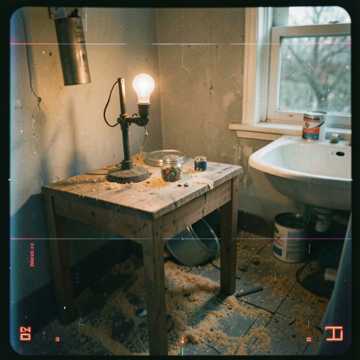
Wood Glue Moon
A resourceful maker transforms a struggling workshop, broken objects, and painful setbacks into new creations. With glue-stained hands and stubborn hope, the song celebrates resilience, independence, and the quiet courage to build twice as much whenever life takes something away.
03:42
2026-08-27
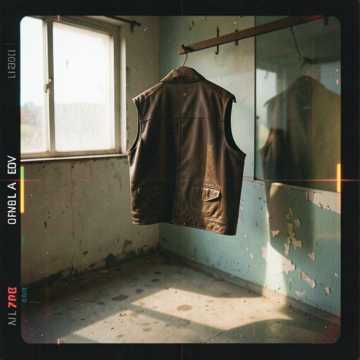
Shadows In The Glass2 E - Drivng v5
A reflective yet forward-moving Americana story about watching time pass, recognizing oneself in the mirror, and accepting life’s later chapters. Through roads, fading light, inherited wisdom, and treasured remnants, the narrator finds dignity, peace, and purpose in what can be carried onward.
06:25
2026-08-27
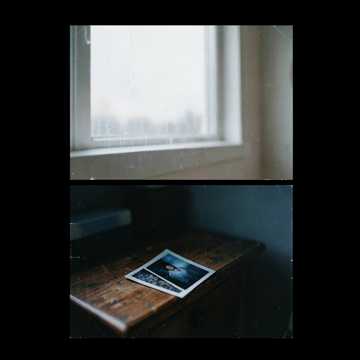
HIM
HIM portrays a heartbroken narrator haunted by a love that ended but never truly disappeared. Through intimate verses, soulful choruses, and Australian Gothic Country textures, the song moves from regret and emotional denial toward acceptance: the past can be carried without allowing it to define the future.
05:18
2026-08-26
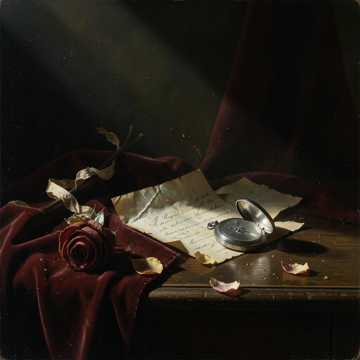
HIM
HIM explores the unresolved grief of a lost relationship. Through intimate verses, expansive soul choruses, and Australian Gothic Country textures, the narrator confronts regret, emotional silence, and the painful truth that some love never disappears; it only becomes quieter.
05:18
2026-08-26
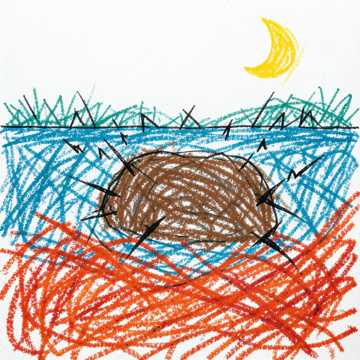
Platypus Owns the Water
A swaggering outlaw-country portrait of the platypus as a silent, venomous guardian of Australian waterways. The song blends comic menace, bush mythology, and rugged western imagery, building from sparse verses into a rowdy chorus that crowns the strange creature king of its domain.
03:30
2026-08-25
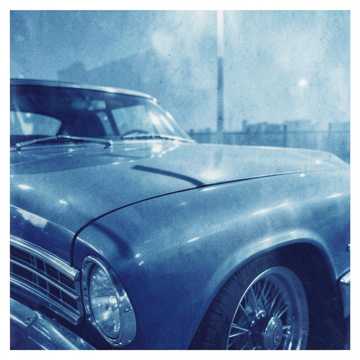
Nézd a szemem
Egy városi éjszakában kibontakozó, féktelen vonzalom története, amelyet gyors blues-rock lüktetés, erőteljes férfivokál, torzított gitárok és szenvedélyes szájharmonika kísér. A dal a csábítás, a sebesség és az elszabaduló vágy intenzív hangulatát ragadja meg.
05:28
2026-08-25

Take A Ride In My Car
An upbeat, swaggering hard rock song about a narrator captivated by a striking country woman. Its recurring invitation to ride in his car frames admiration, attraction, and reckless rock-and-roll confidence over a driving instrumental groove.
03:15
2026-08-25

THE 8,000 HOUR BLUES
A small YouTube creator humorously battles the daunting8,000-hour watch-time requirement. Through relaxed country-blues storytelling, exaggerated milestones, SEO mishaps, and punchline pauses, the song transforms algorithmic frustration into an upbeat anthem of patience, persistence, and relatable creator culture.
03:10
2026-08-25
Introduction to the Harmonica: Definition and History
The harmonica, also known as a mouth organ or blues harp, is a small, hand-held wind instrument played by blowing air into or drawing air out of reeds using the mouth. Each reed is tuned to produce a different note. The harmonica has a rich history that dates back to ancient China, where a similar instrument called the 'Sheng' was used. The modern harmonica, however, was developed in Europe in the early 19th century. It gained popularity in America in the 20th century, particularly in the blues and folk music scenes. The harmonica's portability and unique sound made it a favorite among travelers and musicians alike. Over the decades, it has evolved from a simple folk instrument into a versatile tool used across various music genres, from blues and country to jazz and rock.
Sub-tags and Classifications of the Harmonica
Diatonic Harmonica
The diatonic harmonica is the most common type, typically used in blues, rock, country, and folk music. It is designed to play in a specific key and features a straightforward, simple design with ten holes, each containing a blow and draw reed. Musicians can bend notes by changing the air pressure, which allows for expressive playing and the distinctive 'wailing' sound characteristic of blues harmonica.
Chromatic Harmonica
The chromatic harmonica features a button-activated sliding bar that directs air to two separate reed plates, allowing the player to access all the notes of the chromatic scale. This makes it more versatile for playing jazz, classical music, and other styles that require a full range of notes. The chromatic harmonica is larger than the diatonic and can be more challenging to master due to its complex mechanics.
Tremolo Harmonica
The tremolo harmonica has pairs of reeds for each note, with one slightly sharp and the other slightly flat. This design creates a unique 'tremolo' effect, where the pitch fluctuates slightly, giving the music a warbling sound. Tremolo harmonicas are popular in folk music, particularly in Asia and Europe, and are often used in ensemble playing.
Octave Harmonica
The octave harmonica is similar to the tremolo harmonica but features reeds that are tuned one octave apart instead of slightly sharp and flat. This creates a fuller, richer sound and is commonly used in traditional and folk music settings. The octave harmonica's sound is robust and organ-like, making it suitable for melodies and accompaniment.
Bass Harmonica
The bass harmonica is a larger, lower-pitched instrument often used in ensemble settings to provide bass lines. It features a deeper, resonant sound and is not commonly used for solo performances but adds a unique layer to harmonica orchestras and harmonica ensembles.
Famous Harmonica Artists and Iconic Works
Little Walter
Little Walter was a pioneering blues harmonica player who brought the instrument to the forefront of Chicago blues music in the 1950s. His innovative use of amplification transformed the harmonica into a lead instrument. His representative works, such as 'Juke' and 'My Babe,' showcase his powerful playing style and creative use of the harmonica, influencing countless musicians who followed.
Juke by Little Walter
'Juke' is a classic blues harmonica instrumental that showcases Little Walter's virtuosic playing and innovative use of amplification. The song's driving rhythm and expressive bending techniques make it a quintessential piece in the blues harmonica repertoire. 'Juke' became a chart-topping hit and remains a benchmark for harmonica players.
Toots Thielemans
Toots Thielemans was a Belgian jazz musician widely regarded as one of the greatest harmonica players in history. Known for his smooth, lyrical style, Thielemans brought the harmonica into the jazz genre, collaborating with legends like Charlie Parker and Quincy Jones. His famous works include 'Bluesette,' a jazz standard that highlights his skillful harmonica playing and his ability to seamlessly integrate the instrument into a jazz ensemble.
Bluesette by Toots Thielemans
'Bluesette' is a jazz standard composed and performed by Toots Thielemans. The piece is notable for its use of the harmonica in a jazz context, combining swing rhythms with lyrical, melodic lines. 'Bluesette' has been covered by numerous artists and remains a favorite in jazz circles for its innovative use of the harmonica.
Stevie Wonder
Stevie Wonder, an American singer, songwriter, and multi-instrumentalist, has used the harmonica extensively in his music, adding a unique flavor to his compositions. Songs like 'Isn't She Lovely' and 'For Once in My Life' feature Wonder's distinctive harmonica solos, blending pop, soul, and blues influences. His contributions have helped popularize the harmonica in mainstream music.
Isn't She Lovely by Stevie Wonder
This iconic song features Stevie Wonder's harmonica playing, adding a bright, joyful layer to the music. The harmonica solo is both melodic and expressive, perfectly complementing Wonder's vocal performance. 'Isn't She Lovely' is an excellent example of how the harmonica can enhance pop music, providing a unique tonal quality that enriches the overall sound.
Sonny Boy Williamson II
Sonny Boy Williamson II, also known as Rice Miller, was a key figure in the blues harmonica tradition. His innovative playing and vocal style were influential in the development of modern blues. Notable works include 'Help Me' and 'Bring It On Home,' which demonstrate his unique phrasing and ability to convey deep emotion through the harmonica.
Application Scenarios for Harmonica Music
The harmonica is often used in movie soundtracks to evoke a sense of nostalgia, loneliness, or rural Americana. Its distinctive sound can add emotional depth to a scene, making it a popular choice in westerns, dramas, and independent films. For example, Ennio Morricone's use of the harmonica in 'Once Upon a Time in the West' creates a haunting, memorable motif that underpins the film's dramatic tension.
Movie Soundtracks
In advertising, the harmonica is frequently used to convey a sense of authenticity, simplicity, and down-to-earth charm. Its folksy, relatable sound can enhance commercials for products like cars, food, or outdoor gear, connecting with audiences on a personal level. The harmonica's ability to cut through other sounds makes it an excellent choice for memorable jingles and background music.
Advertising Music
Video game soundtracks often use harmonica music to set the mood or atmosphere, especially in games with western, rural, or post-apocalyptic themes. The harmonica's ability to evoke a sense of isolation or adventure makes it ideal for enhancing the player's immersive experience. Games like 'Red Dead Redemption' use harmonica music to transport players to the rugged landscapes of the American frontier.
Game Background Music
Harmonica music is a staple in live performances, from blues clubs to large music festivals. The harmonica's portability and ability to cut through other instruments make it a dynamic choice for solos and improvisations. Its versatility allows it to blend with various music genres, providing unique opportunities for collaboration between artists.
Live Performances