Free harmonica Music Generator Powered by AI
Turn text into high-quality harmonica music effortlessly – no login required!

music.toolTips
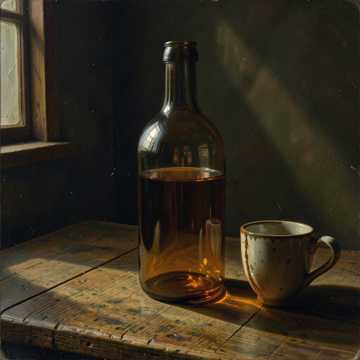
Bottle of Whiskey
A heartbroken narrator reaches for whiskey after every attempt to escape a painful breakup fails. Set in a slow, smoky country-blues atmosphere, the song captures loneliness, denial, and temporary surrender, using the bottle as both emotional crutch and silent companion through one difficult night.
03:10
2026-09-09
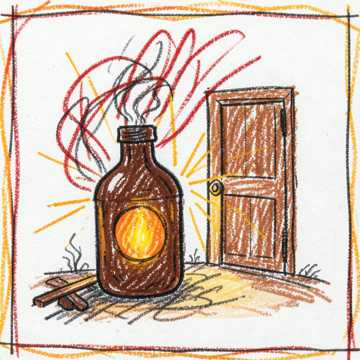
Whiskey Cure
A wounded narrator turns to whiskey for a brief reprieve from depression, shame, and lingering grief. Lean verses, rising harmonies, and a broad communal chorus turn private pain into a rough-edged outlaw-country barroom anthem.
03:12
2026-09-09

Fähnchen im Wind
Der kritische Song prangert blinden Konformismus, wechselnde Feindbilder und moralische Selbstgewissheit an. Mit ironischem Country-Blues, rauem Duettgesang und antheмischen Refrains fordert er dazu auf, Parolen zu hinterfragen, eigenständig zu denken und Andersdenkende nicht vorschnell zu verurteilen.
04:14
2026-09-07

Fähnchen im Wind
Der Song kritisiert opportunistisches Mitlaufen, ideologische Etiketten und die Ausgrenzung Andersdenkender. Mit ironischem Country-Blues, rauem Duettgesang und anthemischem Refrain ruft er dazu auf, Parolen zu hinterfragen, eigenständig zu denken und sich nicht jedem gesellschaftlichen Narrativ anzupassen.
04:36
2026-09-07
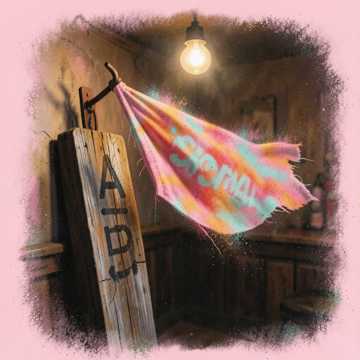
Fähnchen im Wind
Der Song kritisiert opportunistisches Mitlaufen, ideologische Etiketten und die Ausgrenzung Andersdenkender. In einem rauen Country-Blues-Southern-Rock-Gewand fordert er dazu auf, Narrative zu hinterfragen, Feindbilder nicht blind zu übernehmen und den eigenen Verstand zu gebrauchen.
04:34
2026-09-07
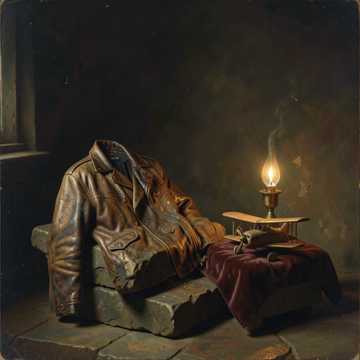
“Any man can be a father, but to be a dad.”
A separated father struggles with court-ordered visitation while remembering the unconditional strength of his own dad. Through bluesy grit, driving rhythms, and vulnerable storytelling, the song argues that biology creates a father, but commitment, sacrifice, and love create a true dad.
04:00
2026-09-06
СТАРИК
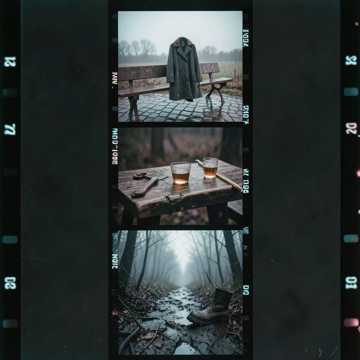
Повествователь встречает сломленного старика и приглашает его к столу. За вином раскрывается история падения, одиночества и жестокости мира. Их разговор превращается в горькое размышление о доверии, любви, свободе, социальной несправедливости и хрупкой надежде на человеческое участие.
07:18
2026-09-06

Le sillage des songes
Ce blues poétique raconte la disparition d’une femme aimée, partie dans un envol sans retour. Entre rêve, mensonge et adieu silencieux, le narrateur demeure prisonnier des souvenirs, tandis que la lumière, le vent et la brume transforment l’amour perdu en fragment de mémoire.
04:23
2026-09-04

Jag trivs...
En livsbejakande folkpoplåt om kontrasten mellan att upptäcka världen och att finna lyckan hemma. Sången hyllar frihet, egentid, natur, kärlek och ett enkelt liv med bin, honung, hemgjort äppelvin och närhet till dem man älskar.
03:25
2026-09-04

Camino de Bendición
Una celebración country gospel de la gratitud, la providencia y la confianza cristiana. La voz narrativa avanza con Jesús por un sendero de trabajo, familia y esperanza, reconociendo la gracia renovada, el sustento cotidiano y el amor divino aun en tiempos difíciles.
02:59
2026-09-04

ВОЛОЦЮГА
Пісня змальовує самотнього, але вільного мандрівника, який іде українським степом, ночує біля багаття та приймає невідомість завтрашнього дня. У її меланхолії живуть спокій, доброзичлива усмішка, любов до дороги й надія, що шлях завжди підкаже напрямок.
04:51
2026-09-04
The Convoy Is Rolling
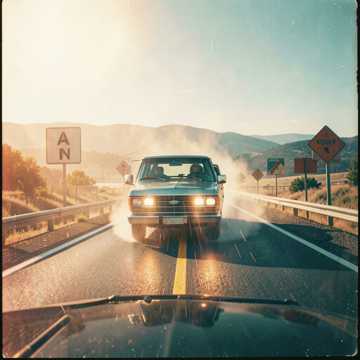
'The Convoy Is Rolling' is a high-energy country-rock anthem celebrating trucking camaraderie and the relentless spirit of the open road. Driven by overdriven guitars and steady highway rhythms, it paints a vivid picture of unity, grit, and hard work across American highways.
03:52
2026-09-03
My Truck and I
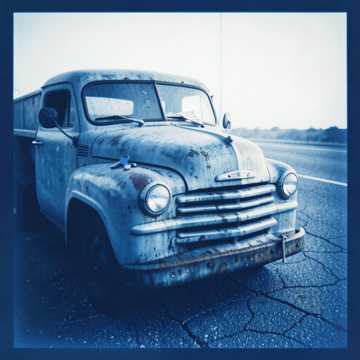
A solitary traveler drives an aging truck beyond familiar towns, carrying emotional baggage but gradually finding release in motion. Through dusty roads, motel memories, and uncertain destinations, the song transforms wandering into resilience, suggesting that freedom and healing can emerge one mile at a time.
04:08
2026-09-03
Me
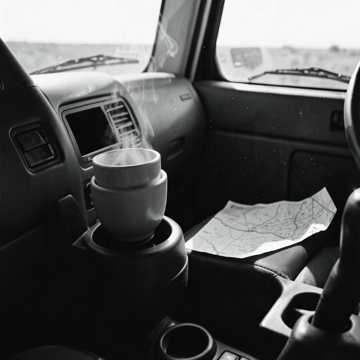
Me is a reflective country-rock journey about leaving behind emotional burdens and rediscovering identity through open roads, familiar memories, and quiet forgiveness. A truck becomes both companion and sanctuary as the narrator moves from running away toward acceptance, freedom, and a steadier sense of self.
03:50
2026-09-03
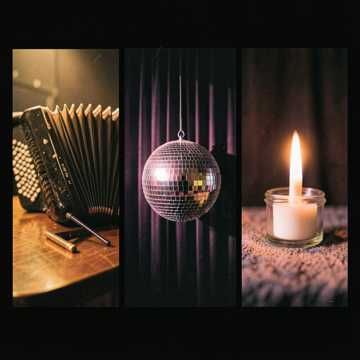
dj
A romantic couple loses themselves in the energy of a nighttime dance. Driven by a123 BPM Eurodisco groove, warm synths, accordion, harmonica, and layered male vocals, the song celebrates physical closeness, emotional surrender, and love that continues burning until morning.
04:30
2026-09-02
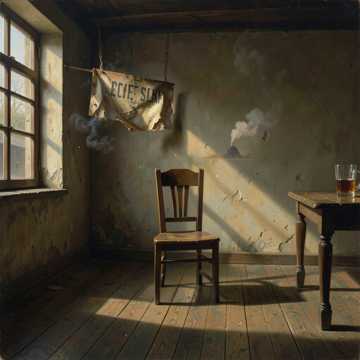
WILD★WEST
汽笛が響く荒野の終着町で、肩書きも過去も問わず旅人を迎える酒場。砂にまみれた孤独な人々が酒と歌を分かち合い、空いた椅子を次の来訪者のために残す、静かな連帯の物語。
05:15
2026-09-02

Living Large in Queensland
An energetic road-trip anthem celebrating Queensland's reefs, rainforests, outback roads, country pubs, and lifelong adventure. With rugged optimism and communal singalong energy, the song transforms spontaneous travel, friendship, and wide-open landscapes into a vivid Australian country-rock celebration.
04:07
2026-09-02
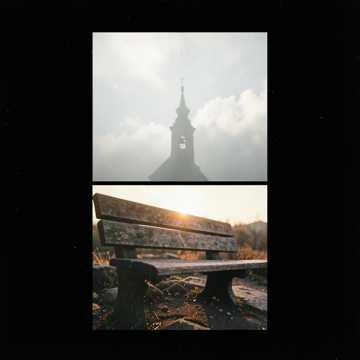
Slask
Nostalgiczno pieśń ô Ślōnzoku, kery żyje daleko ôd dōmu, ale co dziyń nosi Ślōnsk w sercu. Familoki, starka, plac i kościelny dzwōn budujōm ôbraz tynsknoty, przinoleżności i ôbietnice powrotu.
01:37
2026-09-02
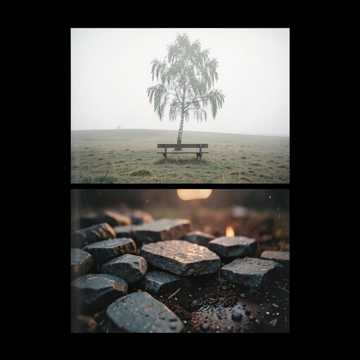
Slask
Pieśń ô Ślōnzoku, fto żyje daleko ôd rodzinnych stron, ale co noc wraco myślami do familokōw, starki, placu i ślōnskej ziemi. Biesiadny ton harmonijki podkreślo dumã, nostalgiã i obietnicã powrotu do dōmu.
01:32
2026-09-02
Slask
Piosynka ô Ślōnzoku, co żyje daleko ôd chałupy, ale we sercu durch nosi swojōm ziymia. Wspōminŏ familoki, starka, ławka, drzewa i kościelny dzwōn, a tyż przaja, że kiejś wrōci nazŏd do swojigo Ślōnska.
01:14
2026-09-02
Introduction to the Harmonica: Definition and History
The harmonica, also known as a mouth organ or blues harp, is a small, hand-held wind instrument played by blowing air into or drawing air out of reeds using the mouth. Each reed is tuned to produce a different note. The harmonica has a rich history that dates back to ancient China, where a similar instrument called the 'Sheng' was used. The modern harmonica, however, was developed in Europe in the early 19th century. It gained popularity in America in the 20th century, particularly in the blues and folk music scenes. The harmonica's portability and unique sound made it a favorite among travelers and musicians alike. Over the decades, it has evolved from a simple folk instrument into a versatile tool used across various music genres, from blues and country to jazz and rock.
Sub-tags and Classifications of the Harmonica
Diatonic Harmonica
The diatonic harmonica is the most common type, typically used in blues, rock, country, and folk music. It is designed to play in a specific key and features a straightforward, simple design with ten holes, each containing a blow and draw reed. Musicians can bend notes by changing the air pressure, which allows for expressive playing and the distinctive 'wailing' sound characteristic of blues harmonica.
Chromatic Harmonica
The chromatic harmonica features a button-activated sliding bar that directs air to two separate reed plates, allowing the player to access all the notes of the chromatic scale. This makes it more versatile for playing jazz, classical music, and other styles that require a full range of notes. The chromatic harmonica is larger than the diatonic and can be more challenging to master due to its complex mechanics.
Tremolo Harmonica
The tremolo harmonica has pairs of reeds for each note, with one slightly sharp and the other slightly flat. This design creates a unique 'tremolo' effect, where the pitch fluctuates slightly, giving the music a warbling sound. Tremolo harmonicas are popular in folk music, particularly in Asia and Europe, and are often used in ensemble playing.
Octave Harmonica
The octave harmonica is similar to the tremolo harmonica but features reeds that are tuned one octave apart instead of slightly sharp and flat. This creates a fuller, richer sound and is commonly used in traditional and folk music settings. The octave harmonica's sound is robust and organ-like, making it suitable for melodies and accompaniment.
Bass Harmonica
The bass harmonica is a larger, lower-pitched instrument often used in ensemble settings to provide bass lines. It features a deeper, resonant sound and is not commonly used for solo performances but adds a unique layer to harmonica orchestras and harmonica ensembles.
Famous Harmonica Artists and Iconic Works
Little Walter
Little Walter was a pioneering blues harmonica player who brought the instrument to the forefront of Chicago blues music in the 1950s. His innovative use of amplification transformed the harmonica into a lead instrument. His representative works, such as 'Juke' and 'My Babe,' showcase his powerful playing style and creative use of the harmonica, influencing countless musicians who followed.
Juke by Little Walter
'Juke' is a classic blues harmonica instrumental that showcases Little Walter's virtuosic playing and innovative use of amplification. The song's driving rhythm and expressive bending techniques make it a quintessential piece in the blues harmonica repertoire. 'Juke' became a chart-topping hit and remains a benchmark for harmonica players.
Toots Thielemans
Toots Thielemans was a Belgian jazz musician widely regarded as one of the greatest harmonica players in history. Known for his smooth, lyrical style, Thielemans brought the harmonica into the jazz genre, collaborating with legends like Charlie Parker and Quincy Jones. His famous works include 'Bluesette,' a jazz standard that highlights his skillful harmonica playing and his ability to seamlessly integrate the instrument into a jazz ensemble.
Bluesette by Toots Thielemans
'Bluesette' is a jazz standard composed and performed by Toots Thielemans. The piece is notable for its use of the harmonica in a jazz context, combining swing rhythms with lyrical, melodic lines. 'Bluesette' has been covered by numerous artists and remains a favorite in jazz circles for its innovative use of the harmonica.
Stevie Wonder
Stevie Wonder, an American singer, songwriter, and multi-instrumentalist, has used the harmonica extensively in his music, adding a unique flavor to his compositions. Songs like 'Isn't She Lovely' and 'For Once in My Life' feature Wonder's distinctive harmonica solos, blending pop, soul, and blues influences. His contributions have helped popularize the harmonica in mainstream music.
Isn't She Lovely by Stevie Wonder
This iconic song features Stevie Wonder's harmonica playing, adding a bright, joyful layer to the music. The harmonica solo is both melodic and expressive, perfectly complementing Wonder's vocal performance. 'Isn't She Lovely' is an excellent example of how the harmonica can enhance pop music, providing a unique tonal quality that enriches the overall sound.
Sonny Boy Williamson II
Sonny Boy Williamson II, also known as Rice Miller, was a key figure in the blues harmonica tradition. His innovative playing and vocal style were influential in the development of modern blues. Notable works include 'Help Me' and 'Bring It On Home,' which demonstrate his unique phrasing and ability to convey deep emotion through the harmonica.
Application Scenarios for Harmonica Music
The harmonica is often used in movie soundtracks to evoke a sense of nostalgia, loneliness, or rural Americana. Its distinctive sound can add emotional depth to a scene, making it a popular choice in westerns, dramas, and independent films. For example, Ennio Morricone's use of the harmonica in 'Once Upon a Time in the West' creates a haunting, memorable motif that underpins the film's dramatic tension.
Movie Soundtracks
In advertising, the harmonica is frequently used to convey a sense of authenticity, simplicity, and down-to-earth charm. Its folksy, relatable sound can enhance commercials for products like cars, food, or outdoor gear, connecting with audiences on a personal level. The harmonica's ability to cut through other sounds makes it an excellent choice for memorable jingles and background music.
Advertising Music
Video game soundtracks often use harmonica music to set the mood or atmosphere, especially in games with western, rural, or post-apocalyptic themes. The harmonica's ability to evoke a sense of isolation or adventure makes it ideal for enhancing the player's immersive experience. Games like 'Red Dead Redemption' use harmonica music to transport players to the rugged landscapes of the American frontier.
Game Background Music
Harmonica music is a staple in live performances, from blues clubs to large music festivals. The harmonica's portability and ability to cut through other instruments make it a dynamic choice for solos and improvisations. Its versatility allows it to blend with various music genres, providing unique opportunities for collaboration between artists.
Live Performances