Free Medieval Music Generator Powered by AI
Turn text into high-quality Medieval music effortlessly – no login required!

music.toolTips
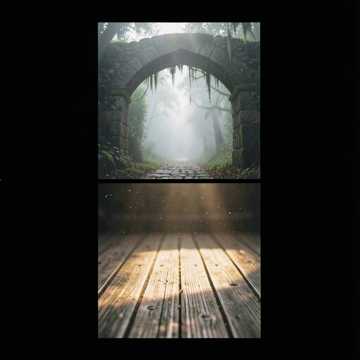
Harp and Flute
A tranquil medieval Celtic soundscape shaped by gentle harp patterns, breathlike wooden flute phrases, subtle bowed strings, and a low sustained drone. Its slow pulse, spacious pauses, and restrained dynamics create an intimate atmosphere suited to meditation, study, sleep, reading, and quiet reflection.
03:50
4 days ago

Quiet Moonlight
A serene, unhurried Celtic soundscape that begins with intimate harp and recorder, gradually gathers warm acoustic layers, and returns to a soft close. Modal melodies, sustained drones, airy ambience, and restrained dynamics create a timeless atmosphere for focus, relaxation, meditation, and sleep.
03:34
5 days ago

Harp Arpeggios and Recorder
A serene instrumental piece shaped by slow harp patterns, gentle recorder phrases, sustained strings, and a subtle drone. Its modal Celtic character and spacious pauses create an intimate medieval atmosphere with gradual textural movement and no dramatic climax.
03:34
5 days ago
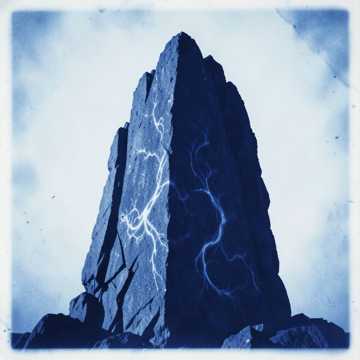
Dark Lord Ganondorf
A menacing instrumental battle theme portraying the rise of an unstoppable dark ruler. Ominous brass, low strings, war drums, cavernous choir textures, metallic risers, and explosive drops create a cinematic confrontation charged with dread, power, and apocalyptic grandeur.
03:40
Invalid date
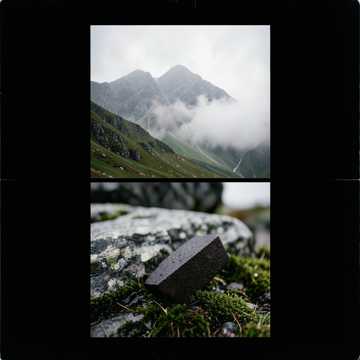
Сталь под рукой
Песня рассказывает о витязях, которые защищают товарищей, спасают близких и принимают плен ради общего спасения. Их гибель становится не концом, а продолжением легенды: память о мужестве превращает павших воинов в символ несгибаемой силы.
04:09
5 days ago
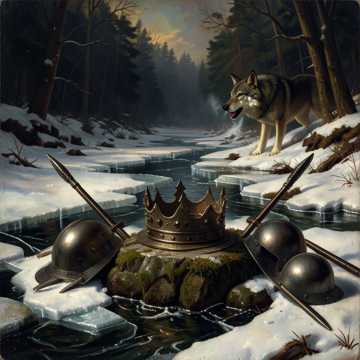
Брат за брата
Песнь рассказывает о витязях, которые сопровождают княжну, защищают замок и переправу, сражаясь за Русь и друг за друга. Их гибель становится не поражением, а вечным обетом верности, сохранённым в памяти народа.
02:28
5 days ago

Пали витязи
Историческое повествование о витязях, которые отдали жизни, защищая Русь, княжну и мирных людей. Через ледяные реки, осады и отступление звучит тема братства, самопожертвования и памяти, переживающей войны и века.
02:54
5 days ago
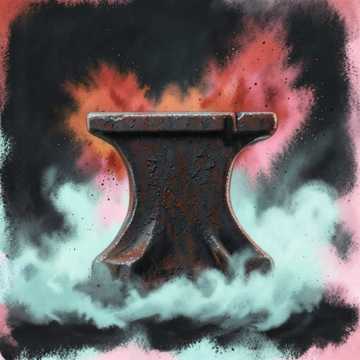
Iron Challenge
A dark, commanding instrumental built around massive battle drums, deep cinematic brass, ominous horns, and crushing impacts. Its mid-tempo pulse evokes medieval warfare, heroic endurance, and an escalating confrontation, moving from explosive tension to a final thunderous strike.
03:19
5 days ago

Jewel, My Harbor
A prince discovers true courage and belonging through his love for Jewel, a mysterious woman of the sea. Rejecting royal power, he chooses a shared life shaped by loyalty, storms, changing tides, and a lasting promise to walk beside her.
04:07
5 days ago
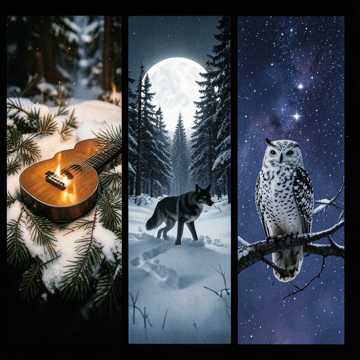
The Forest Keeper
'The Forest Keeper' is a soulful bardic folk ballad depicting a noble druid protecting a snowy woodland. Driven by gentle lute melodies, subtle hand drums, and warm vocals, the song weaves a comforting narrative of shelter, warmth, and fierce devotion to the wild.
03:03
5 days ago
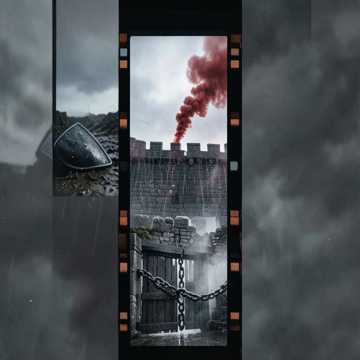
The Last Guard at Greywatch
A doomed yet defiant defense of Greywatch unfolds through rain, fire, and collapsing stone. Sir Rowan and Mara stand shield to shield as siblings and soldiers, transforming sacrifice into resistance. The song moves from cold battlefield tension to crushing resolve, ending with the keep alive and its guardians unbroken.
05:15
5 days ago
Lux Vera, Via Salutis
Canticum sacrum de luce vera, pace, spe et misericordia divina. Melodia modalis et libera, voce corali unita, orationem contemplativam format quae a quieto principio ad Alleluia plenum progreditur, deinde in benedictione pacis et Amen recollectum quiescit.
03:15
5 days ago
Id en Paz
Canto litúrgico de melodía modal, libre y solemne, que invita a los cansados a encontrar consuelo en una mesa abierta. Mediante llamados al amor, el perdón y la humildad, la obra culmina enviando a la comunidad en paz para compartir una buena nueva de esperanza.
02:54
5 days ago
Sancta Concordia
Cantus solemnis pacem terris et cordibus implorat. Voces virorum unitae concordiam sanctam invocant, dum gratia, spes et lumen aeternum sub arcubus basilicae lente crescunt ad clausulam magnificam.
01:58
5 days ago
Aurea Quies
'Aurea Quies' est carmen Gregorianum sollemne quod pacem et spem celebrat. Vox chori virilis unisona per aulam basilicae cum organo resonat, divinam serenitatem praebens.
01:20
5 days ago
Violent dance-Dancer version
'Violent dance-Dancer version' is a dark, theatrical fusion of electro swing, horror core, and dark pop. It depicts a disturbing, macabre ballroom dance between a controlling tormentor and their victim, blending romantic grandeur with aggressive, bloody obsession across shifting, feverish musical rhythms.
06:42
5 days ago
Violent dance-Dancer version
A sinister dancer turns violence into an obsessive ballroom ritual, forcing a wounded partner to continue through blood, fear, and exhaustion. The song shifts from seductive control to victimized resistance before ending in complete surrender to a relentless, grotesque dance.
07:11
5 days ago

Тонкая завеса
История короля, разрывающегося между безусловной любовью к дочери и страхом перед её сверхъестественным предназначением. Тихий зов девушки из-за завесы предвещает встречу с неизбежной судьбой и возможный перелом для всего королевства.
01:59
5 days ago
Santa Palabra
Una pieza instrumental de atmósfera monástica que transforma drones modales, voces corales etéreas y órgano en un espacio de contemplación. Su pulso libre y sus ecos antifonales evocan una ceremonia nocturna iluminada por velas.
04:10
6 days ago
Lumen in Tenebris
A restrained, devotional medieval soundscape shaped by monophonic wordless choir, modal melody, and intimate stone-chapel resonance. Its unhurried ascent creates a contemplative passage from darkness toward quiet spiritual light.
03:14
6 days ago
Introduction to Medieval Music
Medieval music refers to the music of the Middle Ages, a period that spans from roughly the 5th to the 15th century. This genre of music emerged from the remnants of the Roman Empire and developed into a distinctive form that reflected the social, religious, and cultural transformations of Europe during that time. Medieval music can be broadly divided into two categories: sacred and secular. Sacred music was primarily connected to the church, including Gregorian chant and liturgical pieces, while secular music encompassed folk songs, ballads, and troubadour melodies. The development of notation systems, such as neumes, allowed for the preservation and dissemination of Medieval compositions, setting the foundation for Western music traditions.
Sub-tags and Classifications of Medieval Music
Gregorian Chant
Named after Pope Gregory I, Gregorian Chant is a form of plainchant used in the liturgical services of the Catholic Church. It is characterized by monophonic, unaccompanied vocal music with free-flowing, modal melodies. The chant's rhythm is non-metrical, designed to follow the natural inflections of the Latin text, enhancing the spiritual and meditative aspects of worship.
Troubadour Music
Troubadour music refers to the secular songs composed and performed by poet-musicians in the courts of Southern France, Northern Spain, and Italy during the 12th and 13th centuries. These songs often focused on themes of chivalry and courtly love, characterized by lyrical poetry and melodies. Troubadours played a significant role in shaping the tradition of lyrical composition and storytelling in Western music.
Organum
Organum represents one of the earliest forms of polyphony, where a plainchant melody is accompanied by one or more additional voice parts. Emerging in the 9th century, organum evolved from parallel movement to more complex forms, such as free and melismatic organum. This development marked a significant step towards the intricate polyphonic compositions of the later Medieval period.
Ars Nova
The Ars Nova ('New Art') movement of the 14th century introduced innovations in rhythmic notation, allowing for greater complexity and variation in musical compositions. This era saw the rise of isorhythmic motets and the use of syncopation, which laid the groundwork for the transition from Medieval to Renaissance music. Composers like Philippe de Vitry and Guillaume de Machaut were pioneers of this style, pushing the boundaries of musical form and expression.
Famous Artists and Classic Works in Medieval Music
Hildegard von Bingen
Hildegard von Bingen was a German Benedictine abbess, writer, and composer of the 12th century. She is renowned for her contributions to sacred music, particularly her collection of compositions known as 'Symphonia armoniae celestium revelationum.' Hildegard's works are characterized by soaring melodies and vivid texts, which often drew upon her mystical visions, blending religious devotion with musical innovation.
Messe de Nostre Dame by Guillaume de Machaut
This iconic work is one of the first known polyphonic settings of the complete Mass Ordinary. Composed in the mid-14th century, 'Messe de Nostre Dame' showcases Machaut's mastery of polyphony and rhythmic sophistication. The composition includes movements like the Kyrie and Gloria, characterized by their complex interweaving of vocal lines and innovative use of isorhythmic techniques, which were revolutionary for their time.
Guillaume de Machaut
A leading figure of the Ars Nova movement, Guillaume de Machaut was a French poet and composer of the 14th century. His most famous work, 'Messe de Nostre Dame,' is the earliest known complete setting of the Ordinary of the Mass by a single composer. Machaut's use of intricate polyphony and rhythmic complexity in both sacred and secular music significantly influenced the transition to Renaissance music.
Carmina Burana
Although not strictly a single work but a collection of 13th-century poems set to music, 'Carmina Burana' provides insight into the secular music of the Medieval period. These pieces, written by Goliards—students and clerics—cover topics ranging from satire to love. The vibrant melodies and rhythmic patterns in 'Carmina Burana' highlight the lively and sometimes irreverent spirit of Medieval secular music.
Perotin
Perotin was a prominent composer of the Notre Dame School of polyphony in the late 12th and early 13th centuries. He is known for his development of organum, particularly the composition of multi-voice pieces such as 'Viderunt omnes.' Perotin's works exemplify the early stages of polyphonic music, characterized by their harmonic complexity and structural clarity.
Viderunt omnes by Perotin
A seminal example of early polyphonic music, 'Viderunt omnes' by Perotin is a four-voice organum composed for the Feast of the Circumcision. This work demonstrates the complexity of Notre Dame polyphony, with its layered vocal lines and dynamic interplay of melodic motifs. Perotin's composition illustrates the evolution of Medieval music from monophonic chant to richly textured polyphonic structures.
Application Scenarios for Medieval Music
Medieval music is frequently used in historical and fantasy films to create an authentic atmosphere that transports audiences to the Middle Ages. Films like 'The Name of the Rose' and 'Kingdom of Heaven' utilize Gregorian chants and medieval instrumentals to enhance the storytelling, providing a sense of time and place that aligns with the narrative.
Movie Soundtracks
Many video games set in medieval or fantasy worlds, such as 'The Elder Scrolls' series or 'Assassin's Creed,' incorporate Medieval music into their soundtracks. This genre helps to immerse players in the game environment, evoking the sounds of ancient castles, bustling medieval markets, and epic battles, thus enriching the overall gaming experience.
Video Game Background Music
Medieval music plays a crucial role in themed events such as Renaissance fairs, historical reenactments, and medieval banquets. Performers use traditional instruments like the lute, harp, and hurdy-gurdy to recreate the soundscapes of the Middle Ages, providing an authentic auditory backdrop that enhances the atmosphere and educational value of these events.
Themed Events and Reenactments
The calming and spiritual nature of Gregorian chant and other forms of sacred Medieval music makes it suitable for use in therapeutic and meditation settings. These compositions, with their repetitive structures and soothing harmonies, are often employed to promote relaxation, reduce stress, and aid in mindfulness practices.
Therapeutic and Meditation Settings