Free Shakuhachi Music Generator Powered by AI
Turn text into high-quality Shakuhachi music effortlessly – no login required!

music.toolTips
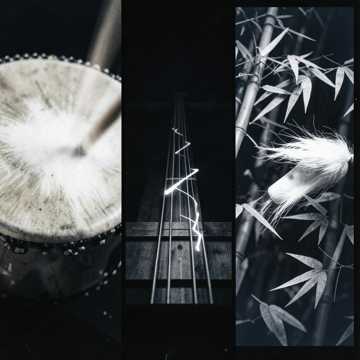
bam
A primal, rhythm-driven instrumental vocal piece built around the repeated word Bam. Traditional Japanese percussion and strings collide with metal guitar, bass, and dramatic vocal calls, creating a ceremonial yet explosive groove suited to action scenes, martial arts, gaming, workouts, and live performance.
02:41
10 hours ago
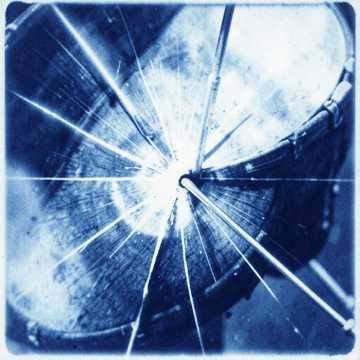
bam
Bam builds from sparse rhythmic syllables into powerful drops, merging Japanese traditional instruments with metal energy. Its repetitive vocal hook creates a primal, theatrical pulse suited to action scenes, martial performances, gaming montages, and high-impact live shows.
02:57
10 hours ago

Lantern Circuit
Lantern Circuit fuses Asian-inspired acoustic colors with modern cinematic pop production. Koto and temple bells create a ritualistic opening, while taiko hits, strings, handclaps, synth bass, and a bright hook build toward an uplifting finale. Its shifting textures suit travel visuals, game soundtracks, trailers, and dynamic cultural showcases.
03:06
Invalid date
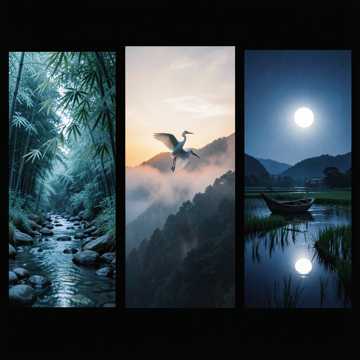
眠れ野の花よ
山里の朝霞、月明かり、川音、蛍、社、そして巡る季節を静かに描く子守歌。野の花や人、小鳥を自然の懐へ委ね、古風な和楽器と息づかいのある女性ボーカルで安らぎと郷愁を届ける。
04:00
1 days ago
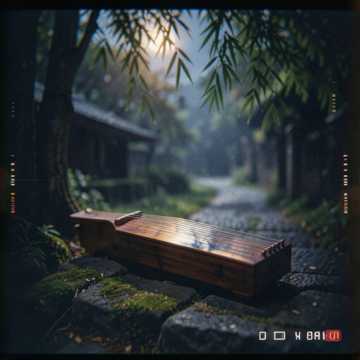
Moonlit Koto Path
A minimalist Japanese instrumental evoking a moonlit path through a tranquil feudal landscape. Delicate koto phrases intertwine with breath-like shakuhachi and distant taiko resonance, creating a soothing, meditative atmosphere suited to reflection, relaxation, storytelling, and immersive cultural scenes.
02:00
1 days ago

A Butterfly Will Soar
A butterfly will soar follows children discovering courage through the image of wings taking flight. Japanese instruments, orchestral grandeur, child vocals, powerful female harmonies, and repeated kakegoe chants create an adventurous, uplifting journey from a quiet spring garden to a boundless sky.
08:00
1 days ago
A Butterfly Will Soar
A young girl invites children and butterflies to rise toward the sky. Traditional Japanese instruments, orchestral crescendos, kakegoe chants, and powerful vocal layers transform a gentle springtime image into an expansive anthem about courage, faith, freedom, and shared adventure.
06:12
1 days ago
A Butterfly Will Soar
A young girl and children follow a butterfly from a spring garden toward a limitless sky. Blending Japanese instruments, orchestral grandeur, kakegoe chants, and soaring vocal layers, the song transforms delicate wings into a hopeful journey of courage, friendship, renewal, and spiritual freedom.
08:00
1 days ago

静かな戦場
小規模な3対3の対決を、抑制された太鼓と穏やかな尺八で描くミニマルな戦闘曲。激しい脅威や劇的な高揚を避け、静寂の中に集中力、駆け引き、覚悟を浮かび上がらせます。
04:52
2 days ago

Quiet Duel Path
A moderate-tempo instrumental portraying a disciplined3v3 confrontation through evolving taiko rhythms, dry percussion, intentional pauses, and a gentle shakuhachi melody. Its controlled dynamics create focused suspense and faint excitement without overwhelming drama, making it ideal for tactical gameplay, martial training, or reflective combat scenes.
04:45
2 days ago

こうわご
『こうわご』は、花、月、風、星に託した言葉が時代を越えて心を結ぶ物語。古風な語り口と和の情景を、壮大なオーケストラロックと力強い女性ボーカルで描く、郷愁と希望に満ちた英雄的な楽曲。
06:13
2 days ago

Contra o Destino
Rokuro transforma trauma e culpa em coragem para proteger Benio. Unidos como Estrelas Gêmeas, os dois desafiam uma profecia milenar, rejeitam o destino imposto e lutam para encerrar o ciclo de guerra entre humanos e Kegare.
08:00
2 days ago

Moonlit Shrine Path
A calm, mysterious instrumental journey through an ancient shrine at night. Trembling shamisen phrases, breathy shakuhachi, sparse piano, and subtle percussion gradually form an elegant emotional theme before fading into a spacious moonlit coda.
03:12
2 days ago
Koto Garden Mist
Koto Garden Mist evokes a tranquil garden at dawn, blending traditional Japanese koto and shakuhachi with gentle electronic rhythms and warm ambient textures. Its meditative pacing supports reflection, relaxation, mindfulness, yoga, spa environments, and cinematic scenes of quiet natural beauty.
05:40
2 days ago
Japans
Wikinger stranden in Japan und erwarten Ruhm und Beute, entdecken jedoch Tempel, Tee, Sushi, Samurai und eine faszinierende Kultur. Aus anfänglichem Staunen und Missverständnissen entsteht eine fröhliche Freundschaft, getragen von Rockenergie, Taiko-Rhythmen und einem mitreißenden Hey-Ho-Refrain.
04:25
3 days ago

Heat of The Fire
A rebellious tavern crew unites under Freya to mock the Jade Regent and Queen Abrogail, rejecting crowns, coercion, and fear. Driven by anime battle energy, theatrical call-and-response vocals, brass explosions, and pounding taiko, the song turns collective defiance into a hopeful declaration of freedom.
08:00
6 days ago
A Butterfly Will Soar
A young child discovers courage through the image of a butterfly taking flight. Japanese traditional instruments, orchestral grandeur, children’s voices, and powerful female vocals create an adventurous, emotional anthem about hope, transformation, companionship, and rising toward the sky.
08:00
6 days ago
Heat of The Fire
Freya leads a rebellious tavern in mocking the Jade Regent and Queen Abrogail, transforming anger into a communal battle cry. With anime-opening intensity, theatrical call-and-response, and explosive traditional instrumentation, the song celebrates freedom, resistance, and the unstoppable power of united people.
08:00
6 days ago

A Butterfly Will Soar
An uplifting fantasy anthem where a child’s voice leads butterflies and young dreamers toward freedom. Japanese instruments, orchestral grandeur, soaring vocal harmonies, and repeated kakegoe chants transform springtime imagery into a cinematic journey of courage, faith, protection, and shared hope.
06:47
6 days ago
A Butterfly Will Soar
A young girl and children follow a butterfly from a spring garden into a vast symbolic sky. Japanese instruments, chanting, orchestral crescendos, and powerful vocal adlibs transform a gentle nature image into an uplifting anthem about courage, hope, protection, and shared adventure.
07:55
6 days ago
Introduction to Shakuhachi: A Traditional Japanese Bamboo Flute
The Shakuhachi is a traditional Japanese bamboo flute that has been played for centuries. It is characterized by its unique, breathy sound and is traditionally made from the root end of a bamboo stalk. The name 'Shakuhachi' comes from its length, approximately 1.8 feet (54.5 cm), with 'shaku' meaning foot and 'hachi' meaning eight. The instrument has its origins in ancient China but was brought to Japan around the 7th century. Over time, the Shakuhachi evolved in Japan, becoming an essential instrument in the practice of Zen Buddhism. It was used by the Komusō monks of the Fuke sect as a tool for meditation and was associated with the concept of 'blowing Zen' or 'Suizen.' The Shakuhachi experienced a revival in the Edo period and became integrated into classical Japanese music, such as the Sankyoku ensemble.
Sub-tags and Classifications of Shakuhachi Music
Honkyoku
Honkyoku refers to the original pieces of music composed and played by the Komusō monks for meditation purposes. These compositions are typically slow and contemplative, emphasizing the spiritual and meditative aspects of Shakuhachi playing. Honkyoku is considered the most traditional form of Shakuhachi music.
Sankyoku
Sankyoku is a genre of traditional Japanese chamber music that typically involves a trio of instruments: the Koto, Shamisen, and Shakuhachi. In Sankyoku, the Shakuhachi often plays a melodic role, blending with the other instruments to create a harmonious and intricate sound.
Minyō
Minyō refers to Japanese folk music, in which the Shakuhachi is often used to accompany vocal performances. The instrument adds a distinctive, airy quality to the music, complementing the rustic and traditional feel of Minyō songs.
Modern Shakuhachi
Modern Shakuhachi encompasses contemporary compositions and performances that blend traditional techniques with modern musical styles. This includes collaborations with Western classical music, jazz, and experimental genres, expanding the versatility and global appeal of the Shakuhachi.
Famous Artists and Iconic Works in Shakuhachi Music
Watazumi Doso Roshi
Watazumi Doso Roshi was a highly influential Shakuhachi master known for his powerful and expressive playing. He emphasized the spiritual aspects of Shakuhachi music, viewing it as a path to enlightenment. His contributions to the Honkyoku repertoire and his teaching methods have left a lasting legacy in the world of Shakuhachi.
Shika no Tone
Shika no Tone, or 'The Distant Cry of the Deer,' is one of the most famous Honkyoku pieces. It is traditionally played as a duet and is characterized by its evocative and melancholic melodies, which are meant to mimic the calls of deer in the autumn. The piece exemplifies the meditative and expressive qualities of Shakuhachi music.
Kinko Kurosawa
Kinko Kurosawa was a prominent figure in the Edo period, credited with systematizing the Shakuhachi music tradition. He compiled and arranged many Honkyoku pieces, which are still studied and performed by Shakuhachi players today. His work laid the foundation for what is now known as the Kinko-ryū school of Shakuhachi.
Tsuru no Sugomori
Tsuru no Sugomori, or 'Nesting of Cranes,' is another iconic Honkyoku piece. This work depicts the life cycle of cranes through a series of intricate and delicate musical phrases. The piece showcases the Shakuhachi's ability to convey natural sounds and emotions, making it a masterpiece in the traditional repertoire.
Hozan Yamamoto
Hozan Yamamoto was a pioneering Shakuhachi artist who brought the instrument into the modern era. He was known for his versatility, performing not only traditional Japanese music but also jazz and contemporary compositions. His innovative approach helped popularize the Shakuhachi worldwide.
Haru no Umi
Haru no Umi, or 'The Sea in Spring,' is a famous modern piece composed by Michio Miyagi. The Shakuhachi and Koto are featured prominently, with the music evoking the gentle waves and peaceful atmosphere of the sea in springtime. This piece is a staple in the Sankyoku repertoire and demonstrates the Shakuhachi's ability to blend with other instruments in a modern context.
Application Scenarios for Shakuhachi Music
Shakuhachi music is often used in movie soundtracks to evoke a sense of tranquility, nostalgia, or mystery. Its distinctive sound can instantly transport listeners to a traditional Japanese setting, making it a popular choice for films depicting historical or cultural themes.
Movie Soundtracks
In advertising, the Shakuhachi is used to create a serene and elegant atmosphere, often in commercials that aim to convey a sense of tradition, craftsmanship, or luxury. The instrument's unique tonal qualities help to make advertisements memorable and impactful.
Advertising Music
The Shakuhachi is frequently featured in video game soundtracks, particularly in games set in Japan or those that incorporate elements of Japanese culture. Its sound adds authenticity and emotional depth to the gaming experience, enhancing the overall atmosphere.
Video Game Background Music